Aguada is one of the few towns with a significant historical reference. Its name comes from its role during the age of exploration, when colonizers and sailors landed on its shores in search of fresh, drinkable water.
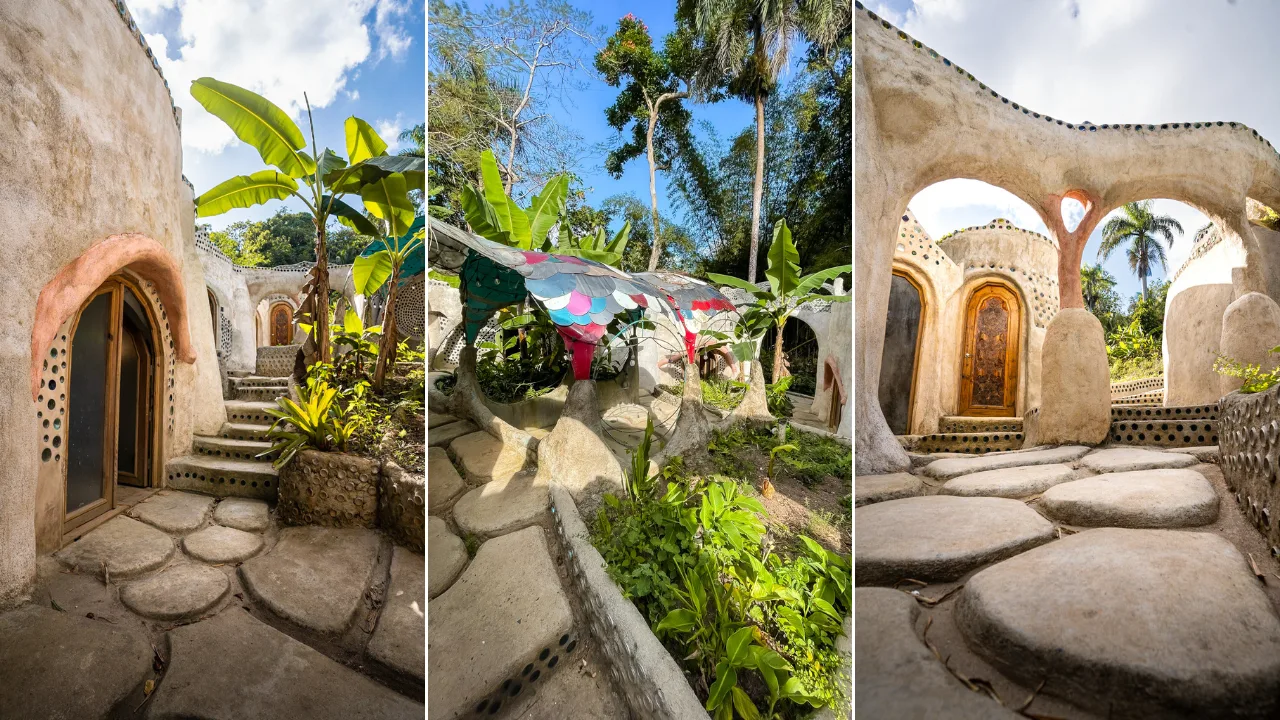
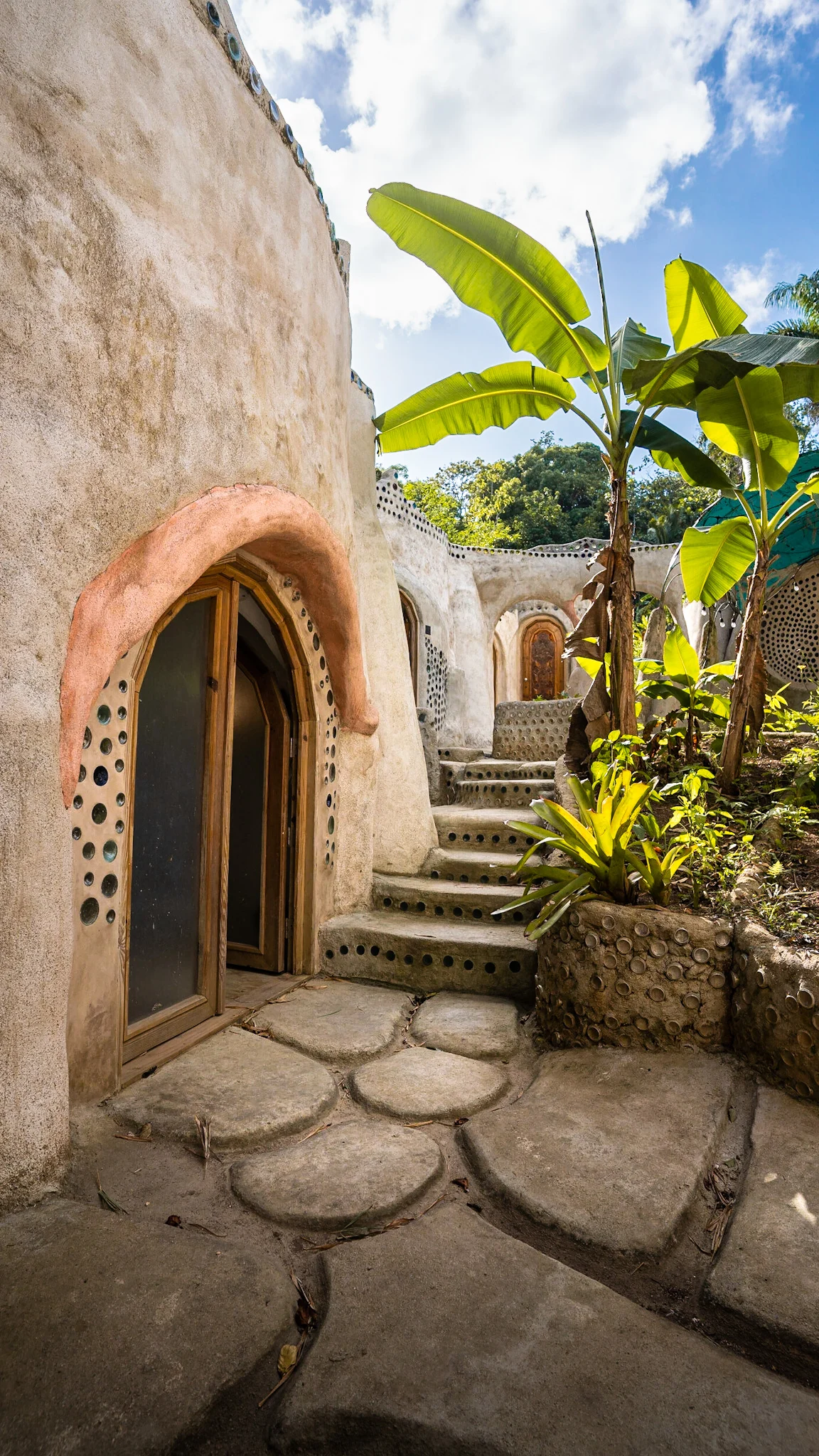
Earthship shows how it is possible to live off the grid, or self-sufficiently. Visiting it is like entering a sustainable dreamland. It has a fascinating natural setting and an innovative use of recycled materials. Every detail of this ecological oasis left us amazed.
At @earthship.pr, tours are offered Wednesday through Sunday from 11:00 a.m. to 4:00 p.m., and two of the five domes recently opened for overnight stays.
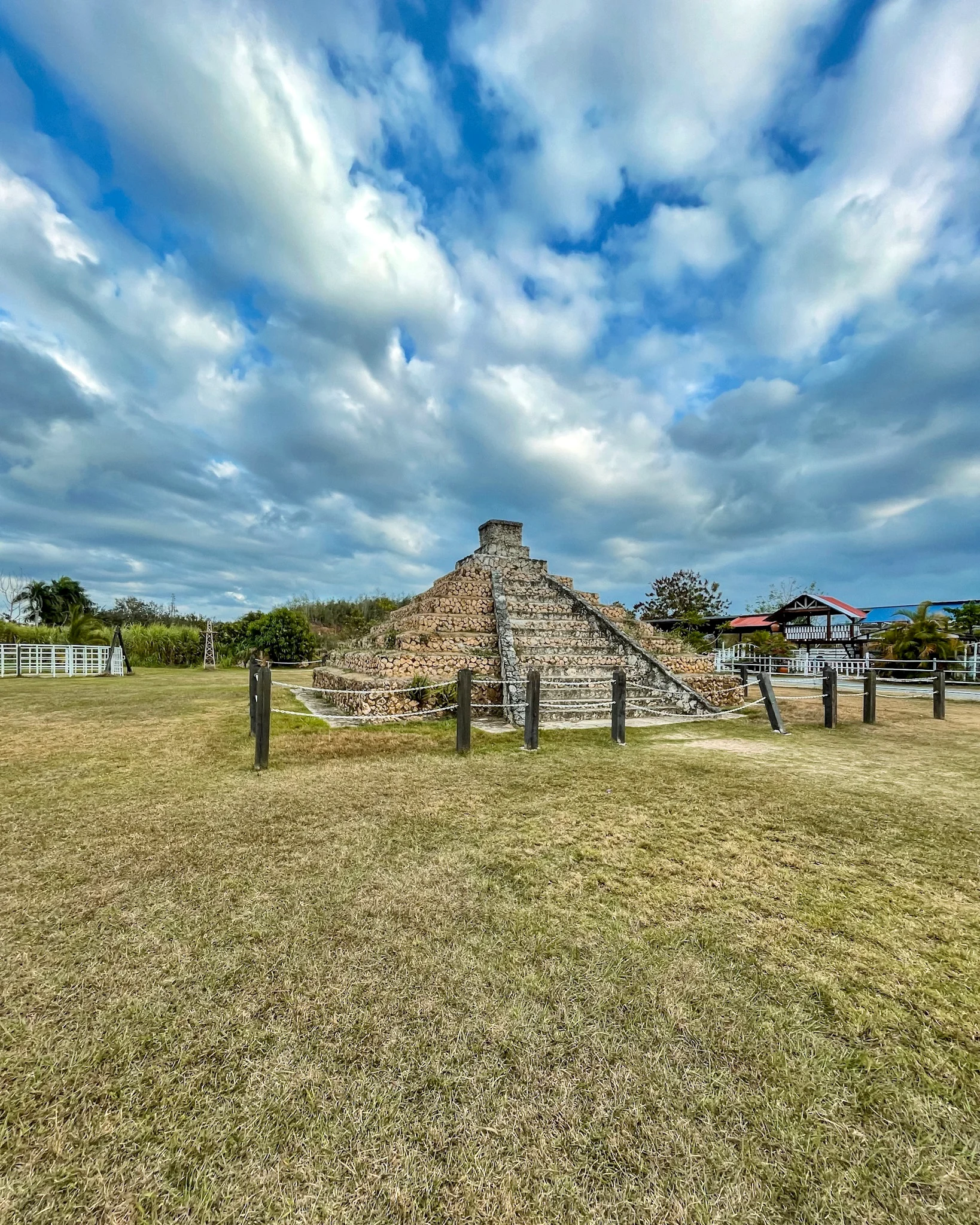
A unique and distinctive attraction in this town is the Pirámide de Aguada. The pyramid was built in 2009 by architect Emiliano Matos. It was commissioned by its owner, Nelson Ruiz, inspired by a trip to Chichén Itzá in Mexico. The pyramid seeks to honor the structures of the Inca and Maya civilizations.
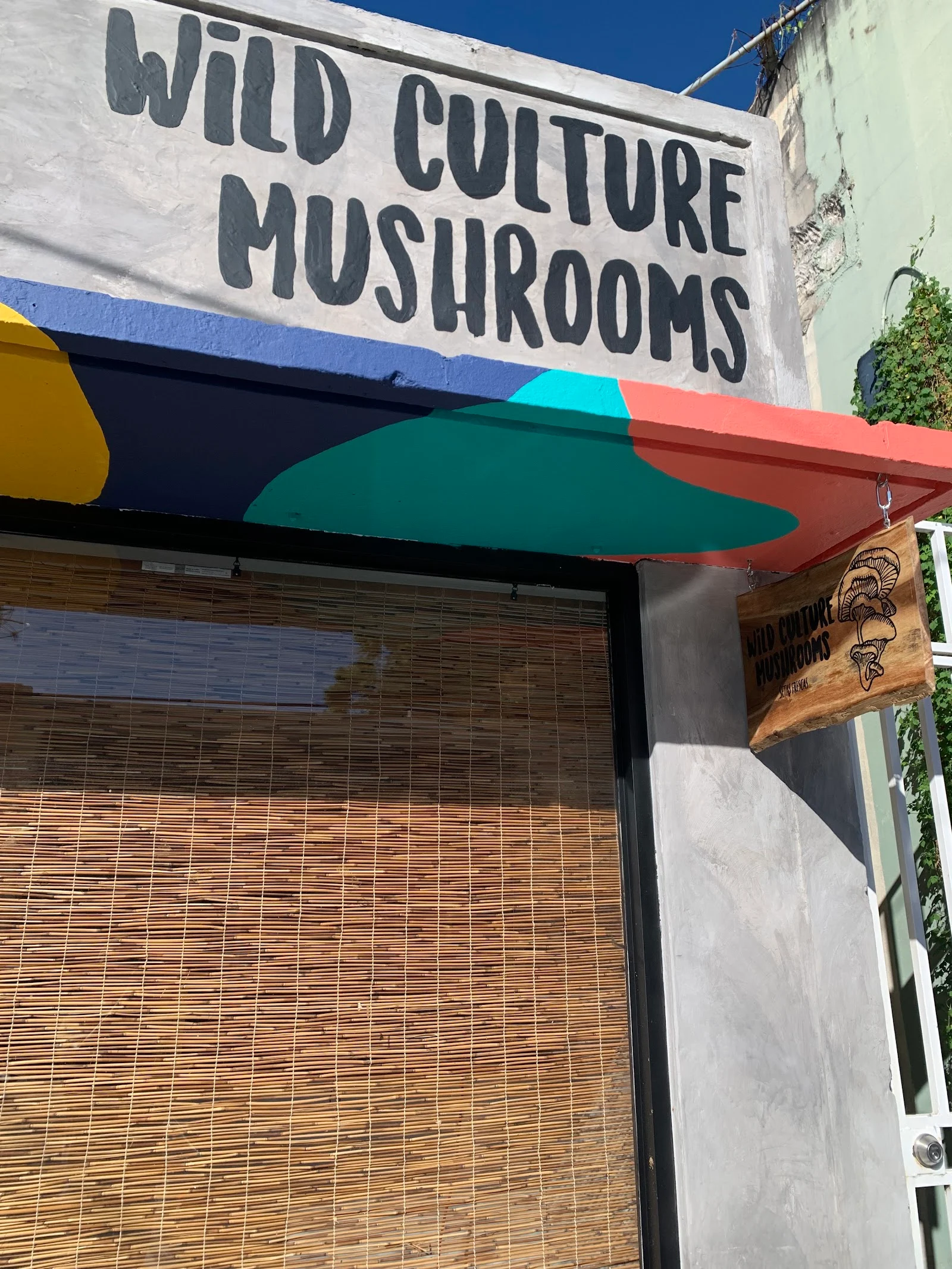
Known as the first medicinal mushroom market and farm in Puerto Rico, Wild Culture Mushrooms is a one-of-a-kind space where mushrooms are cultivated and products derived from them are sold, including edibles, beverages and medicinal oils. Max and Miku Morgolo, a Venezuelan couple, identified an opportunity to promote food sovereignty on the Island while offering products and extracts with medicinal properties. Although each variety has different characteristics, they confirm that none contains psychedelic qualities, as cultivating, selling and/or possessing such mushrooms remains a federal crime.
The specialty at this shop is the Melena de León, and all of its edible products are suitable for consumption.
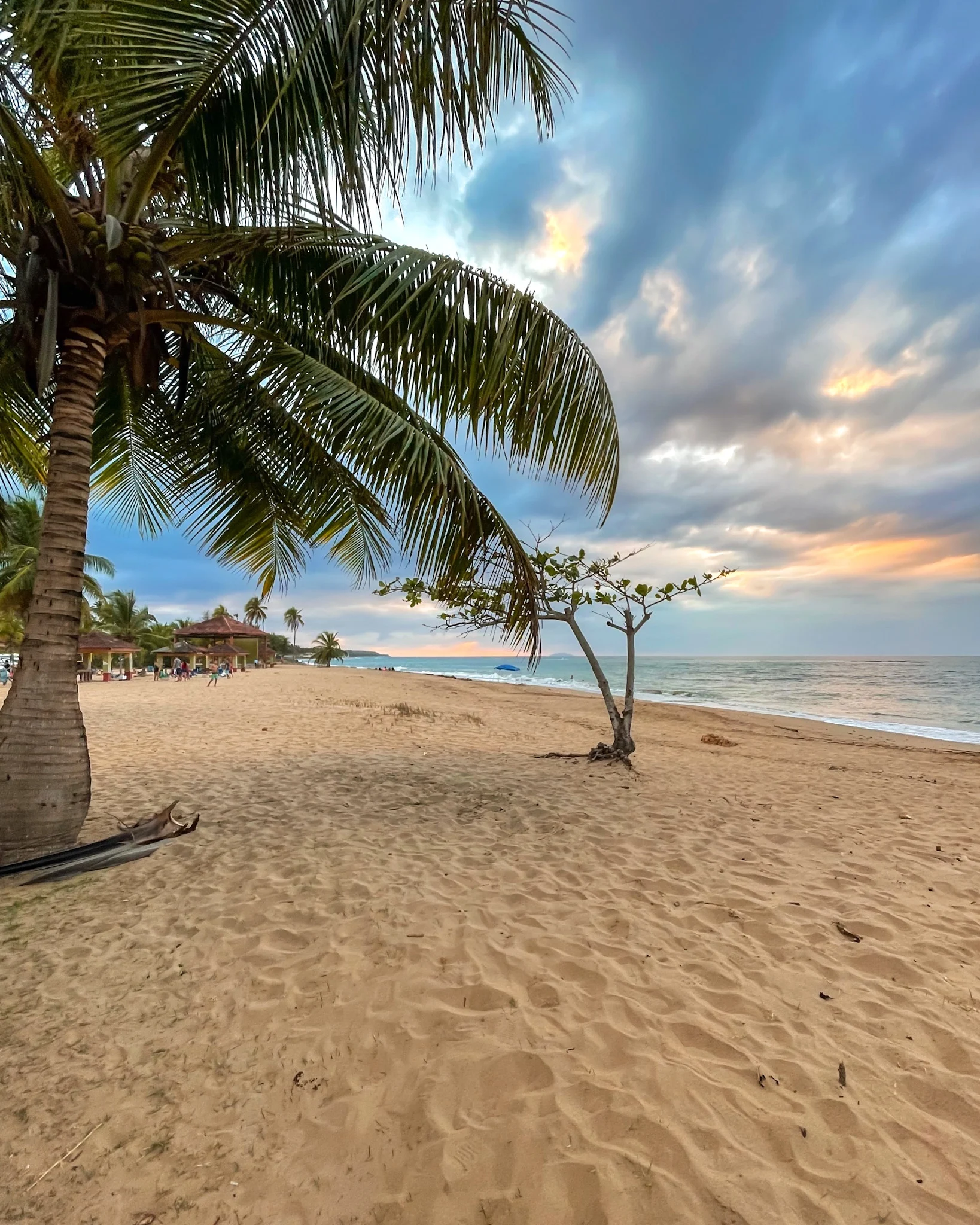
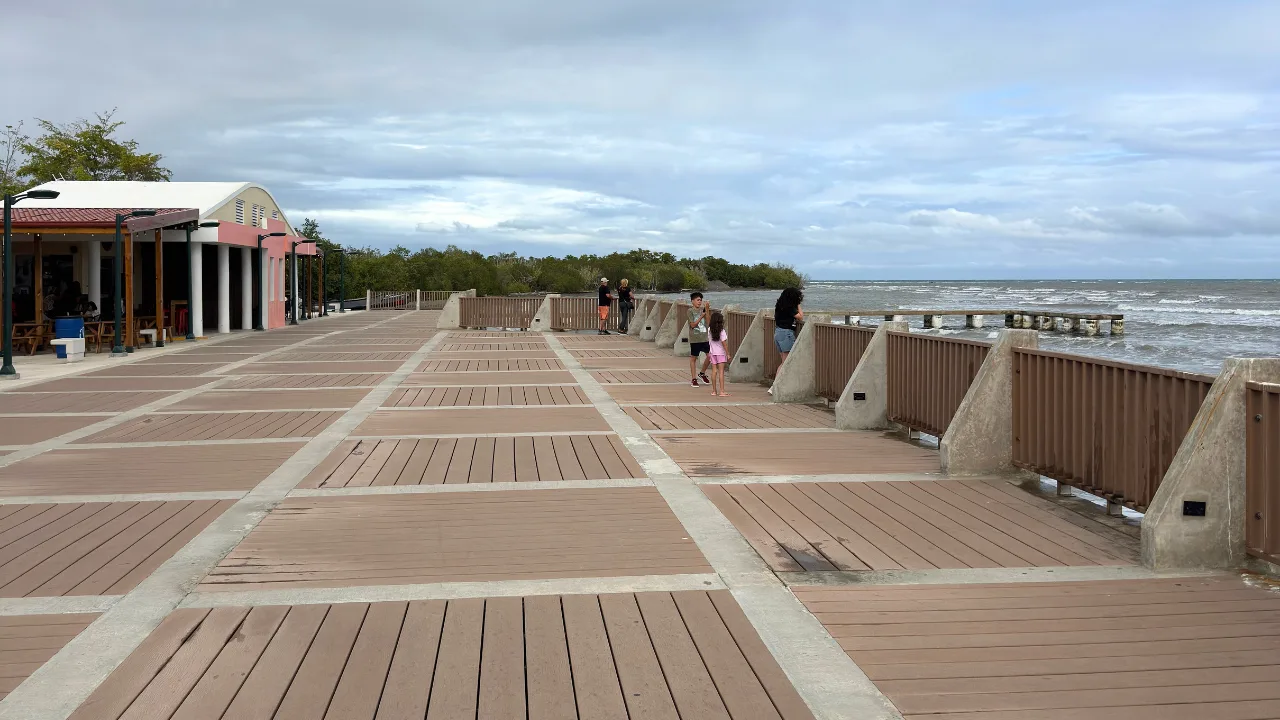
Enjoy the unmatched view toward Isla Desecheo or simply watch the sunset. This beach has amenities including gazebos, restrooms and kiosks for public use, as well as free parking. You can also take part in various water activities such as kayaking or diving.
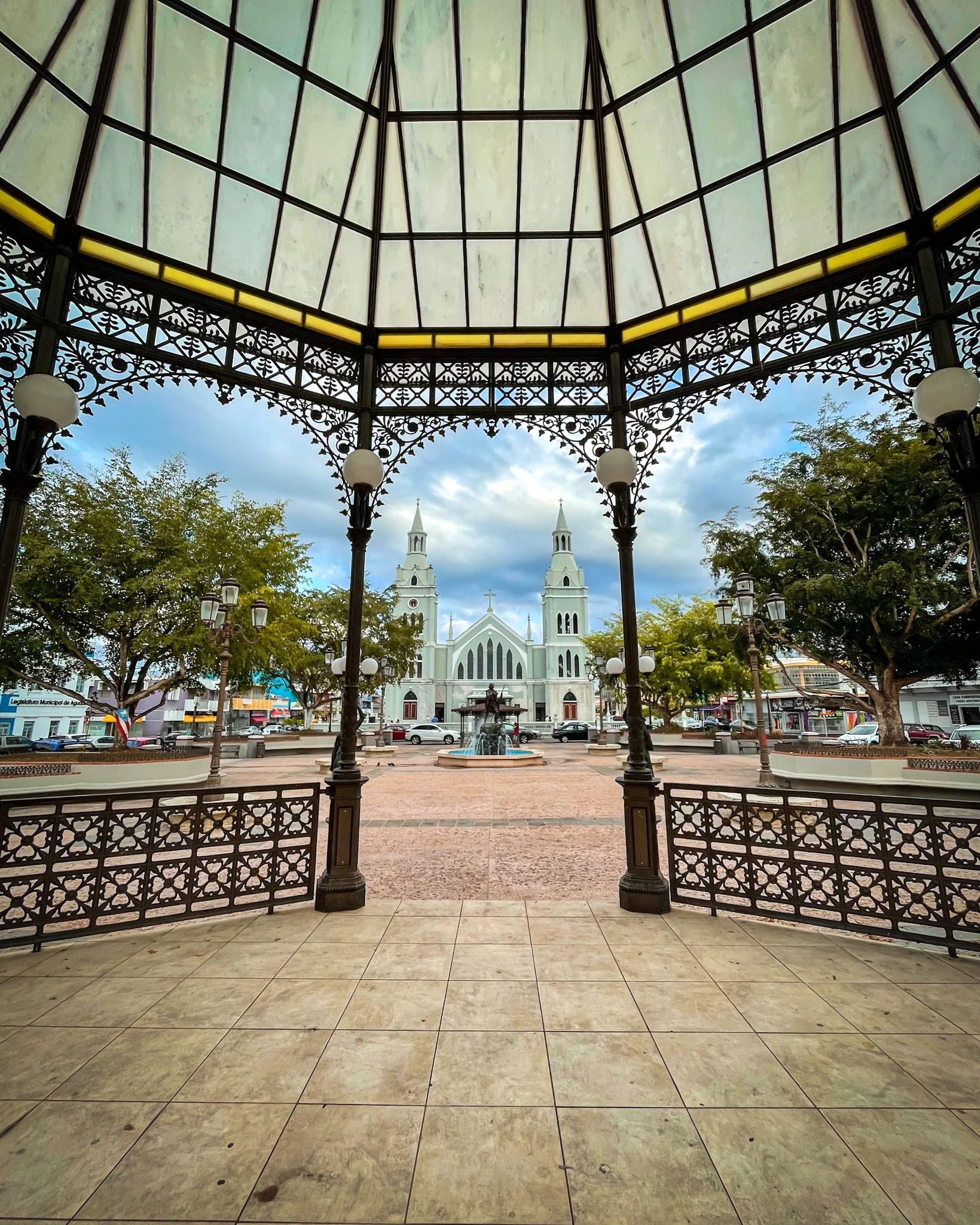
A stop not to be missed is the town plaza. There you can visit the Casa Alcaldía, the statue and Plaza Cristóbal Colón, and the Iglesia San Francisco de Asís.
One of the most striking historic structures is the Parroquia San Francisco de Asís. Its neogothic style features the tallest twin towers of any church on the Island. Its windows were imported from Spain in 1959 and its bells come from Germany. .
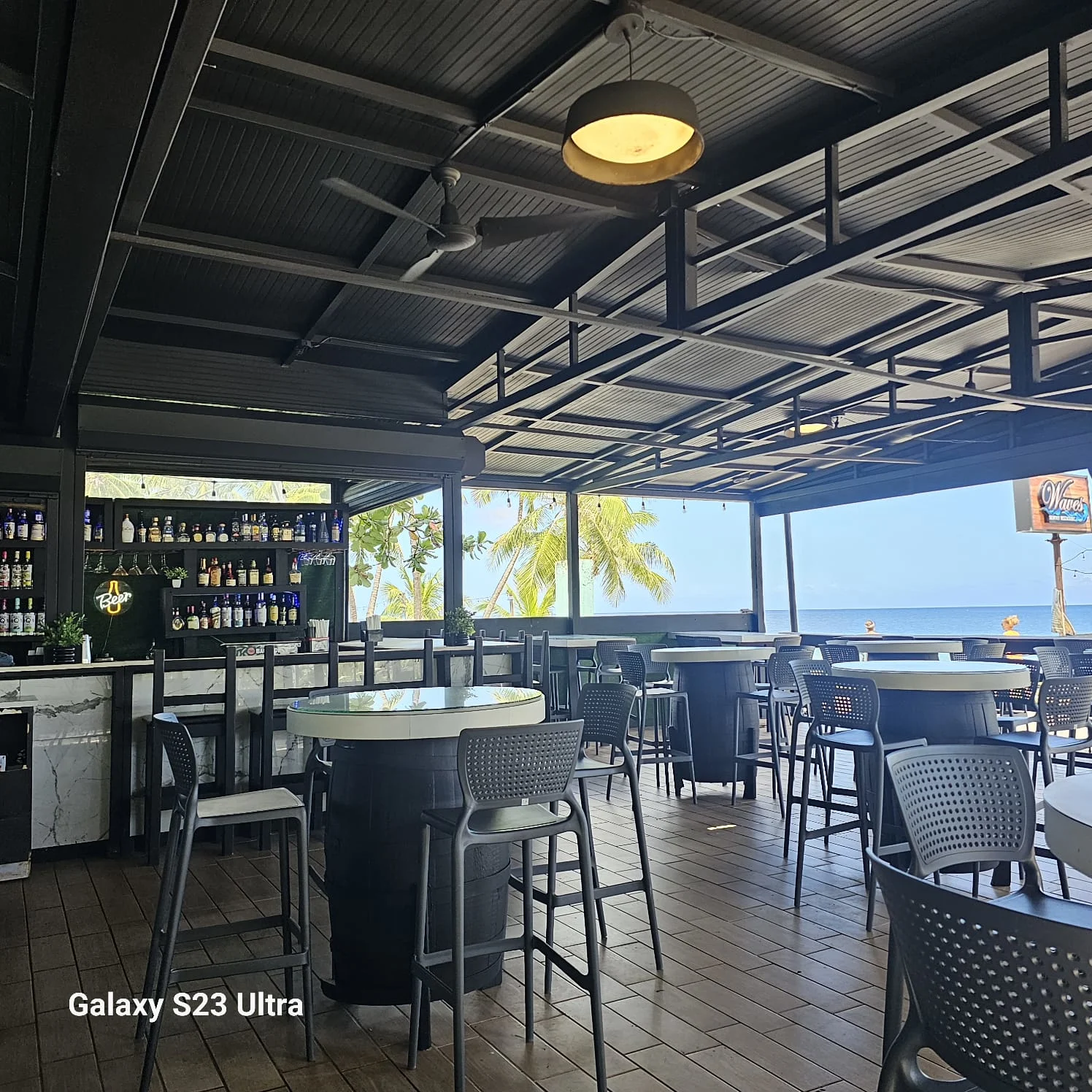
Since you are already making your way through a coastal town, why not eat by the beach? That is exactly one of the things Waves Seafood offers on the Camino de la Playa. Seafood is the specialty, but they also serve a wide variety of other dishes.
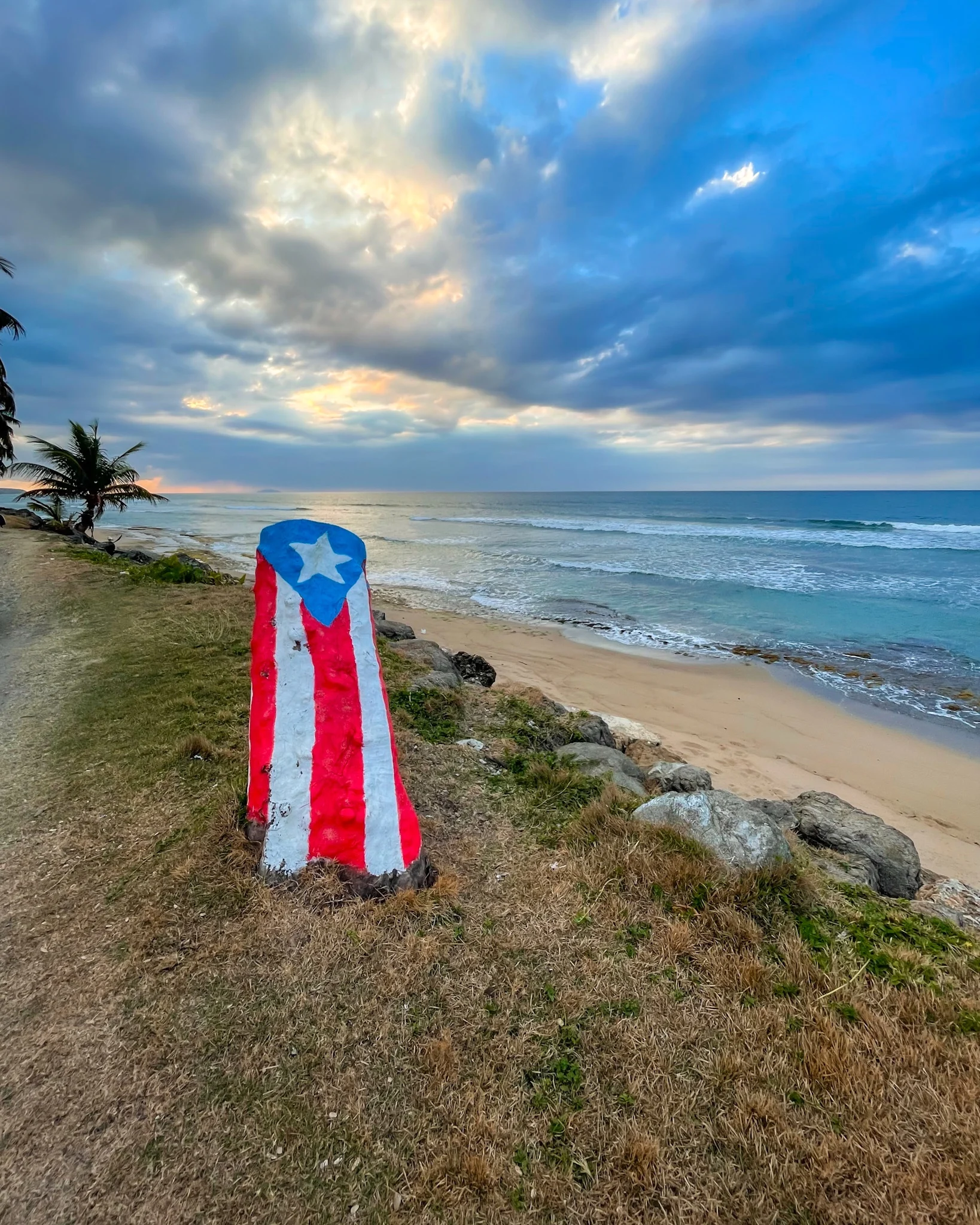
Explore the best of Aguada's coast along the Camino de la Playa. This road runs from the Balneario Pico de Piedra all the way to the Cruz de Colón monument. Along the way you will find several spots where you can sit right by the water.
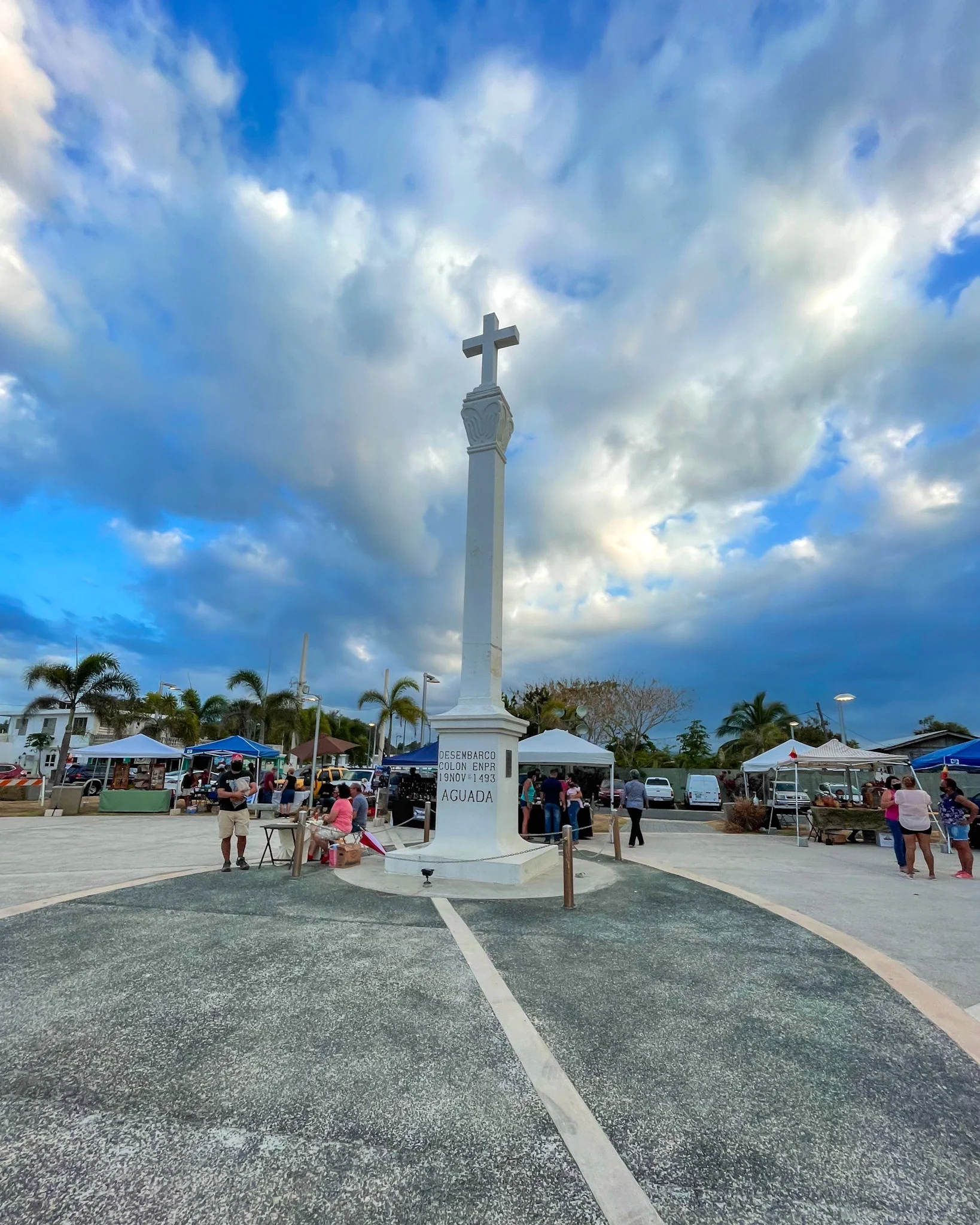
The town of Aguada played an important historical role during the Spanish colonization. To commemorate and celebrate the 400th anniversary of the discovery of Puerto Rico, this monument was created in an area where Cristóbal Colón is believed to have landed in 1493.
The original monument was destroyed in the 1918 earthquake but was rebuilt in 1928. Around the monument there is a plaza with benches and a stage where live bands occasionally perform. There is also free parking.
Bonus spot: Salto La Loca
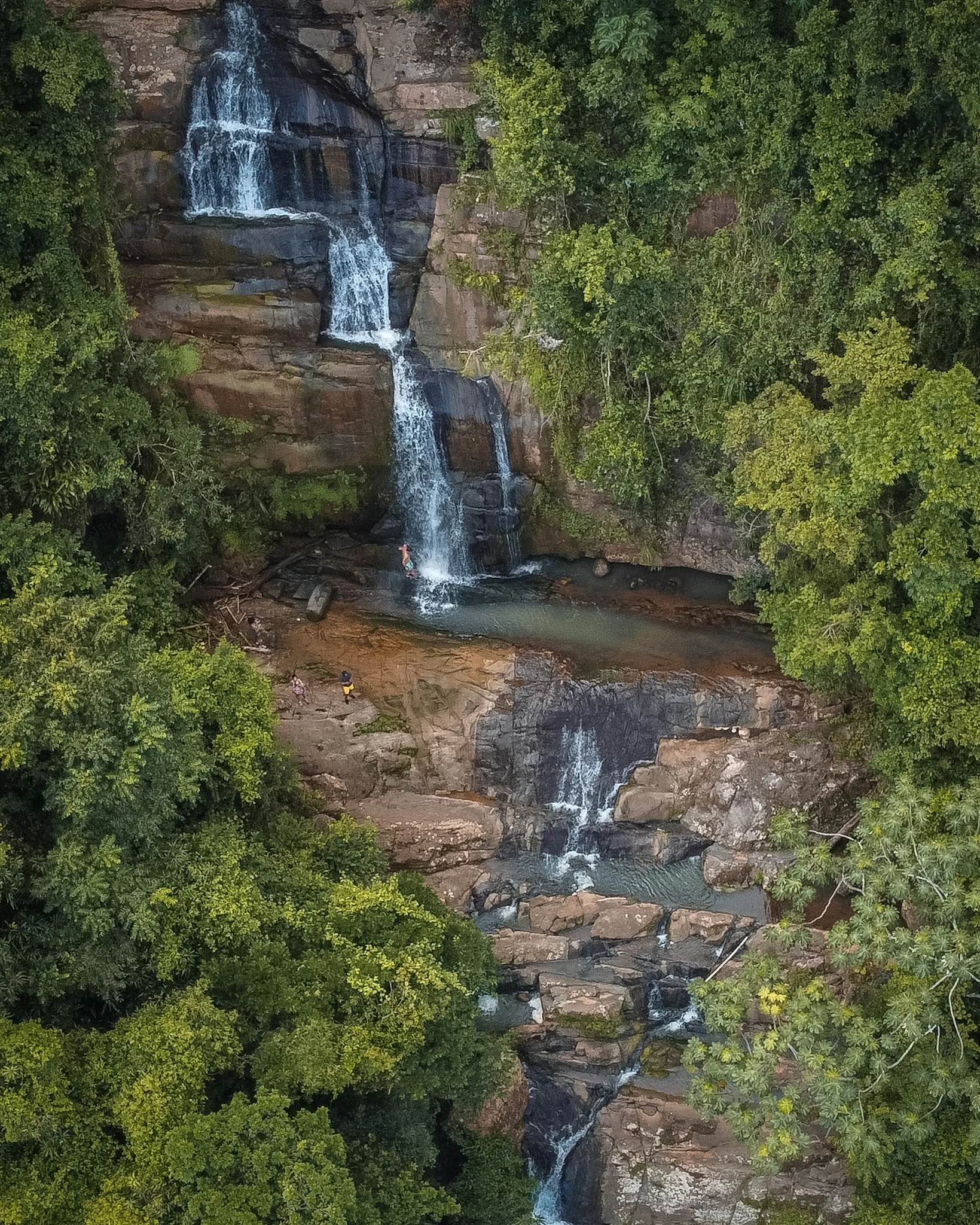
El Salto Atalaya, or "Salto La Loca," is the tallest in the series of falls found in the area.
How to get to the spot
From PR-2 in Aguada, take the exit that connects to PR-419 until you reach Panadería La Viña. At that intersection, keep right onto PR-411, and after about 4-5 minutes you'll need to turn onto a local road on the right side (the entrance just before what appears on Google Maps as "Pizeria Guarionex").
There are two ways to reach the falls area: arriving directly at the upper section or at the lower section. Both paths are moderate and take between 5-7 minutes to get there.
To reach the top of Salto Atalaya (the route I took), follow the Google Maps pin labeled "Salto La Loca." I don't recommend driving all the way down the dead-end local road that appears as you head toward that pin; the road is a bit narrow and uncomfortable. Leave your vehicle outside and continue on foot from there.
Once you're walking in, take the first entrance on your right and follow the road downhill. You'll notice the paved road ends and a dirt road begins; you're on the right track. If you follow these marked paths you'll eventually reach the river ahead of you. From that point, explore the trails that continue downstream and you'll find small waterfalls and natural pools, leading up to the tallest fall.
Ready to discover Aguada's hidden gems?
These are just a few stops for a day trip, but this town, rich in history, has several more to offer that can be discovered on foot. Go ahead, get out of the house and explore the town where Christopher Columbus is believed to have landed.
This content was translated with the assistance of Artificial Intelligence (AI).