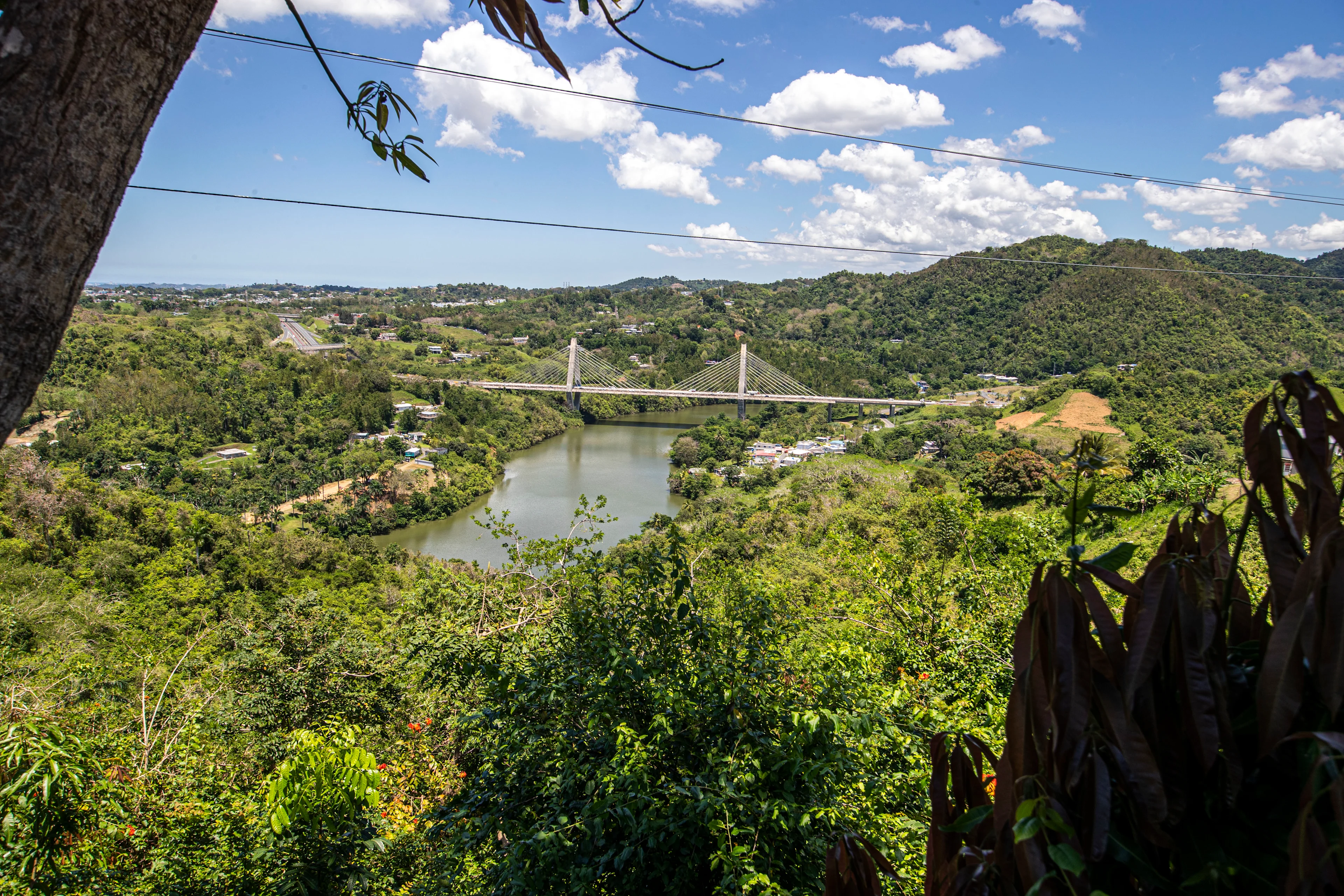
It is said that in eastern Puerto Rico there is a city that put up so much resistance to foreign invaders and pirates that it came to be known as "El Pueblo de los Cariduros". Named Santiago de Fajardo in the 1770s in honor of Spanish colonizer Juan Antonio de Fajardo, the name was originally given to the river where this settler mined gold deposits.
Also called the "Ciudad del Sol Naciente" for being the first point on the Island to see the sunrise, Fajardo is known for its beaches, its extensive coastline and its ports.
Ian C. Rivera Betancourt, a Fajardo native and entrepreneur, shares the most notable spots in the "Metrópolis del Este" so you can explore the town like a local and feel like a true cariduro. We start with places to visit and then move on to places to eat.
🚗 Things to Do
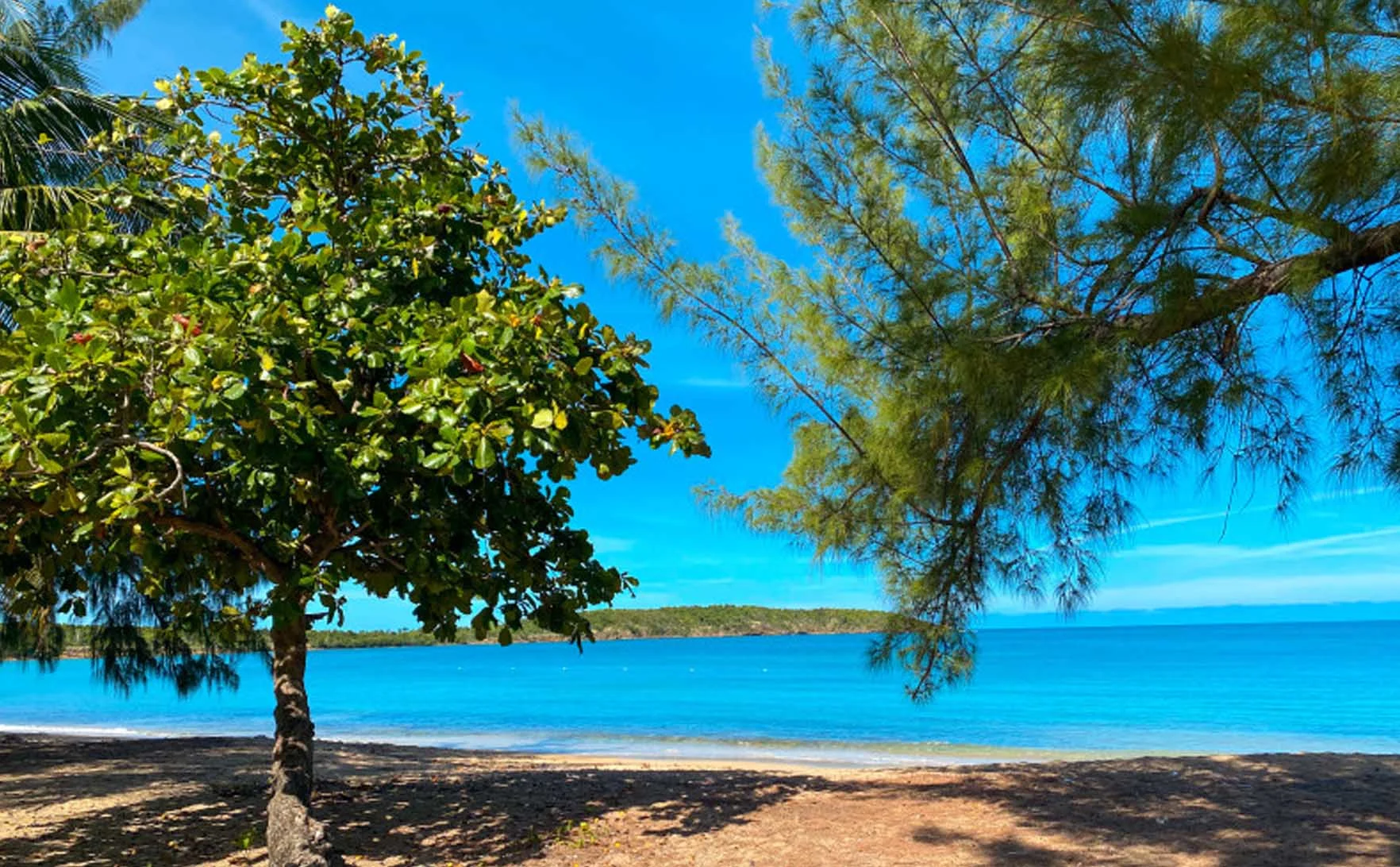
Located in Las Croabas, Balneario Seven Seas stands out for the pine trees near the shore, which provide ample shade, as well as for its parking (costs $5 per day), facilities (restrooms and others), security and lifeguards. It has a camping area; a two-night minimum is required and it costs $10 per night.
It has received Blue Flag certification on several occasions for its clear, calm waters, making it an ideal spot for swimming, spending the day with children or snorkeling.
🏖️ Platea tip: If you're going with children, Parque Los Chorritos is right next to the public beach, it's free and shares a parking lot with the beach. Learn more about this and other water parks around Puerto Rico.
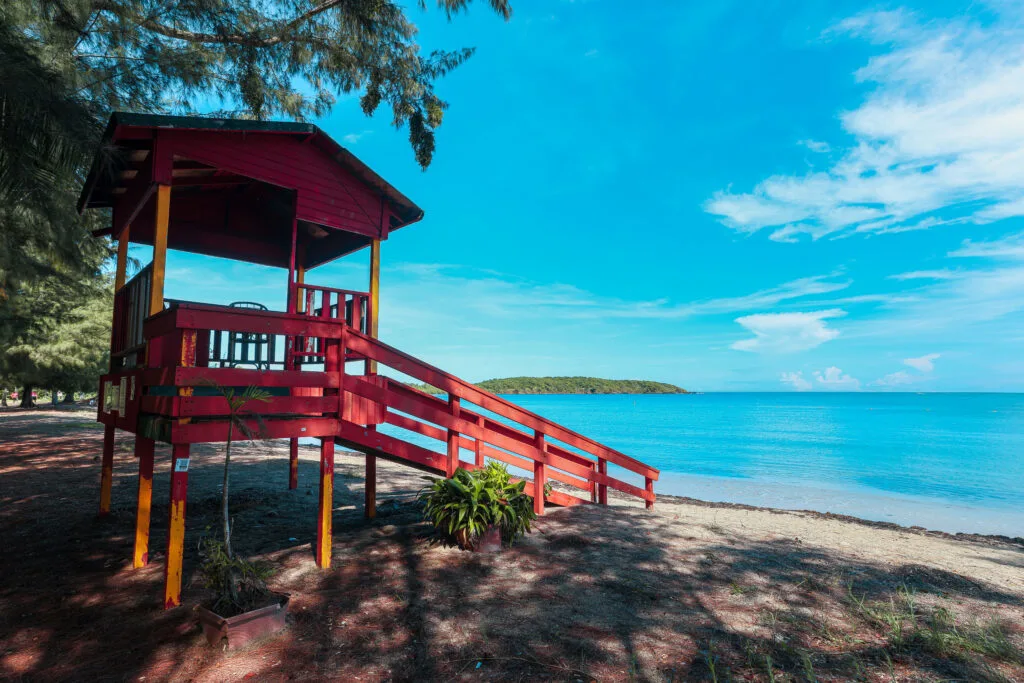
This small uninhabited island is about 25 minutes by boat from the town of Fajardo and is known for its white-sand beaches and clear waters, ideal for a fun day trip, snorkeling or a day of relaxation.
You need to arrive by boat, sign up for a catamaran, snorkeling or diving tour that goes to the island, or take a water taxi that drops you off to enjoy the beach for a couple of hours.
👙 Platea tip: Always remember to check weather conditions before heading out on the water, protect yourself from the sun with sunscreen, appropriate clothing and a hat, stay hydrated and bring all your trash back with you.

This is one of the three bioluminescent bays Puerto Rico has, but to see the nighttime show of dinoflagellates glowing in the water, you need to arrive by kayak, passing through the mangrove channels that surround Laguna Grande. It is recommended to go when the moon is not full to better appreciate the illumination.
Access is from the Las Croabas area and you can take a kayak tour or go on your own, but keep in mind that navigating through mangroves in the dark without knowing the area can be a significant challenge.
Made up of 11 terrestrial and marine ecosystems, including the bioluminescence of Laguna Grande, this nature reserve managed by Para la Naturaleza combines forest, reefs and seagrass beds in a unique setting.
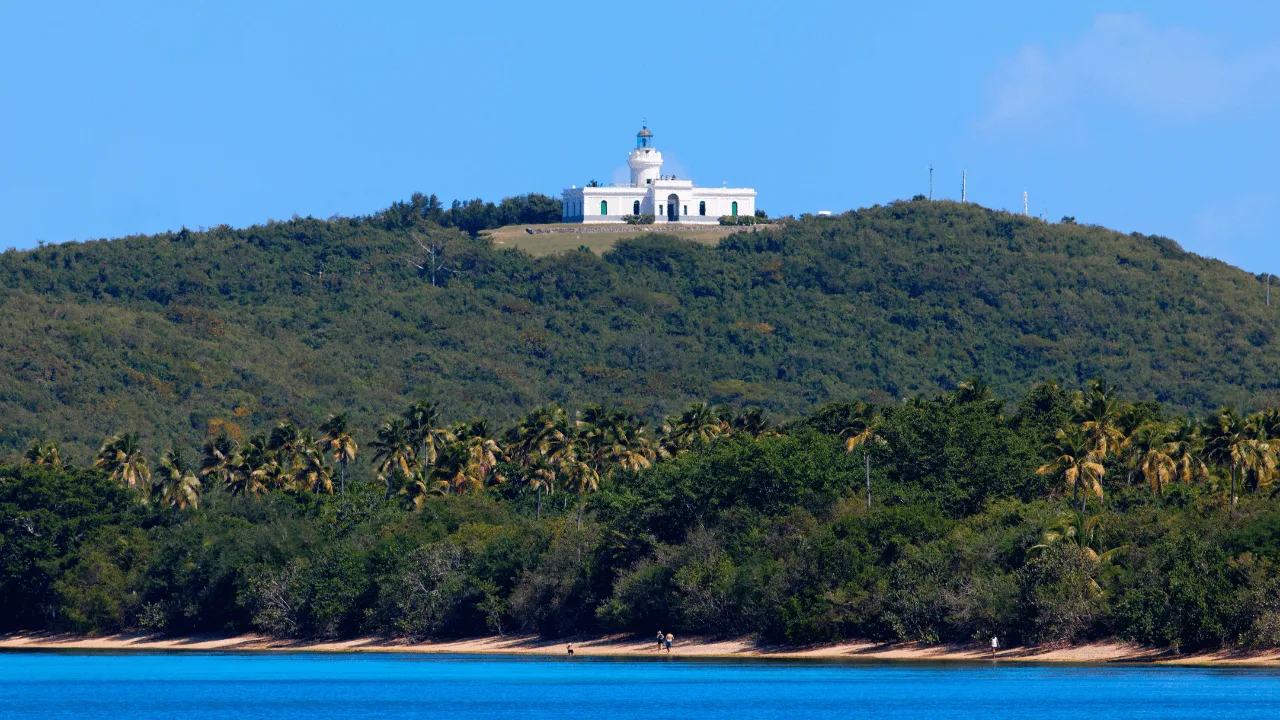
It has a historic lighthouse and a visitor center, ideal for guided tours (there are at least two per day starting at $11) and for discovering the area's ecological richness. It allows visitors to spot birds and other species from the three trails that run through the reserve, suitable for hiking and cycling. There is also a nighttime tour for the more adventurous.
🍽️ Where to Eat
This small café is an ideal spot for breakfast, with specialty coffee, teas, matcha and more. Diners highlight the house potatoes, French toast, tortilla and the generous portions.
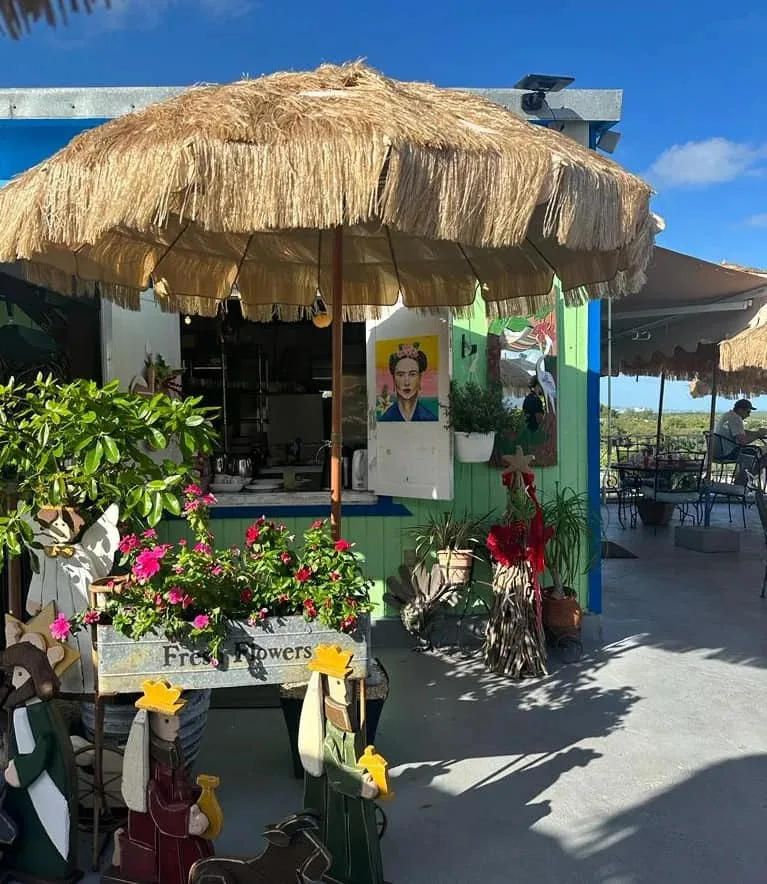
The name of this café pays tribute to the panoramic views it offers of nature and the sea, with a large terrace perfect for breakfasts and brunch.
The menu highlights include Puerto Rican eggs Benedict on arepa, French toast and pancakes in multiple flavors.
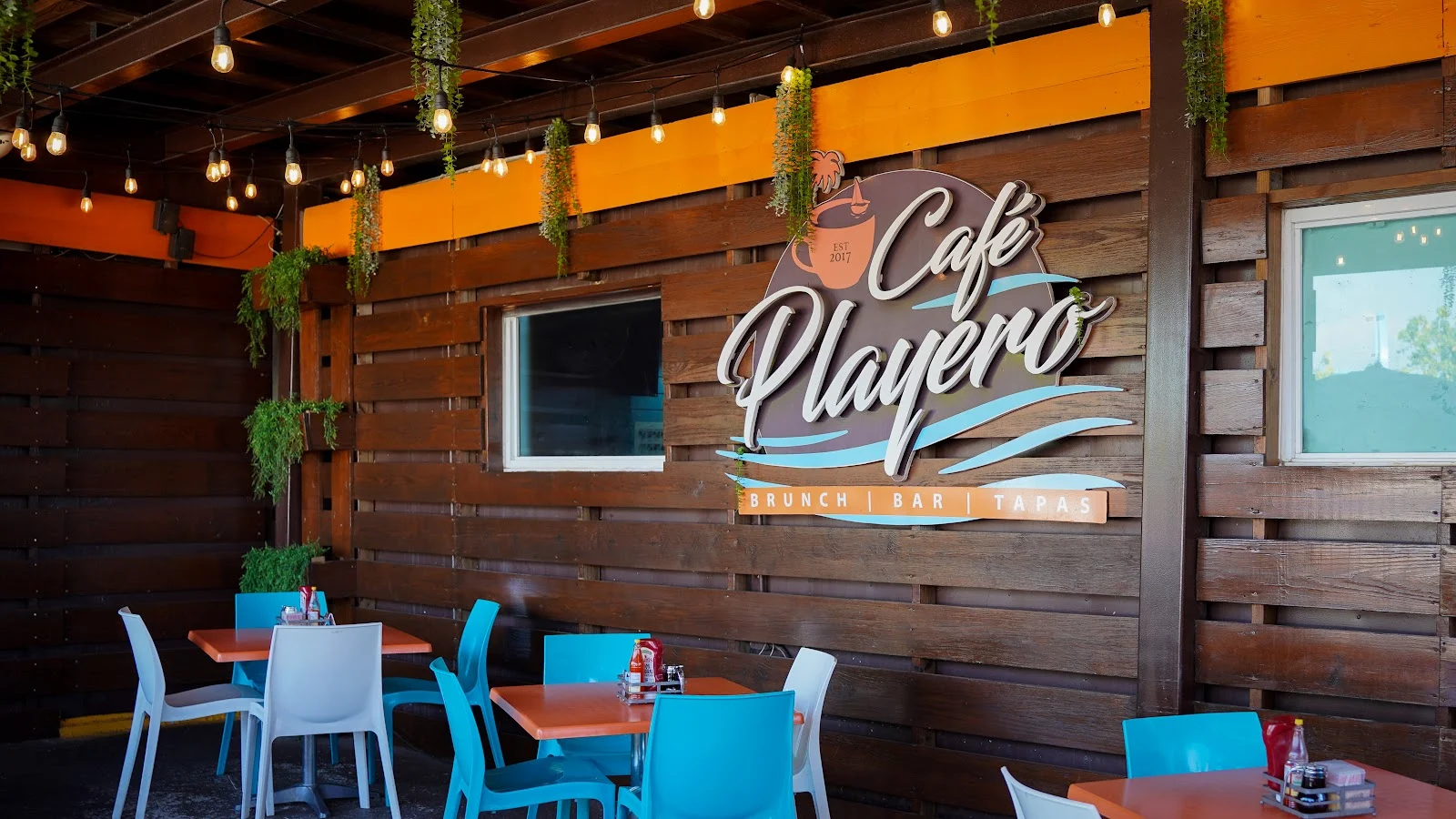
This multifaceted spot is open all day (Thursday through Monday, 8:00 a.m. to 9:00 p.m.), so you can enjoy a breakfast or brunch of huevos rancheros and mimosas, or a lunch or dinner of fish tacos, mofongo with pernil and a mojito.
They have an extensive menu ranging from arepas and stuffed tostones, a variety of tacos and burgers, to flavored pancakes, tortilla and canoa playera, a dish with ripe plantain, scrambled eggs, cheese, vegetables, ham and potatoes.
For those looking for a modern fine dining space, OKEAH offers a menu that fuses Creole food with contemporary international trends, crafted by chef Emilio Santiago, with more than 20 years of culinary experience.
You can enjoy a variety of tapas such as fresh oysters, tuna tartare and crab cakes, as well as ossobuco in wine sauce, ribs and other meats, and lobster, fish and octopus. The restaurant has agreements with local fishermen and uses fresh local products.
For Ian, this is a classic spot for dinner in a family-friendly setting overlooking Bahía de Fajardo. Specializing in seafood and fresh fish, the restaurant serves Creole food, and diners highlight the fried red snapper, mofongos, stuffed arepas (sometimes coconut) and stuffed lobster.
If you want to enjoy fresh seafood and fish with a prime ocean view, this is your spot. Visitors highlight the lobster in garlic sauce, the mofongos, the fried red snapper and, to finish, the pistachio cheesecake. They also serve a variety of meats, as they are a steakhouse, along with Creole food.
This is a seafood and fresh fish restaurant with decades in operation and a relaxed atmosphere. Standouts include the shrimp in garlic sauce, fried red snapper, arroz mamposteao and arepas.
Cover photo: The lighthouse at Reserva Natural Cabezas de San Juan, in Las Croabas, Fajardo (George Oze Photography | Getty Images)
This content was translated with the assistance of Artificial Intelligence (AI).