Restaurante Ariel is part of the Visa Nights program, offering customers with Visa Signature or Infinite cards issued by local banks a free bottle of Laurent-Perrier champagne or Origen de Resalte wine with dinner. Learn more about the program here.
At Restaurante Ariel, Chef Ariel Rodríguez, who began his career in the kitchen of the then-Augusto's Cuisine (1988-2005) under the mentorship of the legendary Chef Augusto Schreiner, leads a space where each dish tells a story of evolution and experimentation.
“Much of our cooking is exactly that,” reflects the chef, who trained at the Culinary Institute of America and traveled through kitchens around the world before developing a distinctive style that honors tradition while embracing innovation.
His commitment to constant innovation is evident in the menu.
“Every week there will be some dish that is new or different or seasonal or that we only got the product for that period.”
The house signatures: standout dishes
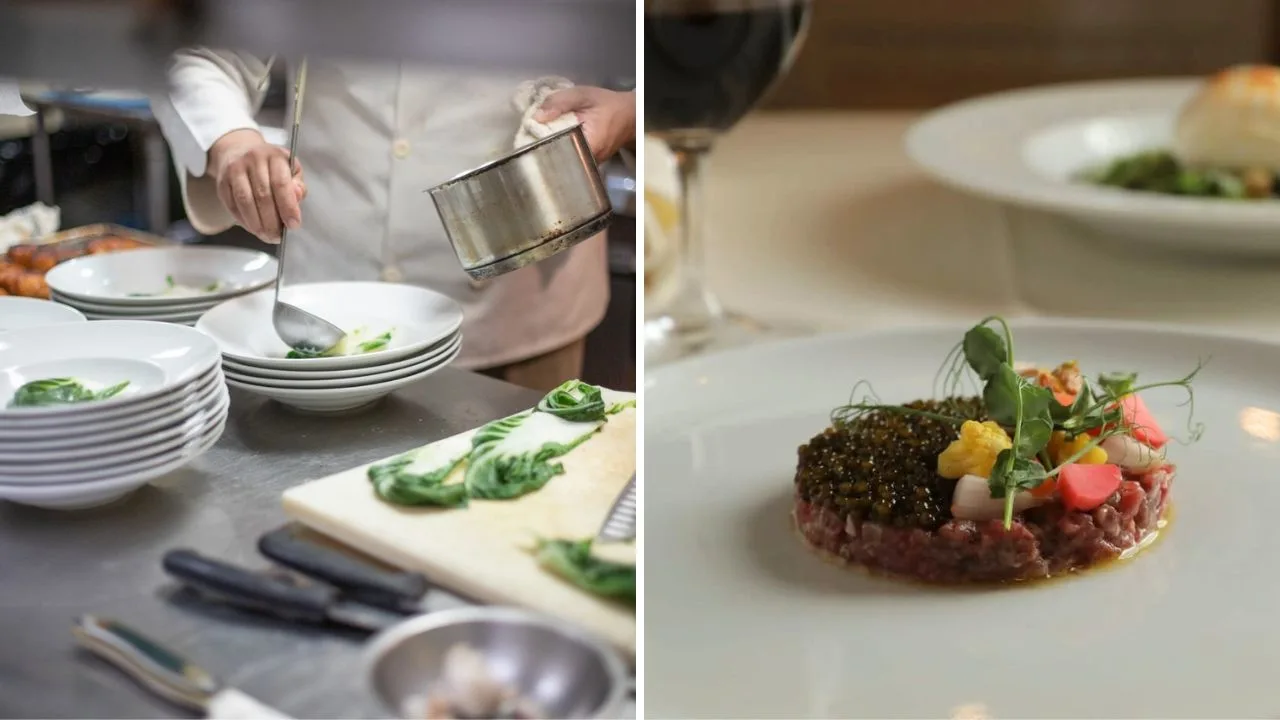
Among the restaurant's most notable creations is the steak tartare. “In every city I visit, I enjoy it, it's a great dish,” Rodríguez says of his version, which he prepares by finely cutting the meat and pairing it with shallots, high-quality olive oil and a house-made truffle mayonnaise.
The dish is served with house-pickled vegetables and, for the more adventurous, can be topped with an ounce of caviar.
Fresh pasta, made daily at the restaurant, is another example of the dedication to culinary craft. A recent standout is the fettuccine with veal cheek ragù, where Rodríguez pushes against convention:
“I like it to be a little chunky,” he explains of his take on the ragù, which combines low-temperature cooking techniques with the restaurant's traditional sauces.
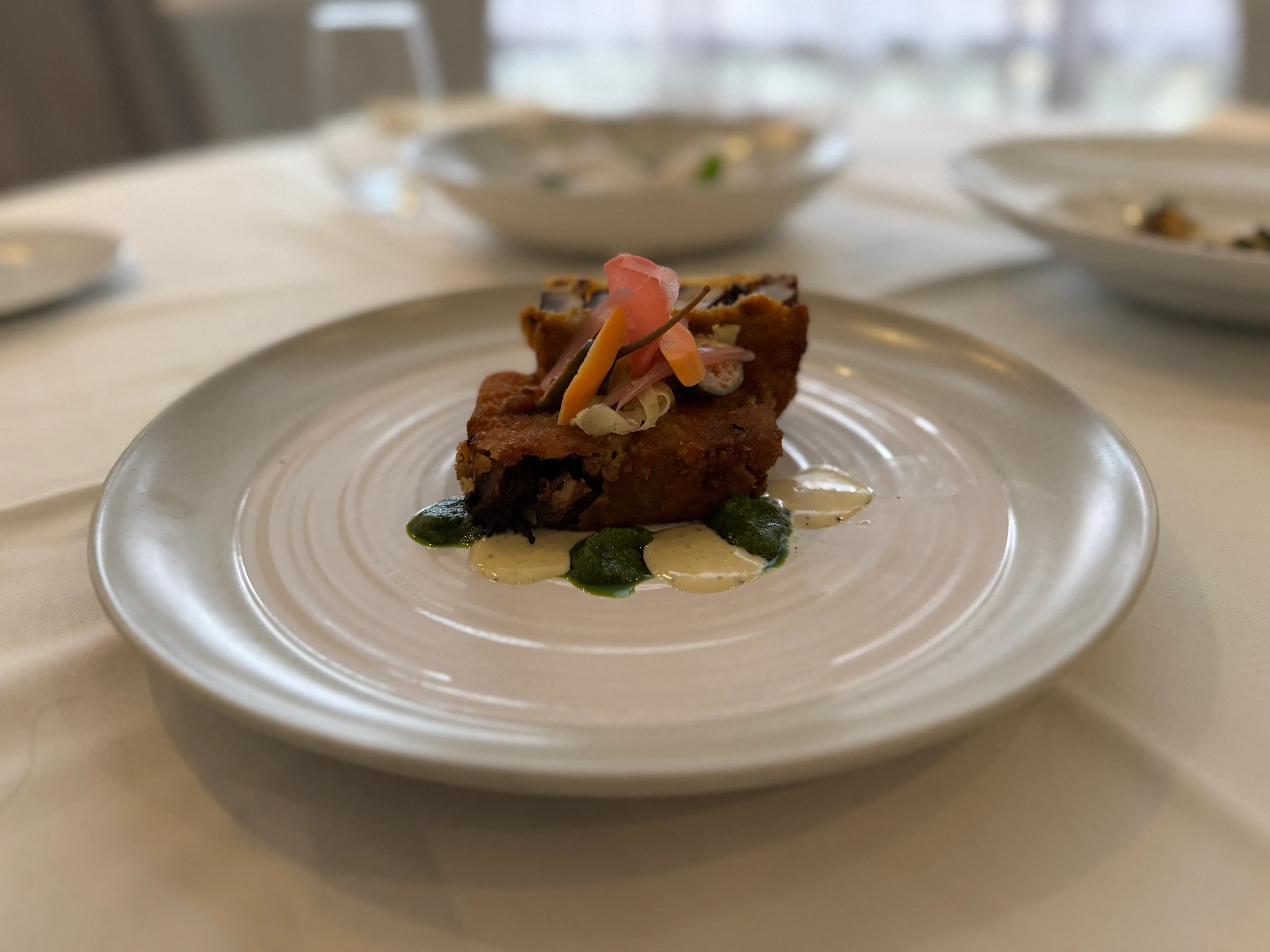
In the world of charcuterie, the chef is exploring new territory with his artisanal terrines. “We've been making terrines here our whole lives,” he explains, describing his latest experimentation with paté en croûte, a French technique that demands meticulous precision.
The current version combines duck, venison and pork, incorporating pistachios and dried fruits, all wrapped in a carefully made pastry dough.
Despite being the owner, Rodríguez maintains a hands-on approach in the kitchen. “I'm cooking every single day,” he says with pride. “I get here at 7:30, 8:00 AM… It's not that we don't like to delegate, it's that we enjoy it and we're passionate about what we do.”
Local roots, global inspiration
His commitment to local products reflects a deep love for Puerto Rican cooking. Rodríguez works directly with farmers who bring him everything from plantains to yams harvested on the Island. “I like it to be from right here,” he emphasizes, “not going to look for imported plantains… let it be from Puerto Rico.”
This commitment to local sourcing also helps spark innovation in the kitchen. A recent example is his discovery of an artisanal coconut milk: “A guy brought me coconut milk four weeks ago… it was something else. It's impressive.” These finds of local products inspire new creations on the menu.
The evolution of his dishes reflects his philosophy of "respectful fusion." As he explains about his version of pork belly: “Now it came together that the seasoning he [the Dominican cook] used joined with these other two ingredients [fennel seed and Chinese pepper] and it's already something else. And that's how we keep finding different ingredients, keep evolving, keep mixing what we know from here with other parts of the world.”
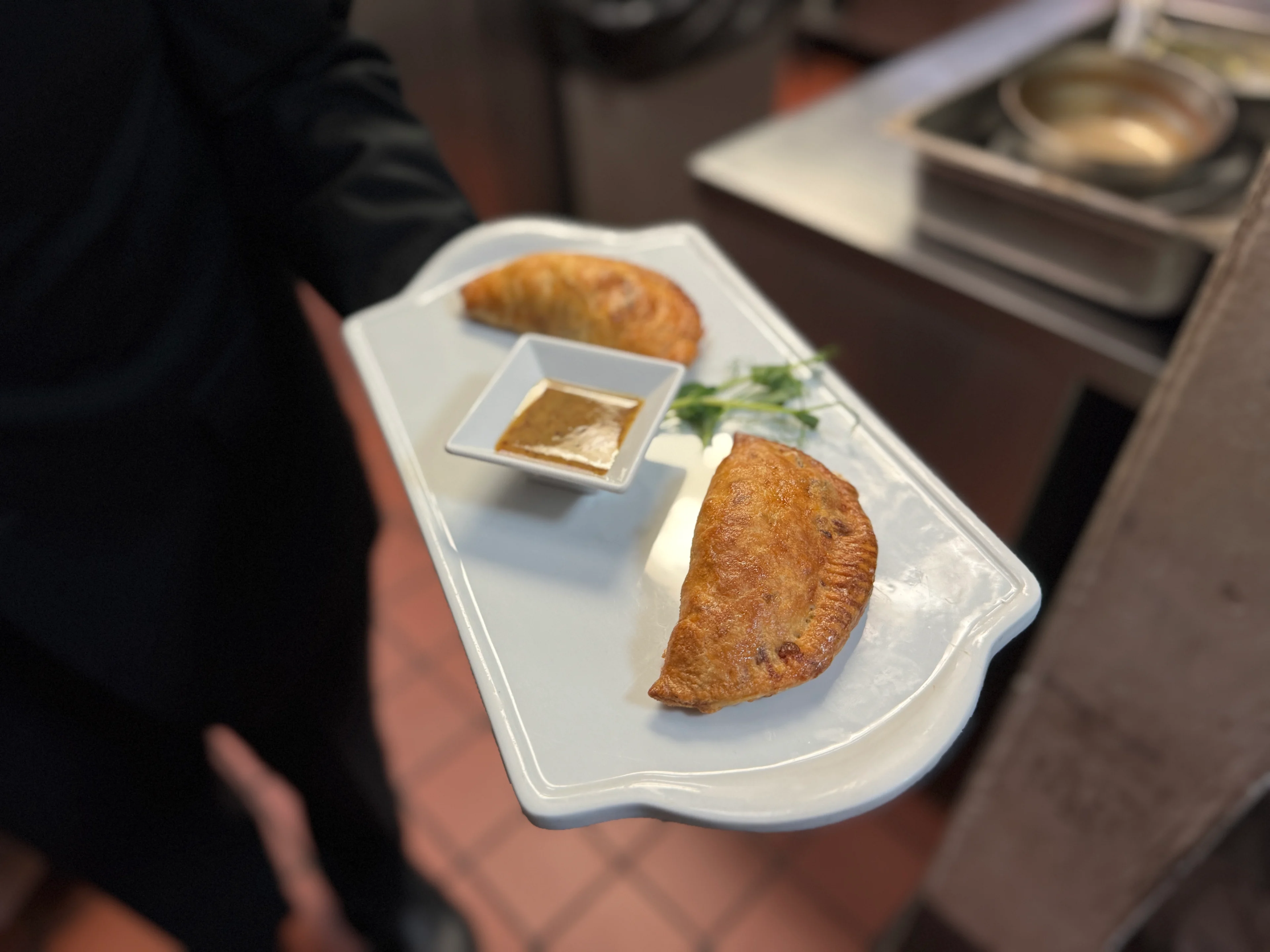
For Rodríguez, Puerto Rican cuisine is inherently a fusion cuisine: "Puerto Rican cuisine is exactly that, a mix of flavors. Our cuisine really is that same process of what came from Africa, Spain, the Taíno, all that mixing and different things emerge."
That spirit of fusion shows up in dishes like yaca (an empanada from the center of the island) served with rabbit stew, or his reinterpretation of bacalao a la vizcaína, inspired by a visit to Chateaubrion in Paris.
In constant evolution
Even the house hot sauce reflects this ongoing evolution, having developed into a crushed version with sesame seeds that add a distinctive crunch.
Seasonal dishes also hold a special place on the menu, among them the coveted white asparagus from Holland that appears for a few months each year. "You won't taste those dishes the rest of the year," the chef explains, emphasizing the importance of respecting the natural cycles of ingredients.
At Restaurante Ariel, it seems every ingredient has a story, every dish a reason for being, and the menu is in constant evolution, always honoring its roots while looking toward the future of Puerto Rican gastronomy.
This content was translated with the assistance of Artificial Intelligence (AI).