From the old market in Old San Juan to an Afro-Puerto Rican art museum in Humacao, Puerto Rico has more than 10 museums with free admission.
This guide, organized by region, includes exact hours and what sets each cultural space apart, including the Museo de Arte de Puerto Rico, which opens its doors for free on Thursday evenings.
📍 Metro
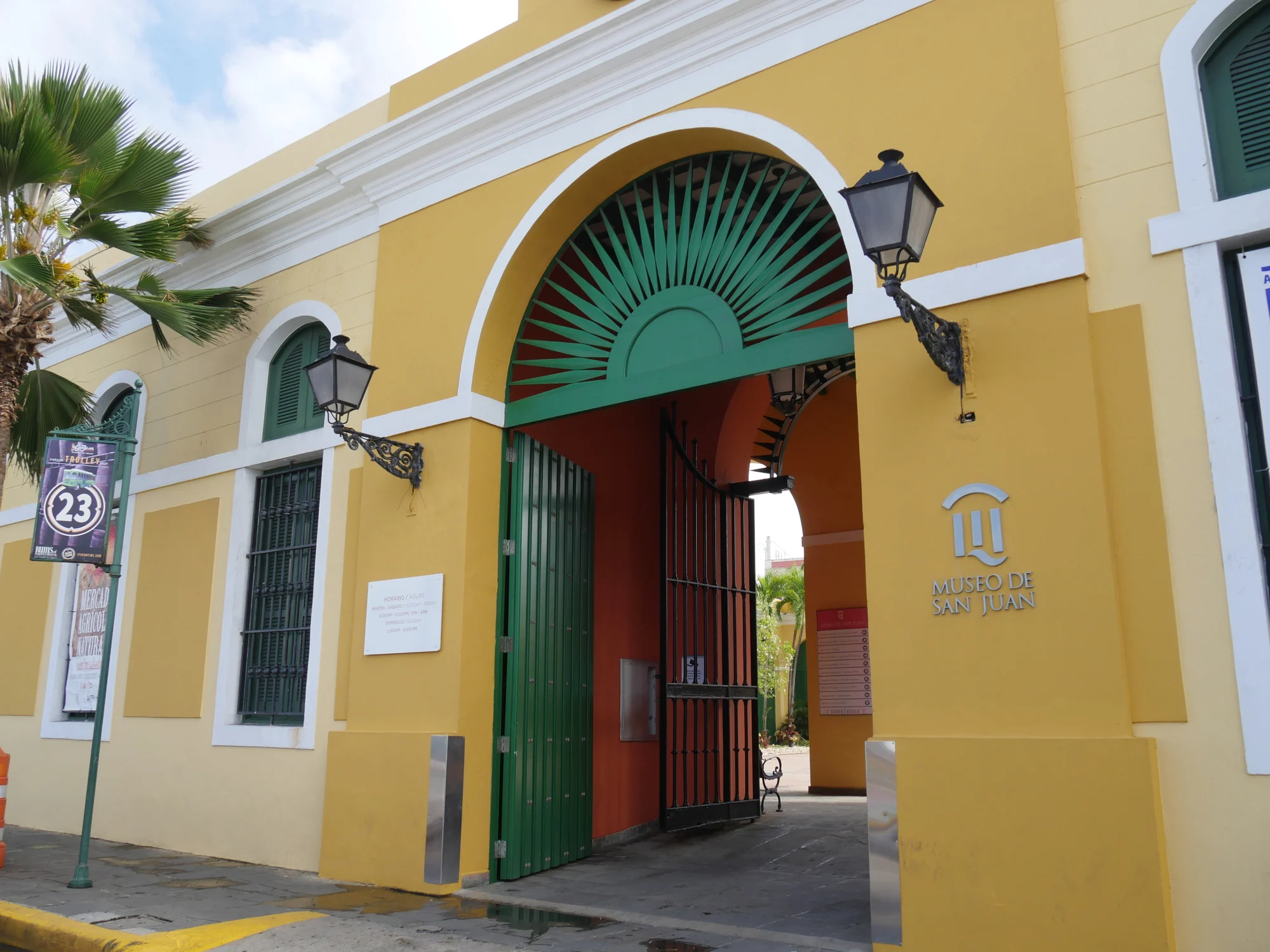
The building that houses the museum today served as the central market of Old San Juan in the 19th century. Our ancestors bought their provisions here. Now it is a space dedicated to preserving that history.
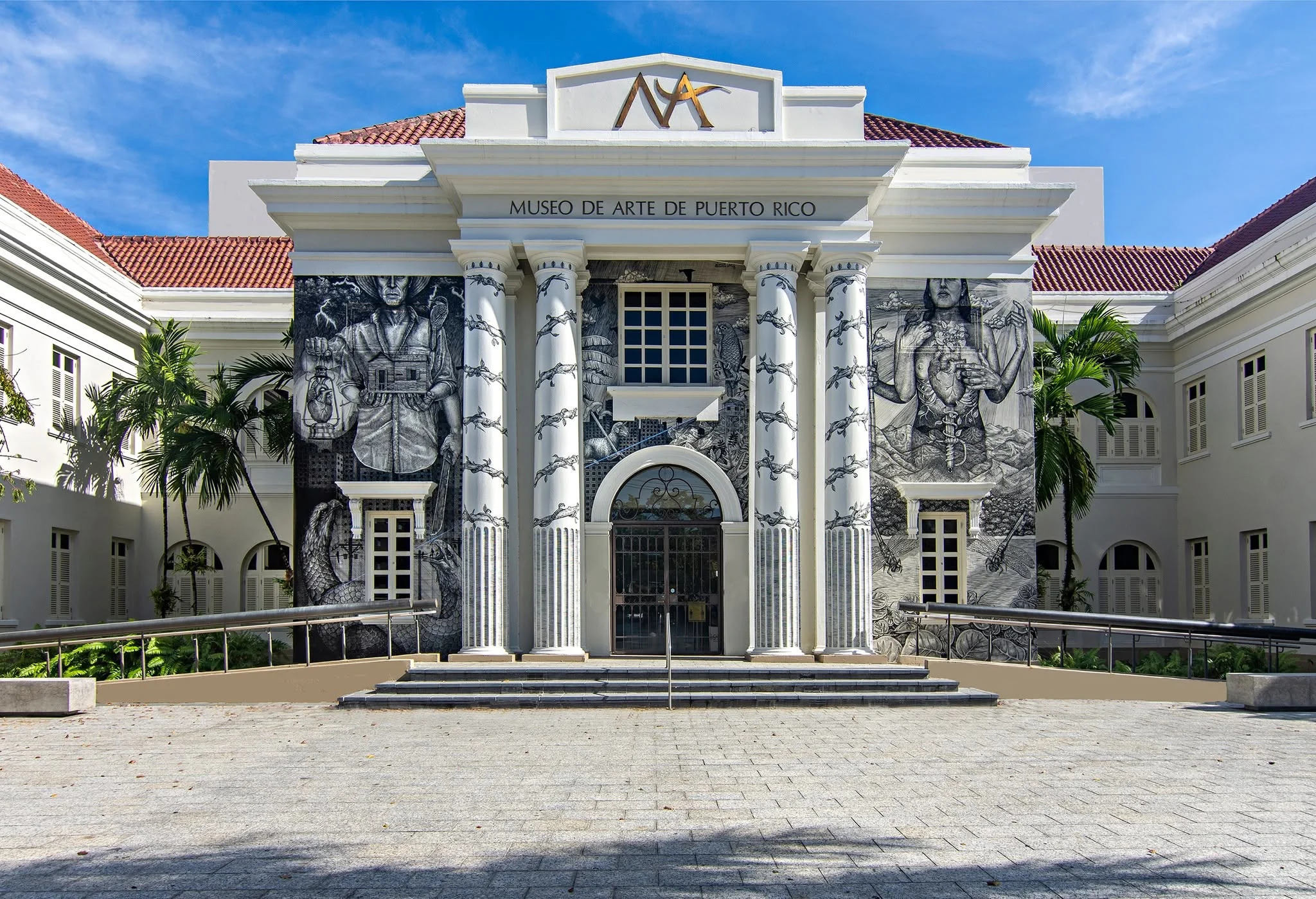
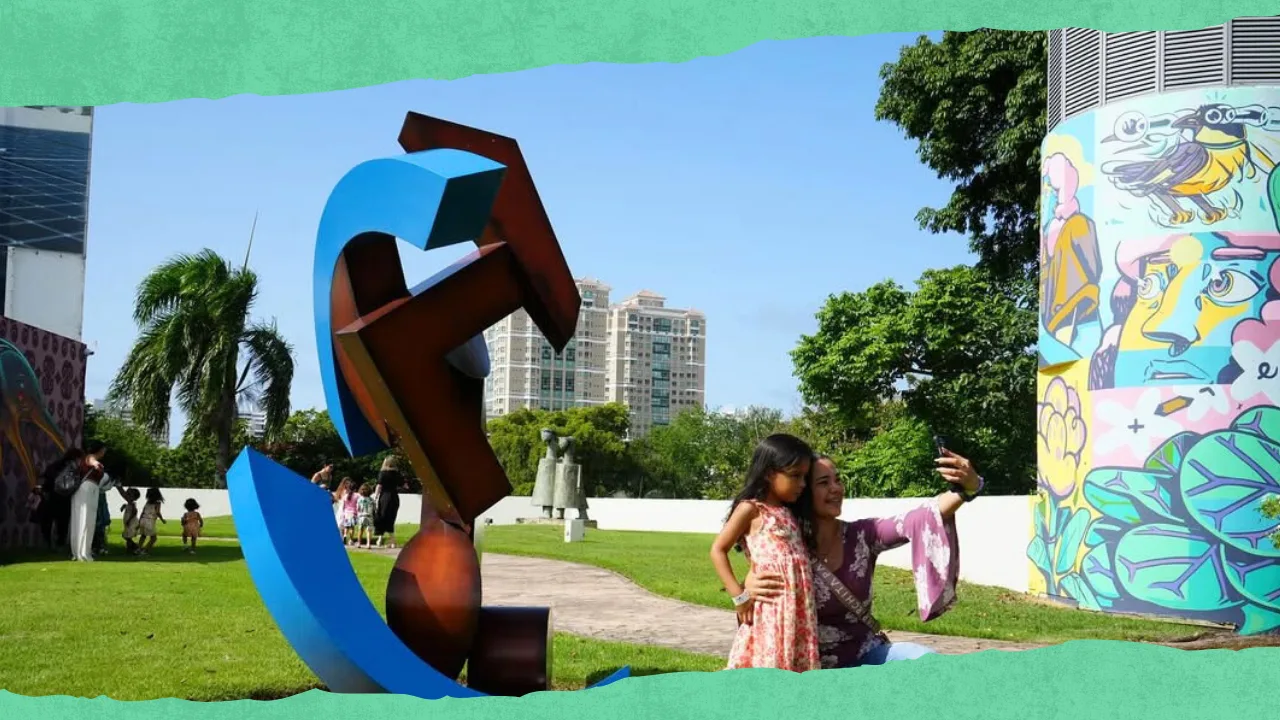
The MAPR holds works from the 17th century to the present, including Puerto Rican, Caribbean and Latin American art. Its sculpture garden offers a break from the bustle of Santurce. Admission is free on Thursdays from 5:00 p.m. to 8:00 p.m.
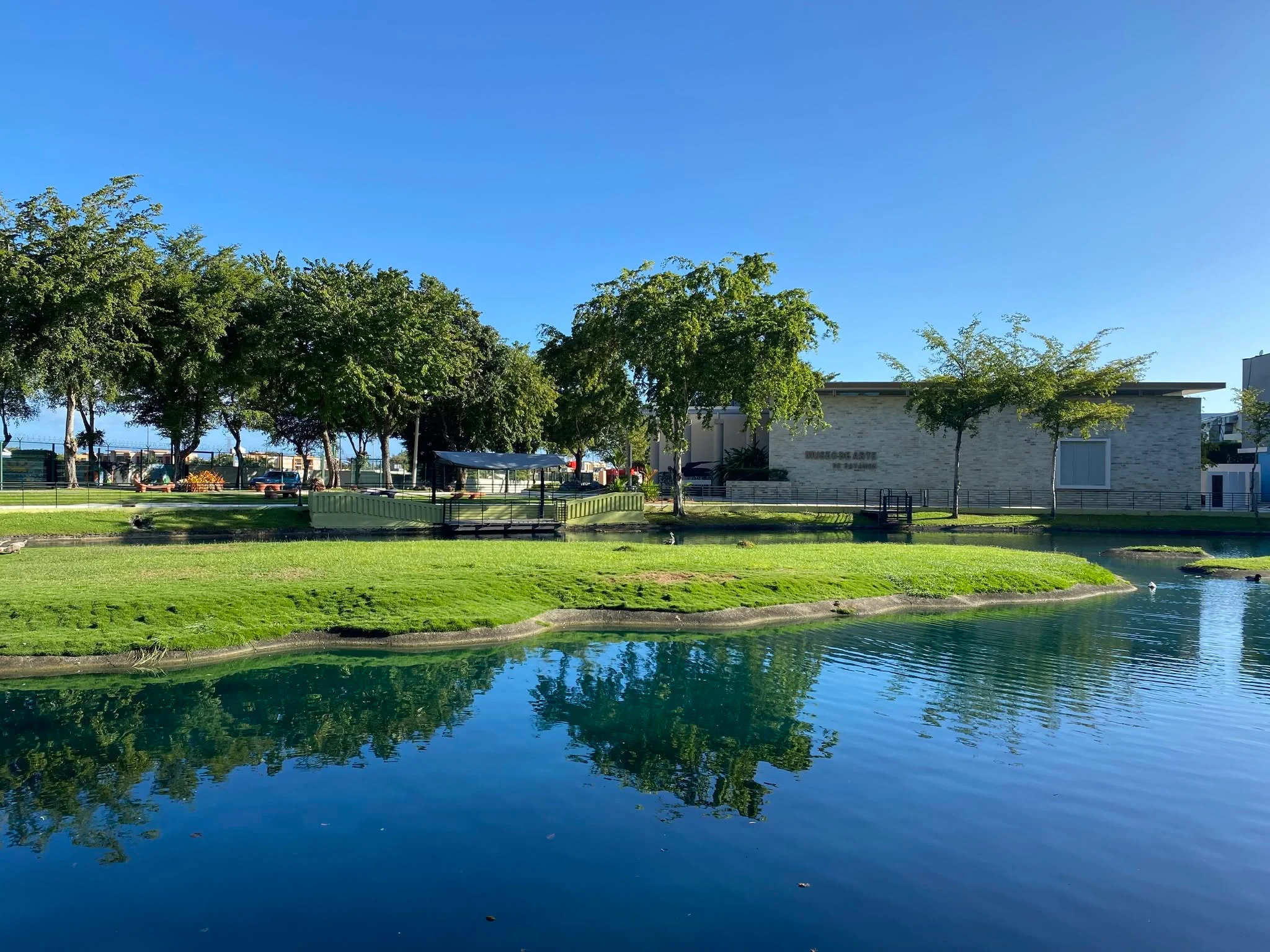
The MAB is a cultural space dedicated to Puerto Rican art from the 1950s to the present. With approximately seven permanent exhibition galleries plus one for temporary shows, it presents works by major masters such as Julio Rosado del Valle, Tomás Batista and Lorenzo Homar.
Its sculpture garden with views of the lake is a good place to relax after the tour.
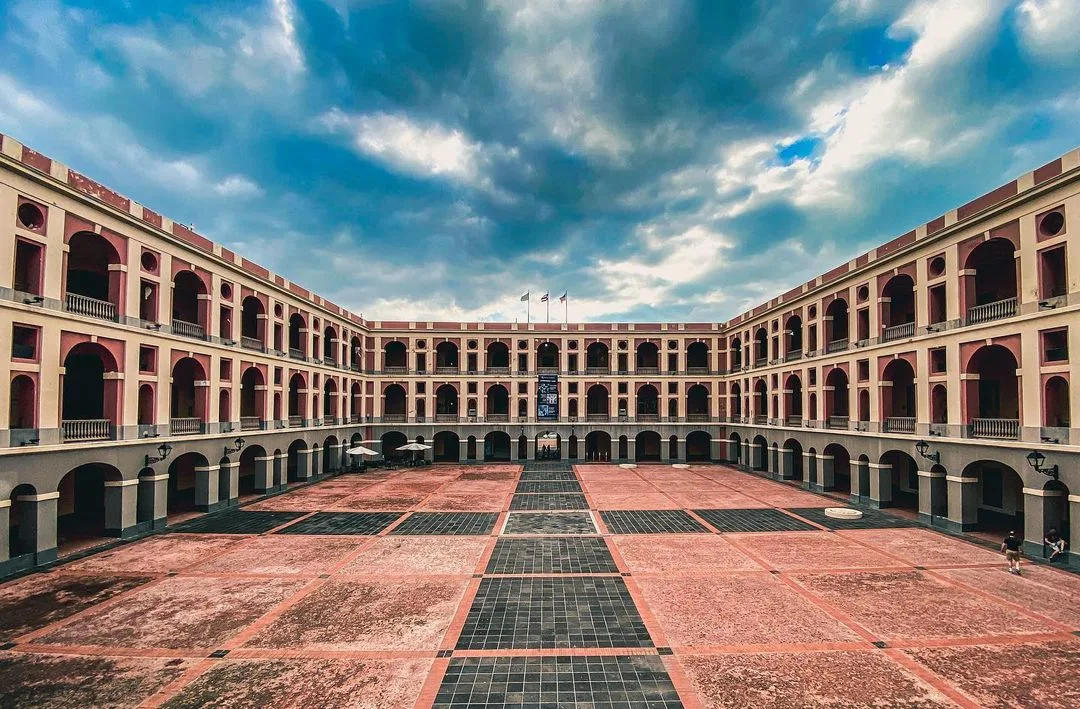
Open since 1992, the museum presents the history and culture of the American continent through four permanent exhibitions: Las Artes Populares en las Américas, La Herencia Africana, El Indígena de América, and Conquista y Colonización. Each gallery tells a distinct part of our formation as a people.
📍 West
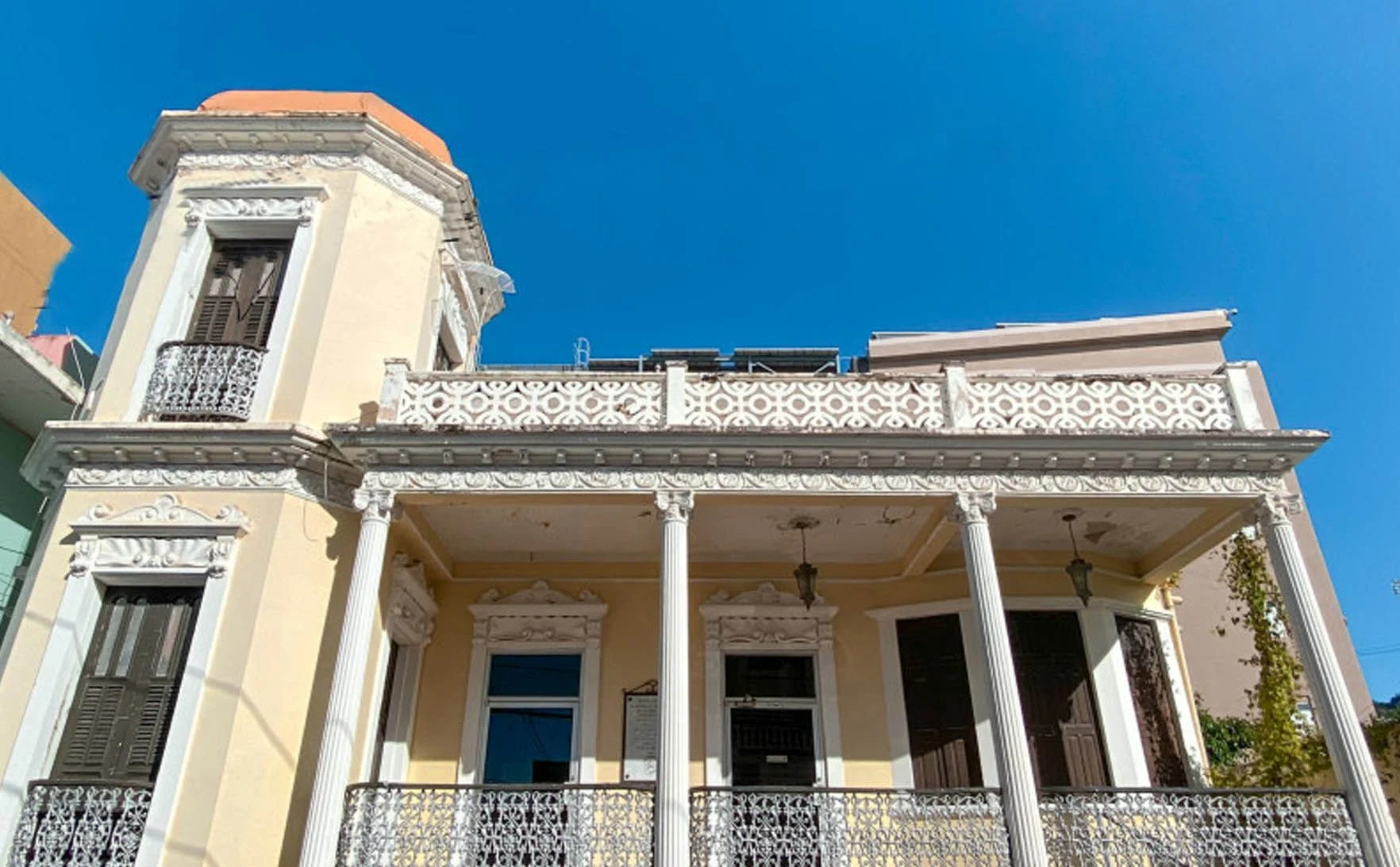
It is dedicated to preserving the cultural legacy of Aguadilla, bringing together artistic works by Puerto Rican creators from the local area and across the Island. It has six permanent exhibition spaces organized by themes and media connected to the town of Aguadilla and its artists, including an area for sculptures and saint carvings, one for landscapes and another for abstract art.
The organization has also focused on spreading and encouraging art among young people through workshops and classes in various artistic techniques.

Built in 1606 by Dominican monks, Porta Coeli is the second-oldest church in Puerto Rico. Its collection includes religious art dating to 1607 and colonial Mexican painting. The Instituto de Cultura Puertorriqueña administers this space of more than 400 years.
If you know the Festival de la Hamaca, then you understand that San Sebastián is the origin of that celebration. This space, located in the historic downtown, traces the historical evolution of the hammock from pre-Columbian times to the present.
The space holds various types of hammocks, made with vibrant textiles, distinctive designs and varied dimensions. Learn how maguey becomes the perfect refuge for rest.
📍 Center
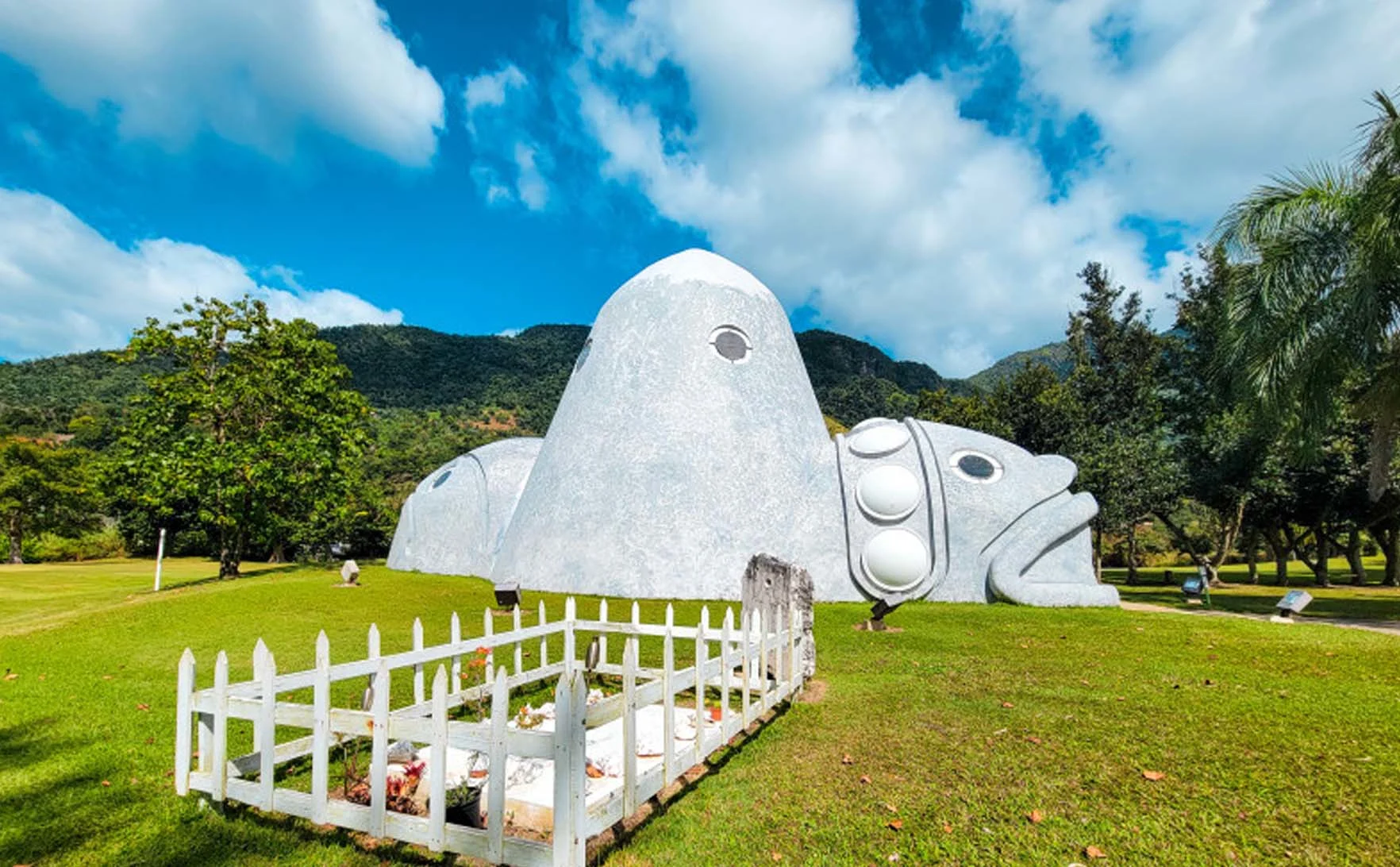
Two museums share the same grounds in the barrio Coabey. El Cemí preserves an extraordinary collection of Taíno artifacts. Casa Canales, built in the late 19th century, belonged to the first mayor of Jayuya, Don Rosario Canales Quintero. The restoration respects every detail of the traditional Creole architecture.
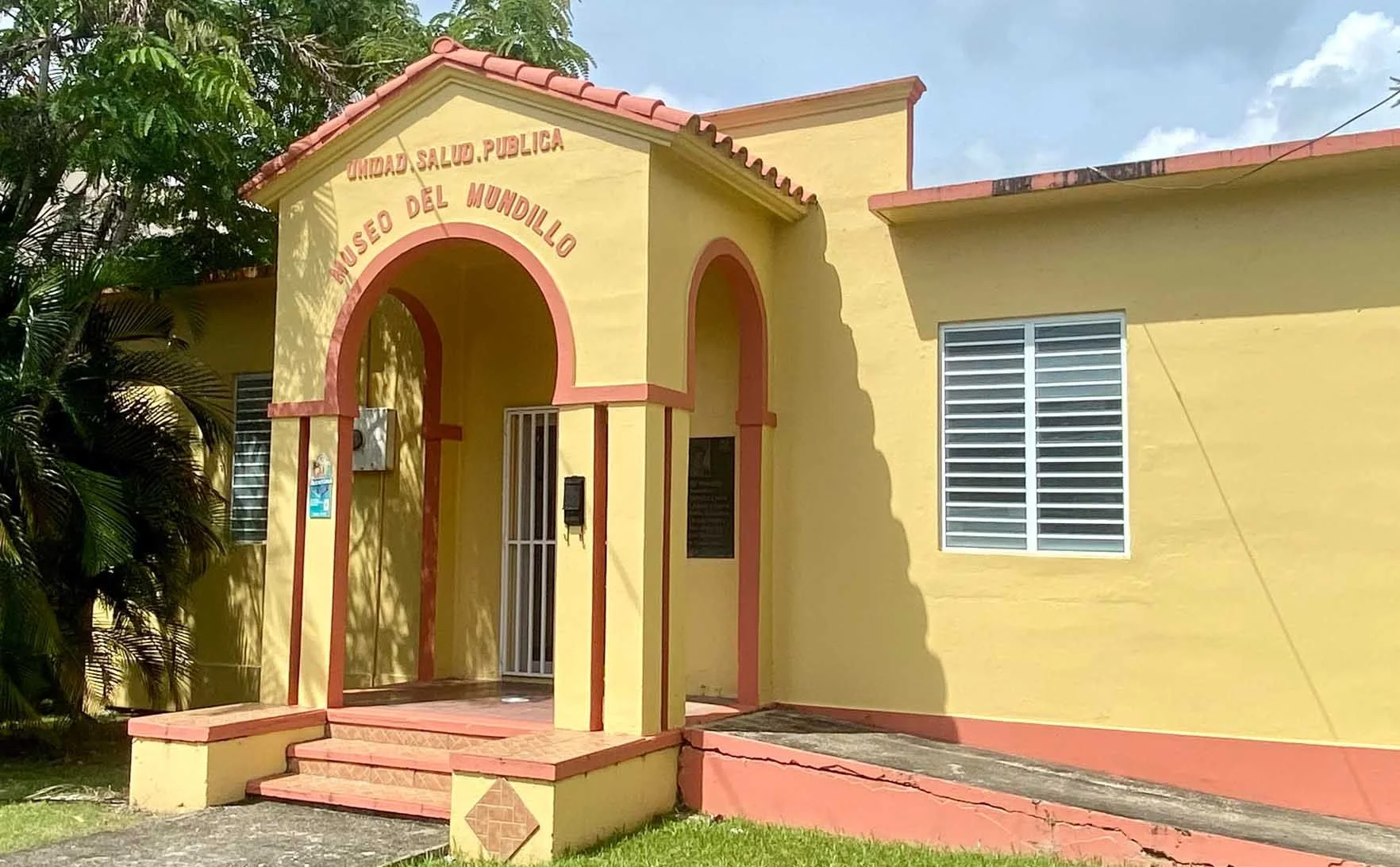
Located in Moca, this museum aims to preserve the history of the development of mundillo lace. It holds an exclusive exhibition of mundillo works including dresses, sheets, handkerchiefs, bookmarks and more. It also offers workshops for all ages.
For more information, you can call (787) 877-3815 or visit the museum's official page on Facebook.
📍 East
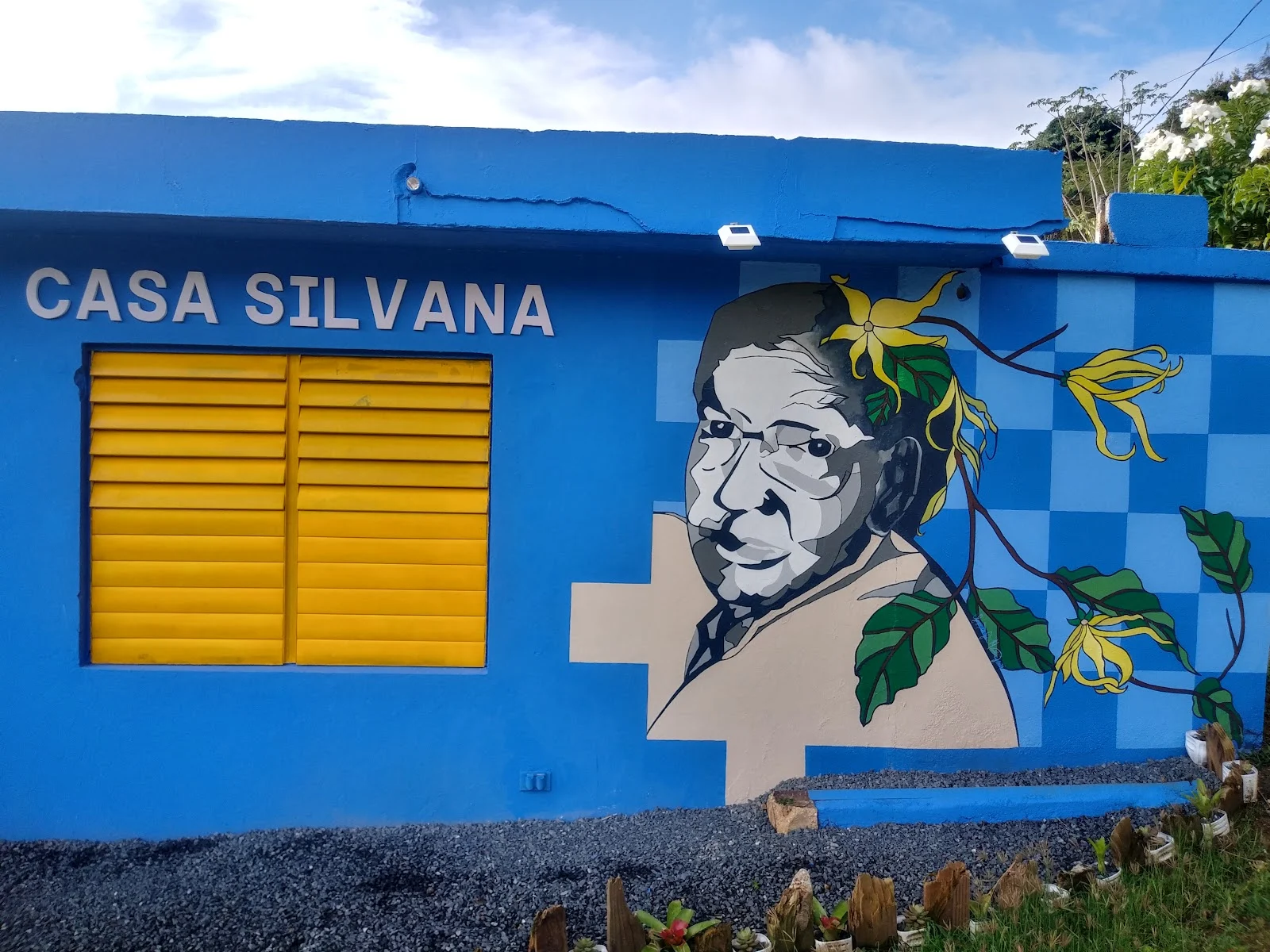
An independent micromuseum specializing in Afro-Puerto Rican and Afro-descendant art. It was established in 2021 in a house built in the 1960s that belonged to the family of artist and curator Edwin Velázquez Collazo in the barrio Mambiche of Humacao.
The cultural space evolved into an art library by Afro-descendant creators, with 24 solo exhibitions and 6 large group shows, highlighting collections of combs, stamps, prints and postcards.
📍 South
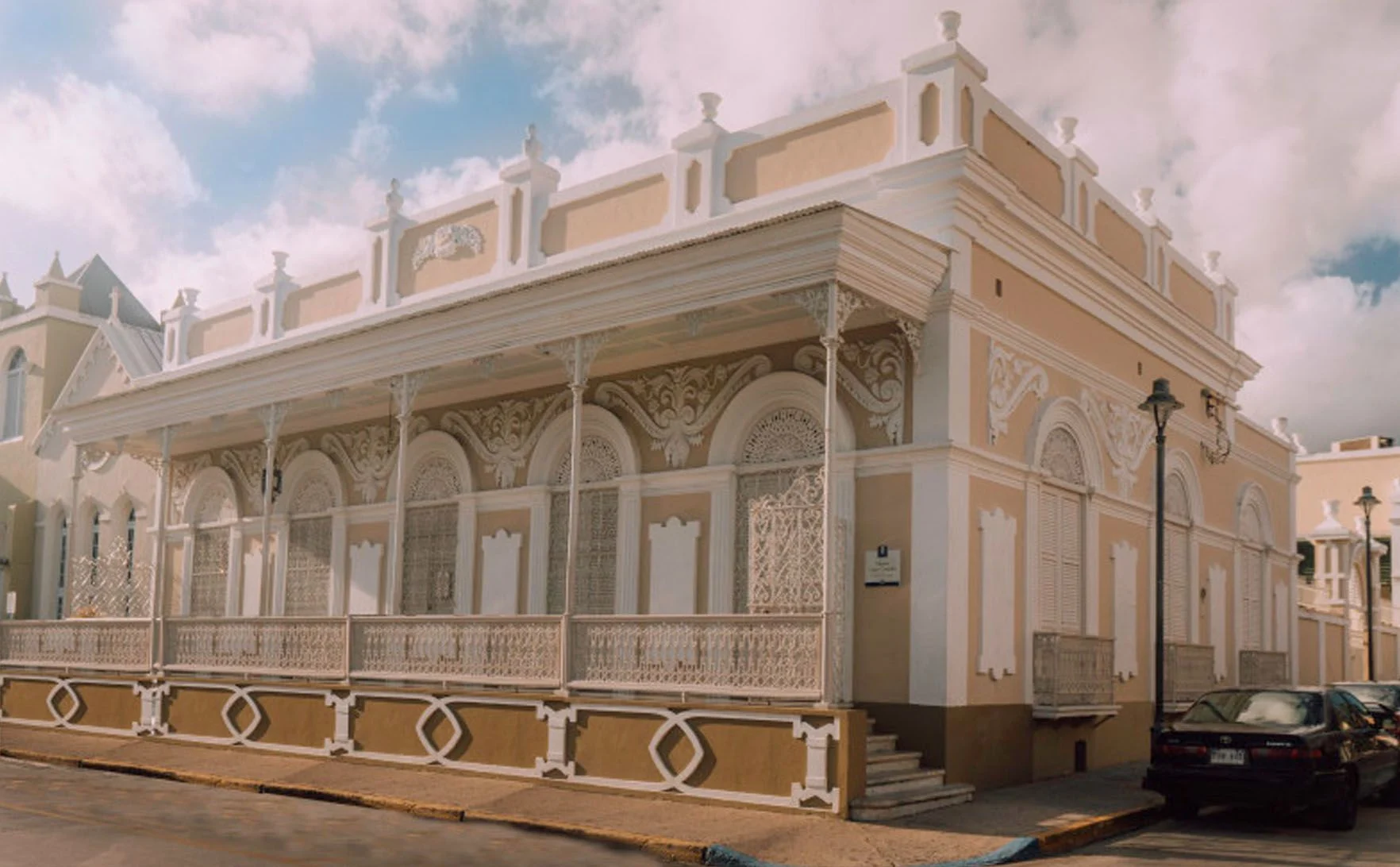
Built between 1882 and 1887, Casa Cautiño housed multiple generations of the family that gives the museum its name. Its permanent art collection offers a window into the life of Guayama's upper class in the 19th century, in the "Ciudad Bruja."
Museo Parque de Bombas
One of the most photographed buildings in Ponce began as an exhibition pavilion in 1882 before becoming the official fire station in 1885. Today it displays antique equipment, uniforms, portable water tanks and the fire truck of La Ciudad Señorial (as Ponce is known).
This content was translated with the assistance of Artificial Intelligence (AI).