Cabo Rojo takes its name from the reddish color of its cliffs and salt flats. It is known as "La Cuna de Betances" and "La Cuna de Cofresí," nicknames that speak to centuries of history and two figures as famous as they are controversial: physician and revolutionary Ramón Emeterio Betances and the celebrated Caribbean corsair and pirate Roberto Cofresí y Ramírez de Arellano.
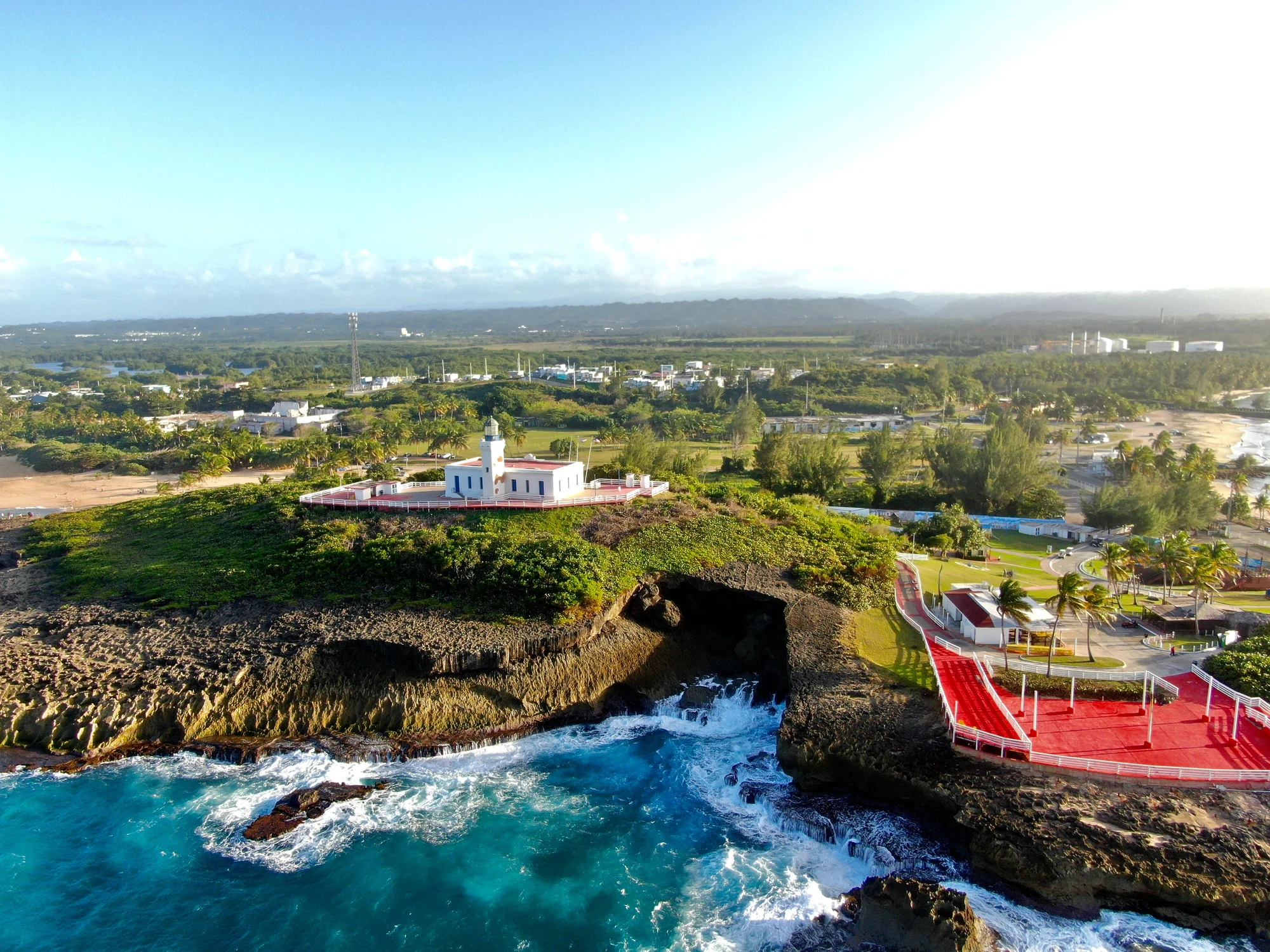
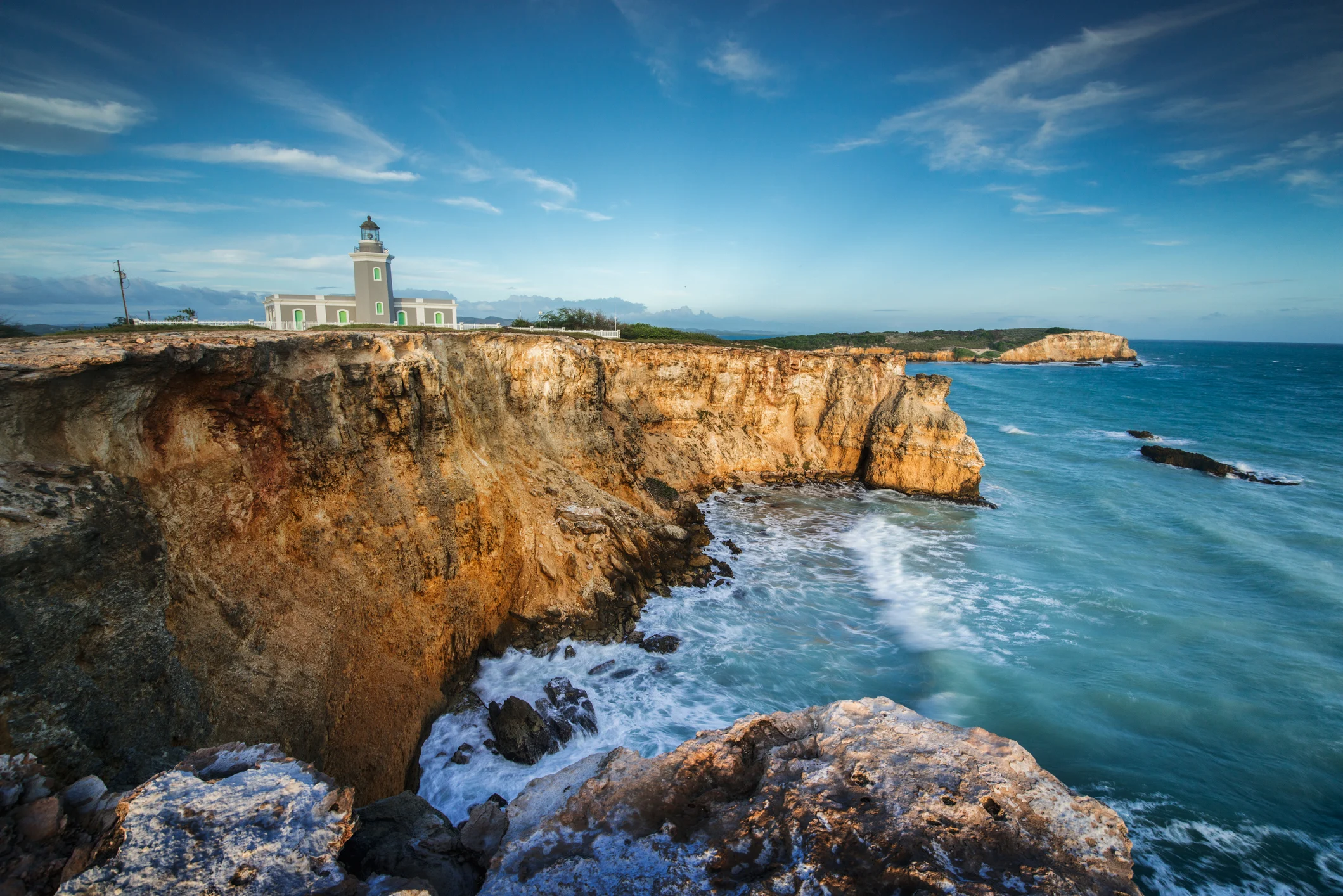
But beyond its nicknames and its history, Cabo Rojo is the municipality with the longest coastline in Puerto Rico, with more than 27 miles running from Lajas to Mayagüez, beaches such as Combate, Boquerón and Playa Sucia, and the Faro de Los Morrillos.
Adriana Toro, a doula from Cabo Rojo who is 38 years old, told us her town's spots so you can do the road trip like a local.
🦞 Where to Eat
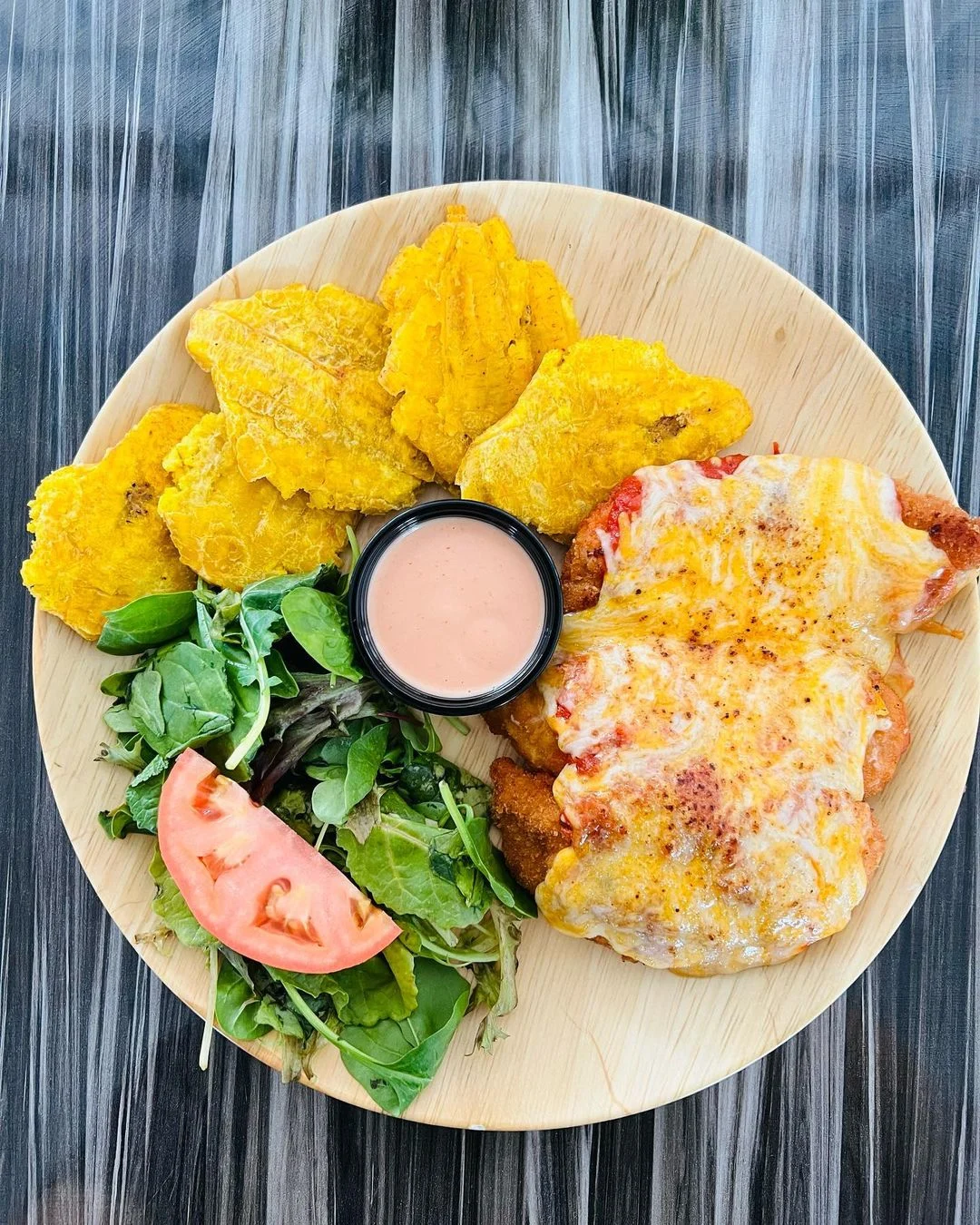
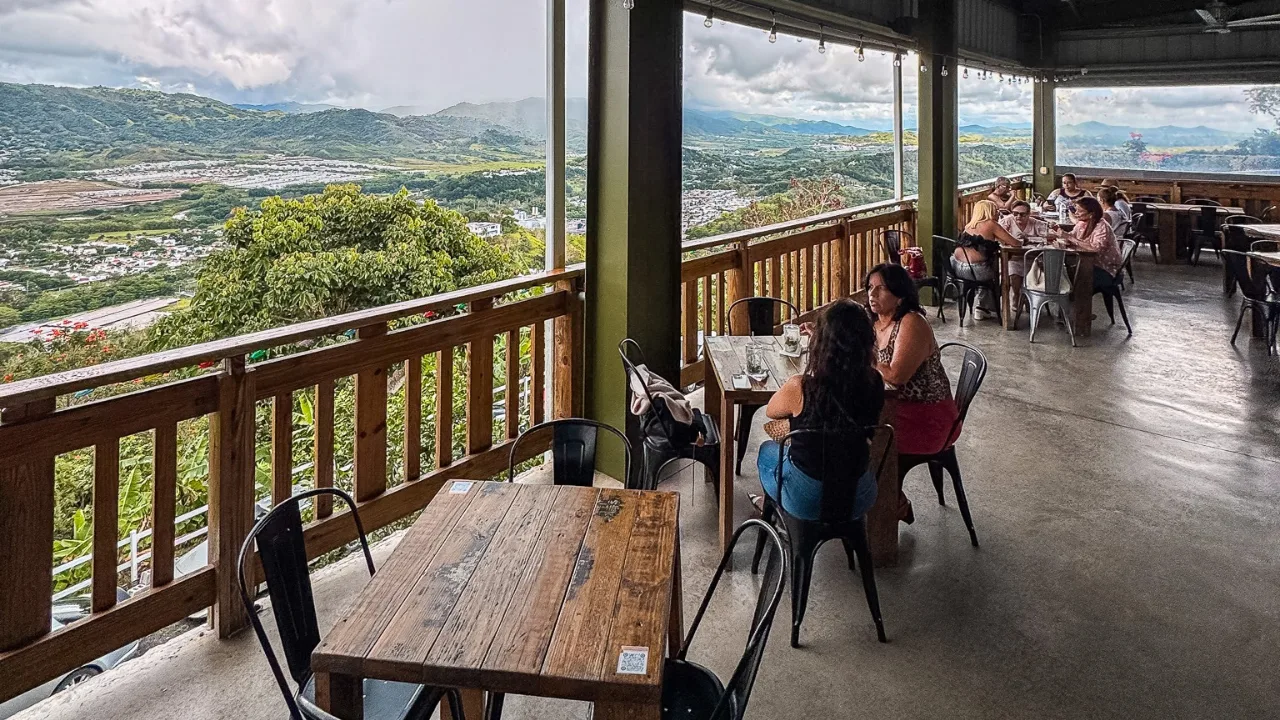
Known for its mojitos, it is recommended for watching the sunset with a cocktail in hand. It has tables facing the sea, a menu of Puerto Rican food with options such as mofongo with seafood and local craft beers. It has a beach vibe with sea-themed décor.
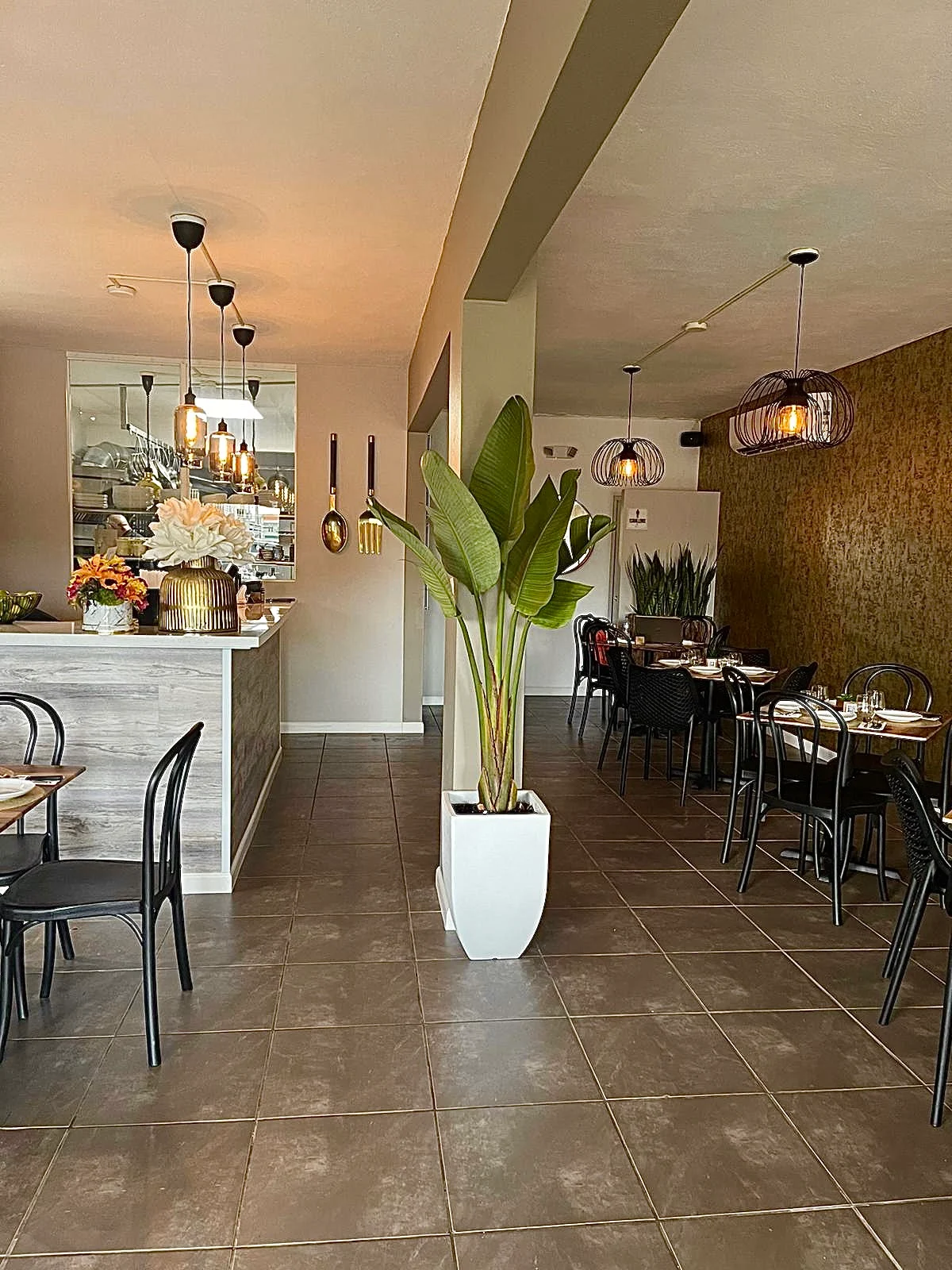
Located a minute from the town of Boquerón, it specializes in fresh catch and chef-driven dishes such as churrasco with risotto and pad thai gnocchi. A more formal option for a special lunch or dinner near the sea, with a terrace and a wide wine selection.
Brisas del Mar
Family restaurant founded in 1960 by Geraldo Valle and Antonia "Toñita" Franqui inside Bahía de Puerto Real. Specializing in fresh fish, its menu includes lobster, red snapper, grouper, trunkfish and fish broth prepared with the founder's recipes.
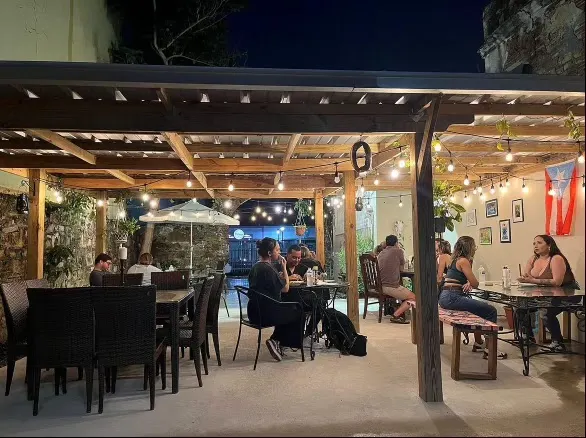
Food truck open Wednesday through Saturday from 4 to 9 p.m., inspired by the music of Gustavo Cerati and with a menu of creative sandwiches and burgers such as the Veggiesaurio, a chickpea burger with roasted pepper aioli, and the Marea de Venus, a toast with roasted garlic cream, avocado and cheese. They also offer vegetarian options, mocktails and, occasionally, live music.
🌊 Things to Do
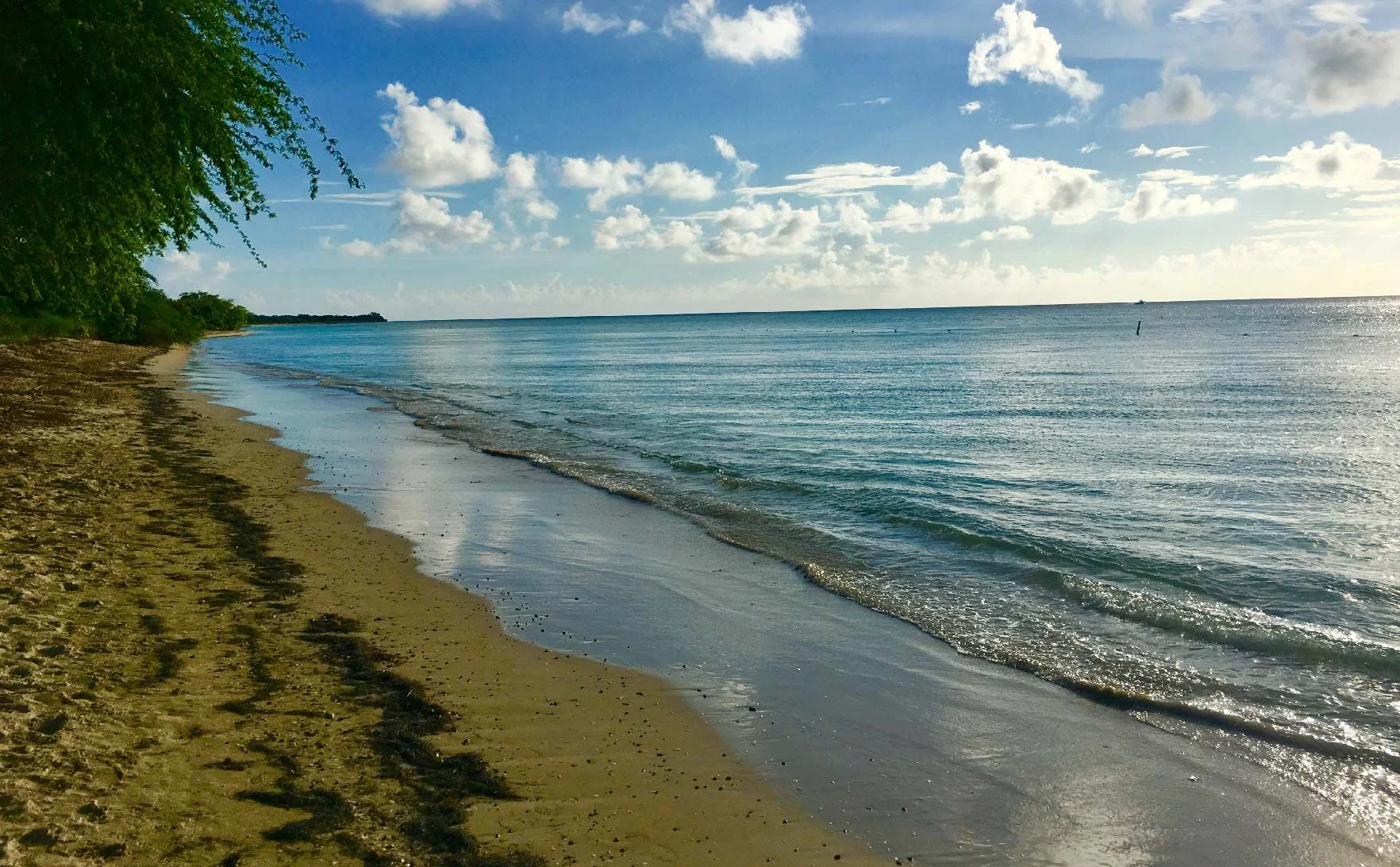
Located within Bosque Estatal de Boquerón, it is known for its calm waters and nearby reefs, ideal for snorkeling. Along the coast there are restaurants where you can eat fresh without straying from the sea.
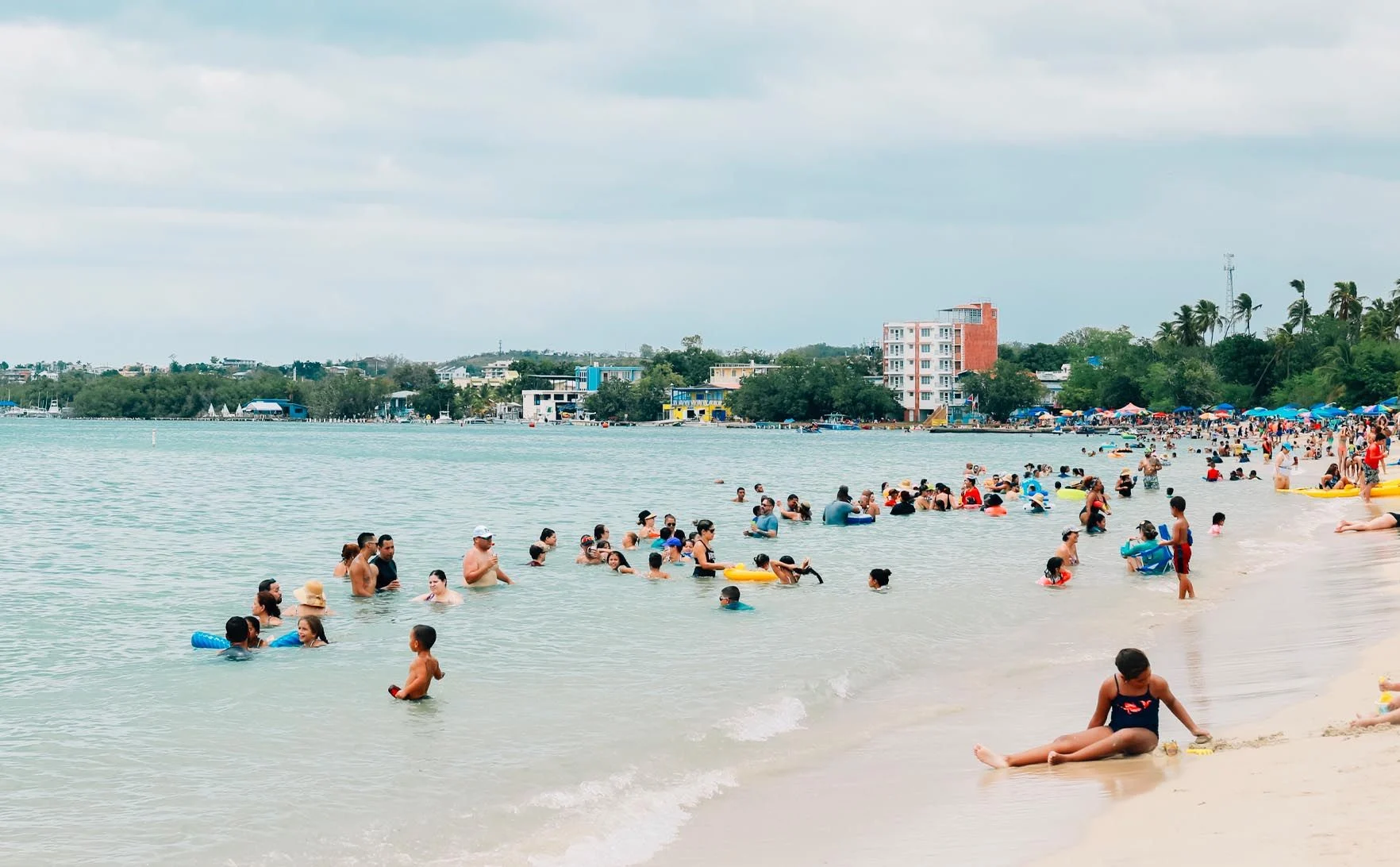
Playa Buyé
Accessed via highway PR-307, it is characterized by calm Caribbean Sea waters with no strong currents. It has a picnic area, restrooms, a restaurant and cabins for rent.
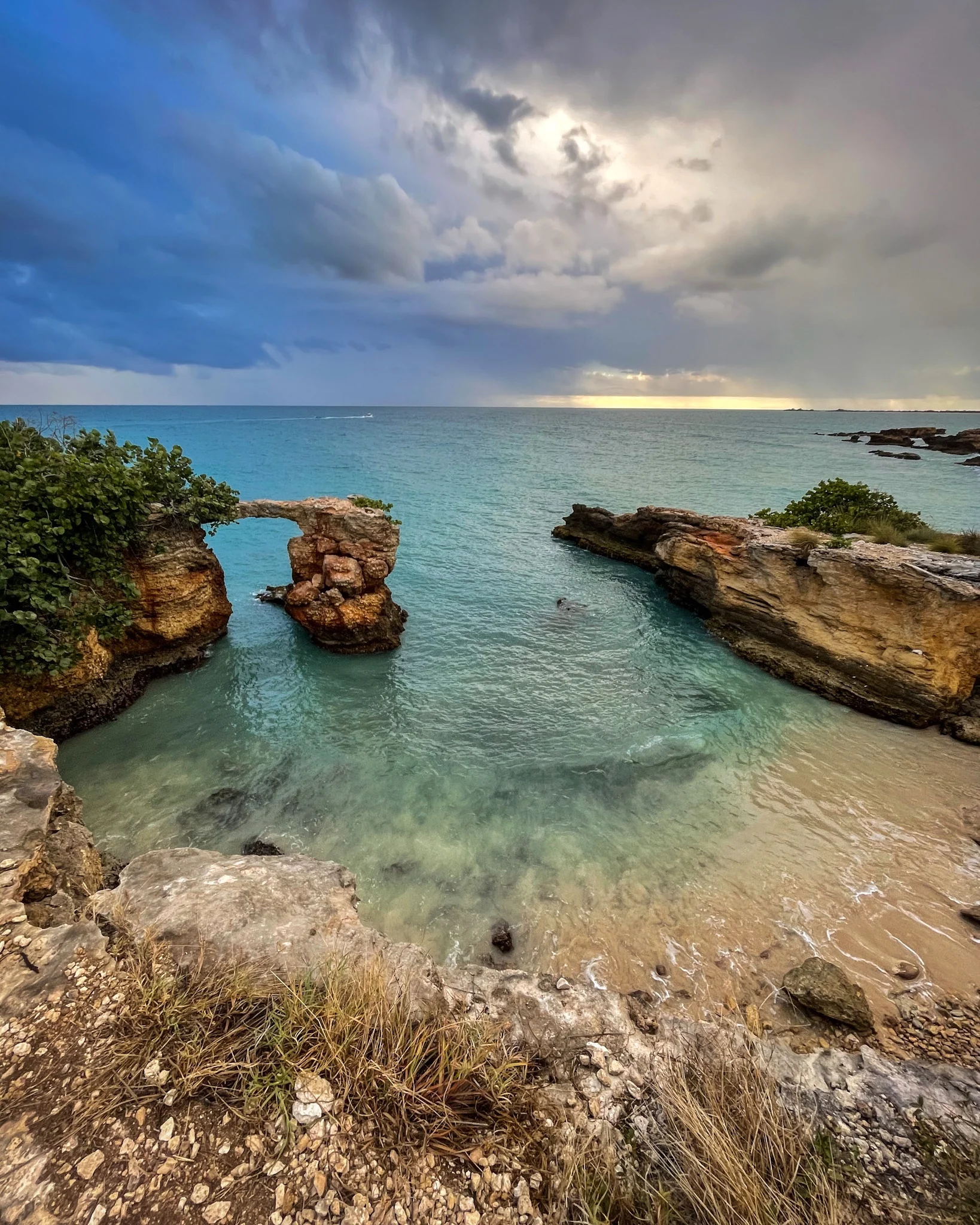
Undeveloped beach located between Boquerón and Combate, off highway 3301, with calm, shallow waters. Camping, barbecuing and water activities such as diving, snorkeling and kayaking are all permitted.
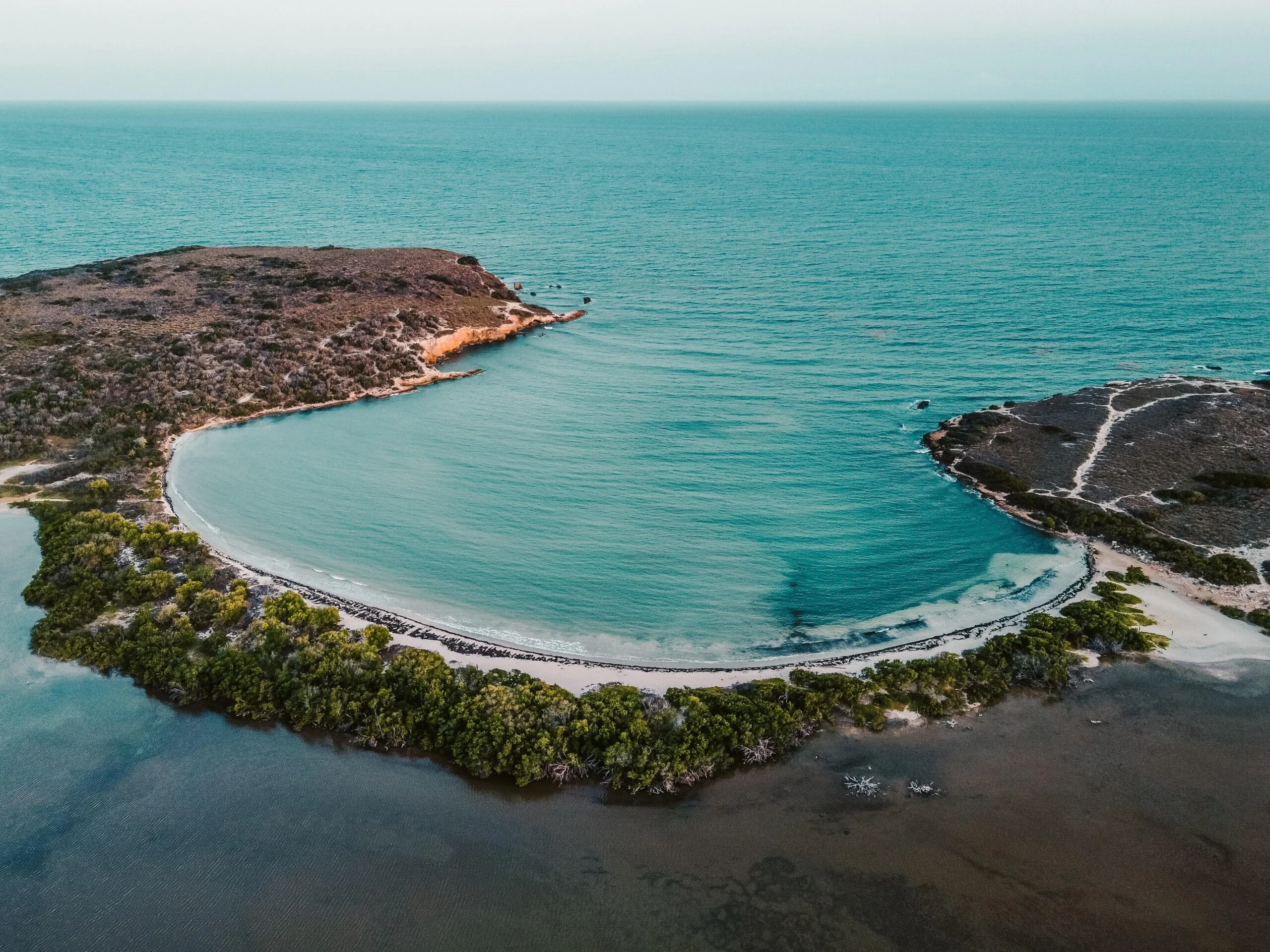
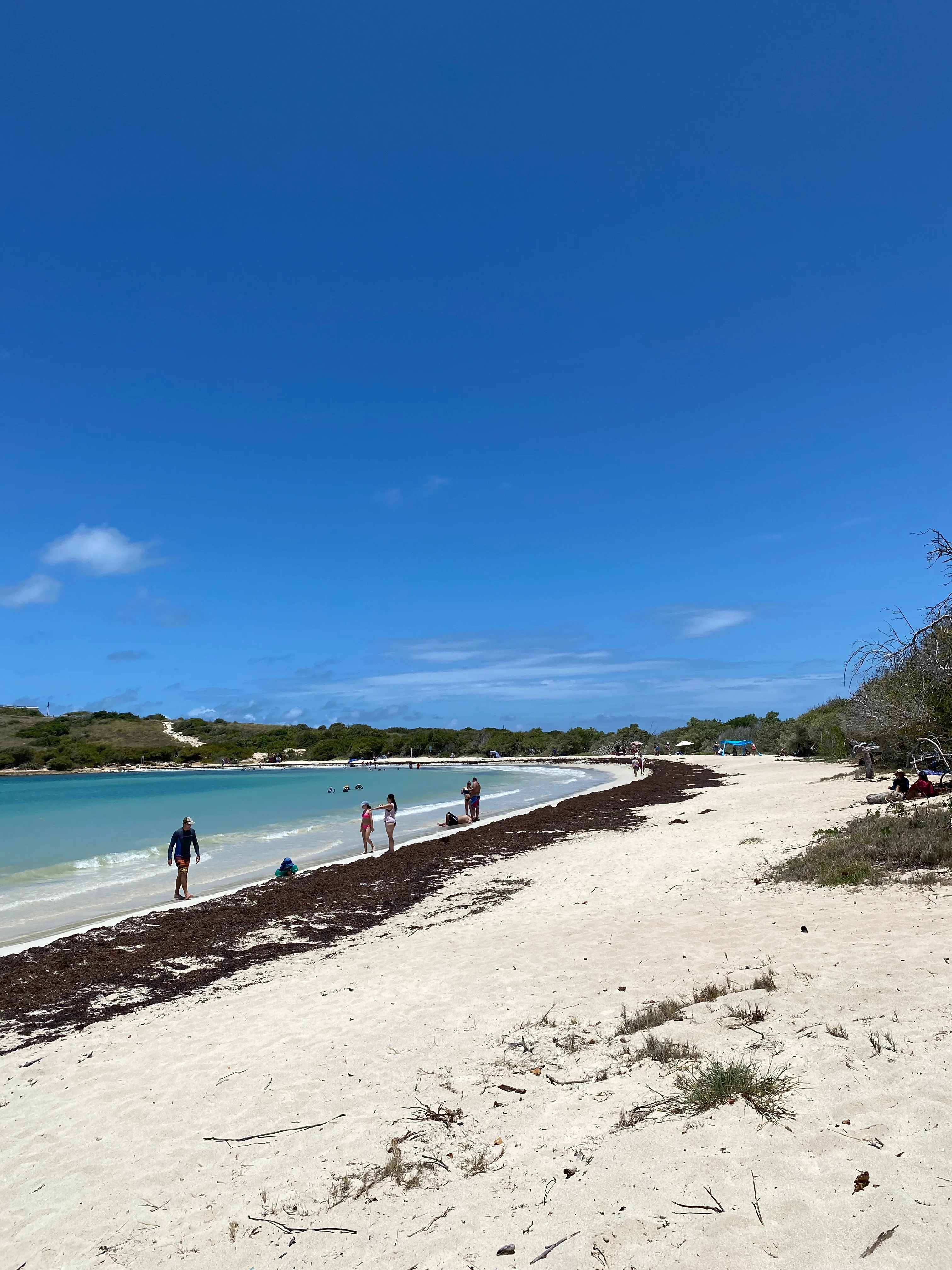
It is part of the Cabo Rojo National Wildlife Refuge and has no hotels or businesses on the waterfront. It is located steps from the Faro de Los Morrillos and is accessed by a dirt road.
Built in 1908, the train tunnel was in service until approximately 1956, when railroad operations in Cabo Rojo ended. It was used to transport sugarcane and is carved into a rocky hill, with cliffs on both sides of the path leading to it. Access requires a short walk from highway PR-307, km 5.0.
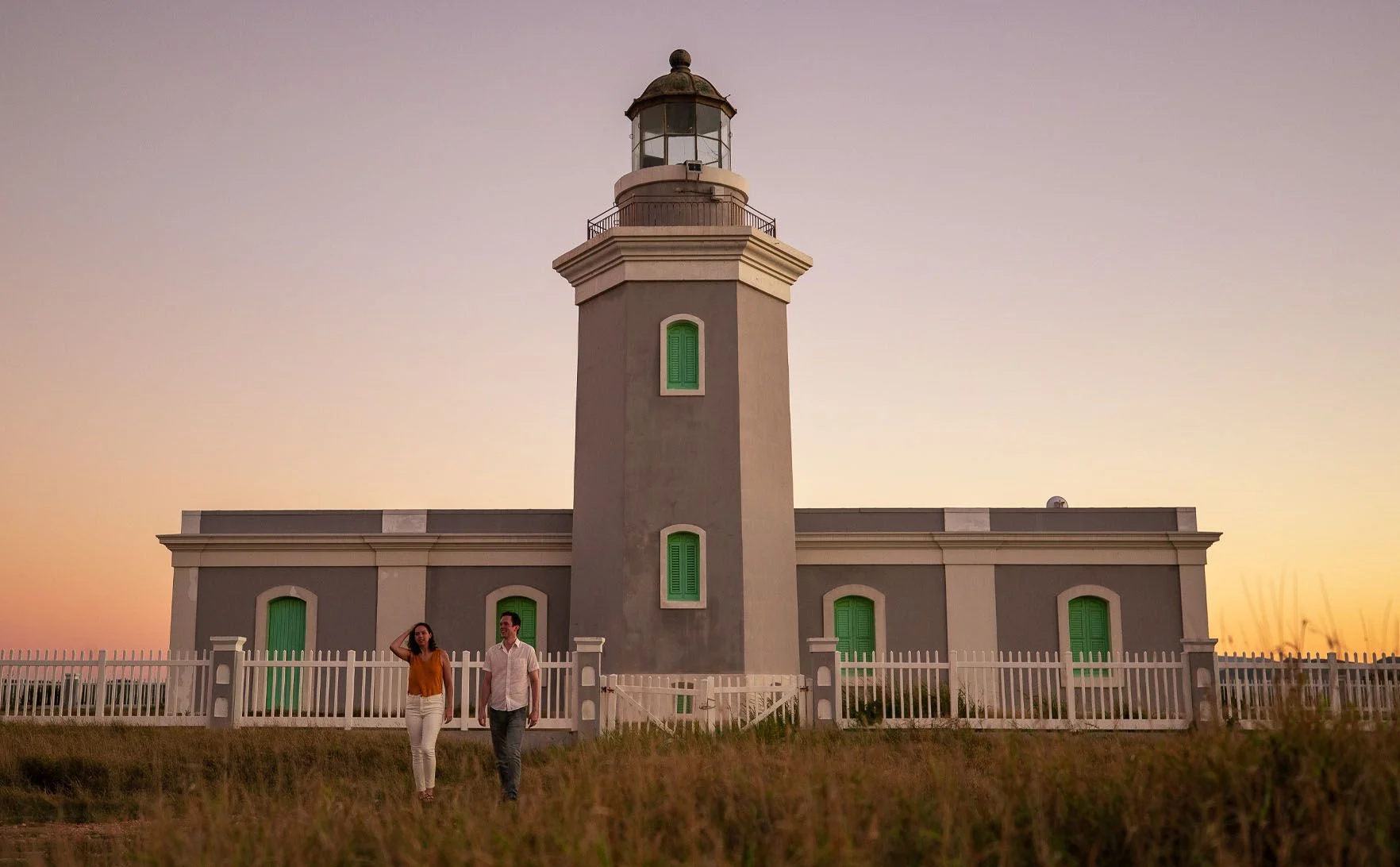
It is a neoclassical structure. It was added to the National Register of Historic Places on Oct. 22, 1981. It is located at the end of highway 301, in the Llanos Costa sector, steps from Playa Sucia.
This content was translated with the assistance of Artificial Intelligence (AI).