What You Should Know About Whale Season in Puerto Rico
Whale season in Puerto Rico runs from late October through early April, but there is a greater chance of spotting them in mid-February.
The reason these marine mammals, known as cetaceans, frequent our waters during this season is that they migrate from the cold waters of the western Atlantic Ocean to the warm temperatures of the Caribbean to mate and give birth.
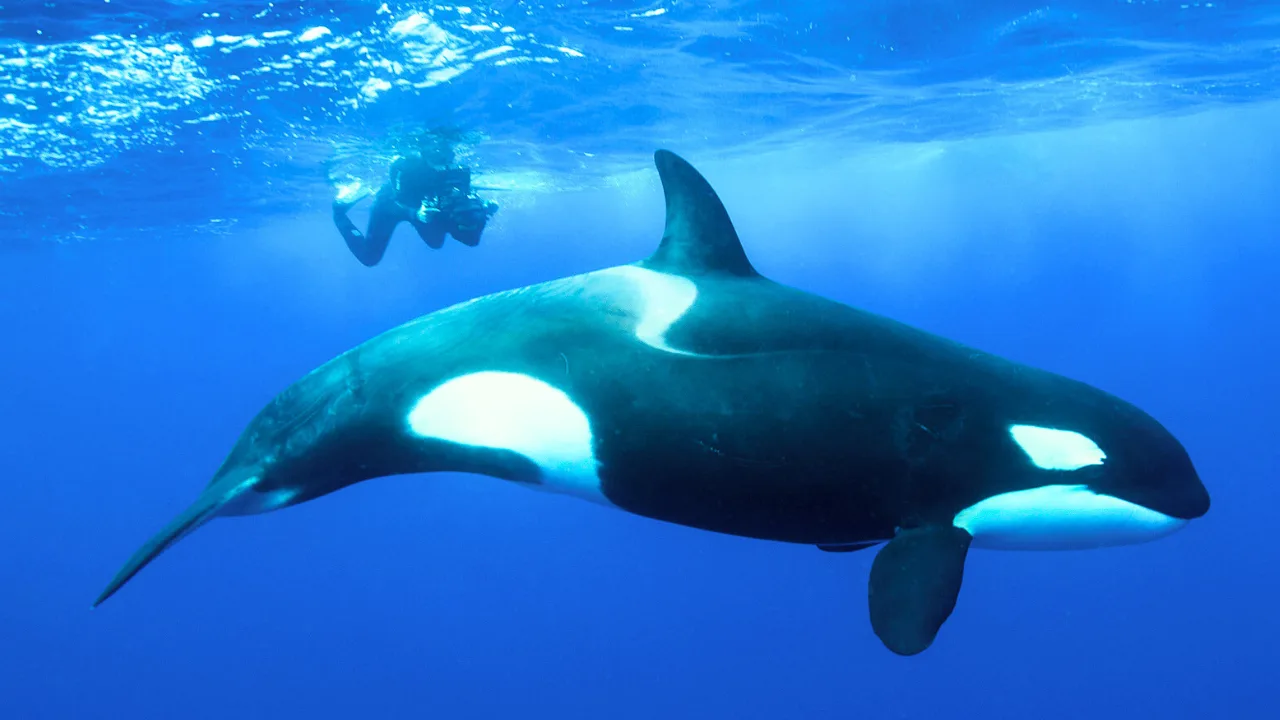
Some of the most common whales seen in our waters are humpbacks, pilot whales, minke whales, and orcas, as some fishermen recently discovered in the waters between Aguadilla and Isabela. (Watch the video here!)
"The whale we are most likely to spot in Puerto Rico is the humpback," explained marine biologist Giovanni Guzmán. Male humpback whales generally tend to leap out of the water and slap their fins forcefully as a mating act to attract females, creating a remarkable display for onlookers in the process.
Although orcas were spotted off the northwest coast in January of this year, due to climate change and warming waters, no humpback whale sightings have been reported yet, according to Grisel Rodríguez Ferrer, biologist with the Marine Mammal Rescue Program of the El Nuevo Día-cited Departamento de Recursos Naturales y Ambientales (DRNA).
"Before, they would arrive [in Puerto Rico] between November and December. Because of global warming, it's being pushed a little later, and now it's January or February. That is happening," Guzmán said.
Where You Can Watch
The municipalities most likely to receive these mammals are those along the northwest and west coasts of the island, such as Rincón, Aguadilla and Isabela.
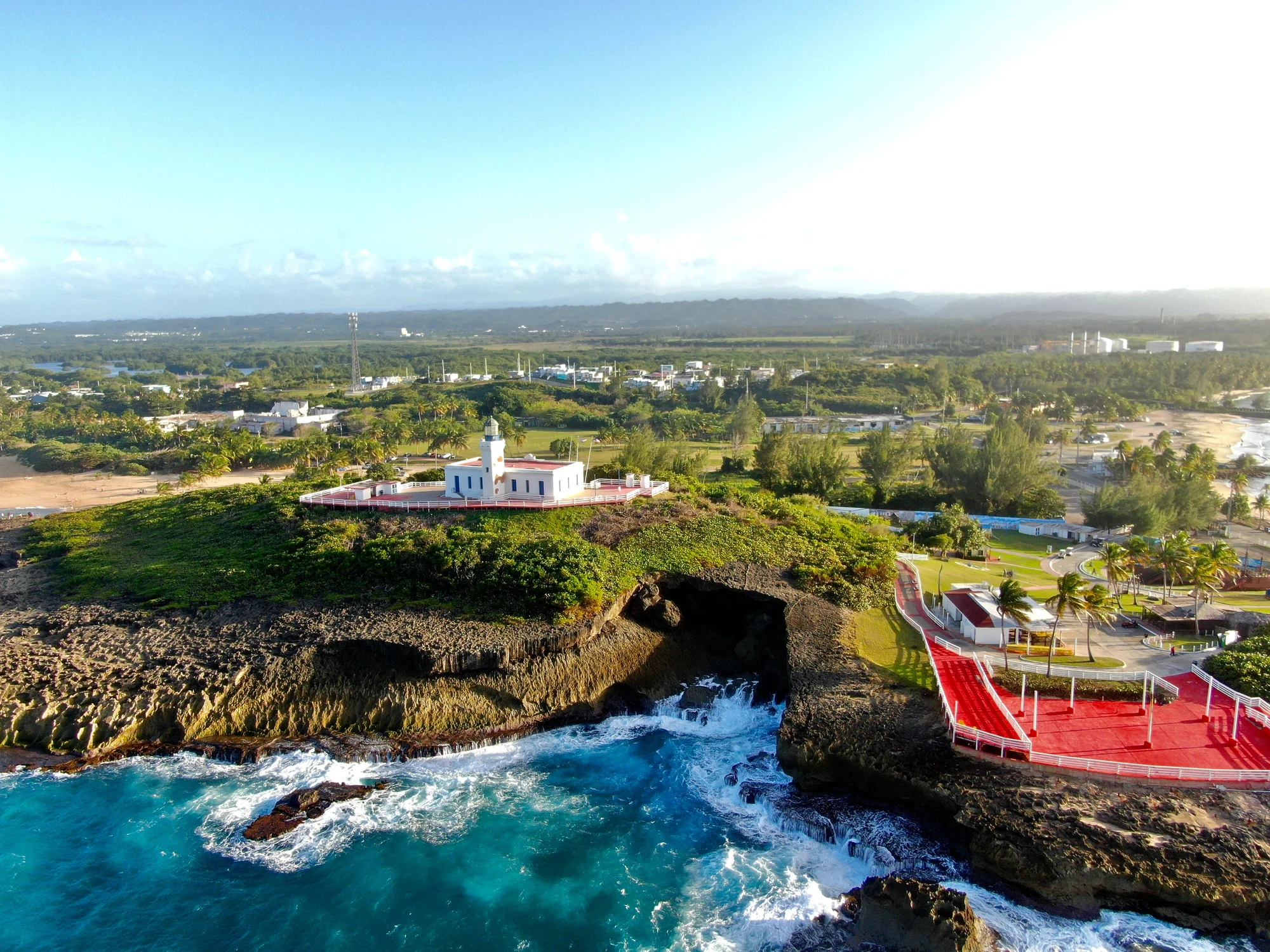
The preferred spot to watch the whales, however, is el Faro de Rincón at sunset. "If you go there [to el Faro de Rincón] in mid-February for two or three hours, the chances of seeing them will be very high," Guzmán said.
What to Do If You Encounter Whales at Sea
The biologist explained what to do if we come across whales in open water, stressing that the most important thing is to "never change course, or the direction the whale is heading."
A minimum distance of 100 meters must be kept between the vessel and the animal, and if you are swimming in the water you may not approach a whale within 50 meters, as specified by DRNA regulation 6766, Article 5, section 5.05.
On Jan. 15, 2024, a group of fishermen encountered orca whales in the waters off Aguadilla, and according to Guzmán, they followed all the required protocols to ensure the protection of the species. They turned off their engines near the whales, tried to move away from the orcas to avoid blocking their path, and reported the encounter immediately.
In fact, there is speculation that this whale species is more present in our waters than records suggest, but sightings are not reported frequently.
The first reported orca sighting in Puerto Rico was in 2010, and since then their presence in the Caribbean has been growing. Notably, orcas are considered the most widely distributed mammal in the world after humans, and are found in every ocean.
Marine Biodiversity Education in Puerto Rico
Giovanni Guzmán, 27, is a marine biologist from Cidra who currently works as an excursion guide in Puerto Rico's waters, offering people unique experiences through direct, fun and responsible interaction with marine life.
He earned his master's degree at James Cook University in Queensland, Australia, then returned to the Island to deepen his study of marine life in Puerto Rican waters. When he came back from Australia, he set himself a mission: spend a full year photographing and filming underwater around the Island and posting the results on social media, because "I saw these [internet] pages highlighting the beauty of Puerto Rico, and I never saw anything about marine life," he explained.
Through his digital platforms (Instagram: @giiovaguzman) and his project @blueskingspr, he aims to show "that we also have marine life here, and a lot of animals that people travel to other parts of the world to see." Guzmán's mission is to make the Puerto Rican community aware of the marine biodiversity that lives in our waters.
"I am a huge lover of Puerto Rico, way too much. I could go away for a year or two to do something, but I'd come back. Always, always, always," the biologist said.
This content was translated with the assistance of Artificial Intelligence (AI).