Proyecto ENLACE and the community enterprise Martín Peña Recicla work to reduce the buildup of debris and solid waste, promoting reuse and protecting the environment
There are people responsible, but identifying them is not easy. After dark, a truck will often stop on one of the dead-end streets near Caño Martín Peña, where poor lighting makes it harder to spot. In the darkness, it unloads a pile of debris illegally. For some, it is the easiest way to avoid paying to deposit waste at a landfill. For the community, it is a persistent problem that contaminates the surroundings, affects quality of life and can put the dredging process at risk.
"This is not necessarily a problem of people who, perhaps, throw out household trash, but of trucks that come and dump waste to avoid making the trip to the landfill or incurring costs," said Estrella Santiago Pérez, environmental affairs manager at the Corporación del Proyecto ENLACE del Caño Martín Peña.
In 2023, Proyecto ENLACE signed a contract with the Army Corps of Engineers to clean up debris and trash in the communities surrounding Caño Martín Peña, a canal that connects Laguna del Condado with Bahía de San Juan.
As a result, 18,800 tons of waste were removed, equivalent in weight to 2,682 African elephants, 83 Statues of Liberty or 522 garbage trucks.
"The African elephant is the largest elephant, which means a huge amount of debris and trash was collected. And that is just the surface, not counting the tires. The tires were relocated through Recursos Naturales, which has a tire collection program," said Santiago Pérez. "But it is a problem of enormous magnitude for the area we are in, and one that is not necessarily associated only with the people who live here. There are people, perhaps from outside, who bring trash and dump it in the area."
According to the manager, the purpose of the dredging at Caño Martín Peña, which began its second phase in September 2024 and will continue through 2031, is to improve water quality, restore the flow of the canal and preserve the history of life in San Juan. The community, however, does not want the canal dredged only to fill up with trash again. To prevent that, Proyecto ENLACE put in place several strategies, including legal measures.
Although the Departamento de Recursos Naturales (DRNA) typically administers public domain properties, Santiago Pérez pointed out that, in the case of the canal, they wanted to "ensure that there was community participation in the process of managing these properties and safeguarding against trash and illegal construction."
In response, in 2016 they signed a co-management agreement with the DRNA.
Through that agreement, community initiatives have emerged to educate residents and prevent trash from accumulating in the canal.
In addition, the corporation and the G-8 can address a complaint if a situation is identified that threatens the well-being of the area.
A 664-foot fence was also installed on calle 14 in Barrio Obrero Marina to block vehicle access to the canal and prevent debris from being dumped.
"This is not done to keep people from coming, because they can do that. It is to prevent trucks from arriving and dumping trash in the canal," said Santiago Pérez.
Martín Peña Recicla: a sustainable initiative
Out of the illegal dumping sites, Martín Peña Recicla emerged, a community enterprise launched in 2011 with the goal of eliminating that kind of dumping and generating a positive environmental impact through recycling.
The initiative aims not only to clean up Caño Martín Peña and its surroundings, but also to educate the community about the importance of proper solid waste management and to foster a culture of sustainability.
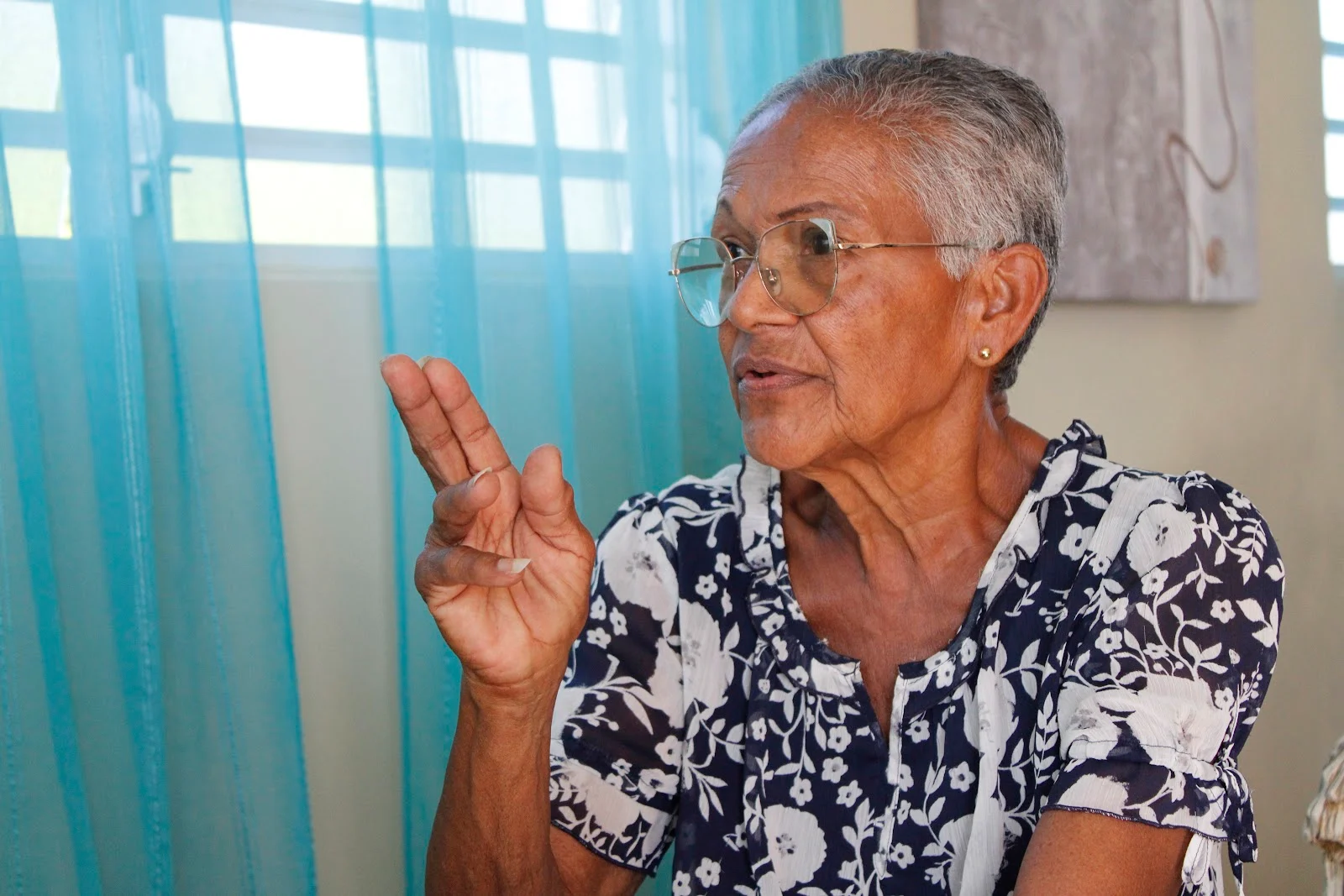
"One of the biggest challenges we face is getting people to understand, once and for all, that we all have to recycle, because it's not just well-being for you and me. It's well-being for everyone."
– Carmen Febres Alméstica, president of Martín Peña Recicla
Martín Peña Recicla started in an abandoned house on Calle 14 in Barrio Obrero, where a group of young people cleaned it out to turn it into a recycling warehouse. The project faced several challenges in its early days, but the participants eventually managed to buy the property, which now operates as a collection center for materials such as newspapers, cardboard, paper, aluminum and plastic.
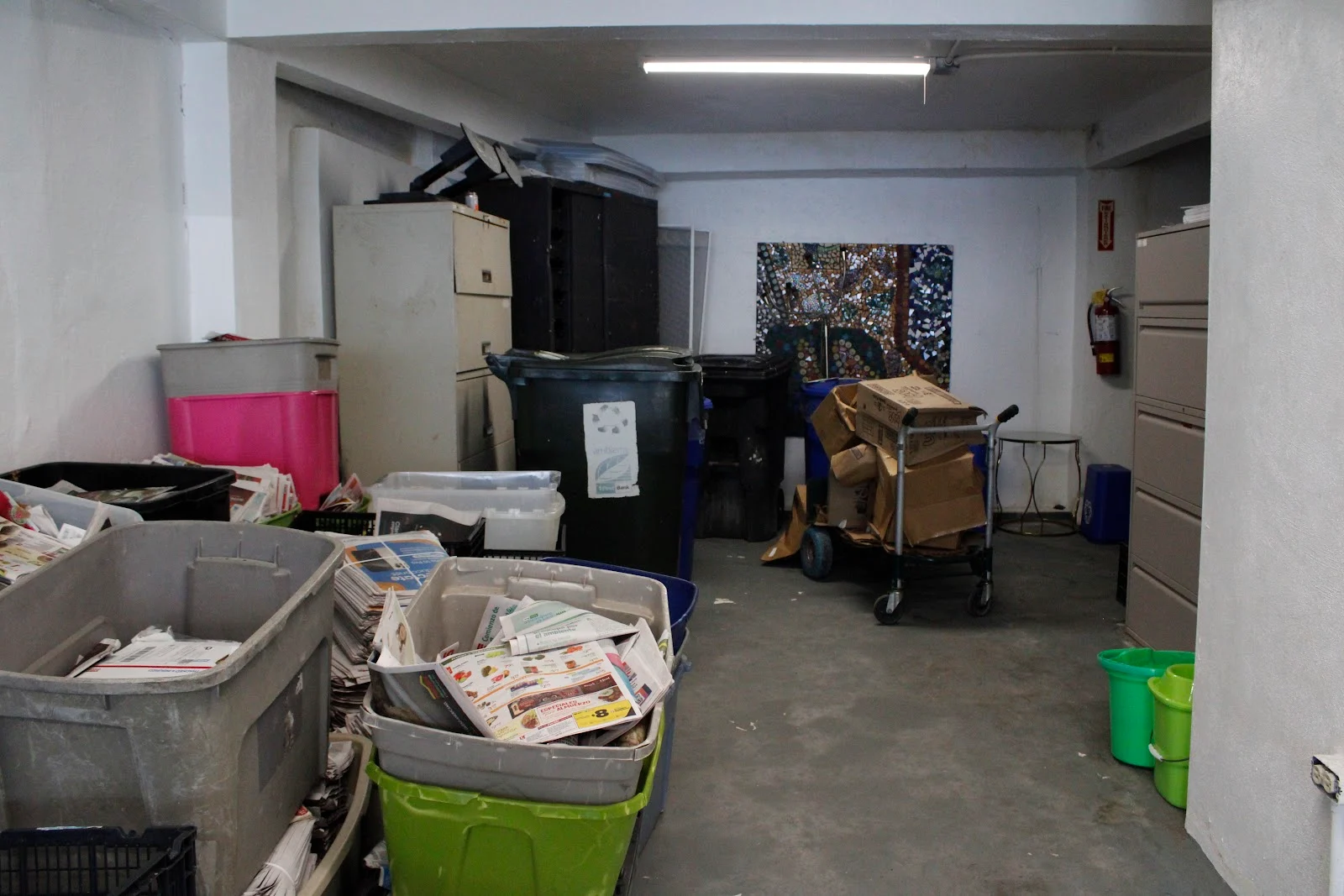
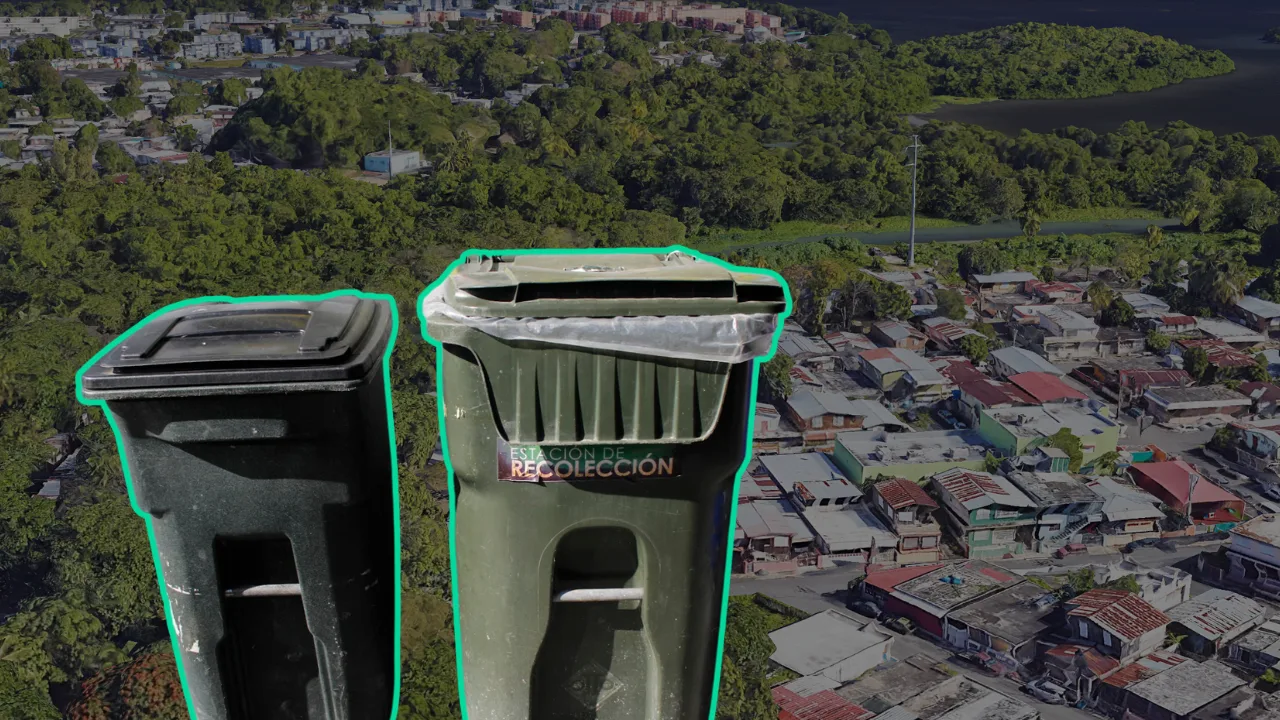
There is still work to be done, but Carmen pointed out that the community has learned to sort its waste and use the recycling bins.
"I find that it has improved, because the very fact that people have those containers and that plastic is picked up weekly is already progress. Maybe for others it isn't much, but just this month we have collected around a thousand pounds of plastic," Febres said.
Martín Peña Recicla continually focuses on educating the community about the importance of recycling, and recently opened a recycling club at Escuela Dr. Julio J. Henna, in Villa Palmeras. According to Carmen, what a child learns stays with them for the rest of their life.
"Our hopes are in the young people, that they keep working on what we have started. Eventually, people keep improving. But you have to keep educating constantly and carrying the message. You can't get tired of that", the president reflected.
This content was translated with the assistance of Artificial Intelligence (AI).