PlateaPR presents what the candidates propose on climate change, education, energy and mental health.
Seven days before the general election, PlateaPR presents a summary of the gubernatorial candidates' proposals on climate change, education, energy and mental health.
We selected these topics because climate action, quality of life and the University of Puerto Rico (UPR) system are among the issues that matter most to young people, according to the Agenda de Juventudes, covered in the Mentes Puertorriqueñas en Acción (MAP) report.
The proposals summarized here are drawn from the government platforms published on the official pages of the following candidates: Jenniffer González Colón, of the Partido Nuevo Progresista (PNP), Juan Dalmau Ramírez, of the Alianza de País (Partido Independentista Puertorriqueño and Movimiento Victoria Ciudadana), Jesús Manuel Ortiz González, of the Partido Popular Democrático (PPD), and Javier Jiménez Pérez, of Proyecto Dignidad (PD).
The candidates are ordered in the following tables according to the Gaither International poll for El Vocero, Wapa TV and WKAQ, and La Encuesta de El Nuevo Día.,
Climate change
Jenniffer González Colón
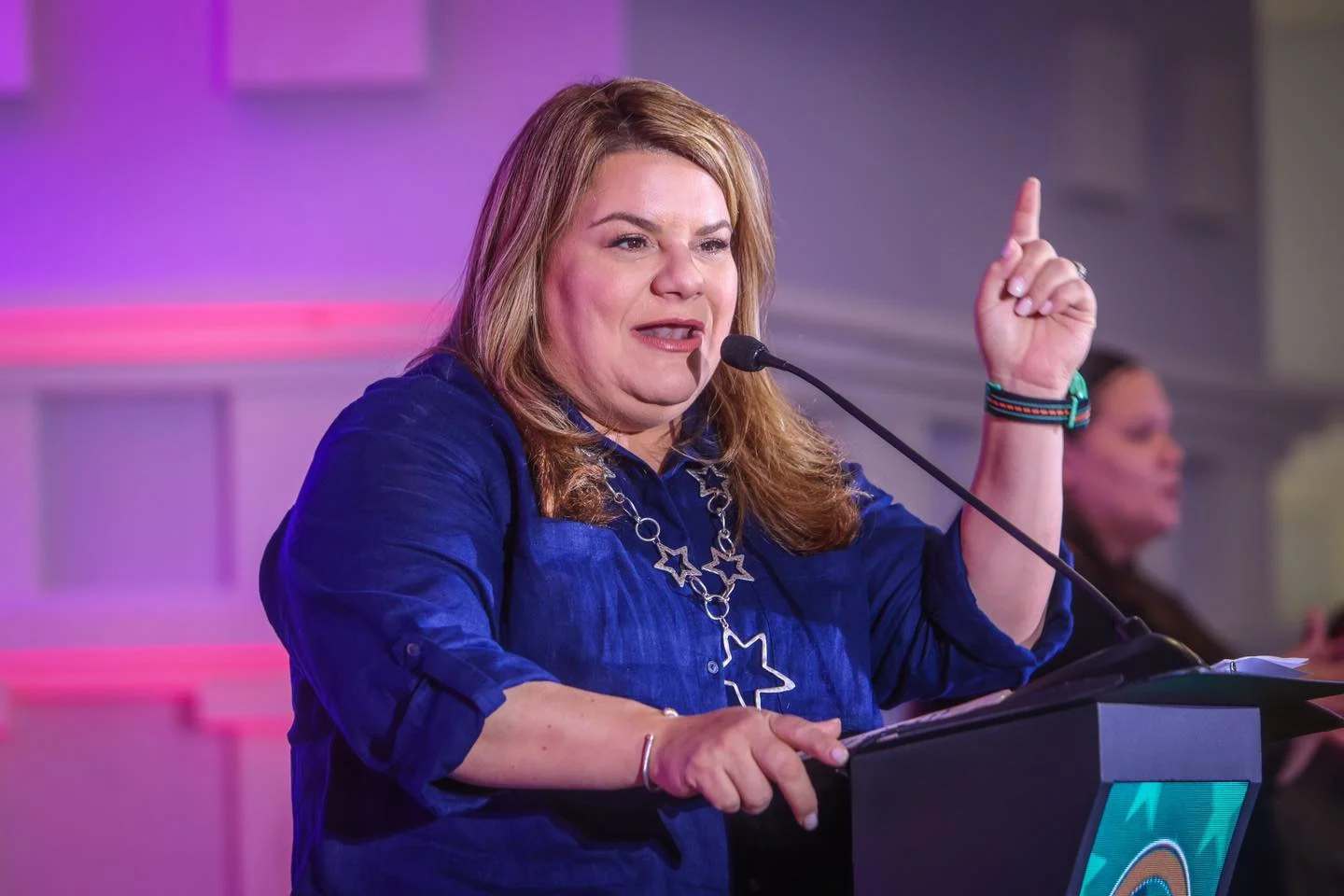
Her platform, #AcciónPR, makes no specific mention of climate change.
"My administration will evaluate the P-MARCC (Plan de Mitigación, Adaptación y Resiliencia al Cambio Climático) and we will work with the new Legislative Assembly, with a majority made up of the PNP, to give it the attention and consideration it deserves, incorporate amendments and changes we consider necessary, and advance those proposals where there is consensus," González Colón told El Nuevo Día.
The Plan de Mitigación, Adaptación y Resilencia al Cambio Climático is a document, drafted by the Comité de Expertos y Asesores sobre el Cambio Climático (CEACC), that proposes courses of action and strategies to prepare Puerto Rico for the threat of climate change.
Juan Dalmau Ramírez
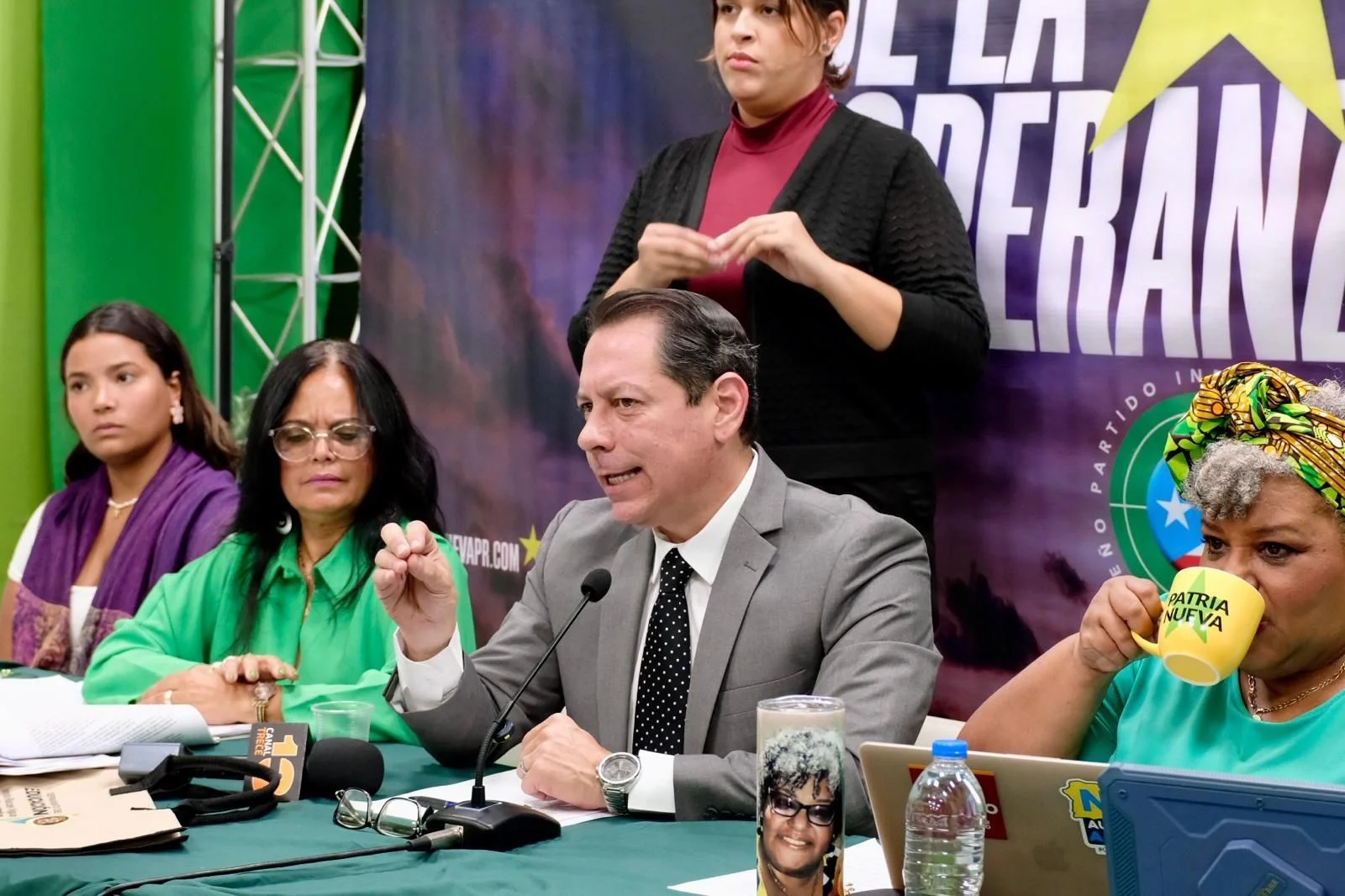
He will evaluate and approve the Plan de Mitigación, Adaptación y Resiliencia al Cambio Climático submitted by the Comité de Expertos y Asesores sobre Cambio Climático, through the Legislative Assembly in the first session of 2025.
Jesús Manuel Ortiz González
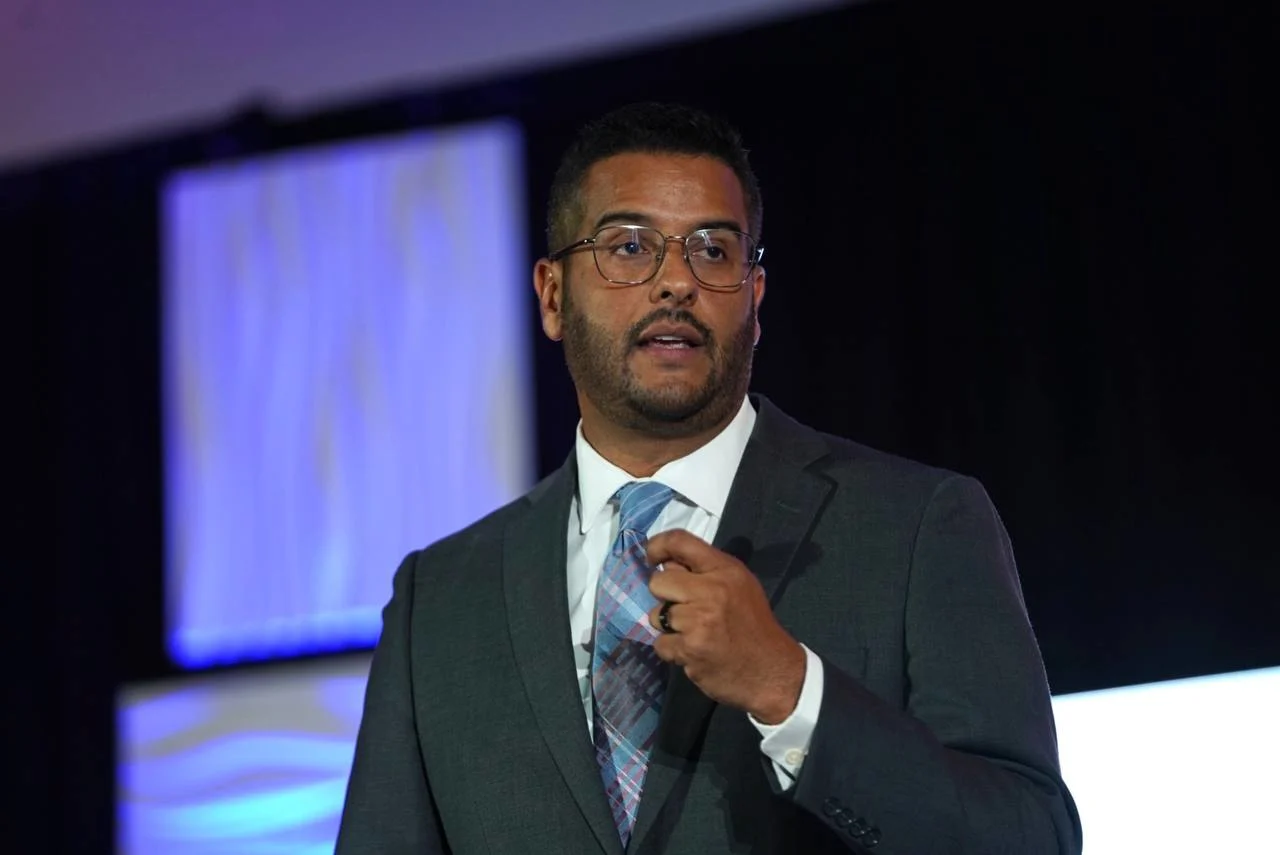
He will oversee compliance with the provisions of the "Ley de Mitigación, Adaptación y Resiliencia al Cambio Climático de Puerto Rico."
He will expedite approval of the "Plan de Mitigación, Adaptación y Resiliencia al Cambio Climático," reviewing all 156 courses of action and 808 strategies.
He will establish strong support from the Governor's Office for this group of experts and will promote the actions recommended in the final draft of the Plan de Mitigación, Adaptación y Resiliencia al Cambio Climático en Puerto Rico once it is adopted by the Legislative Assembly.
Javier Jiménez Pérez
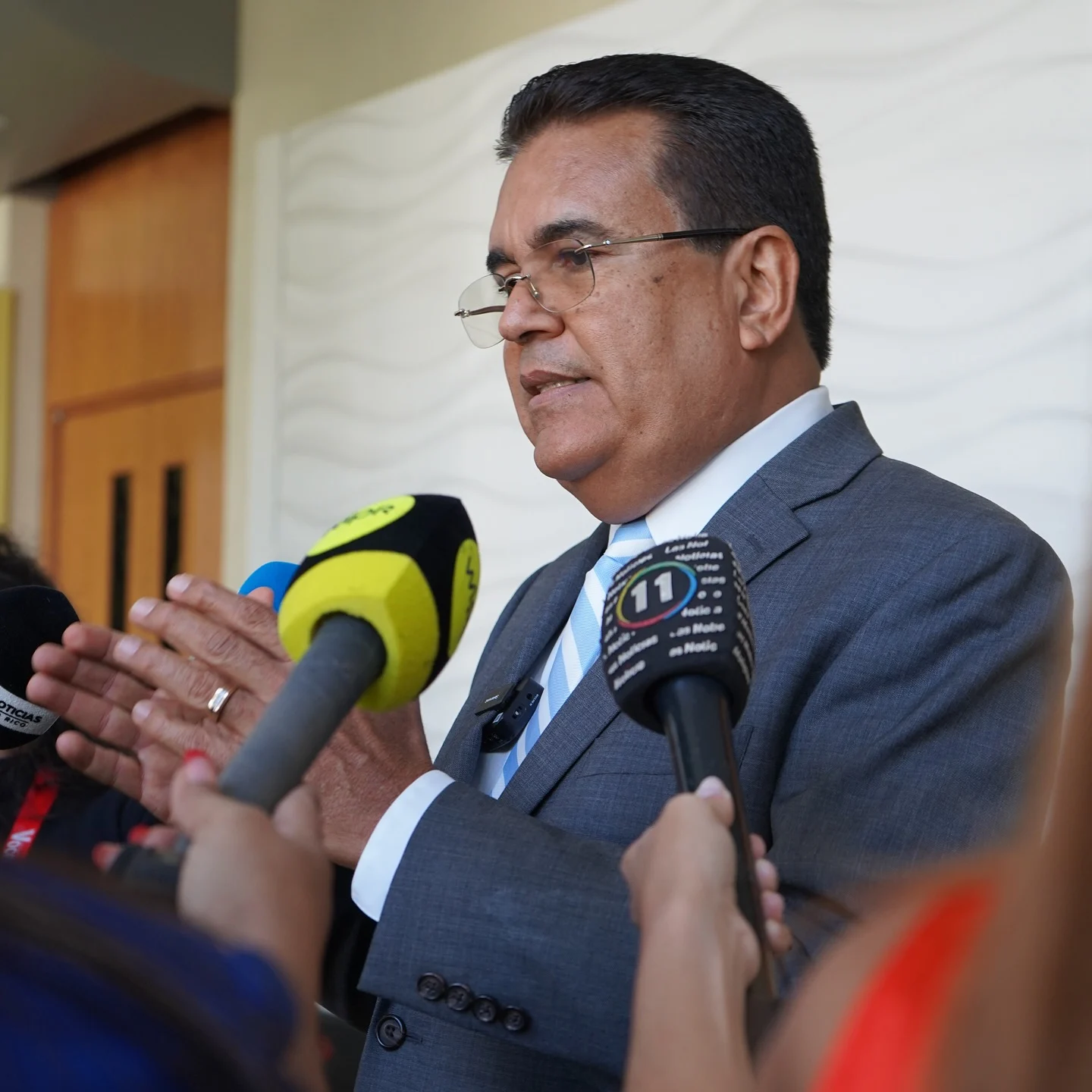
His government plan makes no mention of climate change, and he has made no statements on the subject.
Education
Jenniffer González Colón
Decentralization: He will refocus the administration of the Department of Education to operate with genuine efficiency, transparency and financial accountability, creating the positions of Chief Financial Officer (CFO) and Chief Information Officer (CIO).
The CFO will be responsible for making the most of recurring and non-recurring funds. The CFO will also work to find new funding opportunities for a better education system, and will work closely with the Office of Management and Budget, the Secretary of Education, and La Fortaleza to identify and eliminate unnecessary costs or inefficiencies within the Department.
The CIO will be responsible for leading the technology strategy and information management within the department. The CIO will also manage equipment acquisition, approve technology purchases, and implement sustainable information systems in the school environment's infrastructure. Additionally, the CIO will advance a digital education program.
UPR: Will promote a transformation of UPR's academic and administrative structure to make it effective, competitive, and self-sufficient. To that end, will pursue 11 projects with the following objectives:
Increase student enrollment
Develop a new admissions system
Expand virtual academic offerings and professional certifications, short programs, and vacation programs
Establish recruitment campaigns
Encourage enrollment among older adults
Among others
Juan Dalmau Ramírez
Decentralization:
Will promote decentralization around two goals: depoliticization and school autonomy.
Will return autonomy to each school's Consejo Escolar.
Will establish Comités de Organización Escolar to encourage participation from the various members of the school community and to identify and document each school's needs.
Will limit the number of trust-appointment employees, hiring staff based on merit rather than criteria unrelated to the Department of Education's function.
UPR:
Will support UPR's efforts to advance its new University Reform Law.
Will study the feasibility of reducing the cost of university credits.
Will develop more short-term degree programs.
Will support the Programa de Estudios Universitarios para Personas Confinadas, and will seek to replicate it in other geographic areas.
Will make a greater investment in comprehensive health services.
Will expand child care and daycare offerings.
Will facilitate the availability of student housing, and will enable the reuse of abandoned structures as housing.
Jesús Manuel Ortíz González
Decentralization:
Will eliminate between 50% and 75% of spending on trust-appointment employees in education.
Will encourage autonomy in school regions and communities.
Will promote collaboration and participation within the school community.
Will create a project to transform the school principal into the leader of the school and school community's transformation.
Will establish per-student budgeting.
UPR:
Will promote a University Reform with the participation of all sectors.
Will defend financial aid in favor of students with economic need.
Will strengthen the role of each campus so that it serves as a focal point for the educational, economic, social, and cultural development of the municipalities in its surrounding area.
Will strengthen and support the Neurosurgery Residency Program at the Recinto de Ciencias Médicas to achieve its reaccreditation.
Will incentivize the construction of student housing.
Javier Jiménez Pérez
Decentralization:
Will create a State Education Agency and several Local Education Agencies.
Will establish a restructuring and reorganization process to form the "Nueva Escuela Pública de Puerto Rico."
Will encourage the establishment of at least one Escuela Alianza in each of Puerto Rico's towns.
UPR:
Will determine which academic programs and research areas will be a priority at each institution to avoid duplication and maximize resources.
Will encourage UPR to consolidate its position as a research and development (R&D) center.
Proposes that UPR realign its resources and curricula to respond to the current and future needs of the labor market and society.
Energy
Jenniffer González Colón
Will appoint an energy czar to lead a task force that is multi-agency, professional and equipped to implement energy policy and oversee everything related to the electrical grid.
The PNP candidate proposes that the energy czar be a statutory figure. She argues that the specialized team should function as an oversight body representing the government of Puerto Rico. "So that is why the czar is not an assistant; it is a figure with the force of law to represent a mayor, to represent the private sector, to represent the government of Puerto Rico in everything related to the energy issue," the official added at a press conference, as reported by El Vocero.
Will seek legislative action to make the investments needed to strengthen the grid and ensure a steady energy supply with a diversity of fuels during the energy transition.
Will push for faster integration of renewable energy projects into a reliable grid in a cost-effective way.
Juan Dalmau Ramírez
Will issue an executive order establishing the public policy of the government of Puerto Rico for the exit of LUMA Energy and Genera PR.
Adoption of the proposal by the organization Queremos Sol. The organization proposes an energy transition plan that promotes renewable energy, eliminates fossil fuels, transforms the Autoridad de Energía Eléctrica (AEE) and encourages citizen and worker participation, as well as auditing the debt and establishing an independent regulator.
Jesús Manuel Ortiz González
Will cancel LUMA's contract.
Will promote expedited processing for large-scale renewable energy projects.
Will facilitate the development of community-level microgrids.
Will simplify the processes involved in creating energy cooperatives.
Javier Jiménez Pérez
During the first 90 days of his administration, will document LUMA's breaches of the contract for the operation of the transmission and distribution system, and will cancel the contract while avoiding the penalties the agreement imposes for cancellation.
Will create a nonprofit corporation led by a board of directors from various sectors. This entity will manage Puerto Rico's electrical transmission and distribution system, employing LUMA staff and former AEE employees.
"The AEE is the main project in the reconfiguration of Puerto Rico's economy. The objective of our administration will be to provide reliable energy at a reasonable price," the government plan states.
Mental health
Jenniffer González Colón
Will encourage the establishment of specialized mental health services for children, adolescents and young people.
Will implement the Community Mental Health model for the delivery of services provided by the Administración de Servicios de Salud Mental y Contra la Adicción (ASSMCA) with the support of the nonprofit, community and faith-based organization sector.
Will promote collaboration agreements between ASSMCA and municipalities, the private sector, and community and faith-based organizations so that each municipality has a Centro de Bienestar.
Will establish specialized outreach and immediate intervention services aimed at older adults who show feelings of loneliness or anxiety identified through frequent calls to the PAS line.
Will equip the Negociado de Emergencias Médicas with specialized mental health ambulances.
Will maximize the information and use of the Observatorio de Salud Mental by expanding the availability of publicly accessible data, through agreements with insurers, psychiatric hospitals and mental health service providers.
Juan Dalmau Ramírez
It will unify all relevant sectors to work in a way that physical and mental health services complement each other.
It will implement interventions that create environments and living conditions favorable to mental and physical health, based on respect for and protection of human rights.
It will allocate funds for the following:
Training health professionals to identify and manage psychiatric emergencies
Hiring mental health professionals for promotion, prevention, initial diagnosis and first-line treatment
Early identification of mental health determinants and implementation of interventions to mitigate risks and build resilience
Hiring health educators who, together with mental health professionals, will be responsible for conducting needs assessments and designing appropriate educational interventions
As part of the implementation of the Seguro Nacional de Salud, it will structure mental health service coverage as broadly as possible.
It will increase funding and resources for psychiatric residencies at the UPR's Recinto de Ciencias Médicas (RCM).
It will support the Coalición de Salud Mental's efforts to create and fund more clinical psychology internships.
Jesús Manuel Ortiz González
It will turn ASSMCA into an agency that provides direct mental health services in the community and in public schools.
It will form partnerships with private institutions to create more specialized psychiatric centers.
It will update Ley 408 de Salud Mental to better meet the needs of the population.
The Administración Auxiliar de Prevención y Promoción de la Salud Mental will be required to take on its educational role by reaching every public school on the Island through an aggressive mental health promotion, education and prevention program.
It will create partnerships among ASSMCA, Centro Médico and UPR so that all psychiatric hospitals become training centers.
It will strengthen and improve the PAS line so it can serve more of the population.
Javier Jiménez Pérez
In coordination with experts from accredited public health entities and ASSMCA, a plan will be developed and implemented built around four integrated pillars:
Prevention
Treatment and early rehabilitation
Harm reduction
Refocus and legislation
It will focus on obtaining current data and the latest reports on mental health in Puerto Rico, including data generated by the Observatorio de Salud Mental.
It will expand mental health services to the correctional population in coordination with experts from accredited public health entities and ASSMCA.
Government support, along with public health experts and ASSMCA, to coordinate with Centros 330 on expanding mental health and prevention services in communities.
It will promote government initiatives together with public health experts to grow the mental health professional workforce.
How to vote in the 2024 elections
Before you head out to vote on Nov. 5, we invite you to visit the candidates' official pages to learn more about their proposals on these and other issues.
You can also practice your vote on the platforms MiVotoPR.com, PracticaTuVoto.com, ParaVotar.org, TuPapeletaPR.com and Telemundo's practice tool.
This content was translated with the assistance of Artificial Intelligence (AI).