We sat down with Dr. Mauricio Alejandro Conejo, who explained how this congress, held Feb. 28 through March 1 at the Conservatorio de Música de Puerto Rico, brought together experts in neuroscience, neuropsychology and education to transform teaching and learning on the Island.
With 400 participants already confirmed, among them university deans from across the country, NeuroEDU 2025 became a hub of educational transformation where neuroscience, psychology and technology converge to offer a different approach to learning in Puerto Rico. The event coincides with the 10th anniversary of the Instituto de Neurociencia Cognitiva, the nonprofit that organizes it.
"Over the past 10 years, the Instituto has become the most important cognitive neuroscience institution in Puerto Rico and the Caribbean. It has built bridges and ties with major universities in Latin America, Spain and the United States. We have become, in practice, an important center for this kind of event", said the Instituto's executive director, Mauricio Alejandro Conejo.
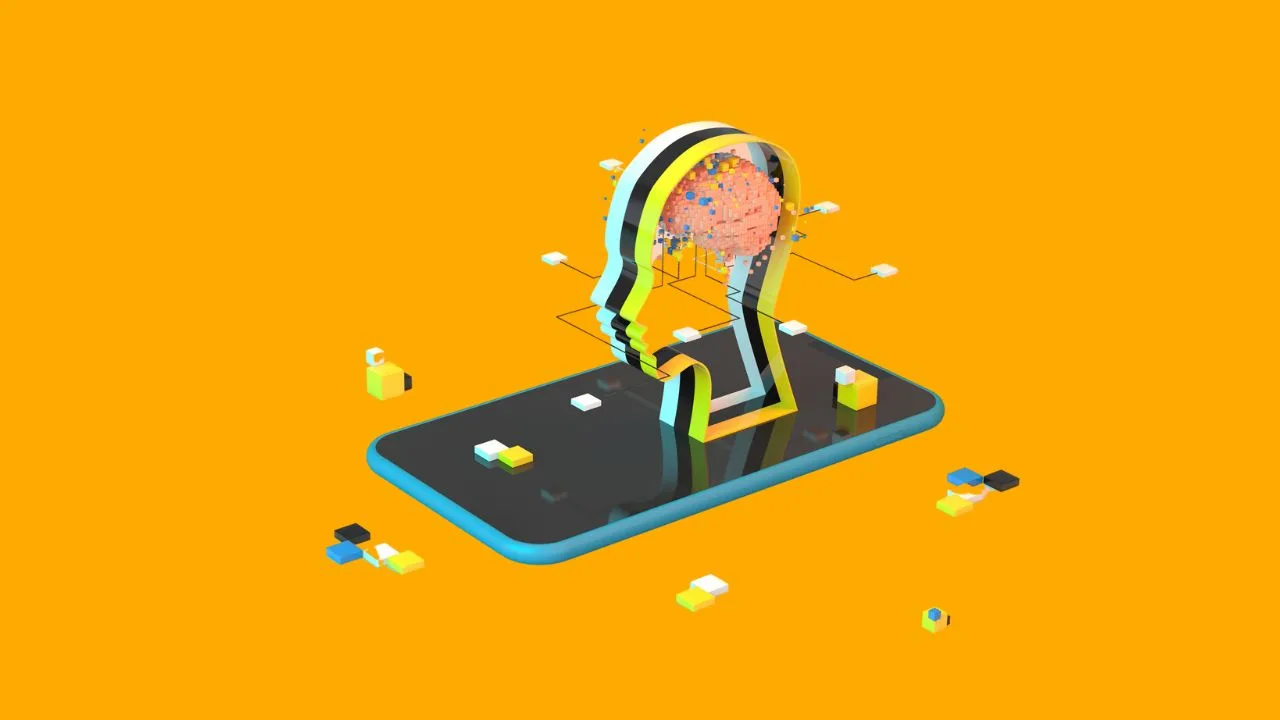
"What we aim to do with this congress is talk about the impact that technology has on the brain, but also the impact that technology has on how we traditionally teach and how we need to adapt education to these technological advances," he said.
Meet the speakers
Dr. Ignacio Morgado Bernal
Professor of Psychobiology at the Instituto de Neurociencia in the Faculty of Psychology at the Universidad Autónoma de Barcelona.
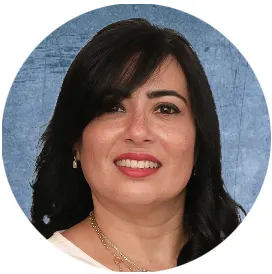
Dra. Dalul Ordehi
Doctorate in Psychology with a concentration in Applied Cognitive Neuroscience from Buenos Aires, Argentina, and a specialization in Early Childhood Education.

Dr. Fabián Román
Specialist in cognitive neuroscience and education, with extensive experience integrating technology in the classroom.
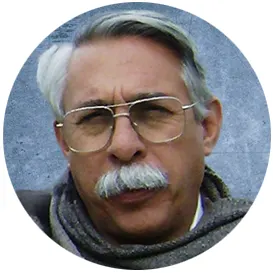
Dr. Jorge Eslava Cobos
Physician specializing in Clinical Neurology at the Universidad del Rosario and in Children's Neurology within Mexico's DIF system.
Swipe to read more
Over the past 10 years, the Instituto has committed to reaching primarily "a population that has the particular quality of impacting many other people," such as educators and school psychologists.
They, educators and psychologists, are true agents of social change. To the extent that we reach one of those people, we indirectly, and not so indirectly, reach many others.
– Mauricio Alejandro Conejo
What other topics were addressed at the Congreso NeuroEDU2025?
The role of emotions in learning
The relationship between emotions, memory, attention and motivation.
Practical tools for emotional regulation in the classroom.
Brain-based learning
Educational methodologies based on how the brain learns best.
Effects of sleep, nutrition and physical activity on academic performance.
Interdisciplinary collaboration
Dialogue among neuroscientists, educators and psychologists.
Collaborative networks for integrating neuroscience into education policy.
Integrating cognitive neuroscience into education
Current research on cognitive and brain processes.
Neuroscience-based strategies for optimizing educational environments.
The Conservatorio de Música: a symbol of holistic education
The choice of the Conservatorio de Música as the venue is no coincidence. The executive director noted that there are as many kinds of intelligence as there are human beings, which means there is also a musical intelligence and an artistic one.
"The fact that we hold the event at the Conservatorio de Música de Puerto Rico points to that as well. Non-traditional schools, such as music schools, art schools, as in the case of the Escuela de Artes Plásticas y Diseño de Puerto Rico, and dance schools, are universities and important educational centers, as important as medical schools, as important as psychology departments," he explained.
It's almost a tradition to hold it at the Conservatorio, and we've always felt at home there
– Mauricio Alejandro Conejo
💡With NeuroEDU2025, Puerto Rico is positioning itself at the intersection of technology, neuroscience and education, offering innovative solutions to strengthen the Puerto Rican education system.
This content was translated with the assistance of Artificial Intelligence (AI).