So that consumers can know which agricultural products are truly harvested and raised in Puerto Rico, Secretary of Agriculture Irving Rodríguez told Platea that he is looking to push for legislation to be introduced in 2026 to create three denomination-of-origin marks covering the areas of harvesting, raising and fishing.
Why does it matter? Denominations of origin are labeling systems that certify a product has been produced, processed and/or transformed entirely in a specific region and according to specific criteria. They carry legal protections and guarantee the product's quality, authenticity and exclusivity.
"It's a mark that will certify to you that this product is 100% from Puerto Rico: grown and raised in Puerto Rico, caught in Puerto Rico and sold to the consumer. What we want is for all the credit to stay here for our farmers," Rodríguez said in a phone interview.
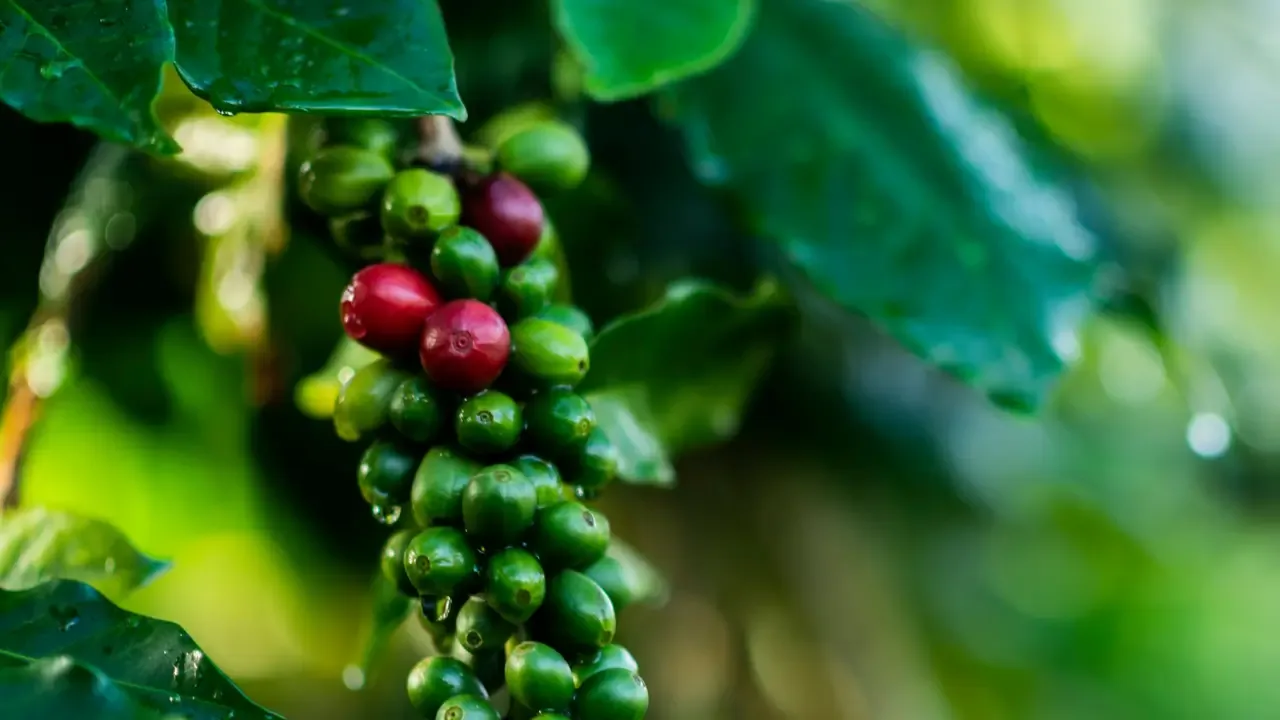
The case of coffee. The secretary stressed the need to help people distinguish when a product is manufactured but not produced on the Island. For example, a denomination-of-origin mark would reduce the confusion that exists when buying Puerto Rican coffee. Sometimes there are brands that say they are from here, but when you read the fine print you realize the product also contains imported coffee.
"I've been in the agricultural industry my whole life… I was raised on the land. And my whole life I've said that we have failed to identify the product to Puerto Ricans, and that is a perfect example: coffee," Rodríguez said.
Countries with denominations of origin
Europe is the region with the oldest denominations of origin. Spain, for example, has 70 denominations of origin for its wines, with some of the most prominent being Rioja, Jerez, Ribera del Duero and Rías Baixas, which identify specific wine-producing regions.
In coffee, Colombia has the Café de Colombia denomination, but also has specific regional-origin denominations for Cauca, Tolima and others.
And in Peru, a denomination of origin was created for maíz blanco gigante de Cusco, a crop grown exclusively in the Valle Sagrado de los Incas.
Other agricultural products with denominations of origin in Latin America include tequila and cacao Grijalva in Mexico, while Costa Rica is pushing for a designation of origin for Queso Turrialba, which must be approved by the European Union.
The case of the United States
Although the United States does not have a denomination-of-origin system like Europe's, it does protect the geographic origin of products through its trademark system. Rather than creating specific legislation, the country uses the infrastructure of the Trademark Act of 1946 to grant protections such as certification marks.
The broadest system is that of the American Viticultural Areas (AVA), administered by the Alcohol and Tobacco Tax and Trade Bureau. With 277 established areas (154 in California alone), names such as Napa Valley or Willamette Valley function as denominations that identify wines when at least 85% of the grapes come from that region.
For non-alcoholic products, there are certification marks such as "Idaho" for potatoes, "Vidalia" for onions, and "Florida" for citrus, registered with the U.S. Patent and Trademark Office (USPTO). The U.S. system is more flexible than those of Europe and Latin America, as it focuses on geographic origin without imposing mandatory production methods.
Which products could receive this mark in Puerto Rico?
"Everything that is harvested, all the fruits, all the vegetables, practically, with the three seals you cover everything we produce in Puerto Rico," the secretary of agriculture explained. Among the examples he highlighted:
Harvest: "coffee, plantain, banana, fruit trees, starchy crops."
Livestock: "everything that is a fattening animal: rabbit, poultry, pork, beef cattle, small ruminants (such as) sheep and goats; everything you raise."
Fishing: "everything our fishermen bring in from the sea that is registered with Recursos Naturales."
"We have to do right by the people who have a product that some people, looking to be strategic, want to steal their customers by saying it's a PR product, when in reality it's not a 100% Puerto Rico product," he said.
🌾 Our agriculture coverage
This content was translated with the assistance of Artificial Intelligence (AI).