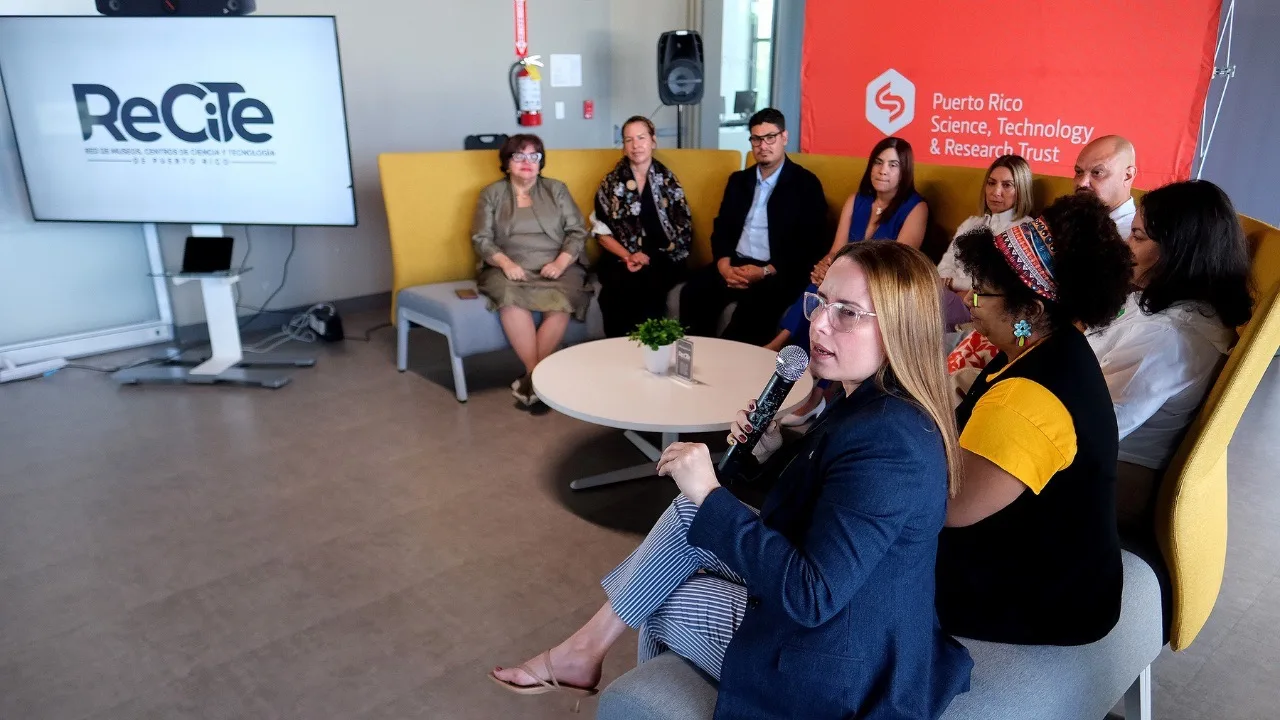
What's happening? Ciencia Puerto Rico (CienciaPR) and the Fideicomiso para Ciencia, Tecnología e Investigación announced Wednesday the launch of the Red de Museos y Centros de Ciencia y Tecnología de Puerto Rico (ReCiTe PR), a collaborative platform that aims to make visible and promote spaces dedicated to science and technology education and engagement across the archipelago.
Its mission is to connect and strengthen institutions dedicated to science and technology while bringing these subjects closer to the public and promoting science tourism.
Why does it matter? Made up of nine museums and/or science outreach centers, ReCiTePR has two main purposes: to create a STEM (science, technology, engineering and mathematics) collaboration ecosystem and to promote these spaces as tourist destinations, integrating science with culture, history and heritage.
"With ReCiTe PR we are creating a collective structure to amplify that impact, for organizations to learn from one another, and to ensure that more people can see themselves reflected in science and innovation," said Greetchen Díaz, executive director of CienciaPR.
Díaz called on more museums and centers with science programs, including botanical gardens, ecotourism parks and others, to join the network. The Museo de Farmacia de la UPR and the Museo de Reciclaje de Hatillo have already expressed interest in joining.
Who makes up ReCiTe PR?
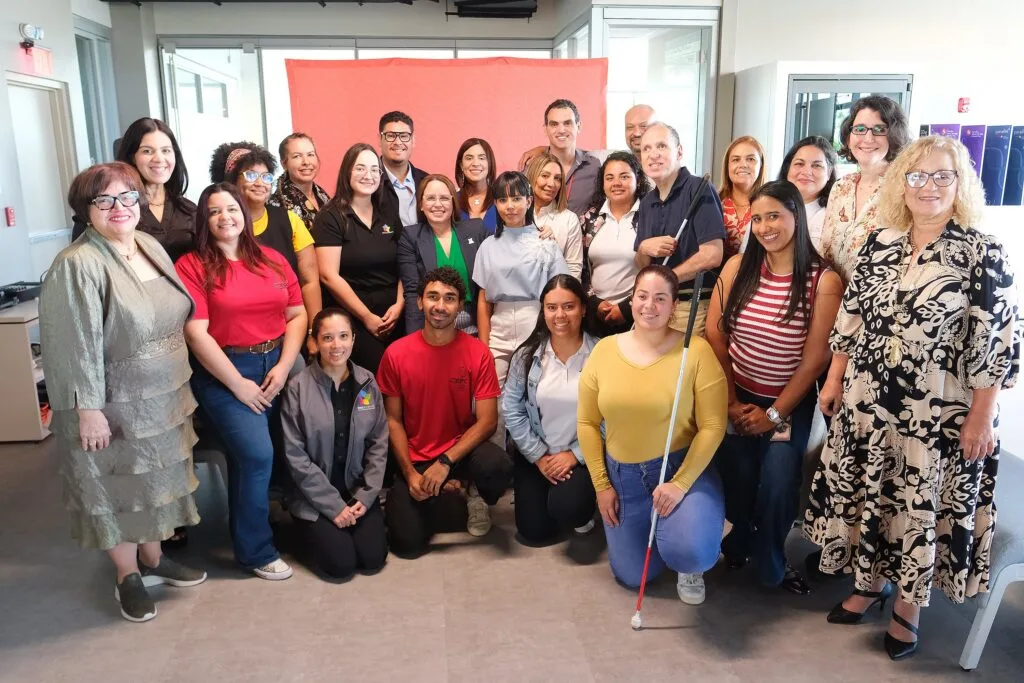
It currently brings together nine museums, centers and science- and technology-related organizations, in addition to the entities that created it. They are:
CienciaPR, manager and platform bringing together all participants
Fideicomiso para Ciencia, Tecnología e Investigación de Puerto Rico, manager and platform that could provide funding and support for science
The goals of ReCiTe PR
The executive director of CienciaPR said the network's main goals are:
🔎 "To make visible and promote the resources, programs and events of the museums and centers to the general public."
🤝 "To facilitate partnerships among network members and other sectors to support the sustainability of these important institutions."
🧑🏻🏫 "To strengthen capacities through the exchange of experiences, best practices and training opportunities."
🔬 "To advance science and cultural tourism as a development strategy for Puerto Rico."
"ReCiTe PR is more than a network of organizations. It is a community committed to bringing science closer to all people, inspiring curiosity, awakening vocations and contributing to the economic, social and cultural development of Puerto Rico."
Greetchen Díaz, executive director of CienciaPR
How does ReCiTe PR aim to make Puerto Rico a science tourism destination?
In addition to increasing scientific impact and collaboration among participating organizations, ReCiTe PR seeks to place science museums within Puerto Rico's cultural landscape, particularly as a tourist destination for locals and visitors.
"Science is part of our culture, something CienciaPR has also been promoting for many years," Díaz said at a press conference held at the Forward Center in San Juan, which included representatives from all network members.
"We want people who come to Puerto Rico to know about the innovation and capabilities being developed in this area, so that is another mission that I believe we will now be able to accomplish together," she added.
Among the initiatives they are looking to advance in the tourism sector are:
Promote science museums in high-traffic tourist locations such as Luis Muñoz Marín International Airport (SJU).
Have science museums participate in cultural events, such as fairs and festivals, with educational tables to bring the subject to people in an interactive way.
What is science tourism? Melisa Rivera, a representative of the Compañía de Turismo, pointed out that "Puerto Rico has an extraordinary opportunity to position itself as a destination where science, technology, nature and culture converge, offering unique experiences," as the science tourism model does.
"We all share a common mission, and that is to bring science to our people in an accessible, relevant and transformative way."
Lucy Crespo, chief executive officer (CEO) of the Fideicomiso para Ciencia, Tecnología e Investigación de Puerto Rico
What benefits do museums and science centers that join ReCiTe PR receive?
Díaz highlighted that participating organizations benefit from:
Having a profile with their information and social media on the ReCiTe PR page within CienciaPR, amplifying their impact and sharing platforms.
Promoting events and programs through the CienciaPR and ReCiTe PR networks.
Being part of a map of all science museums, centers and parks in Puerto Rico so that potential visitors can find them easily.
Sharing common resources and strengthening joint proposals among participating organizations, with the goal of obtaining more funding and resources for scientific research.
In the future. ReCiTe PR could become a nonprofit organization in its own right, which could increase its potential impact and its ability to receive funding.
Cover photo: Press conference for the presentation of ReCiTe (Provided)
This content was translated with the assistance of Artificial Intelligence (AI).