From Mozart to reggaetón, scientists are discovering how music rewires our brains, and Puerto Rico is listening.
The Conservatorio de Música de Puerto Rico will launch the first bachelor's degree in music therapy on the Island in August 2026, marking a significant moment in how health, education and well-being are addressed through sound.
The program arrives as neuroscience increasingly confirms that music does not simply move the body. It fundamentally transforms the brain.
The science behind sound
"Music has been proven scientifically to have a powerful impact on the human brain, activating multiple areas simultaneously and generating significant therapeutic effects," says Mauricio Conejo, director of the Instituto de Neurociencia Cognitiva, in an interview with Platea.
When we listen to music, our brain becomes a symphony of neural activity. According to Conejo, multiple areas activate simultaneously:
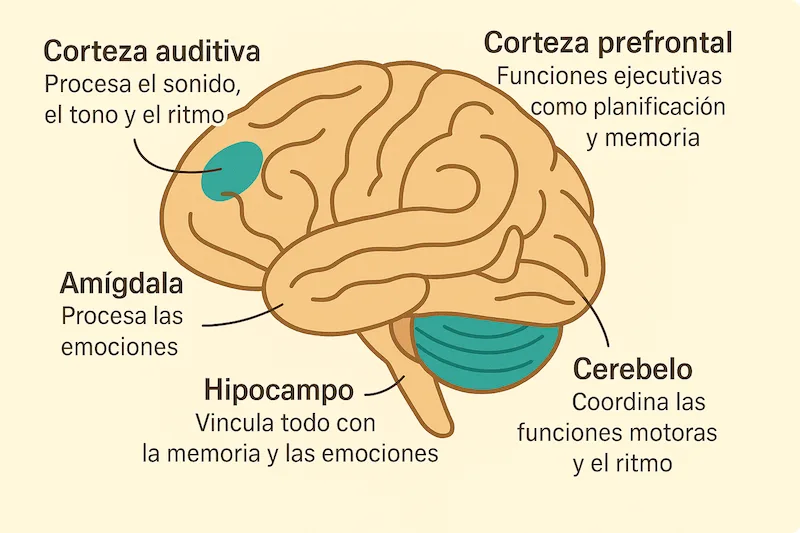
This brain activation is not just theoretical. It has immediate practical applications.
Conejo suggests that students can create or search for playlists that help with concentration while studying.
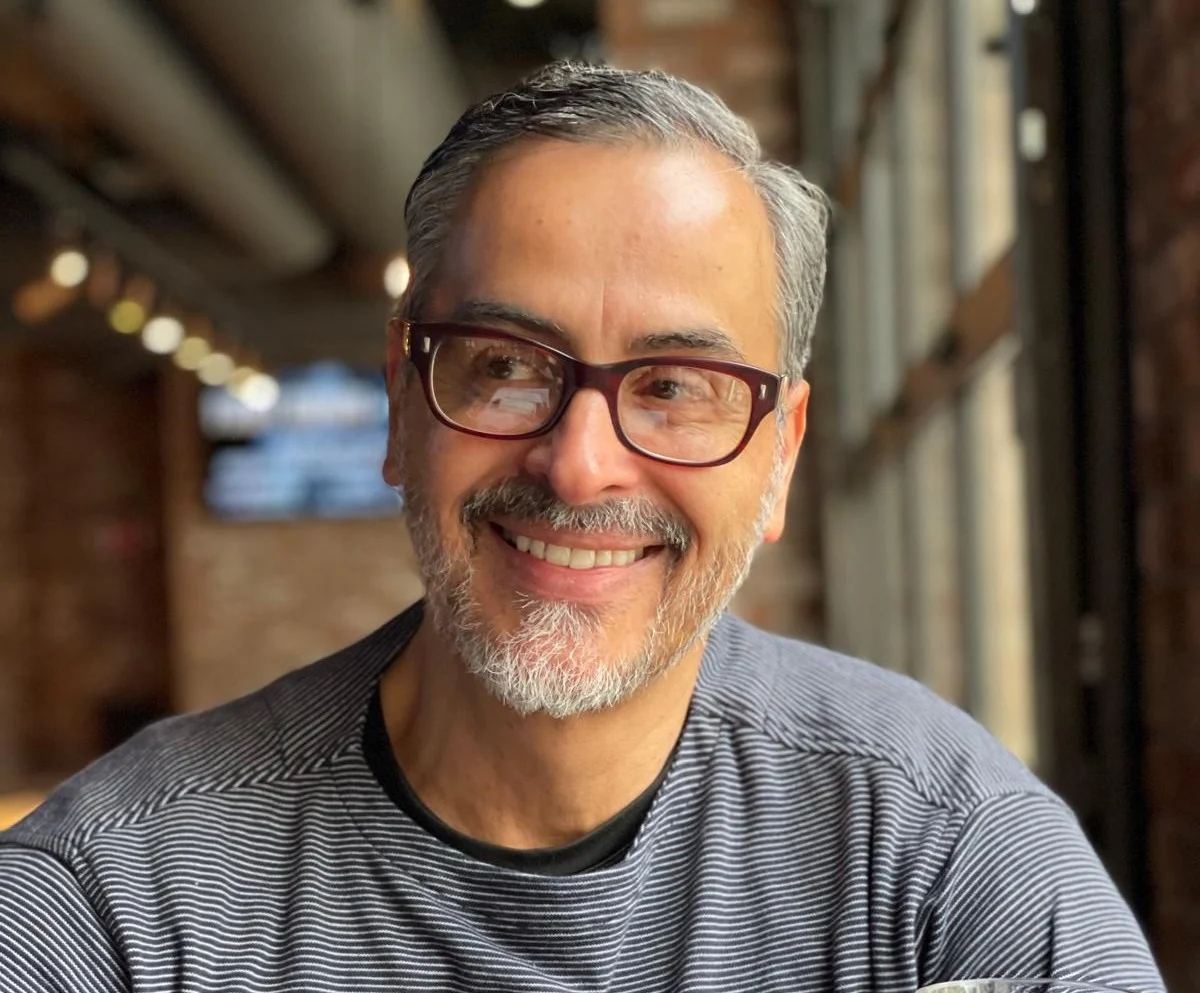
Classical music, particularly Mozart's music, has been found to help us concentrate better
, Mauricio Conejo, director of the Instituto de Neurociencia Cognitiva
🎶 The difference between music education and music therapy
The arrival of the new program also helps clarify an important distinction in the field of applied music.
Dr. Marta Hernández Candelas, associate professor at the Conservatorio who teaches courses in music education and music therapy, outlines the differences between the two fields.
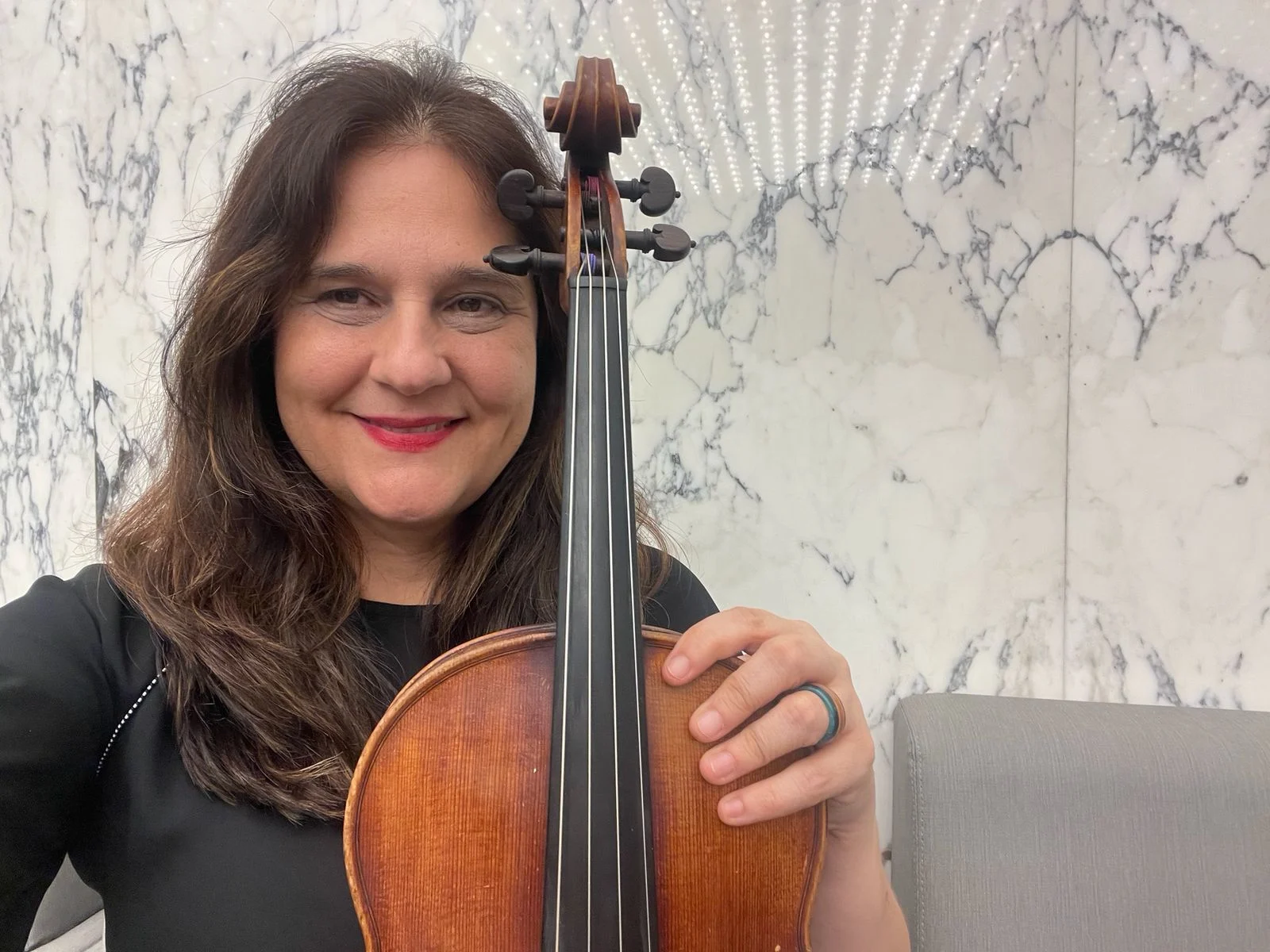
When you do music education, you are providing many, many, many more tools for life than simply appreciating music.
– Dr. Marta Hernández Candela, associate professor at the Conservatorio de Música de Puerto Rico
The professor details how learning to play an instrument produces deep changes in the brain that benefit multiple aspects of life:
Benefits of
Music Education
🧠
Significant improvement in memory
Music education strengthens neural connections and improves both short- and long-term memory, with particular benefits for language learning and mathematics.
🎯
Development of concentration
Playing an instrument requires sustained attention and multitasking, which significantly develops the capacity for concentration and mental focus across all areas of life.
🤝
Strengthens social skills
Group music fosters collaboration, active listening and empathy. Students learn to work as a team and to communicate nonverbally.
💪
Builds self-esteem
Mastering an instrument and performing for others builds personal confidence. Musical achievements increase self-esteem and provide a sense of personal accomplishment.
Music therapy, on the other hand, is the clinical, evidence-based use of musical interventions to achieve individualized goals within a therapeutic relationship.
"When we talk about music therapy, it is about drawing on that natural resource human beings have, being made to make music, to maximize their potential," the professor adds.
One particularly important area has been work with preschool-age children following the pandemic.
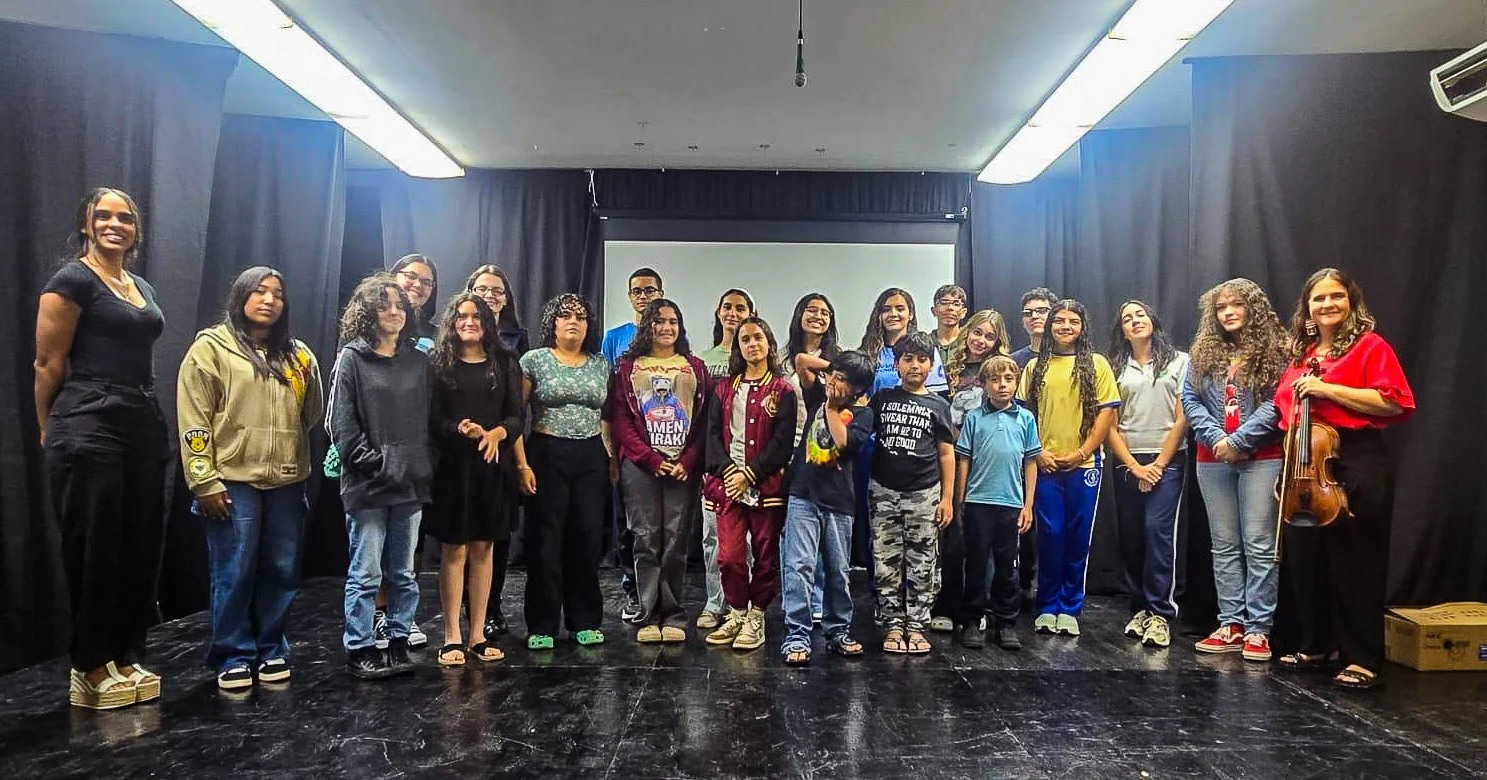
"Children were showing delays in language development due to prolonged mask use and the lack of eye contact with their caregivers, which made it harder to imitate the gestures and sounds needed to articulate words," Hernández Candelas explains.
In this case, music therapy works as a preventive tool that stimulates verbal articulation. "Music is sound, and sound is essential for learning to speak," she emphasizes.
🎧 A growing movement: the current practice in Puerto Rico
The Asociación de Musicoterapia de Puerto Rico (AMPR), founded in 2021, reflects the growth of this discipline on the Island.
"We have 30 members, not all of whom live in Puerto Rico, but there is a meaningful number who do, and that is representative of the fact that music therapy exists across the Island," Hernández Candelas says.
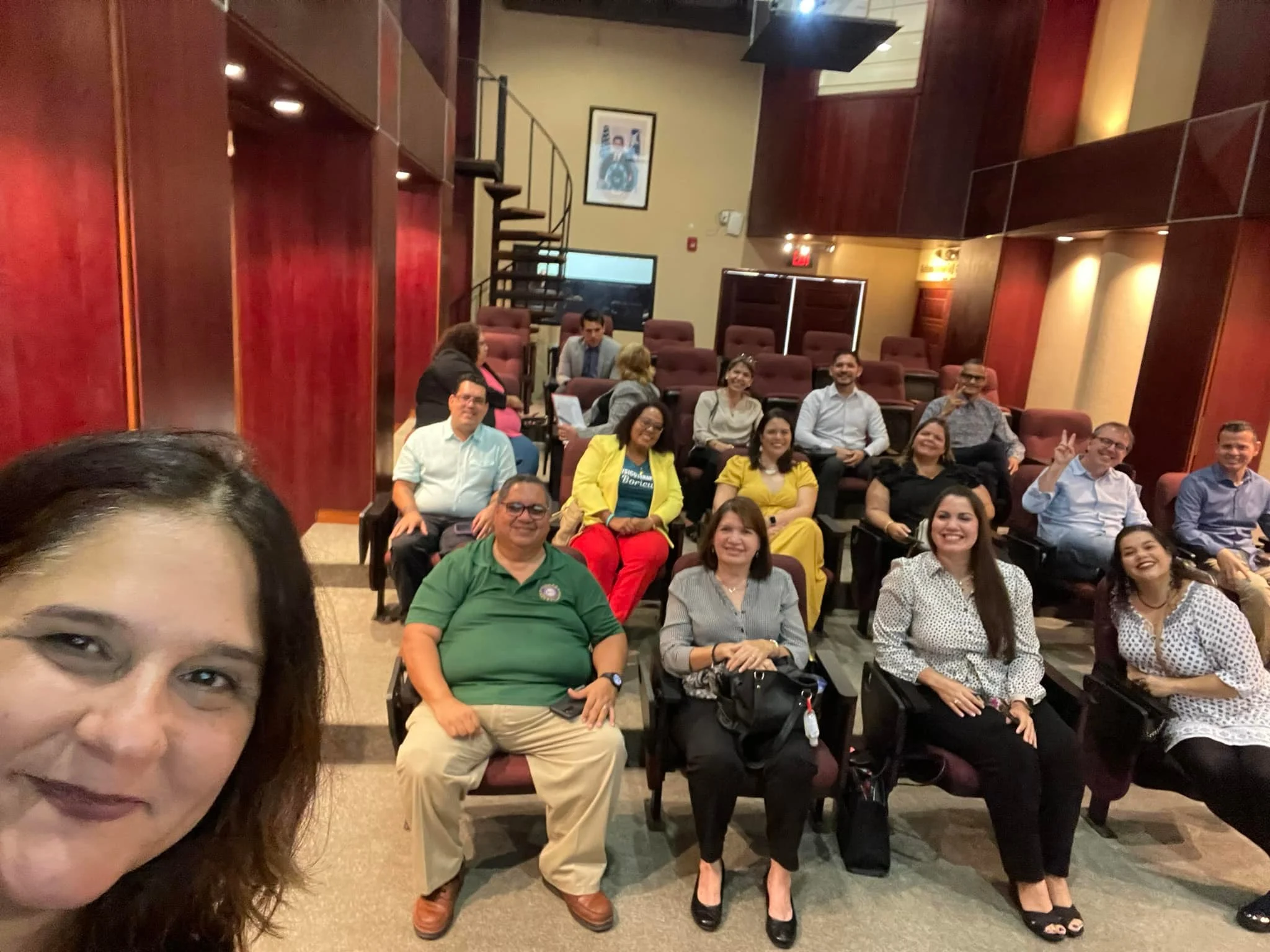
The association has a presence in multiple municipalities, including Caguas, Bayamón, San Juan, Ponce, Mayagüez, Guaynabo and Carolina, extending the reach of music therapy beyond the metropolitan area.
The doctor, who worked for 10 years in the neurology department at HIMA San Pablo hospital, has seen the impact of music therapy firsthand. Together with her colleagues, she has implemented programs at senior centers, centers for victims of gender-based violence, neonatal intensive care units and pediatric intensive care units.
Music as a creative educational tool
The connection between music, education and neuroscience has a notable example in Puerto Rico: the children's band Atención Atención, which for 25 years has used music therapy principles and applied neuroscience in education to reach generations of Puerto Rican children.
Víctor Rivera, co-founder of the project, explained on Punto Aparte how his music therapy training in Buenos Aires shaped the group's approach.
"The clear thing about having studied music therapy is that I realized what an incredible tool music is for reaching people, for connecting," Rivera says.
Even today I think people don't know how powerful that tool is.
– Victor Rivera, Atención Atención
Rivera, who is part of the Red Iberoamericana de Neurociencia Cognitiva, describes how they use the concept of "memory consolidation" in their work:
"When you associate emotion with learning, with something that is happening, you are making sure that person never forgets what they just experienced."
One concrete example is how they teach the value of perseverance to 2-year-olds through the song of "valiente Martín."
"How do you explain to a child what it means to persevere? At 2 years old the word is already complicated in itself. Well, by playing and singing… he wants to repeat it, it has a choreography and right away he wants to show it to others," Rivera adds.
The future of music therapy in Puerto Rico
With the opening of the new bachelor's degree program, Puerto Rico is positioning itself as a key place in the Caribbean for the professionalization of music therapy.
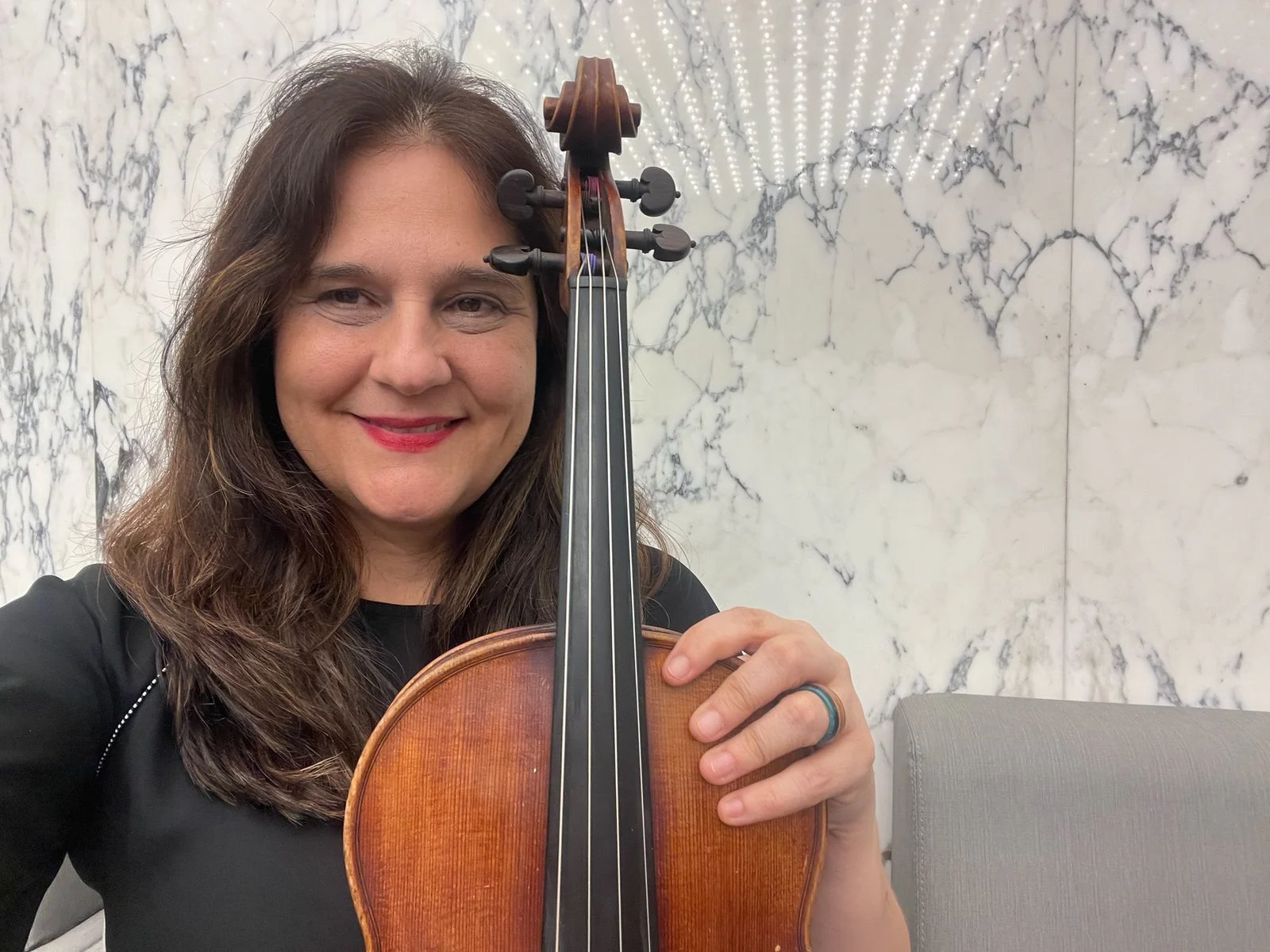
What we want is to expand that offering so that all care centers provide and have a music therapist.
– Dr. Marta Hernández Candelas, associate professor at the Conservatorio de Música de Puerto Rico
"What we want is to expand that offering so that all care centers provide and have a music therapist," Hernández Candelas says, with optimism about the future.
Conejo, Rivera and Hernández all agree on a core message: music should have a greater presence in every area of Puerto Rican life, whether as an educational tool or a therapeutic intervention.
"Everyone should study an instrument. Let all of Puerto Rico study music, listen to it and make it," Hernández Candelas urges, echoing a sentiment Rivera shares from his experience with Atención Atención: music is not just entertainment, it is a powerful tool for human development that Puerto Rico is ready to make the most of.
To listen to the full interview with Víctor Rivera about how music therapy and neuroscience shape the work of Atención Atención, find the Punto Aparte episode on Spotify or Youtube.
This content was translated with the assistance of Artificial Intelligence (AI).