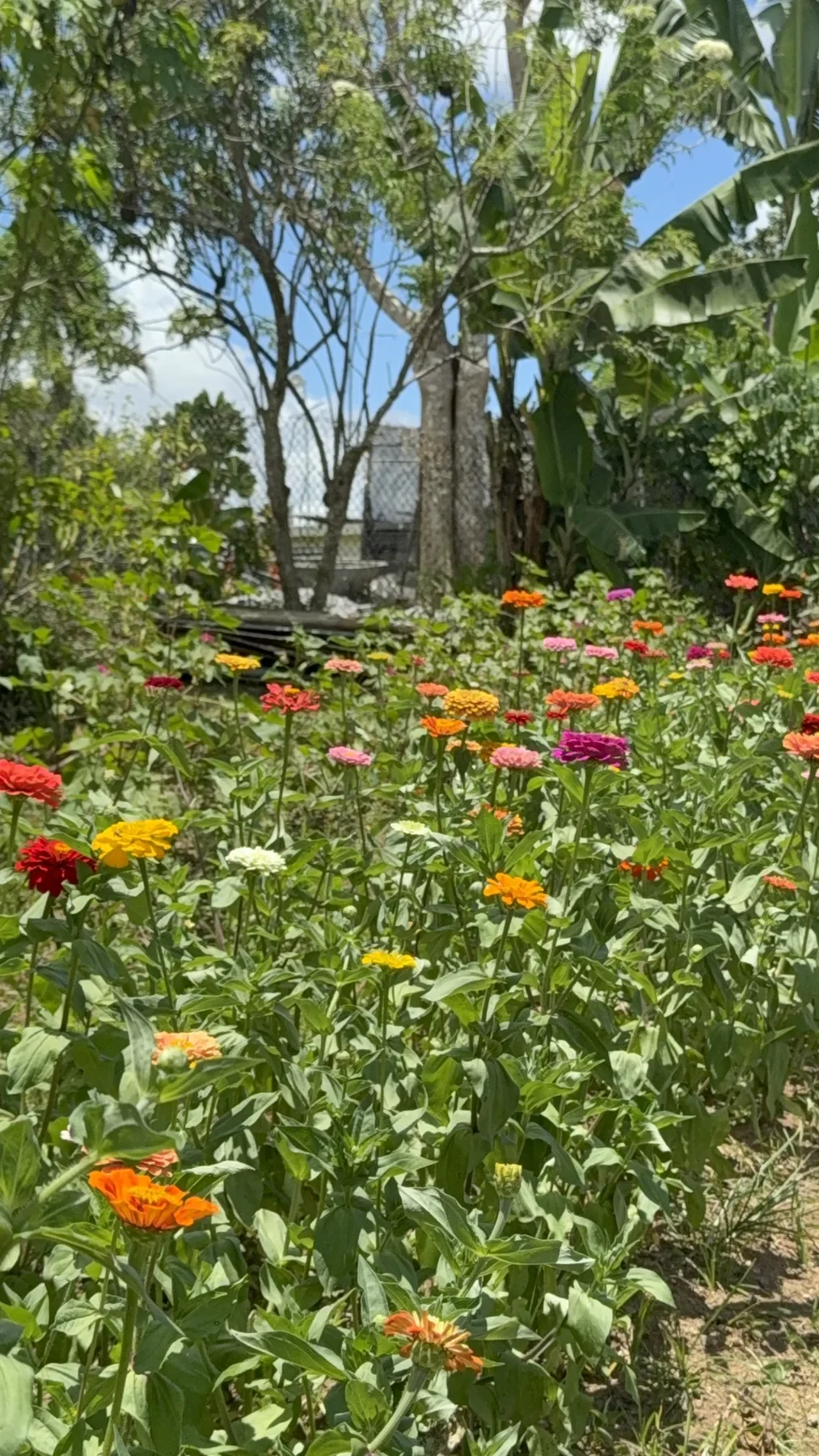
Color is a visual sensation, but at the Trama + Enlace Tres Vidas farm in Aibonito it is the essence of everything they create. The team grows flowers and vegetables and makes natural pigments, while also sustaining a deeply artisanal tradition: spinning cotton thread by hand, the craft of Beatriz Lizardi Casiano, the project’s spinner.
On this farm of six cuerdas (about six acres), blue is indigo and yellow is marigold. Orange comes from a flower called cosmos, and red from a root.
It sounds too poetic to be real, but it is a material legacy created by Leila Mattina, an artist who graduated from the Painting Department of the Escuela de Artes Plásticas de Puerto Rico (2014) and found in agriculture the home to grow her passion for color.
In 2017 she joined the El Josco Bravo program, looking to create, as she told Platea, “a space where you can connect with textiles, art and nature.” Alongside her team of Edwin Rosario, Leonardo Laboy and Beatriz Lizardi, she has spun and unspun until finding the perfect weave: a farm that combines crops, a color laboratory and a shop. The space reflects the range of her passions, summed up in a phrase of her own: “scientific witchcraft.”
Walking between the crop rows brings the same sensory pleasure as stepping into a museum. This story takes you on a tour that threads the farm’s history through each of its sections.
Stop1 of 4
The crops
The farm sits on land leased from Para la Naturaleza, next to Cañón San Cristóbal, and used to be a tobacco farm. At Trama, the season decides the crops. The deep green of broccoli and cabbage rules the winter, while red and purple arrive in summer with the tomatoes and eggplants. “We keep changing with each season of the year,” Mattina explains, adding that everything is grown without chemicals, fully agroecologically.
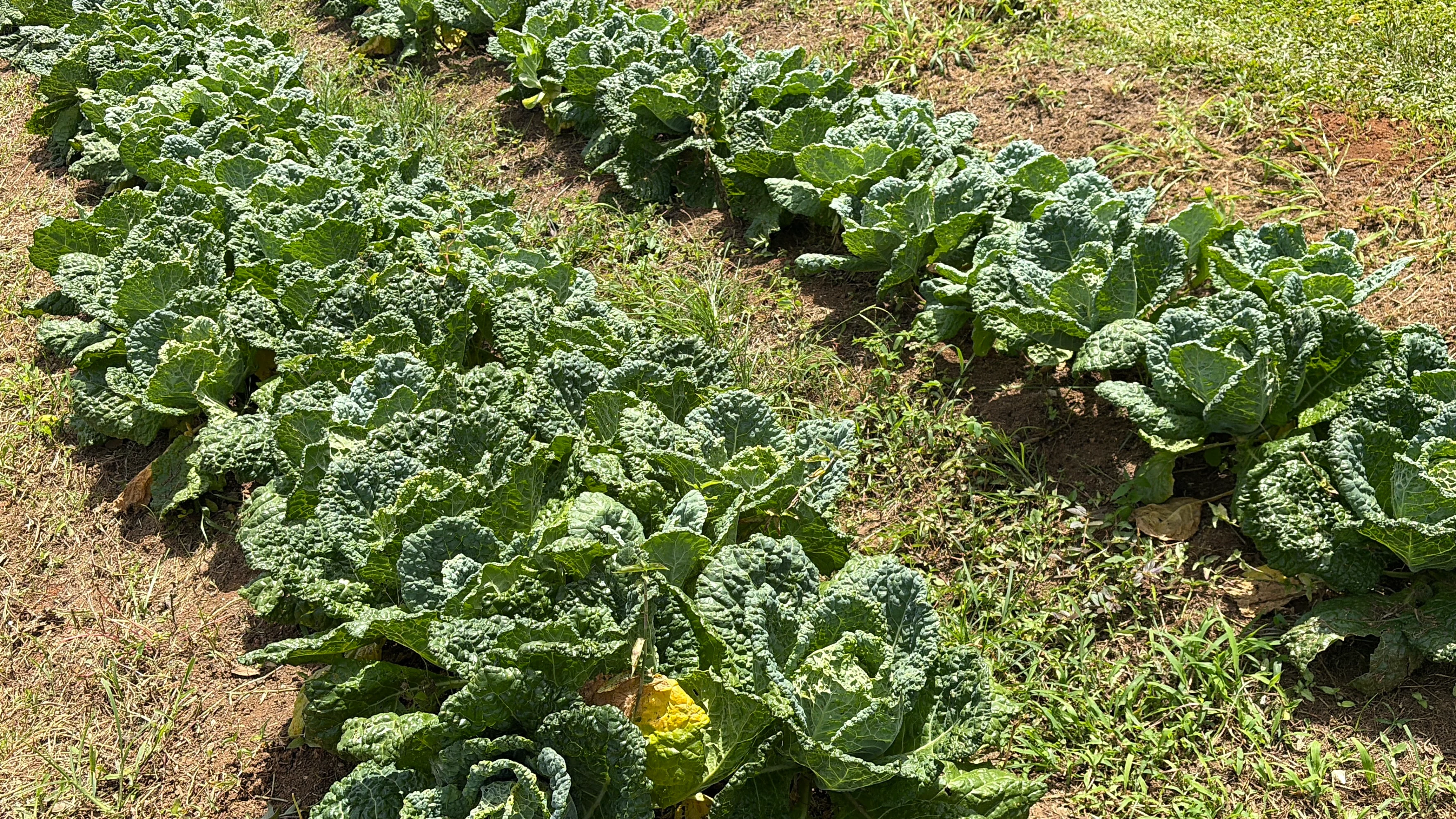
Among the crops, you'll find:
- Cabbage
- Broccoli
- Cauliflower
- Tomatoes
- Eggplants
- Radishes
- Beets
- Sweet corn
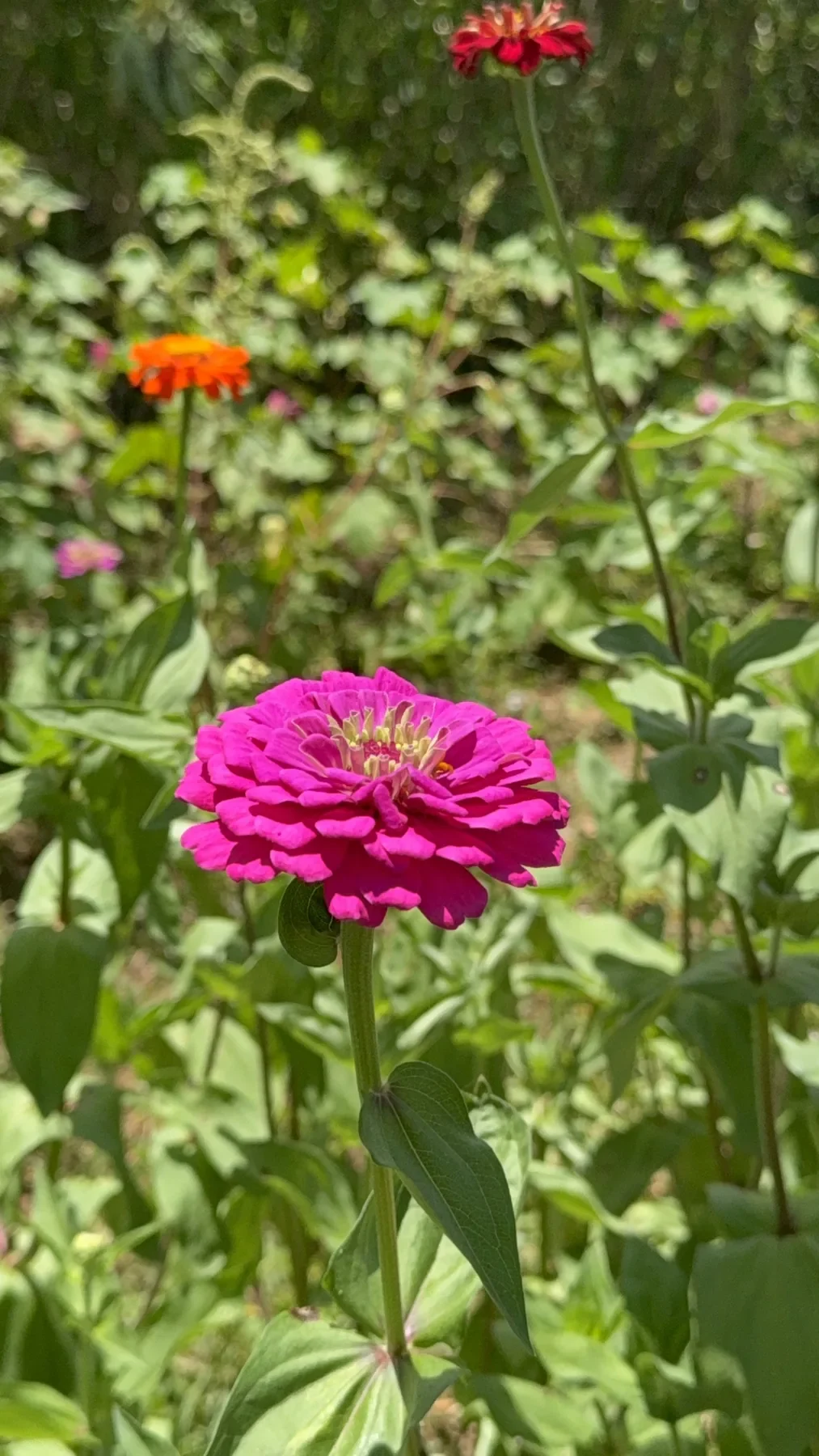
Between the rows, the flowers grow too:
Tap each flower to learn about it
Quality products at a fair price
The philosophy of Trama + Enlace Tres Vidas goes beyond selling their own harvest. When a farmer in the area has eggs or guineos (bananas) with nowhere to sell them, they take them in and sell them, “always paying the price the farmer wants, never telling them what their product is worth,” Mattina emphasizes.
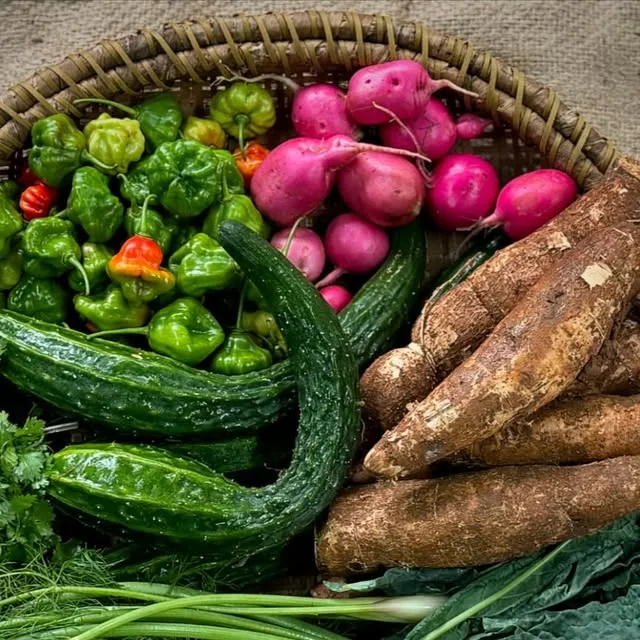
Gracias por el apoyo a través de los años y a todas las personas que se van sumando. Si te interesa conseguir nuestros vegetales frescos o flores, visítanos en la finca o escríbenos un mensaje! Nos pueden visitar de miércoles a viernes de 8am a 3pm. @trama_antillana
Ver en InstagramThat community spirit extends to the markets where they sell, like La Marina Farmer’s Market. For her, the sense of community among farmers is one of the biggest achievements of the island’s recent boom in farmers markets.
Just three people work these six cuerdas of land without heavy machinery, and maybe that is why, for her, the relationship with the land feels so close:
We can't demand so much from the land when the land is what feeds us, clothes us, shelters us, gives us rain, water, everything we need. And still we are always demanding. It has taught me to center myself and take things calmly.
This land supplies the raw material for everything else. Let’s head to the laboratory, where those flowers become color.
Stop2 of 4
The color laboratory
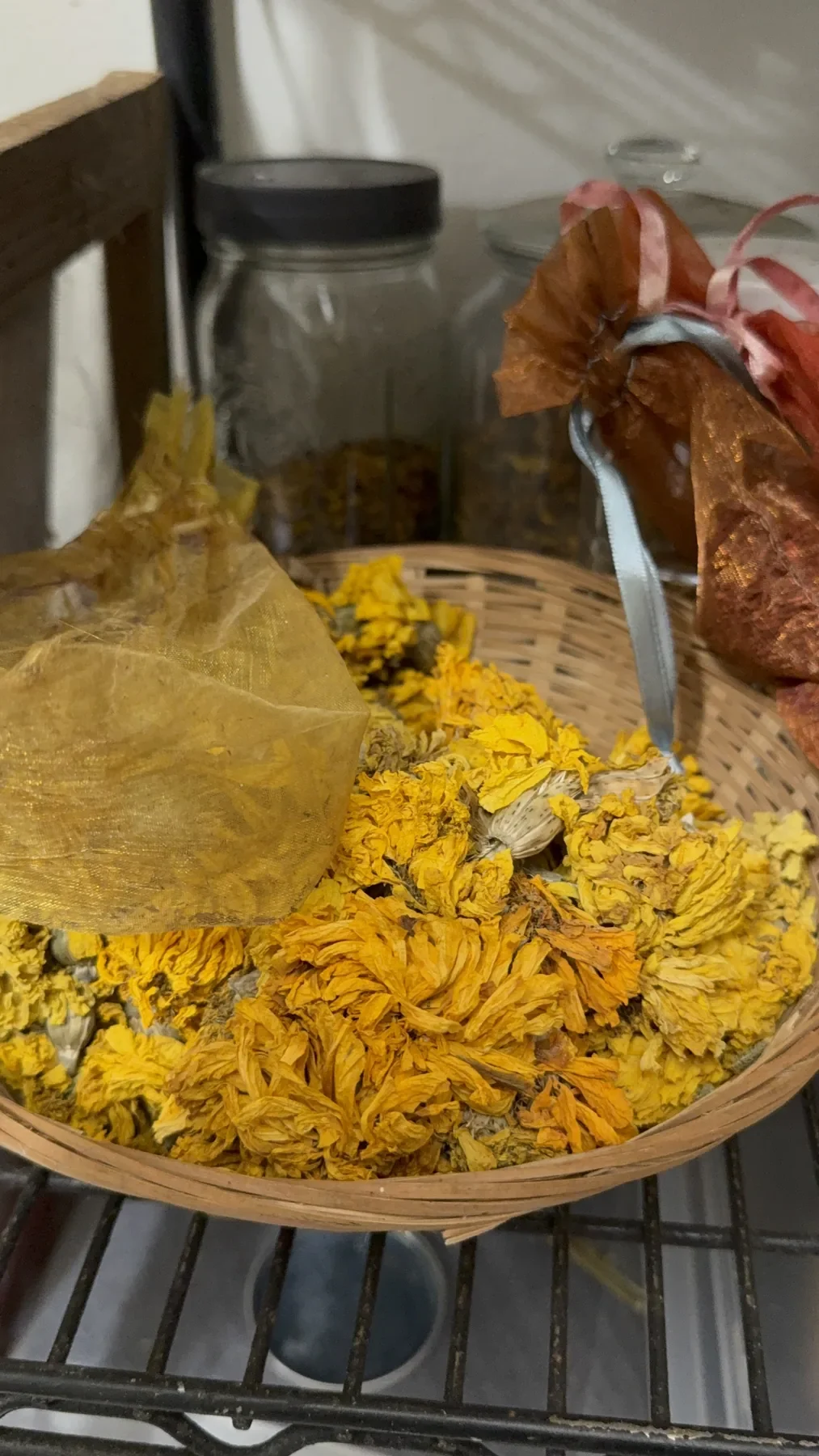
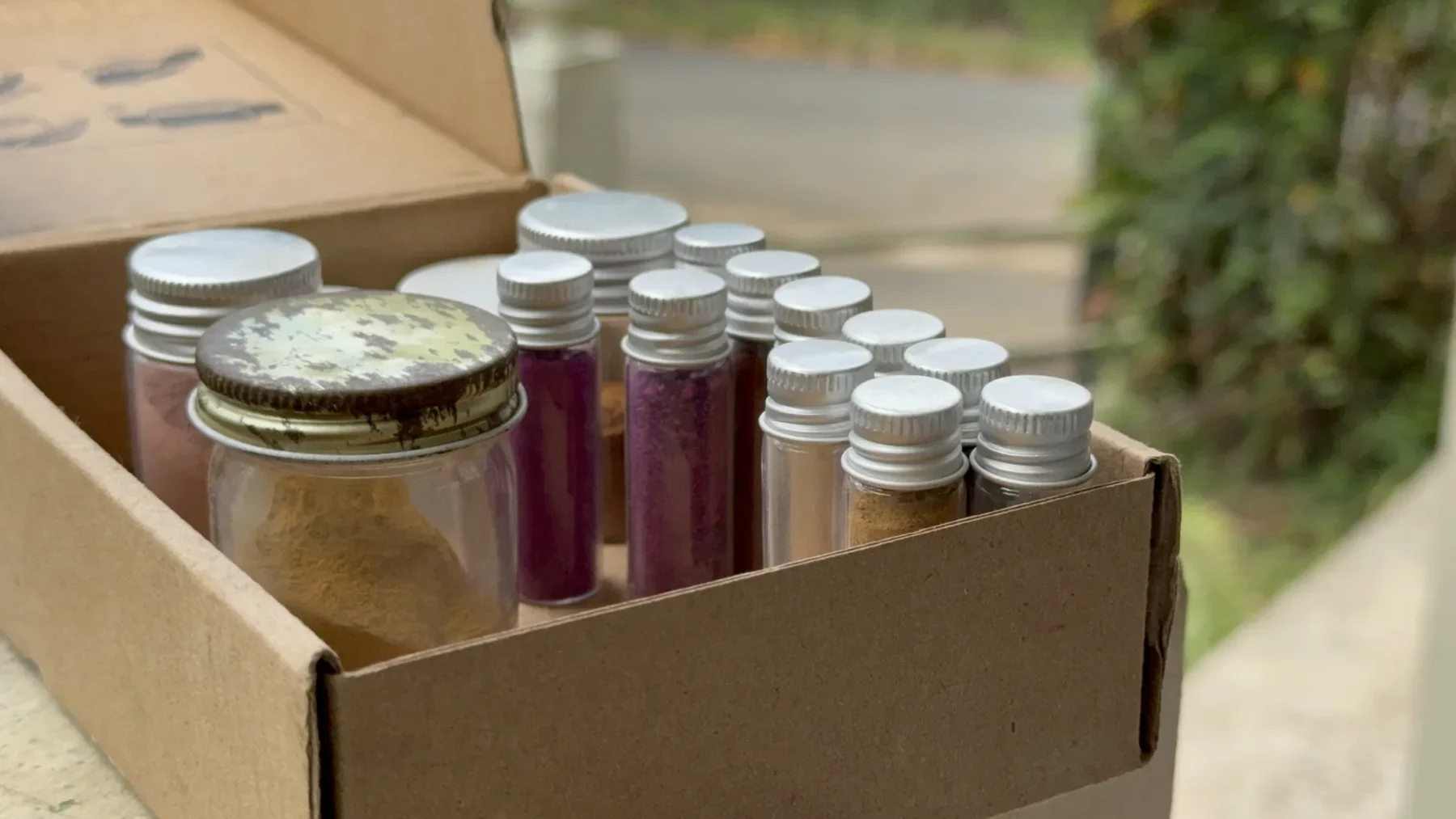
Welcome to the room where the flowers dry and become pigments.
This colorful corner grew out of a need Mattina noticed years ago. She points out that we often walk into art supply stores without knowing where the materials come from, an experience she had herself as an artist. “We needed a space where you could see where the materials come from,” she says. The process here is artisanal, and the pigments are sold in glass jars, in quantities of just 15 to 20 grams.
The natural palette
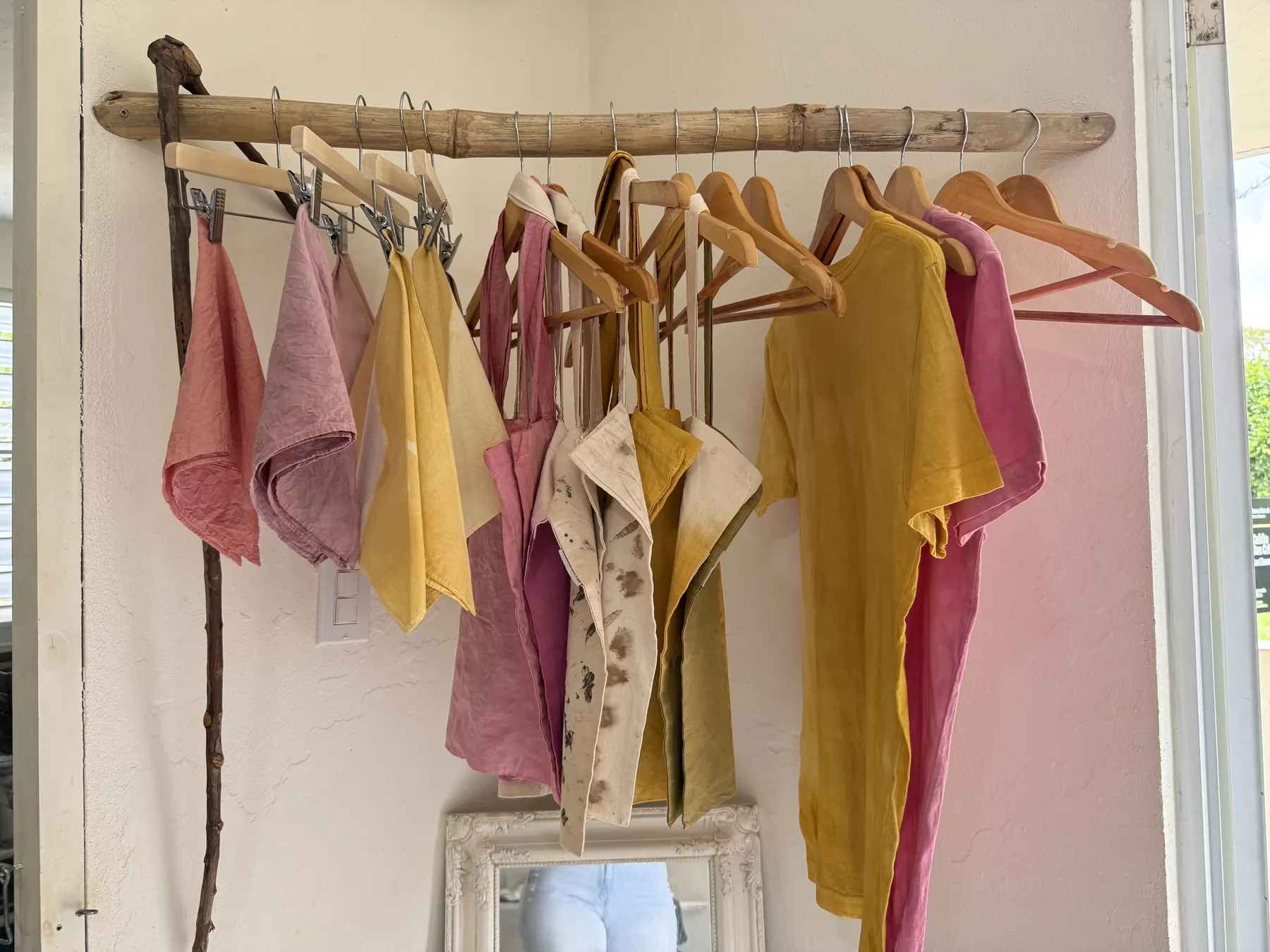
The farm uses the dyes in its own products, like threads, bandanas and socks. But according to Mattina, “there are designers who reach out to us because they want to make their products entirely in Puerto Rico, so they work with natural dyes and we supply them.”
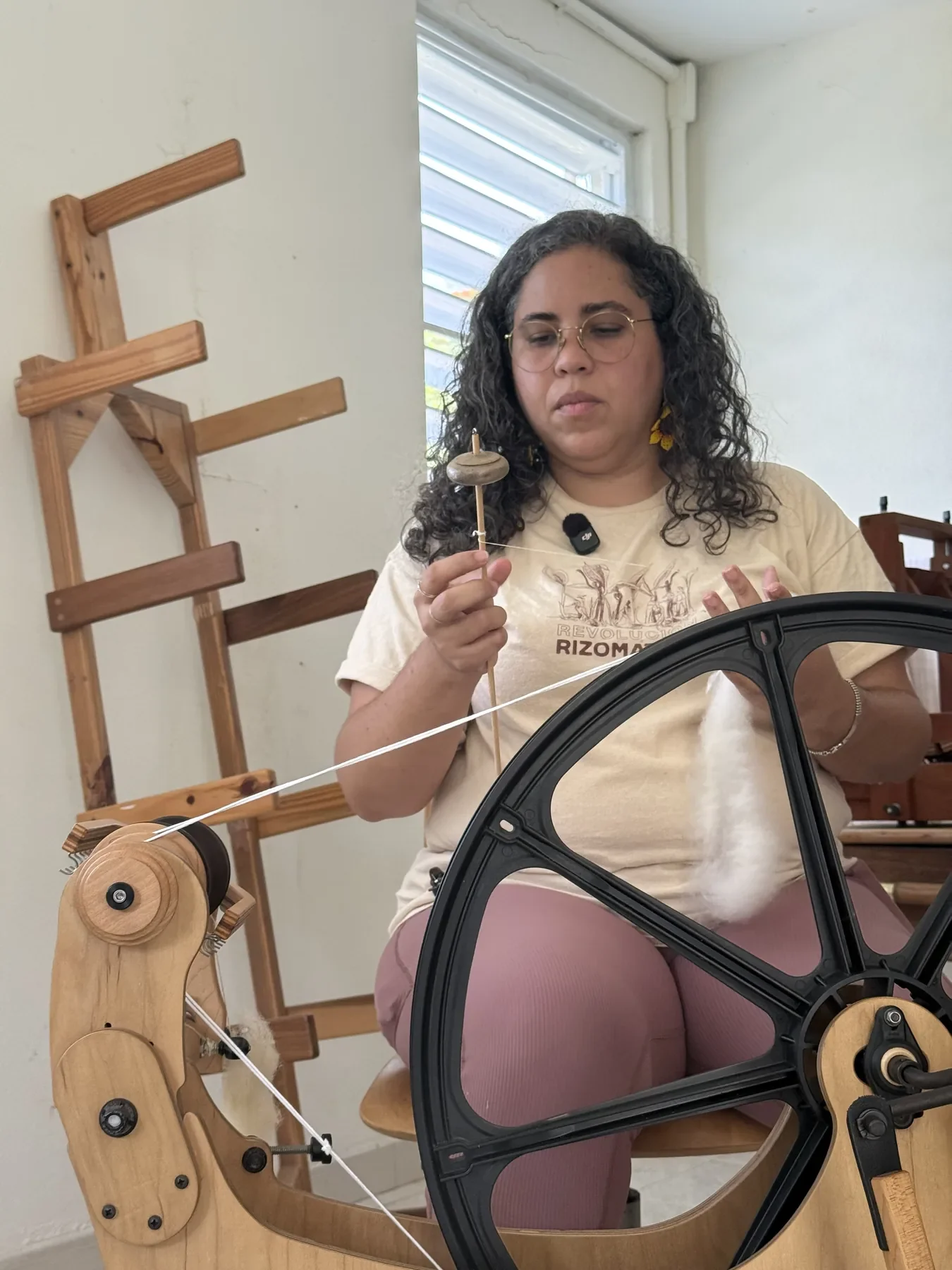
Color is not the only fiber born on this farm, though. A few steps from the laboratory is the spinning zone, where a white plant becomes cloth, strand by strand.
Stop3 of 4
The spinning zone
Cotton was an important development in the island’s agricultural history. During the U.S. Civil War, between 1861 and 1865, the crop became a profitable export, driven by a raw-material shortage that sent demand soaring on the international market. Historian Soraya Serra Collazo documents it in her book “El otro ‘oro blanco’: La producción de algodón en Puerto Rico, 1840-1880” from Los Libros de la Iguana (2021).
According to her research, that conflict marked the peak of Puerto Rico’s cotton industry. Hacienda Esmeralda, in Santa Isabel, was one of the most documented production centers of that era, and the phenomenon also connected Puerto Rico with markets like England and Catalonia (Barcelona).
The boom was short-lived, though. Serra Collazo notes that by the early 20th century the industry’s fate was already sealed. Between 1898 and 1926, U.S. observers who visited the island as the relationship between Puerto Rico and the United States took shape evaluated cotton’s potential and ended up dismissing it, which closed the chapter on cotton as a major crop.
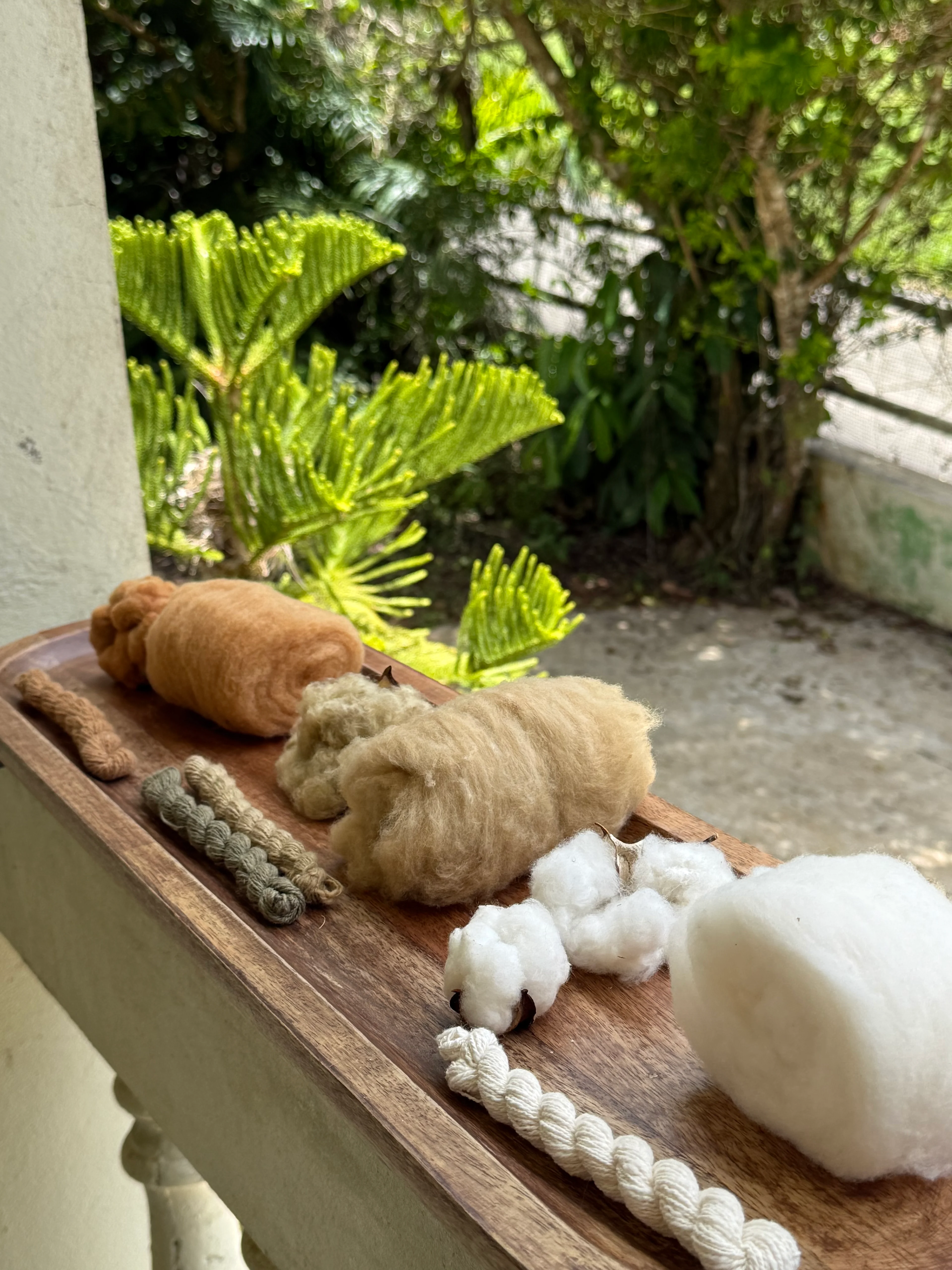
Reviving cotton production on the island is what inspires the Trama Antillana team today. The manual work of spinning sustains a bigger dream. Mattina imagines a Puerto Rican textile cooperative with its own machinery, able to keep production going in several towns at once.
I give green seeds to a farm in Toa Alta and brown cotton seeds to one in Ciales, and then here in Aibonito we keep white cotton seeds.
Cotton varieties
The process
Turning cotton into thread takes longer than anyone would imagine. One clear example came the day volunteers from El Josco Bravo joined a Brigada Nacional at Trama + Enlace Tres Vidas. Between four and eight people ginned cotton for more than three hours straight, separating the fiber from the seed by hand. “In the end, we only ginned 140 grams of cotton,” says Beatriz Lizardi, the project’s spinner. “A medium shirt, a t-shirt, weighs 140 grams,” she added.
“Spinning a 50-gram skein of cotton takes about 18 hours, start to finish,” she explains. That is why they sell their thread only once a year, during the Festival de las Flores held in June.
The flower
Cotton begins as a white flower that turns violet once pollinated, closes and falls. In its place grows the boll, green at first, ripening until it dries, splits open and finally reveals the fiber. The farm plants three types, white, brown and green, one for each color, and only once a year so they don’t cross-pollinate.
The thread, the pigments and the harvest arrive together at the last stop: the shop.
Stop4 of 4
The shop
The colors of the flowers, dyes and crops leave the farm to find their customers.
You can buy vegetables, flowers and dyes at La Marina Farmer’s Market, the agromercado in San Juan, and the mountain farmers market in Aibonito. There is also a weekly order chat, with deliveries on Thursdays in San Juan, or you can buy directly at the farm from Tuesday to Saturday.
You can also arrange flowers for weddings and events by reaching out on Instagram.
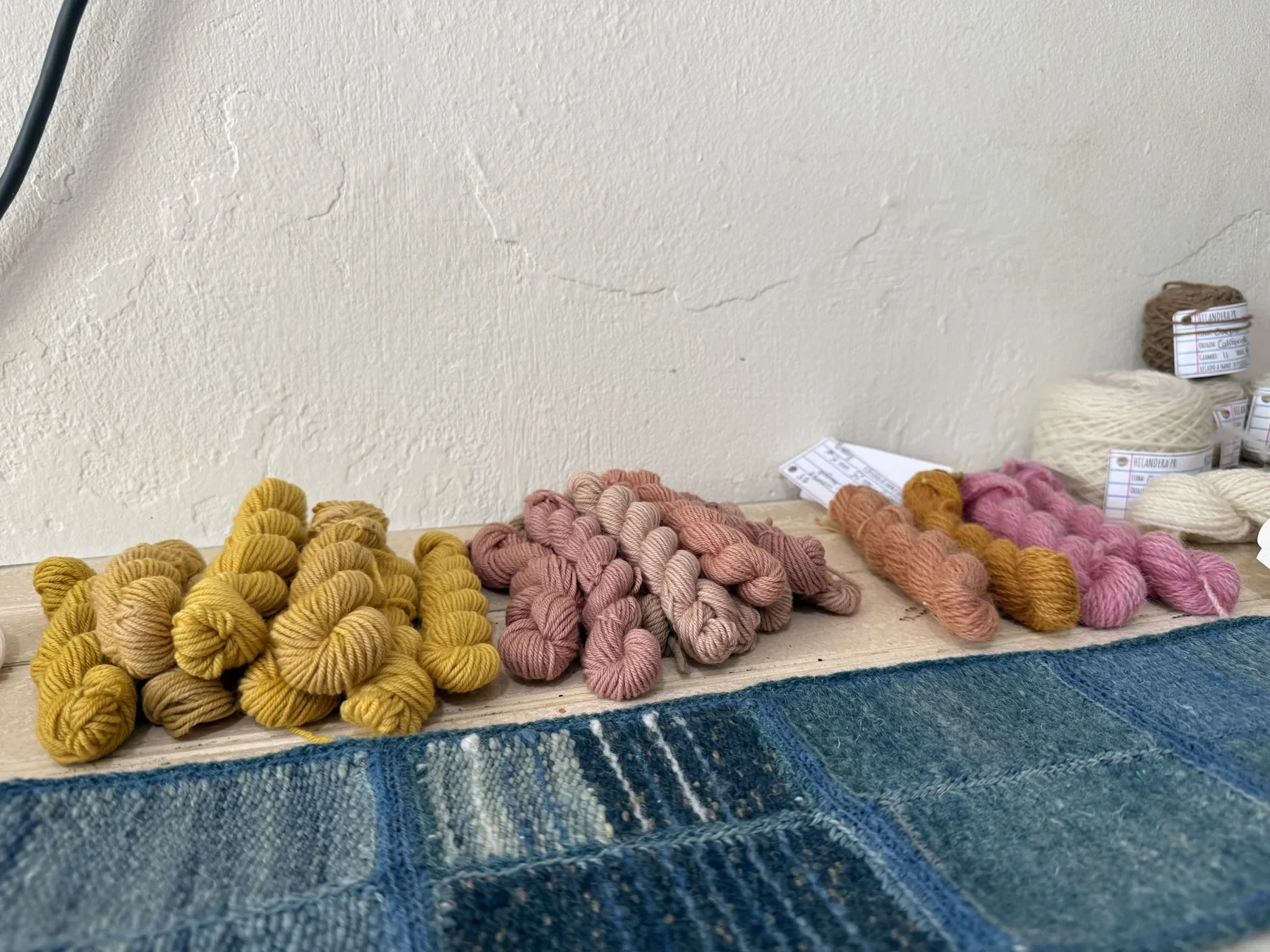
The farm also offers workshops on spinning, botanical printing and indigo extraction, and it regularly hosts school visits, volunteer days and internships. Inside there is an agroecology and textile library open to the public. The space also hosts retreats for companies and artists looking for a different place to disconnect. You can find out about upcoming workshops on their social media.
End of the tour
The route continues.
Share this story or keep exploring more of our reporting.