The Refugio de Vida Silvestre del Embalse La Plata has hosted the first birdwatching program designed specifically for people with total or partial visual impairment. A group of individuals with this condition had the opportunity to experience, mostly through sound, the calls of approximately 20 bird species present at the site.
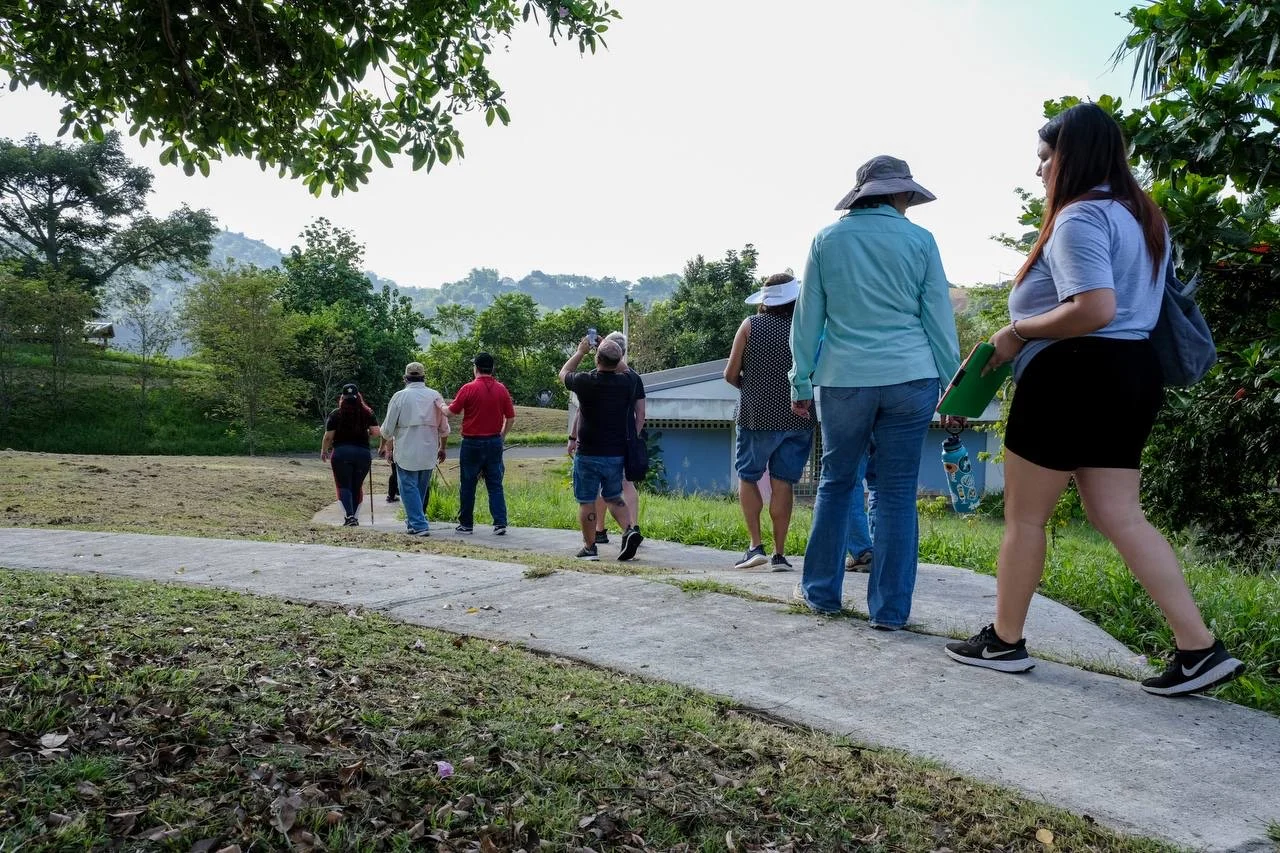
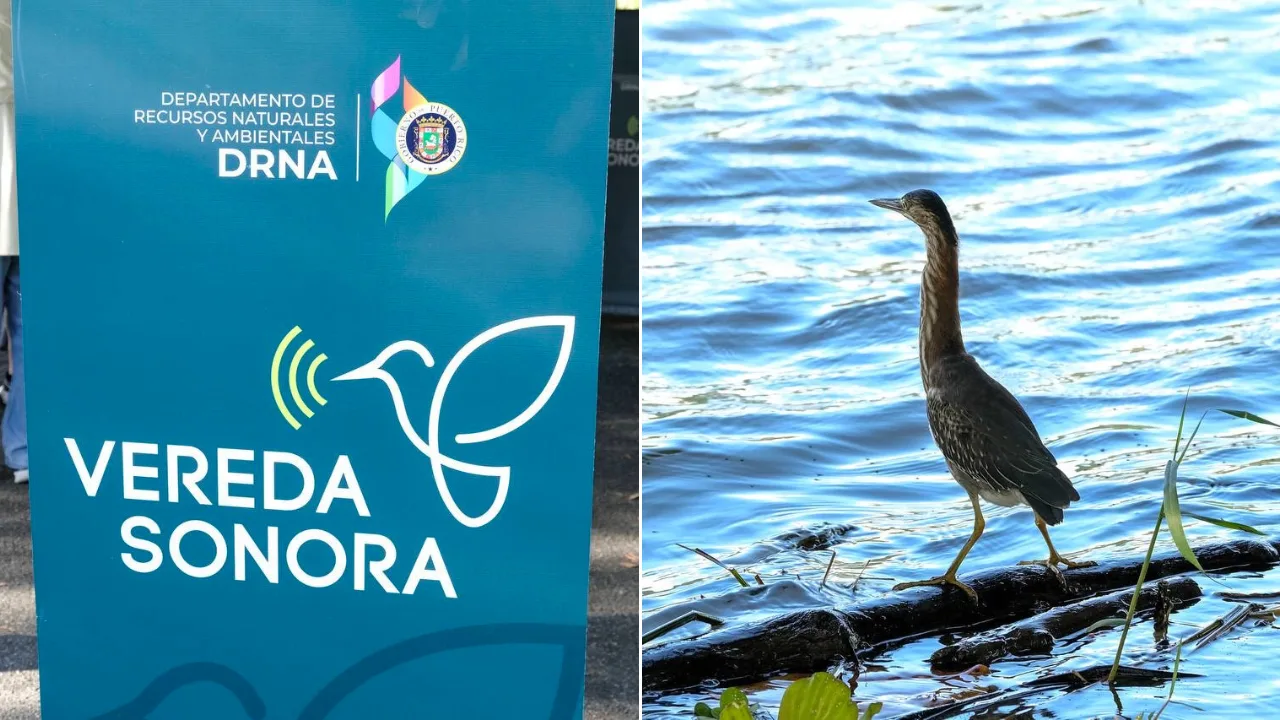
Under the name Vereda Sonora, this pilot project offers a guided tour through the Áreas Naturales Protegidas (ANP) of the Departamento de Recursos Naturales y Ambientales (DRNA).
During the experience, participants can enjoy partial or auditory observation of the birds, adapted to their level of visual impairment.
"After the successful launch of Vereda Sonora, we intend to replicate this experience in all DRNA Áreas Naturales Protegidas that meet the necessary requirements. Today there were 20 species, but Puerto Rico is home to many more that we want to share with all residents, regardless of their visual abilities," said Secretary of Natural Resources Anaís Rodríguez Vega.
To make a reservation, you can send an email to mvalentín@drna.pr.gov
An initiative that bears fruit
This initiative, which has proven valuable to communities in Colombia, was inspired by Juan Pablo Culasso, a blind individual from Uruguay with the remarkable ability to distinguish the calls of more than 83,000 birds.
The implementation of Vereda Sonora has involved the collaboration of committed staff from various government agencies, private-sector specialists, and the Negociado de Investigación y Conservación de Hábitats y Biodiversidad, as well as the Secretaría de Educación y Relaciones con la Comunidad, among other DRNA public servants.
Among the collaborators on Vereda Sonora is professor José M. Álvarez, of the Faculty of Education at the Universidad de Puerto Rico, Río Piedras campus, who, together with his students, has developed a curriculum and specific educational practices for students with visual impairment.
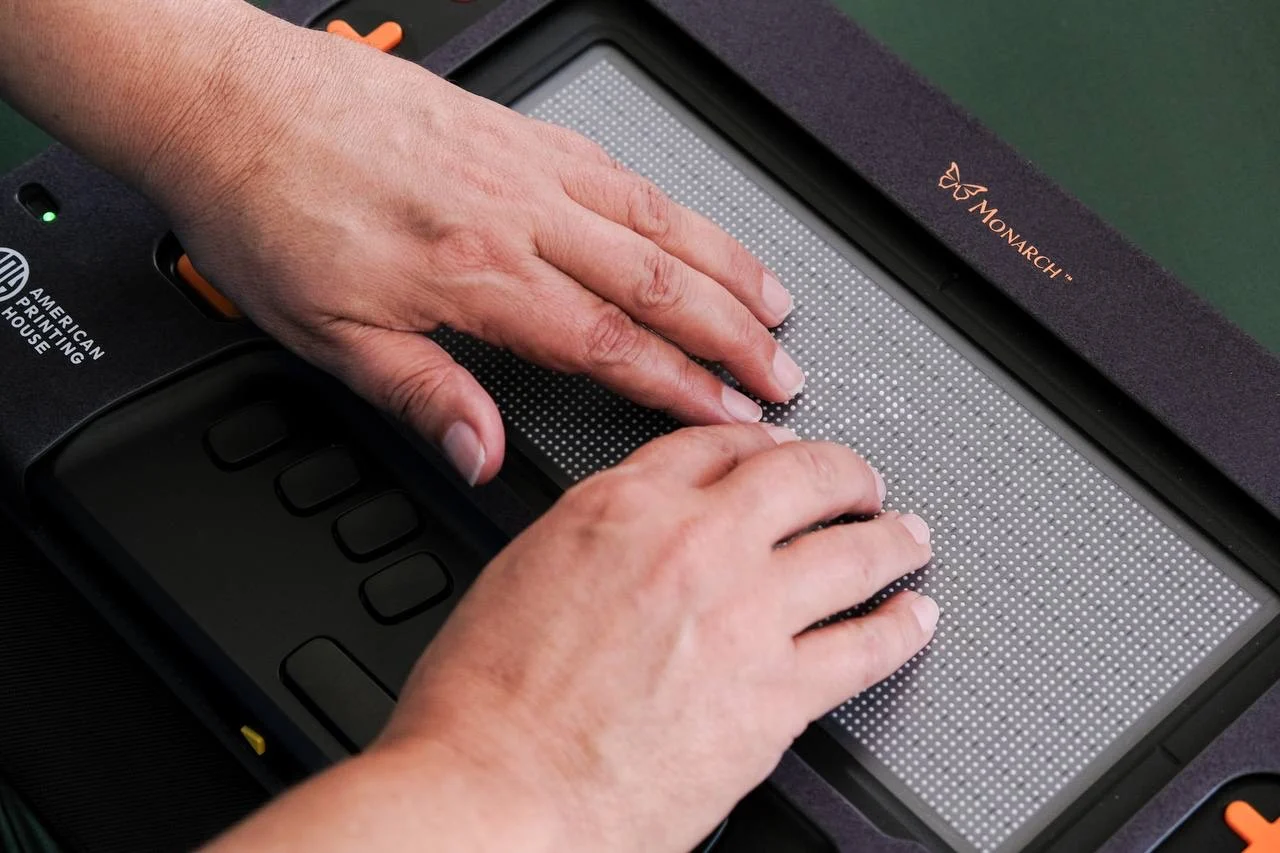
The program includes a database detailing the 20 bird species currently observed at Embalse La Plata, along with their basic characteristics and calls.
In addition, Ismael Figueroa, community relations officer at the Defensoría de las Personas con Impedimentos (DPI), led a workshop for officers in charge of the various DRNA Áreas Naturales Protegidas, titled "Trato Digno para las Personas con Impedimentos."
Finally, ornithologist José Salguero provided technical information on the species identified by Embalse management officer Marinelly Valentín Sivico:
Águila Pescadora (Pandion haliaetus) – Osprey
2. Bien-te-veo (Vireo latimeri.) – Puerto Rican Vireo
3. Gallareta Común (Gallinula chloropus) – West Indian Common Gallinule
4. Garza Real (Ardea alba) Great Egret
5. Garzón Cenizo (Ardea herodias) – American Great Blue Heron
6. Golondrina de cuevas (Petrochelidon fulva) Cave Swallow
7. Guaraguao Colirojo (Buteo Jamaicensis) Red-tailed Hawk
8. Juí de Puerto Rico (Myiarchus antillarum) – Puerto Rican Flycatcher
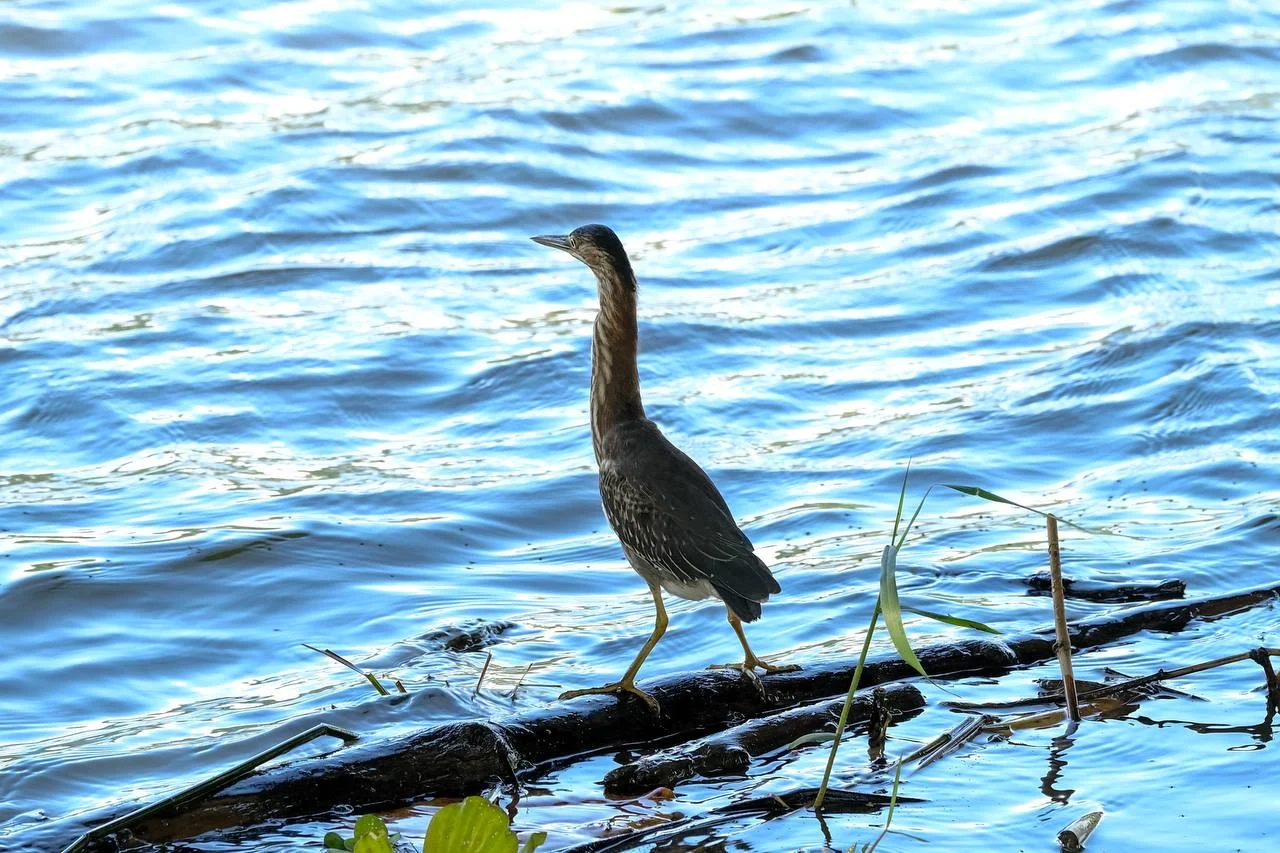
9. Martinete (Butorides virescens) – Green Heron
10. Múcaro, Autillo de P. R. (Megascops nupides) Puerto Rican Screech-Owl
11. pájaro Bobo Menor (Coccyzus minor) – Mangrove Cuckoo
12. Pájaro Carpintero (Melanerpes portoricensis) -. Puerto Rican Woodpecker
13. Paloma Turca (Patagioenas squamosa)- Scaly-naped Pigeon
14. Pelícano Pardo (Pelecanus occidentalis) – Brown Pelican
15. Pitirre (Tyrannus dominicensis) – Gray Kingbird
16. Playerito menudo (Calidris minutilla) – Least Sandpiper
17. Reina Mora (Spindalis portoricensis)- Puerto Rican Spindalis
18. Ruiseñor (Mimus polyglottos) – Northern Mockingbird
19. San Pedrito de Puerto Rico (Todus mexicanus) – Puerto Rican Tody
20. Zumbador Verde (Anthracothorax viridis) – Green Mango
This content was translated with the assistance of Artificial Intelligence (AI).