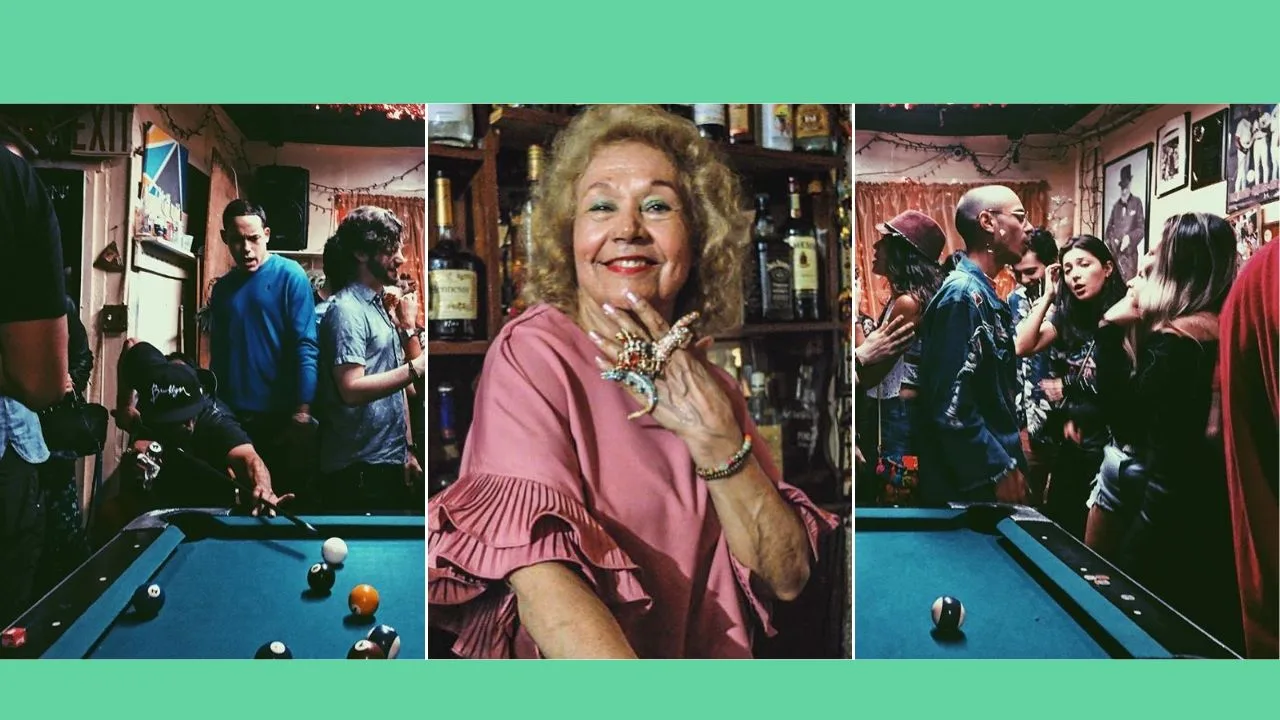
Toñita's Caribbean Social Club, a chinchorro (a casual roadside food and drink spot) in Brooklyn that has been a refuge for the diaspora for four decades, is emerging as a symbol of resistance and pride alongside Bad Bunny.
Champagne with mofongo. That's what I served more than a decade ago at one of my sister's birthdays at the Caribbean Social Club in Brooklyn, also known as "Toñita's," named for the matriarch of one of the last social clubs in all of New York City.
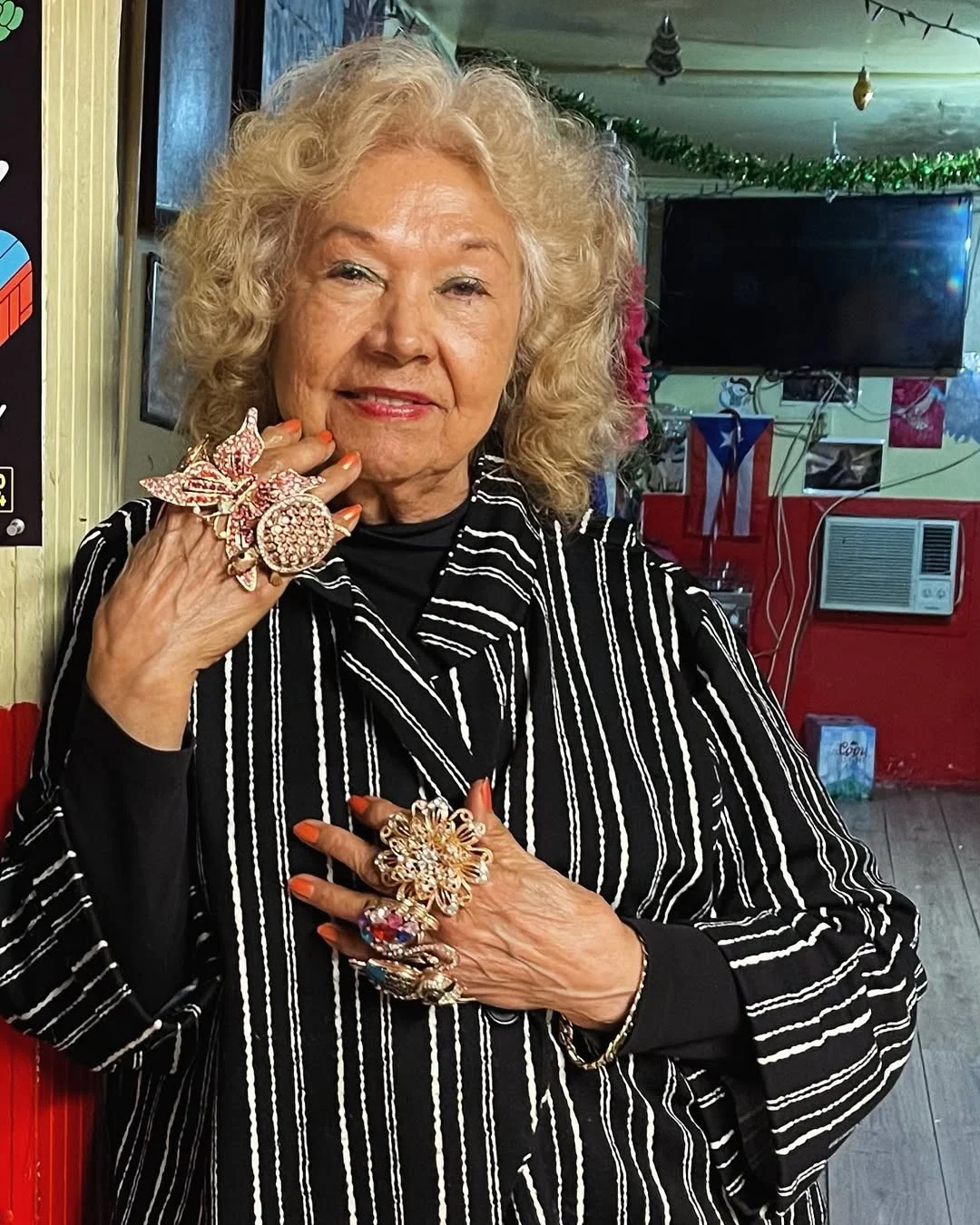
In its chinchorro style, with its worn pool table, domino tables and a jukebox that plays FANIA and Bad Bunny alike, Toñita has spent more than four decades bringing together different generations from all walks of life, Puerto Ricans first, then Latinos and their allies, under one roof.
Before Bad Bunny sang the line "un shot de cañita en casa de Toñita y PR se siente cerquita," in his song "Nueva Yol" and gave her a front-row seat on The Tonight Show with Jimmy Fallon, María Antonia Cay, "Toñita," was already known as the patron of Puerto Rican culture in the Brooklyn diaspora.
Her name had already appeared in documentaries, interviews, and in stories about celebrities such as Madonna, Rauw Alejandro, and J Balvin, among many others who have stopped by.
But this recent connection with Bad Bunny is not about a major artist giving a voice to a small establishment. It is the meeting of two Puerto Rican figures of today.
A matriarch in Los Sures
Originally from Juncos, Puerto Rico, Toñita came to New York with the wave of Puerto Rican immigrants who arrived from the Island between the 1950s and '60s.
During this Great Migration, many Puerto Ricans settled in the southern part of Williamsburg, Brooklyn, which would eventually become known as Los Sures. For many years, Los Sures became a vibrant Puerto Rican community, a piece of Puerto Rico outside the Island, where the culture sprang up on every corner.
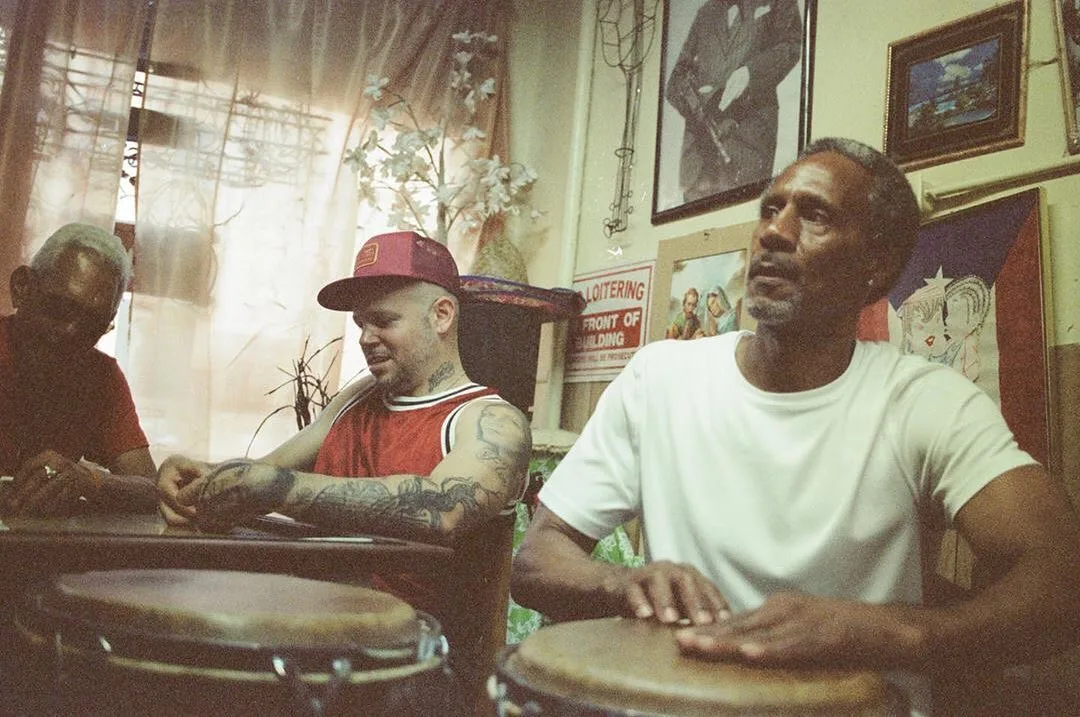
Toñita was only 15 when she arrived in the neighborhood. She spent 20 years working in a skirt factory, saving her money to bring her family over from the Island. In 1986, she bought the building on Grand Street that would become the Caribbean Social Club, a decision that has allowed the space to survive decades of gentrification that have drastically changed the neighborhood.
In an area where few traces of Latino culture remain, Toñita holds her ground.
"They've offered me up to 9 million dollars and I have no intention of ever selling," she said in an interview with Telemundo in June. "We'll stay here as long as God wills."
A home for everyone
The club started as a gathering place for neighborhood baseball teams, but evolved into a vital space for cultural exchange and celebration. From the beginning, Toñita has not only run a club but created a home.
On Sundays and certain other days, she cooks for anyone who needs it, free of charge. You go in, serve yourself a plate of rice and beans, have a Medalla (that one you pay for) with no questions asked, no conditions.
Her generosity is legendary, and her space has served as a gathering point for established and emerging artists alike.
During the recent migration driven by Puerto Rico's economic crisis, the club served as a refuge for a new generation of Puerto Ricans who timidly knocked on its doors. Raquel de Buscabulla, who also collaborated with Bad Bunny on his track "Andrea":
"I still remember the day in 2008, on the way to a restaurant with Joel, peeking into the Caribbean Social Club. I didn't dare go in because it was full of ballplayers and seniors, and he said, "let's go in." 🤣 The rest is history."
By that point, Caribbean Social Club was already serving as a cultural space that brought generations together and celebrated Puerto Rican pride in a special way. Raquel is part of a lineage of artists that also includes other indie acts such as Musaraña and painters like Bobby Cruz, who found inspiration and support under Toñita's roof.
Toñita and Bad Bunny: Two Wings of the Same Bird
There are echoes of everything Toñita represents in Bad Bunny's work, particularly on his most recent album, Debí Tirar Más Fotos. Like Toñita, Benito has created a space where people and surroundings have to adapt to him, not the other way around.
His music pulses with that unbreakable pride and spirit of resistance, the sense of "I am who I am and I don't care what anyone thinks," that has run through Toñita's veins for decades.
And now Bad Bunny honors this icon by introducing her to the world. In doing so, he not only puts Toñita on a global stage but speaks directly to the audience that is central to both of them: Puerto Ricans, Latinos and their allies. As one fan shared on social media: "BB says 'Toñita está en la casa' and I burst into tears."
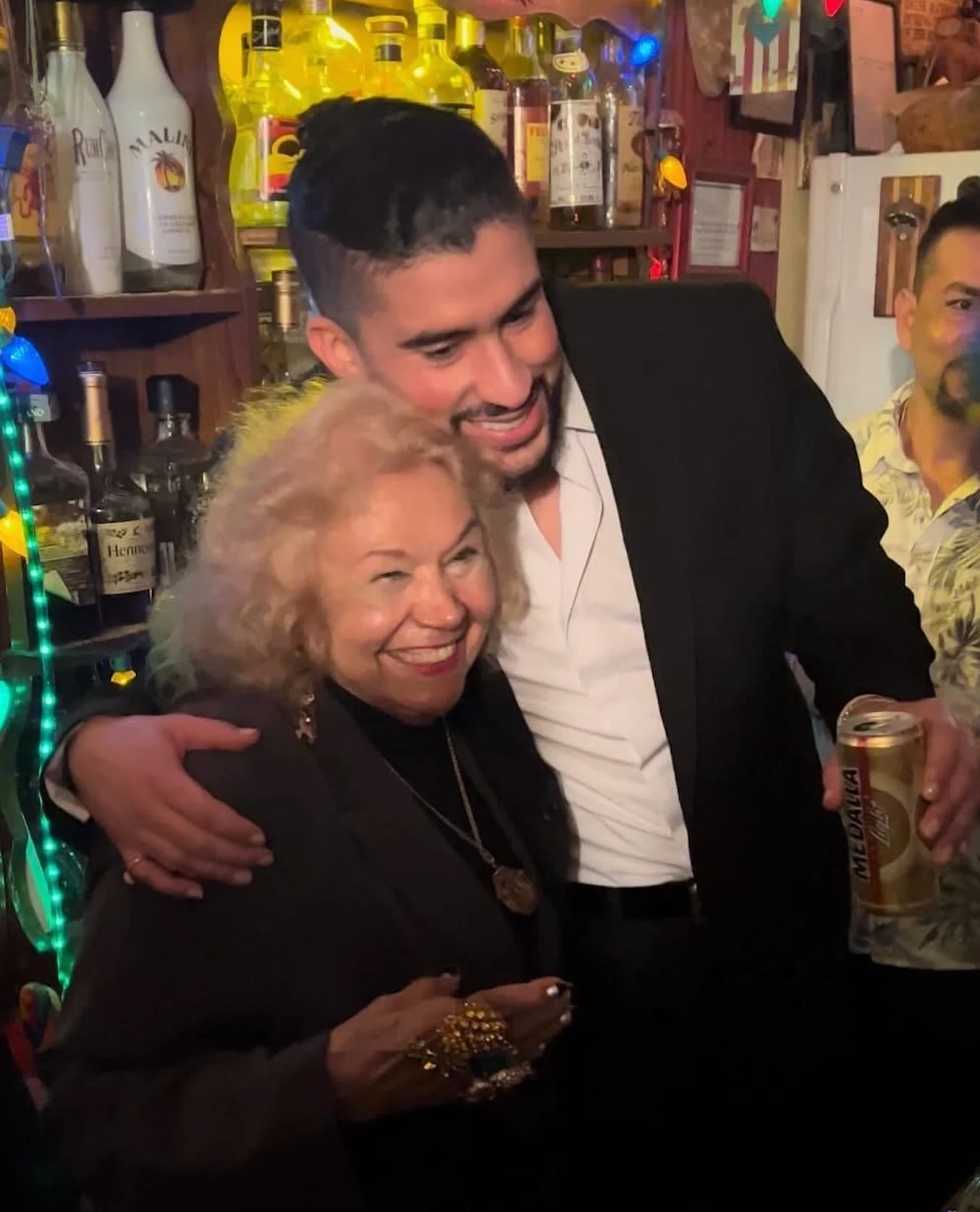
By seeing her and honoring her, Bad Bunny sends a message to his community. He seems to say: "I hear you. I see you. And I will lift your voice as high and as far as mine can reach." In that sense, we are all Toñita.
Could Toñita have imagined any of this when she arrived in New York at 15? I'd like to think that, even without knowing the shape it would take, she always knew she was tough and that something like this was possible.
Between Brooklyn and Puerto Rico, Suset Laboy has built her path as a historian, writer and co-founder of LalaboyPR, a creative consulting firm focused on Latino stories.
This content was translated with the assistance of Artificial Intelligence (AI).