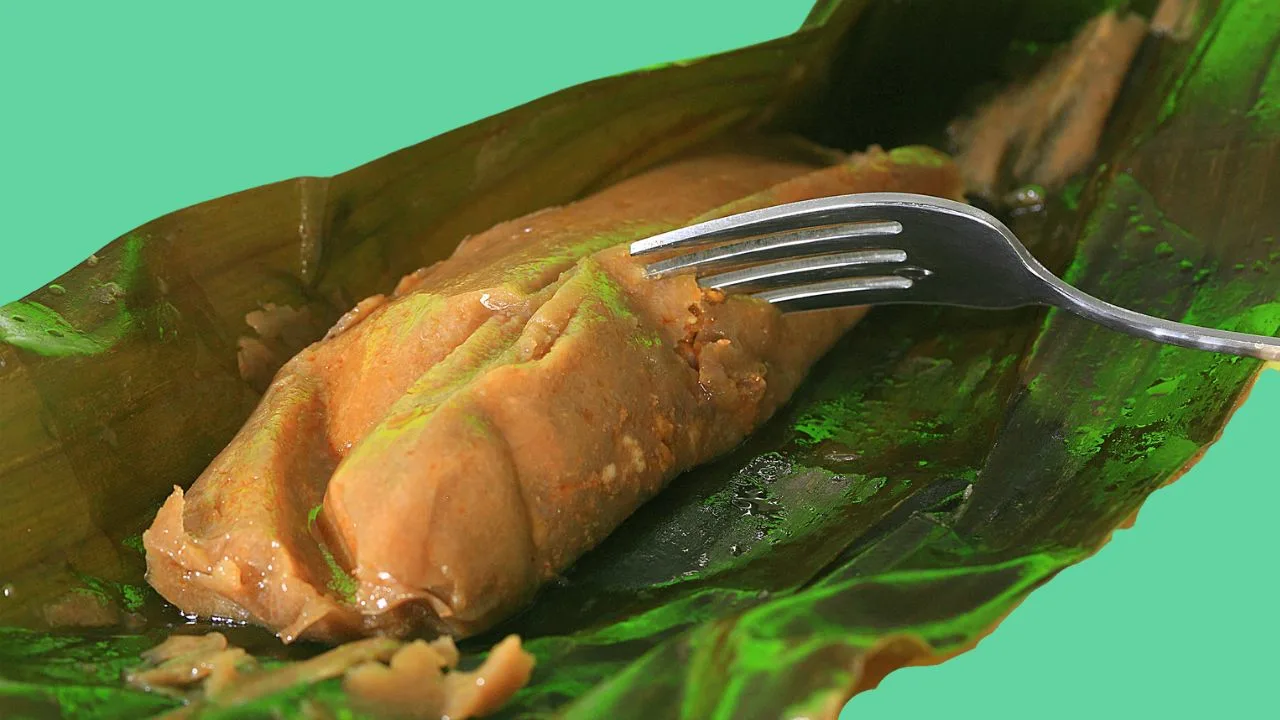
The pastel is one of the pillars of Puerto Rican gastronomy. For many, it is one of the most celebrated Christmas recipes; for others, how it is made remains a mystery. What is certain is that its origin is unclear, and the ideal way to prepare it is subjective.
No one knows exactly how it became a key food of the end-of-year holidays, from Christmas Eve through Three Kings Day. Despite its cultural legacy, its first written recipe did not appear until 1931, in the pamphlet Vegetales Tropicales.
Yet, according to the research of historian Cruz M. Ortiz, the pastel had already been mentioned in three texts of 19th-century Puerto Rican literature.
Below are the theories that experts have offered about the curious link between the Puerto Rican pastel and Christmas.
A gift from the yard
Old texts reveal that the pastel was more than a simple dish: it was a prized gift during the Christmas season, a special way of showing affection. This tradition of giving pasteles helps explain its connection to the holiday period.
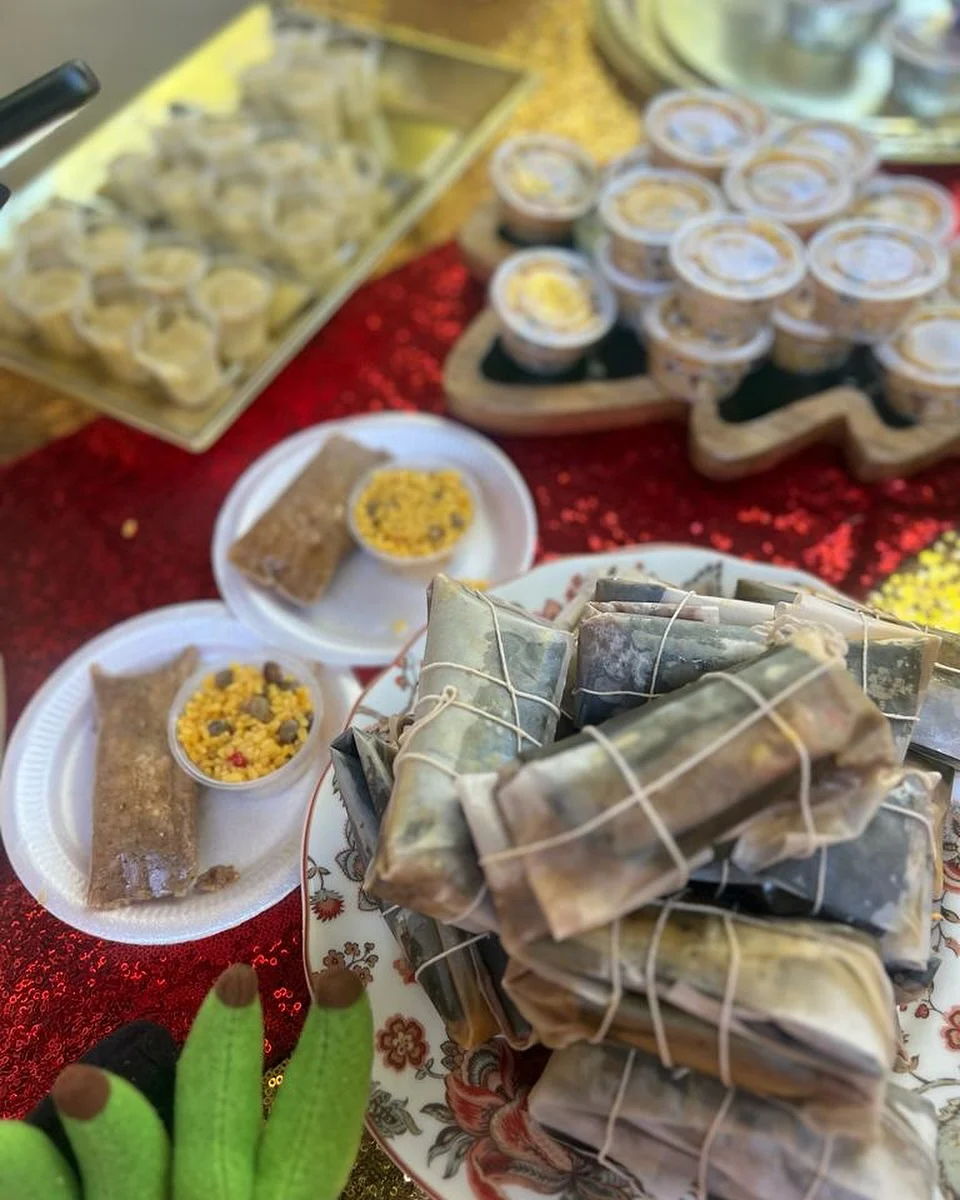
Los Pasteles de Tita (Instagram)
Because making them requires so much time and dedication, giving them as a gift was considered a particularly meaningful gesture, which also explains why each family developed its own special recipe.
"Those who have made pasteles know that it is an undertaking requiring many steps, sharpness, skill and organization. It is also an intuitive process. There is no single uniform way to prepare them,"
reads an excerpt from the book Puerto Rico en la olla: ¿Somos aún lo que comemos?, written by Ortiz.
Giving a pastel showed a genuine, complicated effort made for someone, with the personal touch of a family recipe. Unwrapping one from its banana leaf resembles the act of opening a gift, and it may have been one of the few things many families could offer.
"If I was poor, economically speaking, because perhaps you were rich in many other ways, and I didn't have money to give many gifts to my whole family, the pastel filled that role [...],"
said Crystal Diaz, food security analyst at Espacios Abiertos, in a conversation with Platea.
Sustenance in hard times
Another theory is that, during Christmas, the ingredients needed to make pasteles were easier to find, just as with other seasonal recipes, such as arroz con gandules.
Another theory suggests that the pastel tradition arose from the availability of ingredients during the Christmas season, especially pork. This main ingredient was used to the fullest, becoming not only pasteles but also other traditional dishes such as pernil, morcilla, mondongo and pig's feet.
"I'm going to divide it among different dishes because I have to preserve that meat [...] A lot of the food we eat at Christmas has to do with seasonality and with the issue of limited resources in the countryside," added the co-founder of PRoduce.
The socioeconomic conditions of the rural poor, between 1850 and 1900, may have been part of the creativity that led Puerto Ricans to devise recipes like the pastel.
"The pastel is like that generational gift from the economically struggling Puerto Rican rural poor, over many years"
– Crystal Diaz
A beloved cultural heritage
Over time, pasteles became a Christmas cultural symbol, representing what Cruz describes as 'a culinary mestizaje where Taíno, Spanish and African influences appear'.
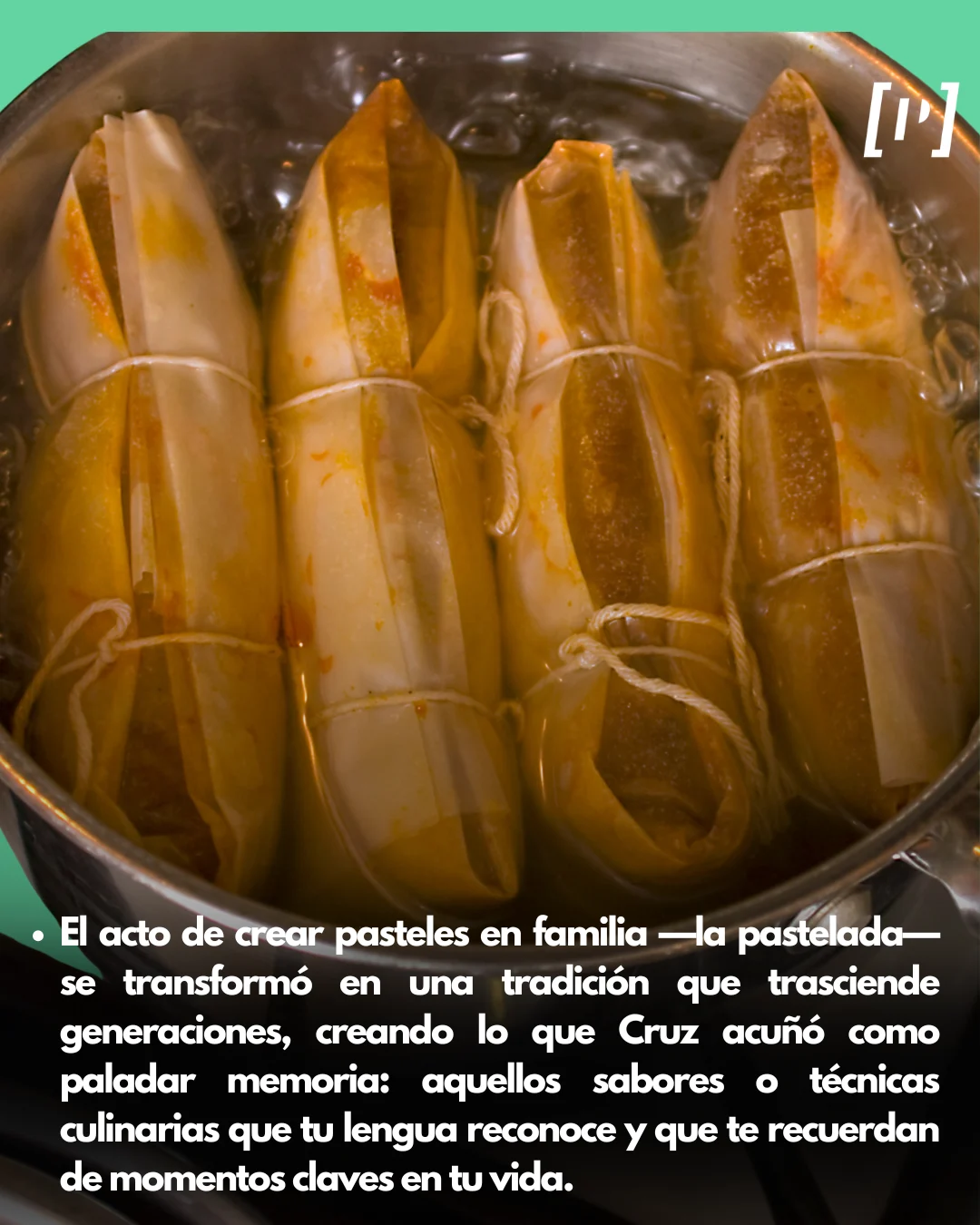
This emotional attachment explains why so many families keep their own particular recipes and pass them down to new generations.
There are also dozens of places to buy pasteles in Puerto Rico, making them a highly sought-after food prepared by small businesses, restaurants and bakeries, which drives demand for green bananas every Christmas.
The future of the pastel
Those who advocate for greater food sovereignty, however, worry that the archipelago does not produce enough food to sustain our culinary traditions: "Even though it is still a Puerto Rican dish, how much of that pastel, today, is made with locally grown ingredients?" Díaz questioned.
The data are telling: in 2019, only 3.68% of the available pork was produced locally. Although some ingredients tend to be local, such as green bananas, their production has also declined sharply.
Originally, pasteles were made with backyard ingredients and common spices. Today, lifestyles have changed and local production faces challenges that require more agricultural incentives.
For Díaz, the solution lies in local production: "If we manage to source most of the ingredients from Puerto Rico, we are not only defending our tradition but also our economy."
This content was translated with the assistance of Artificial Intelligence (AI).