Editor's note: We are revisiting this interview from last year with urban planners who shared solutions other cities have implemented to address flooding and to start a conversation about an issue many Puerto Ricans face on the Island.
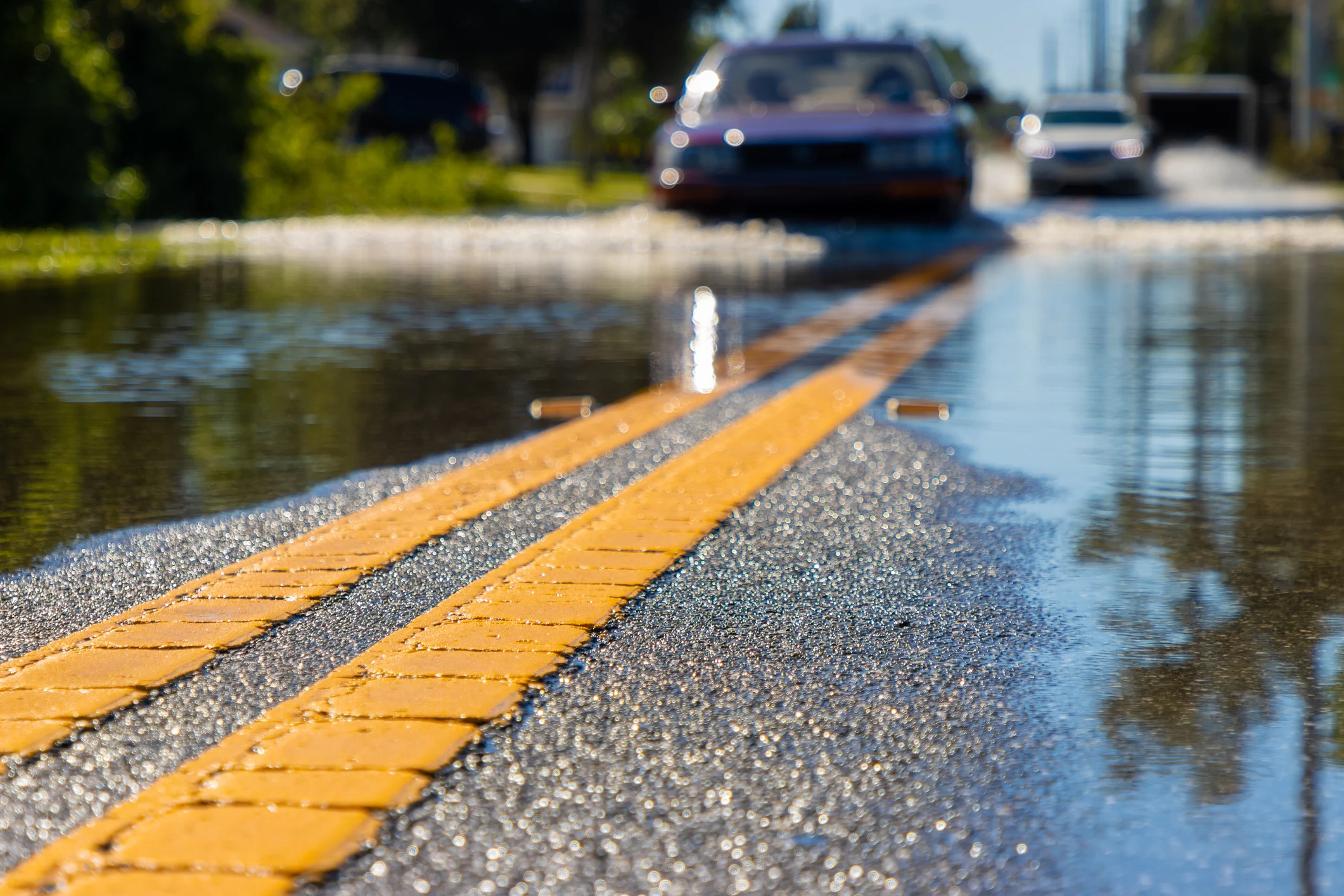
Endless traffic, landslides and residents stranded in the streets: that was the scene thousands faced on Oct. 27 and Nov. 6, amid flash floods in urban areas of Puerto Rico. The events led Gov. Pedro Pierluisi to declare a state of emergency on Oct. 29 for San Juan, Guaynabo, Loíza and Culebra.
The aftermath has left residents shaken. San Juan Mayor Miguel Romero estimated that damage to the capital could "amount to millions of dollars"; other mayors put damage in their municipalities at over $100,000, according to El Nuevo Día. And the situation is likely to continue: during the floods, the National Weather Service (NWS) recorded a daily rainfall record of 5.20 inches in the capital.
— Adana Pérez (@adaperez) October 27, 2023
New rainfall record in Puerto Rico
According to an analysis by Platea, between Oct. 1 and Nov. 25, the NWS issued flood warnings in Puerto Rico for 29 separate dates, or 51.7% of days in that period.
There were also 11 flash flood warnings; 5 of them applied to San Juan and Guaynabo.
Experts consulted agreed that the increase in torrential rainfall due to climate change, the limited options for managing runoff, and urban development in high-risk areas are making conditions worse in urban zones.
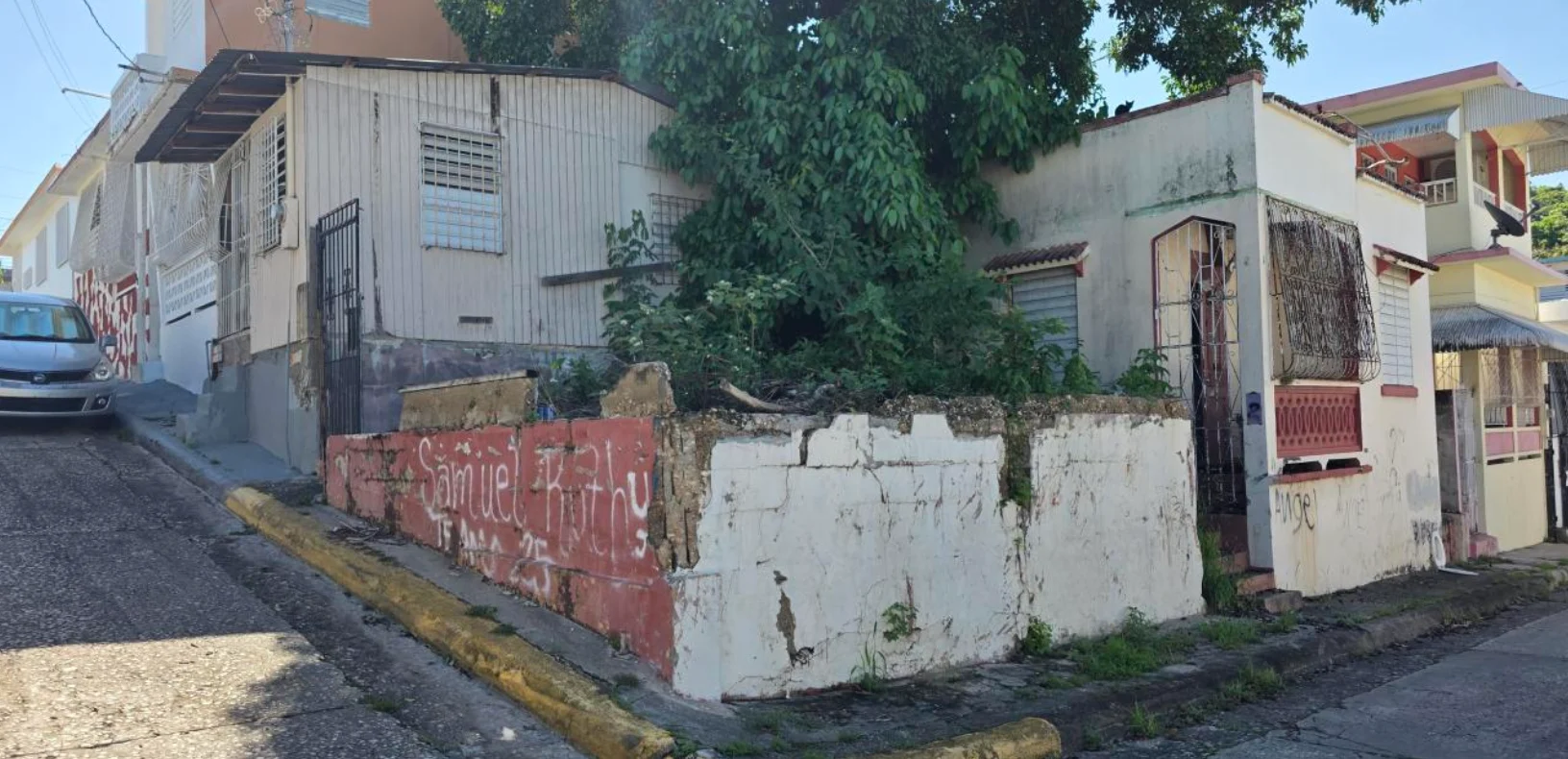
"Those areas are highly urbanized, and there is not much space for anything other than concrete, gravel and road. Tree clearing, interventions that are harmful to the environment […], along with poor maintenance of drainage systems […] are among the things that weigh most heavily when a dangerous flood occurs in urbanized areas," urban planner María Méndez Guijarro told Platea.
While drainage systems are key to preventing floods, updating the system to reflect Puerto Rico's current climate reality is essential.
"Because we have sealed off all of Santurce and the entire area around Baldorioty de Castro, there are no places where the water falling can be absorbed before it reaches the only drain at the Túnel de Minillas," explained planner Pedro Cardona Roig, who cited the 2021 Ocean Park floods as an example illustrating the problem of development in protected and high-risk zones.
Reaching appropriate solutions
The planners consulted by this publication recommended several green infrastructure alternatives as possible solutions to the problem, in addition to maintaining stormwater systems. They noted, however, that each solution must be applied with the context of each particular region in mind.
1. Permeable pavements
Cardona Roig explained that a large amount of land in San Juan and Guaynabo has been sealed without proper impact studies, citing auto dealership parking lots as an example. Permeable pavements are a response to that problem.
Soils with permeable pavement help manage flooding by storing, redirecting or absorbing runoff. Although they should be used in pedestrian areas and low-traffic zones, their strategic placement can reduce water accumulation during torrential rains.
In Madrid, for example, permeable pavement has been incorporated in parks, parking lots and other low-traffic areas to reduce flooding and manage runoff. For their part, students at the Recinto Universitario de Mayagüez developed a type of permeable concrete in 2016 and began installing it in parts of the campus, which is constantly exposed to flooding.
2. Urban reforestation: rain gardens
The nonprofit organization Urbana Planifica emphasized "nature-based solutions," meaning those grounded in natural ecosystems.
Among them, they suggested "reforestation, and especially in urban areas, the integration of green spaces such as parks, gardens and areas with natural vegetation that can absorb rainwater, reduce runoff and decrease the amount of water that flows into drainage systems."
This is where a specific strategy suggested by architect Cardona Roig comes in: rain gardens. These are small depressions, natural or artificial, that can redirect or store surface water during heavy rainfall and thereby reduce what reaches the storm drains. They also reduce the pollutants that water carries along streets.
These gardens, which offer landscaping value, have been implemented in cities such as Los Angeles, Portland and Washington, D.C., to reduce the impact of flooding in highly urbanized areas. In 2018, rain gardens were developed in the La Playa community in Ponce as a community initiative to increase resilience against weather events.
3. Civic participation and individual actions
All the experts agreed that civic participation is key to developing these solutions, especially for communities that have historically faced flooding.
To that end, Cardona Roig pointed out that citizens should prioritize leaders who develop concrete public policy, noting the importance of passing an updated coastal law, to address these problems and comply with laws that prohibit development in risk zones, such as Ley 3 de 1961.
Likewise, Méndez Guijarro stressed that multisectoral collaboration will be necessary to identify the most realistic and effectively implemented solutions:
"We fail if we leave the key players out of the conversation: […] the public sector, the private sector, communities and nonprofit organizations, land trusts. If we don't bring them to the table to be part of the conversation, so they can also bring useful tools, we won't get anywhere. We won't arrive at practical solutions."
Individual steps that experts said each person could take included:
Reduce waste, recycle more and avoid creating illegal dumpsites
Do not cut down mature trees
Do not pave over yards with concrete
Participate in restoration and cleanup efforts for natural systems
Participate in government agency planning processes
One effort in which citizens can take part is the public hearing process on the draft Plan de Mitigación, Adaptación y Mitigación al Cambio Climático (Plan MAR), which will hold its next public hearings on Dec. 1, 8 and 9.
What is the Plan MAR?
The Plan MAR is the first document to establish courses of action and strategies for addressing climate change in Puerto Rico, in compliance with Ley Núm. 33 del 2019.
This content was translated with the assistance of Artificial Intelligence (AI).