In the second episode of Un Sipi con Michi, sommelier Michi Negrón highlights three groundbreaking women in the wine world, recommends four wines made by women, and dispels common beliefs about wine aging and decanting.
💻 Watch the episode on our YouTube channel
This content has been edited and adapted for the web.
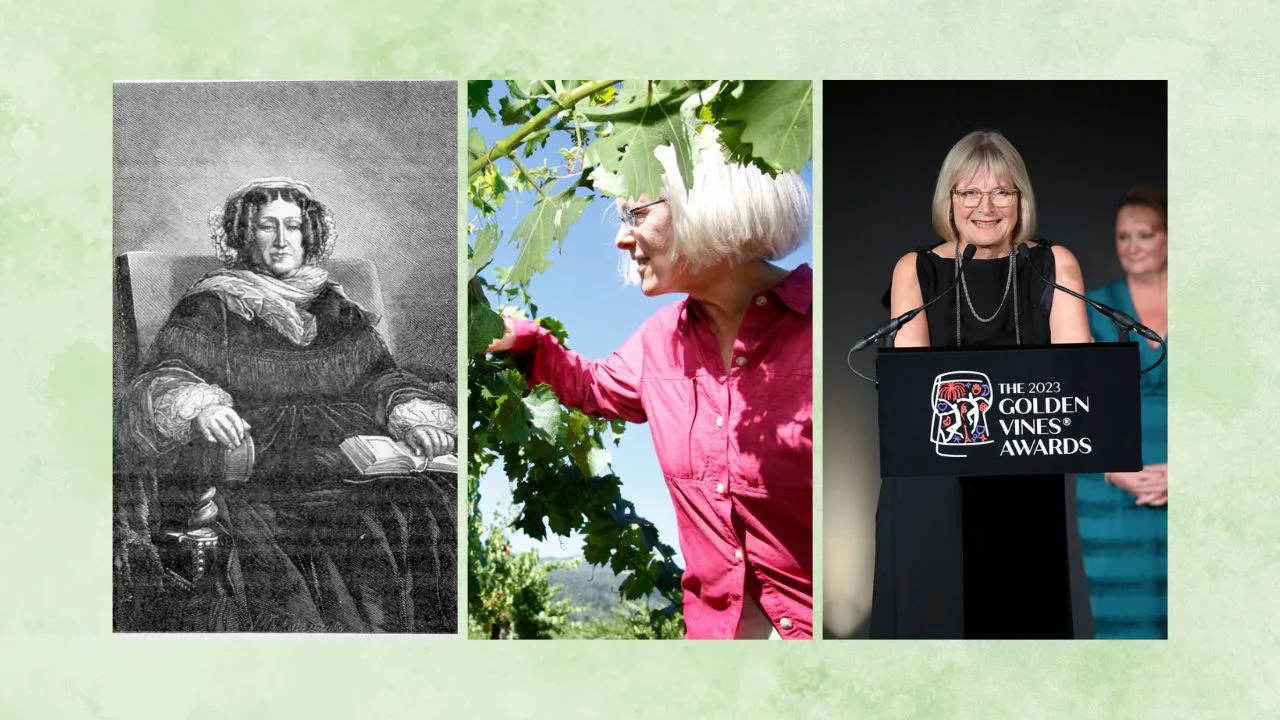
🍾 Madame Clicquot: the grande dame of Champagne
Barbe-Nicole Clicquot Ponsardin was born in 1777 in Reims, France. Known as the Veuve Clicquot ("widow" in French), she inherited the winery at 27 after her husband's death and completely transformed the Champagne industry.
Her major innovation was the riddling rack, or "pupitre de remuage," a specialized piece of furniture that holds bottles so they can be rotated during the aging process.
The technique allows sediment to collect in the neck of the bottle, making the bottling process considerably easier.
The techniques she invented are still used today in Champagne production, cementing her legacy as "La Gran Dama del Champagne" and transforming Veuve Clicquot into one of the most prestigious Champagne houses in the world.
🍷Cathy Corison: The revolutionary of Napa Valley
Corison revolutionized the way Cabernet Sauvignon is made in Napa Valley, California. In 1987 she founded Corison Winery, located on the prestigious Rutherford Bench.
Corison has focused on making wines that express the unique character of the vineyards, without heavy oak influence or high alcohol levels.
She committed to wines that age gracefully and carry a lower alcohol content, building a distinct identity in a region known for its powerful wines.
✍️ Jancis Robinson: The critical voice of wine
For Michi, no conversation about trailblazing women in the wine world would be complete without mentioning Robinson, the influential British expert who has established herself as one of the most important writers, editors and critics in the global wine industry.
In 1984, Robinson made history by becoming the first person outside the wine trade to pass the rigorous Master of Wine exam.
Co-author of foundational works such as
Robinson also has her own website that hosts an extensive database of tasting notes, articles and educational materials, helping consumers decide what to drink and why.
Four wines made by women
Inspired by these pioneers who opened doors in the wine world, Michi also invites us to discover four bottles made by women or from wineries led by women owners.
"Every good tasting begins with a glass of Champagne," Michi reminds us as she guides us through this selection, which can be found at The House, a wine, beer and spirits specialty shop with locations in Guaynabo, San Juan and Caguas.
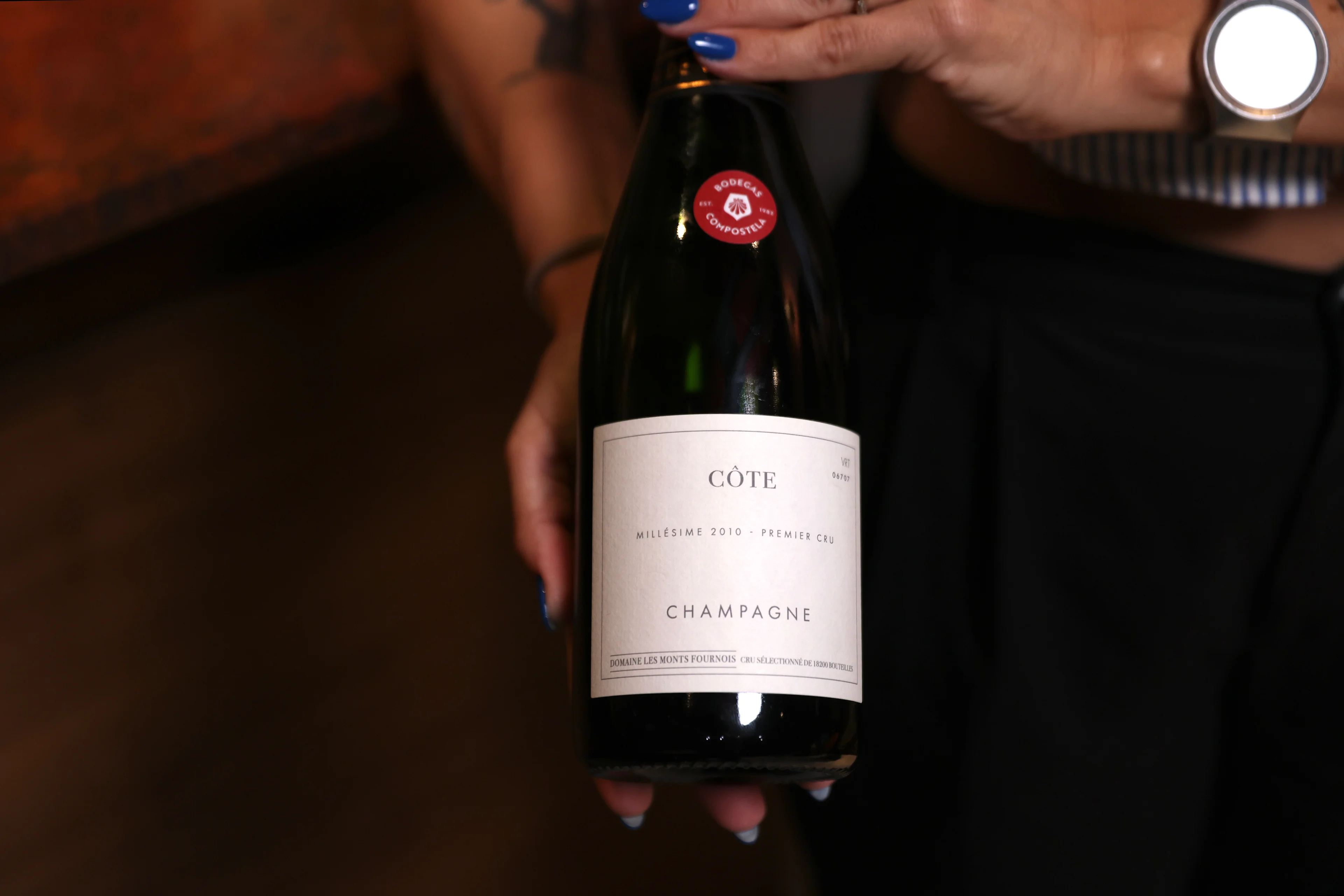
Champagne Domaine Le Montfort Noir (2010)
Made by: Juliet Laval, winemaker at Verzy.
Characteristics:
Grape: 100% Chardonnay (Blanc de Blancs)
Profile: Precise, complex, refined and with good aging potential
Region: Champagne, France
Pairings: Salmon, oysters and soft cheeses such as brie or camembert.
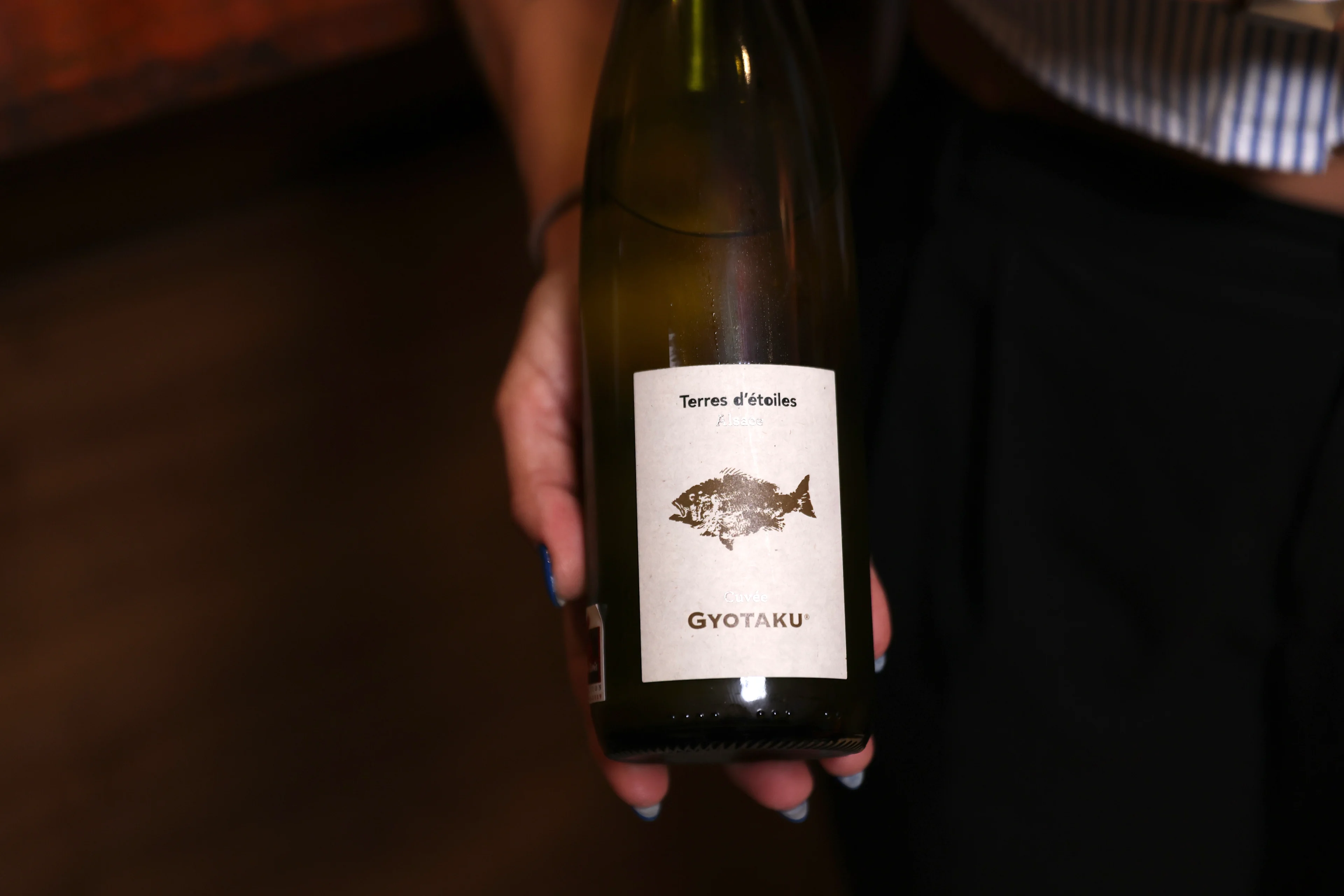
Domaine Mittnacht Frères (Alsace)
Made by: Yuka and Christophe Mittnacht
Characteristics:
Grapes: Blend of Pinot Blanc, Gewürztraminer, Riesling and Muscat
Region: Alsace, France (on the border with Switzerland and Germany)
Profile: Fresh, aromatic and with good acidity
Note: Mittnacht means "midnight" in German
Pairings: Sushi and Asian food in general.
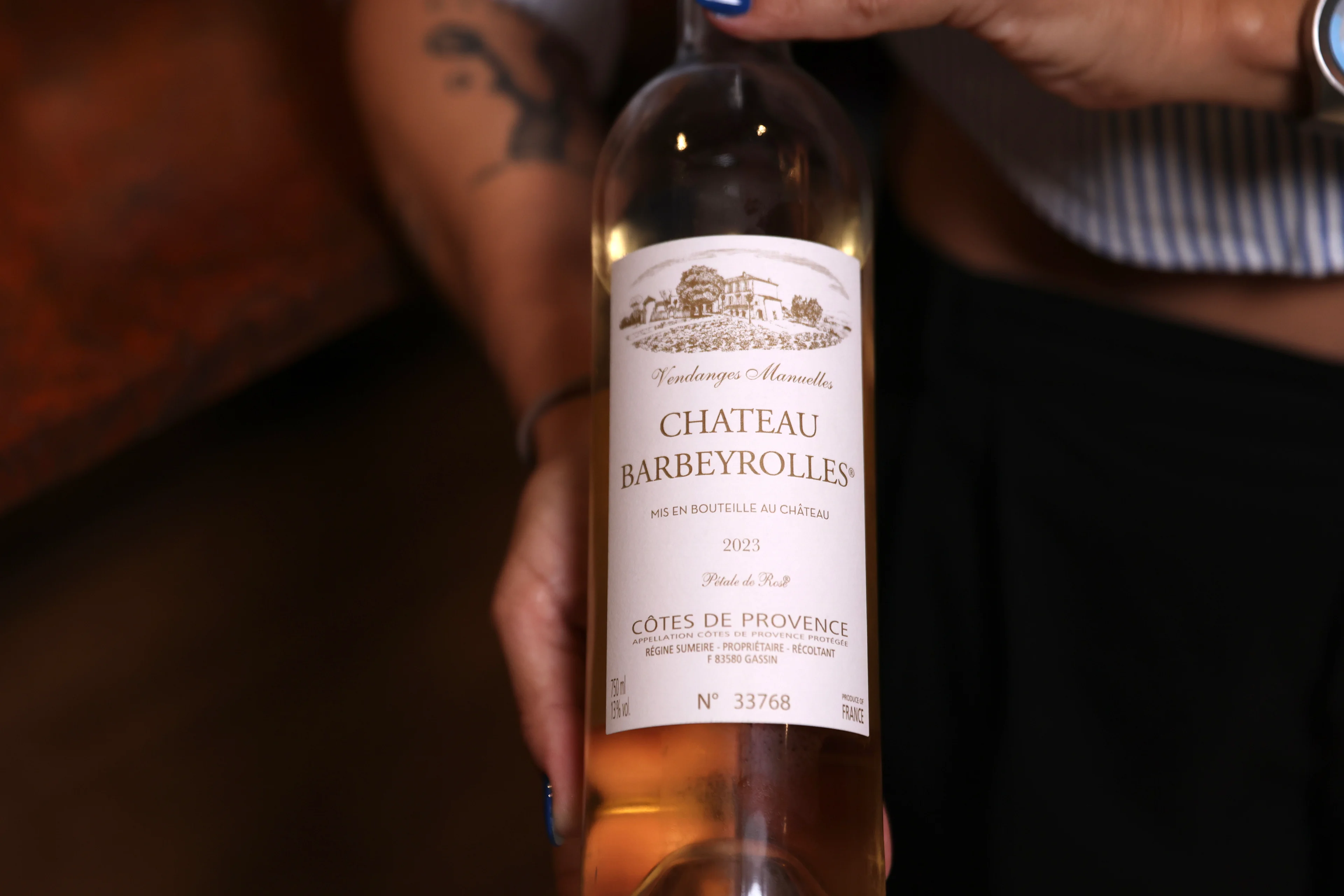
Château Barbeyrolles “Pétale de Rose”
Made by: Régine Sumeire
Characteristics:
Grapes: Grenache, Cinsault, Cabernet Sauvignon and Rolle (Vermentino)
Region: Provence, southern France
Profile: Elegant, aromatic, with notes of fresh red fruit
Method: Uses a Champagne press to press the grapes
Pairings: Shrimp, risottos and herb chicken.
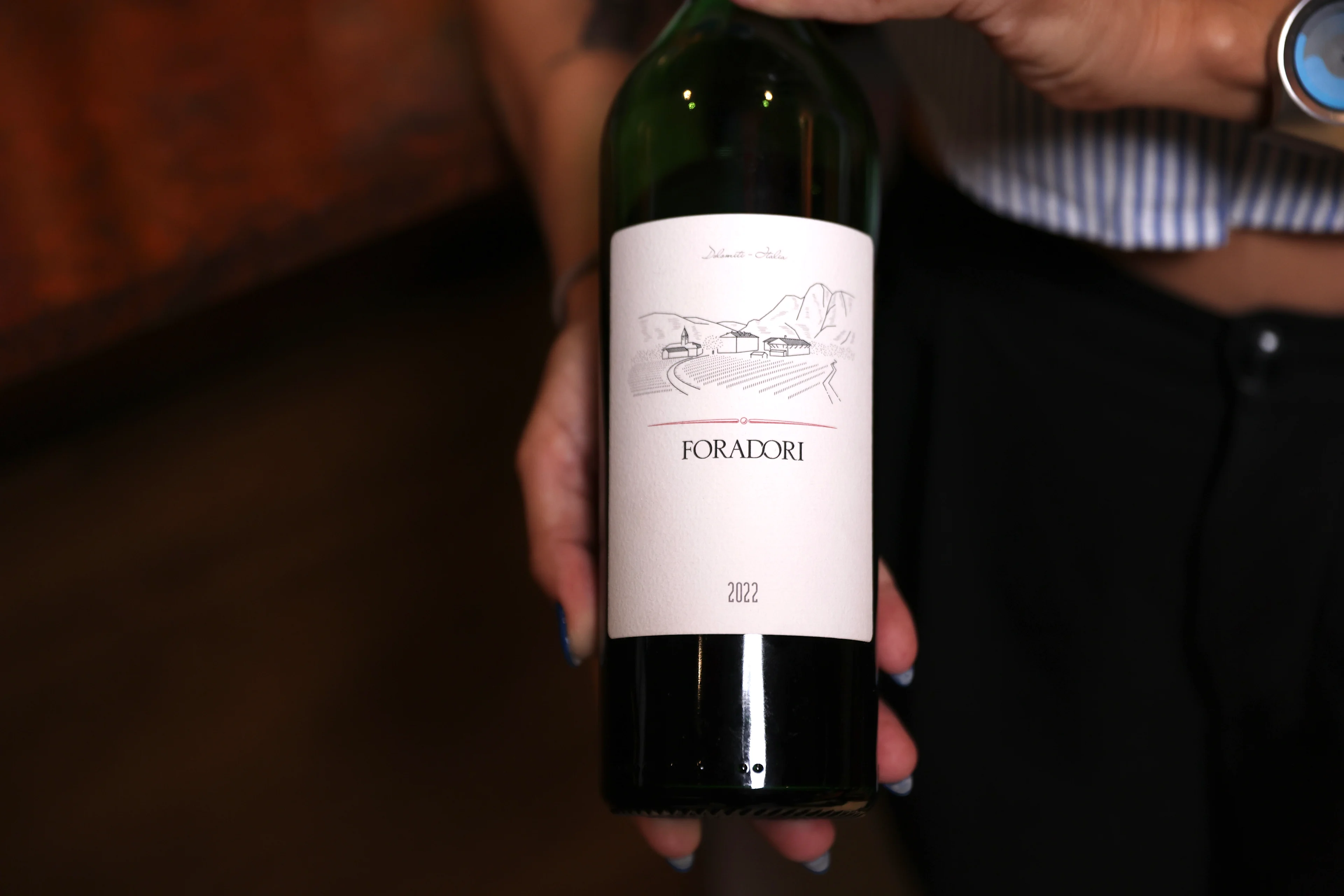
Foradori Teroldego Rotaliano
Made by: Elisabetta Foradori
Characteristics:
Grape: Teroldego
Region: Trentino-Alto Adige, northern Italy
Profile: Elegant, with good structure and refined tannins
Winery: Organic and biodynamic agricultural estate
Pairings: Grilled meats, barbecue and aged cheeses.
And finally…
Do all wines improve with time?
Myth:
All wines improve with time and bottle aging.
Reality:
Most wines are designed to be consumed within a few years of production.
A common question among lovers of this drink is whether all wines improve with bottle aging. The answer is clear: the great majority of wines are made to highlight their fruity, fresh and floral notes, which are best appreciated in the first two to three years after bottling.
Wines meant to age have high levels of tannins, acidity and other preserving compounds that help develop complexity over time, while wines made for quick consumption are crafted to bring out their fresh, fruity qualities. They are two different winemaking styles with distinct purposes.
This content was translated with the assistance of Artificial Intelligence (AI).