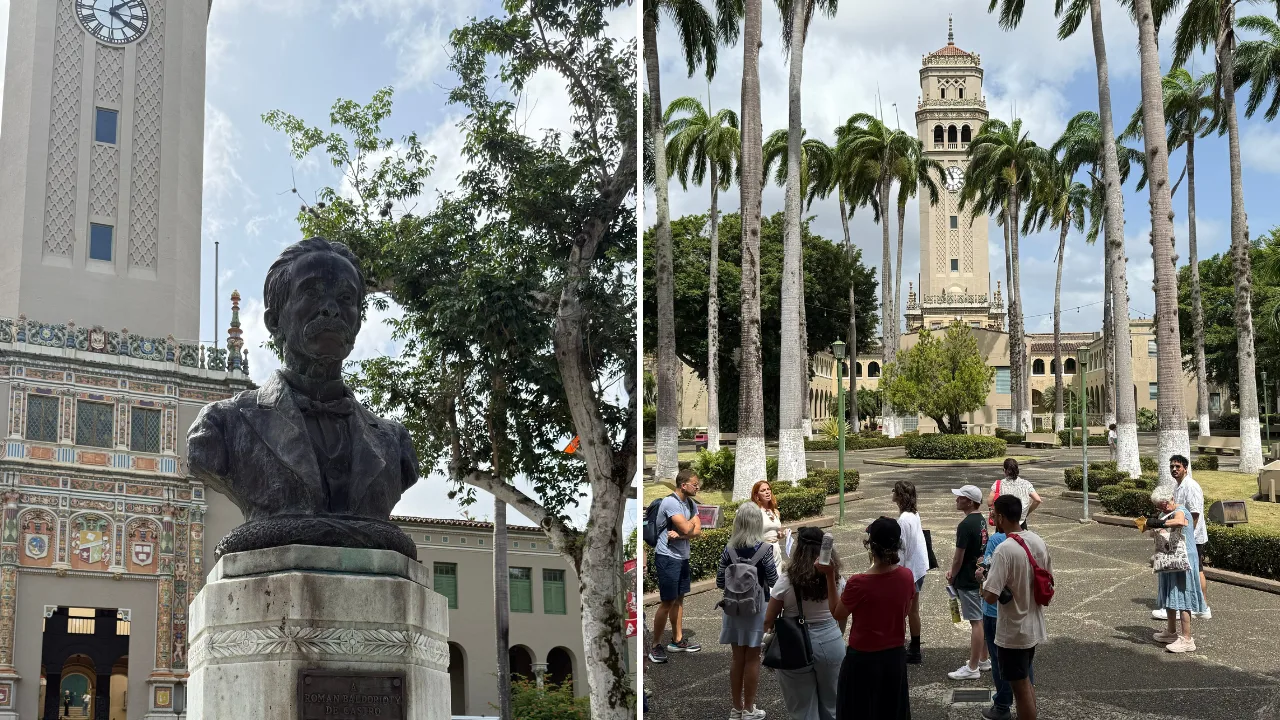
Walking through the Universidad de Puerto Rico in Río Piedras is now a trip through time.
'Rutas Culturales', the campus's new project, turns every historic building, monument and work of art into a required stop for understanding the architectural and cultural evolution of the university campus.
The initiative aims to "educate the people who visit us and also raise awareness among the university community about the historical and artistic value we have here," said Camila Hernández, projects coordinator at the Oficina de Planificación y Desarrollo Físico (OPDF).
The UPR tour initiative, which has been in planning for just over a year, according to Hernández, and launched on May 8 of this year, is a collaboration between the office of the chancellor, Dr. Angélica Varela, the OPDF, the Escuela de Arquitectura and Radio Universidad.
Hernández, who is also an architect, emphasizes that the project aims to involve the university community and invite local and international tourists to enjoy the heritage on the Río Piedras campus, noting that these architectural and artistic treasures belong to all citizens.
"We should all take ownership of what we have and make it part of ourselves, because it belongs not just to the campus but truly to the entire Island," she added.
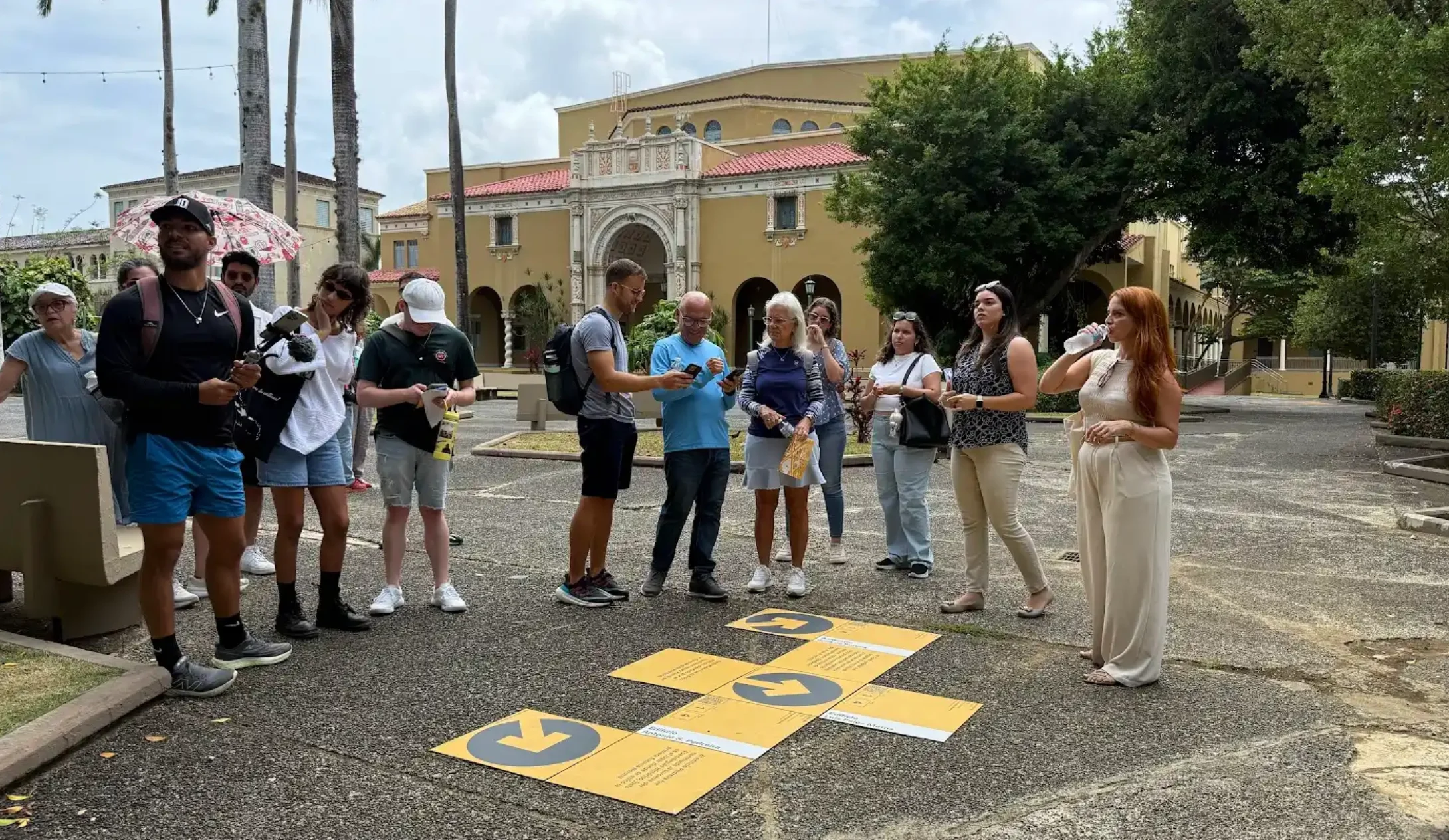
The historic walks through UPR
To decide which cultural heritage sites would be featured in the Rutas, the OPDF carried out a review of the buildings and works to include.
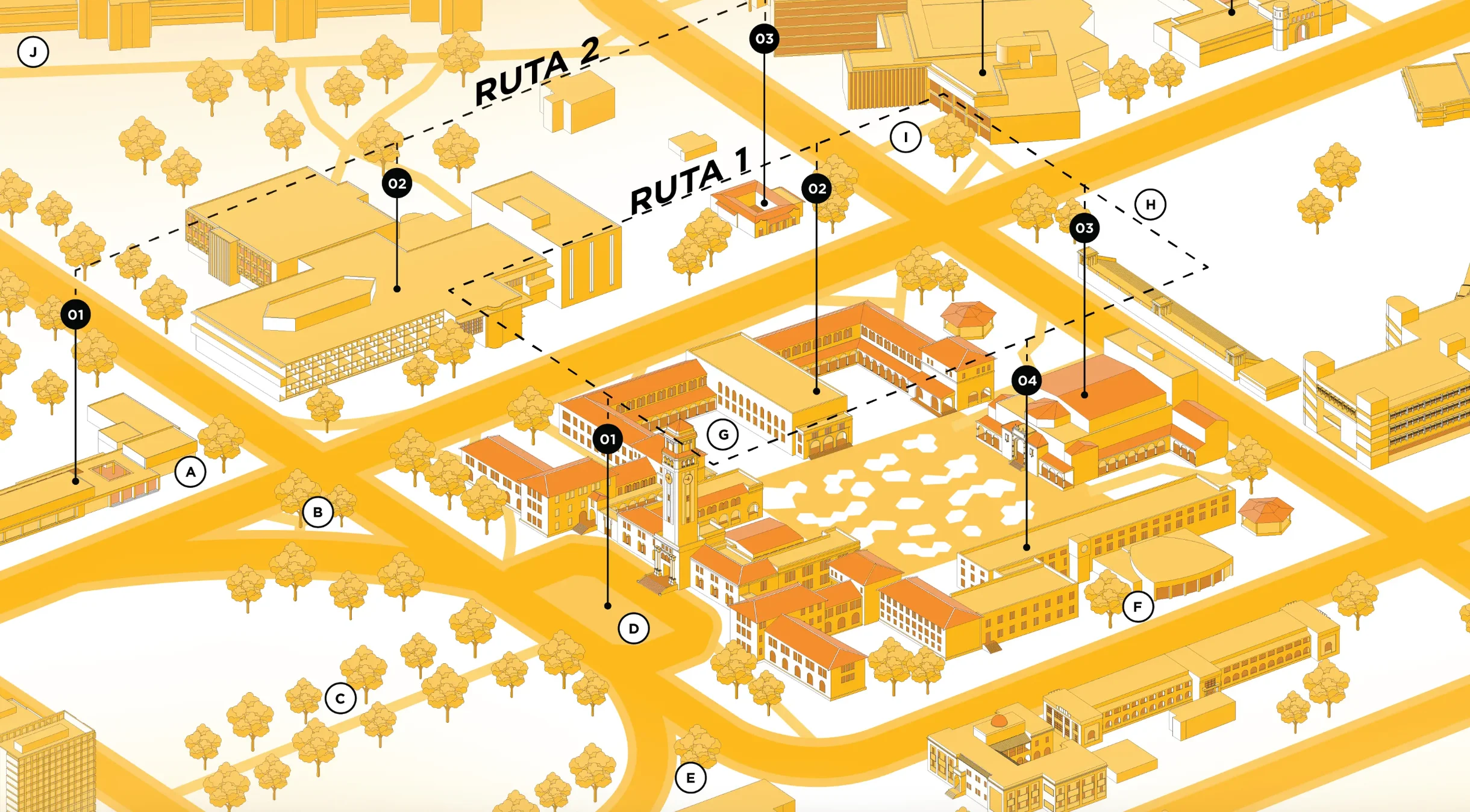
From that review, two architectural routes and one art route were created, with monuments distributed across campus.
What are the stops?
The first takes visitors through the campus's historic Cuadrángulo, beginning at Plaza Baldorioty de Castro, the Torre Franklin Delano Roosevelt, the Antigua Biblioteca and the buildings that today make up the Facultad de Humanidades, where the Escuela Normal Industrial, the country's first teacher-training center, was originally located.
The second route is called "Corredor Universitario," as each location sits along the stretch of Avenida Universidad that continues inside the Río Piedras campus.
This route includes the Museo de Historia, Antropología y Arte, the Biblioteca José M. Lázaro, the Casa del Canciller, the Centro Universitario and the former Armería General Cordero Dávila.
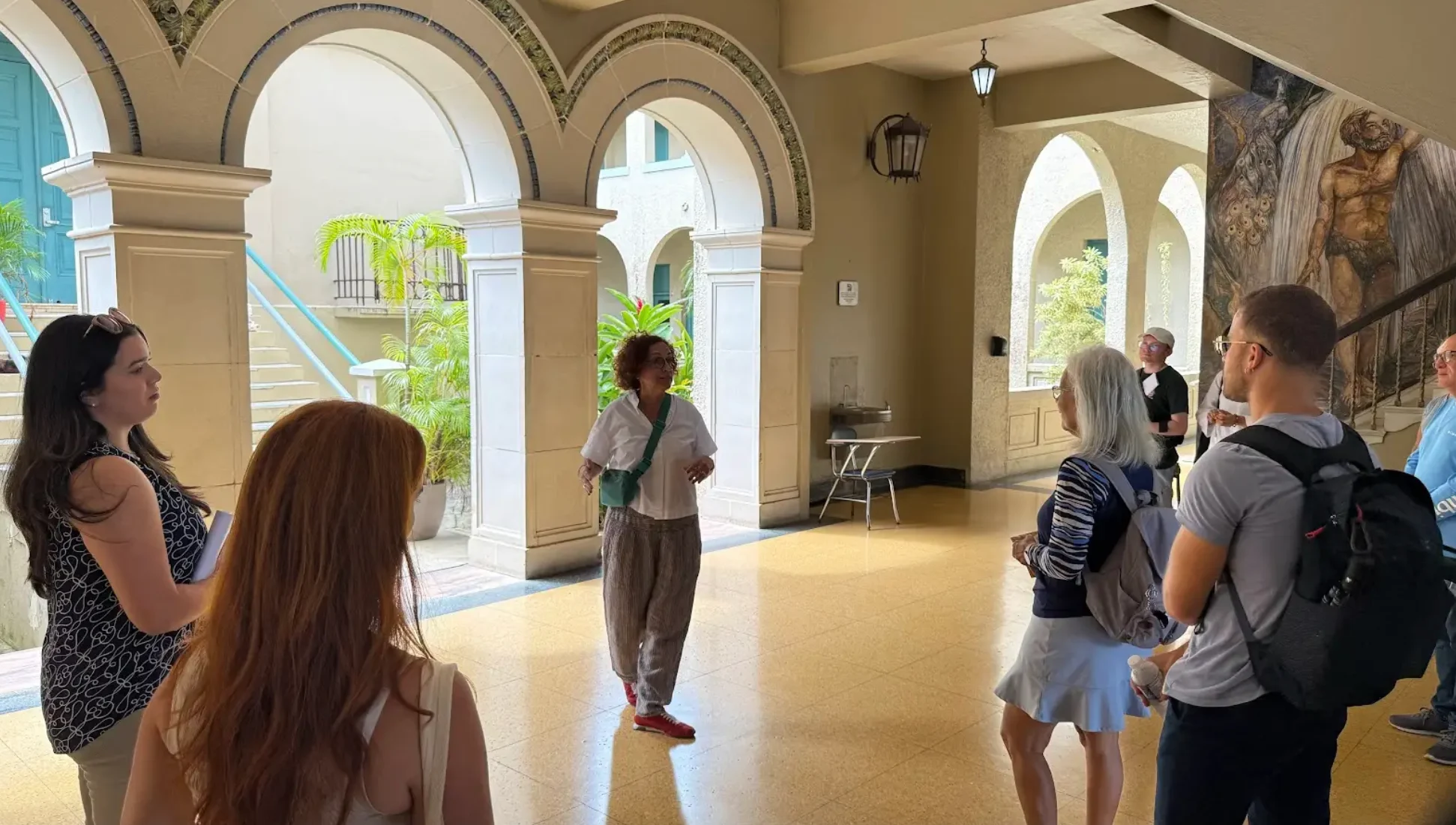
The tours are currently free, but Hernández noted that there will eventually be a suggested donation to pay the student guides who lead them and to reinvest in the program.
Self-guided tours for everyone
As part of the project, Rutas Culturales includes a third, unguided route through monuments and sculptures that honor different important figures in the history of the country, "so that people can discover it at their own pace and in their own order," Hernández said.
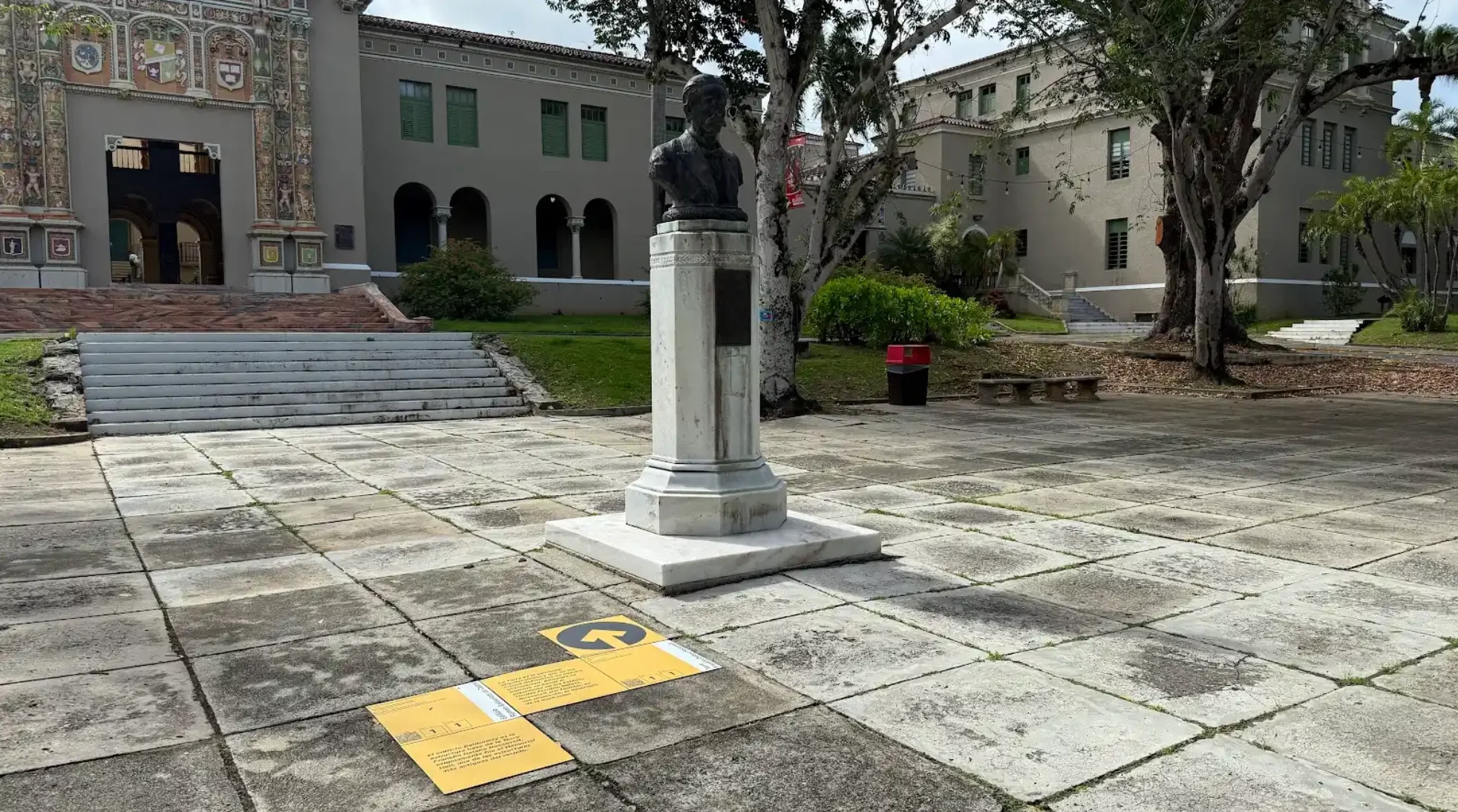
The self-guided route includes works honoring Eugenio María de Hostos, the Puerto Rican teacher, la Glorieta de los Poetas, Luis Muñoz Marín and other Puerto Rican historical figures.
For greater accessibility, Rutas Culturales has QR codes at each stop.
The codes link to a website with audio guides and transcripts that explain each building and work of art in detail, allowing visitors to take self-guided tours at their own pace.
"(The audio guides contain) specific information about each building (or work of art): the year of construction, the architectural style, and a phrase that highlights what is happening with that building," the architect said of the audio guides.
To take part in the Rutas Culturales tours, which are offered on Tuesdays and Thursdays, you can send an email to opdf.rrp@upr.edu.
This content was translated with the assistance of Artificial Intelligence (AI).