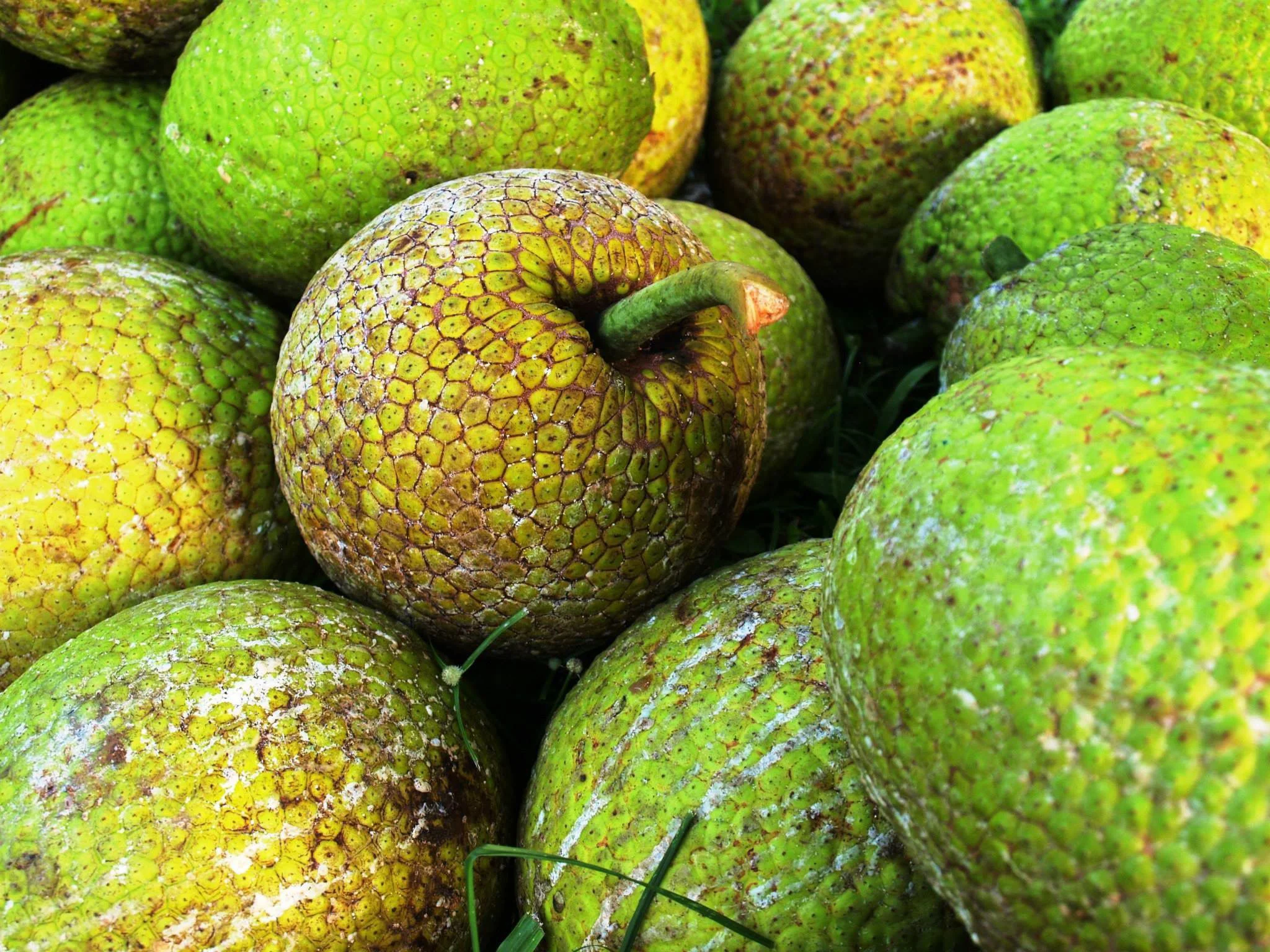
In the barrio Mariana of Humacao, a fruit with a colonial history has been bringing a community together for 40 years.
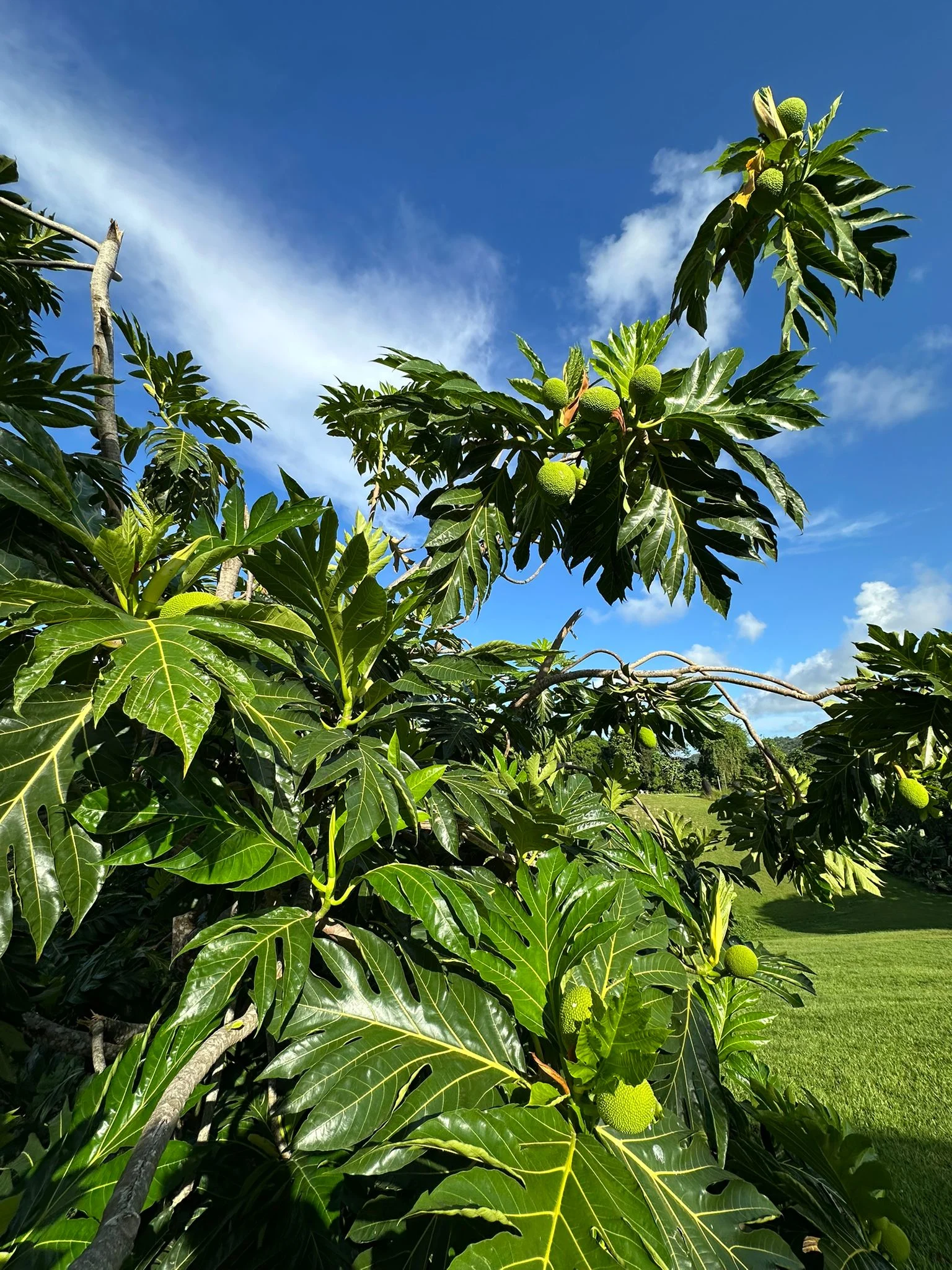
Zoelis Vega-Vega grew up surrounded by breadfruit trees. There was one in her yard, one in her neighbors' yards, and they grew wild throughout barrio Mariana, in Humacao.
Breadfruit is the center and heart of her community's life.
"Having a breadfruit tree in Mariana is almost mandatory and completely normal," Vega-Vega explains.
This fruit from the Pacific, which arrived in Puerto Rico at the end of the 18th century as part of the Caribbean's colonial history, helped the barrio Mariana community raise funds to address community needs in the '80s through the well-known Festival de la Pana.
This year, the Asociación Recreativa y Educativa Comunal del Barrio Mariana (ARECMA) will hold the 37th edition of the festival from Aug. 29 to 31, with traditional dishes, jíbara music and a multigenerational tradition that shows how local agriculture and community organizing create lasting bonds.
Vega points out that for the barrio Mariana community, breadfruit is much more than a fruit.
"Breadfruit for us is gold; it symbolizes a community of struggle and unity."
Zoelis Vega-Vega, president of the ARECMA board of directors.
How was the Festival de la Pana born?
The history of the festival began in the fall of 1984 in the kitchen of Carmen Julia Rodríguez, the grandmother of current president Vega-Vega. There, neighbors and ARECMA members gathered to take a cooking and baking class.
The neighbors talked about creating an event that would showcase their culinary creativity using breadfruit and generate an economic boost for the community.
"In that same conversation, they recognized the number of breadfruit trees we have always had, and one of the neighbors said: 'With so many breadfruits we have, why don't we create the Festival de la Pana?'" Vega-Vega recounts.
ARECMA, founded in 1982 by volunteer neighbors, did not hesitate at the idea.
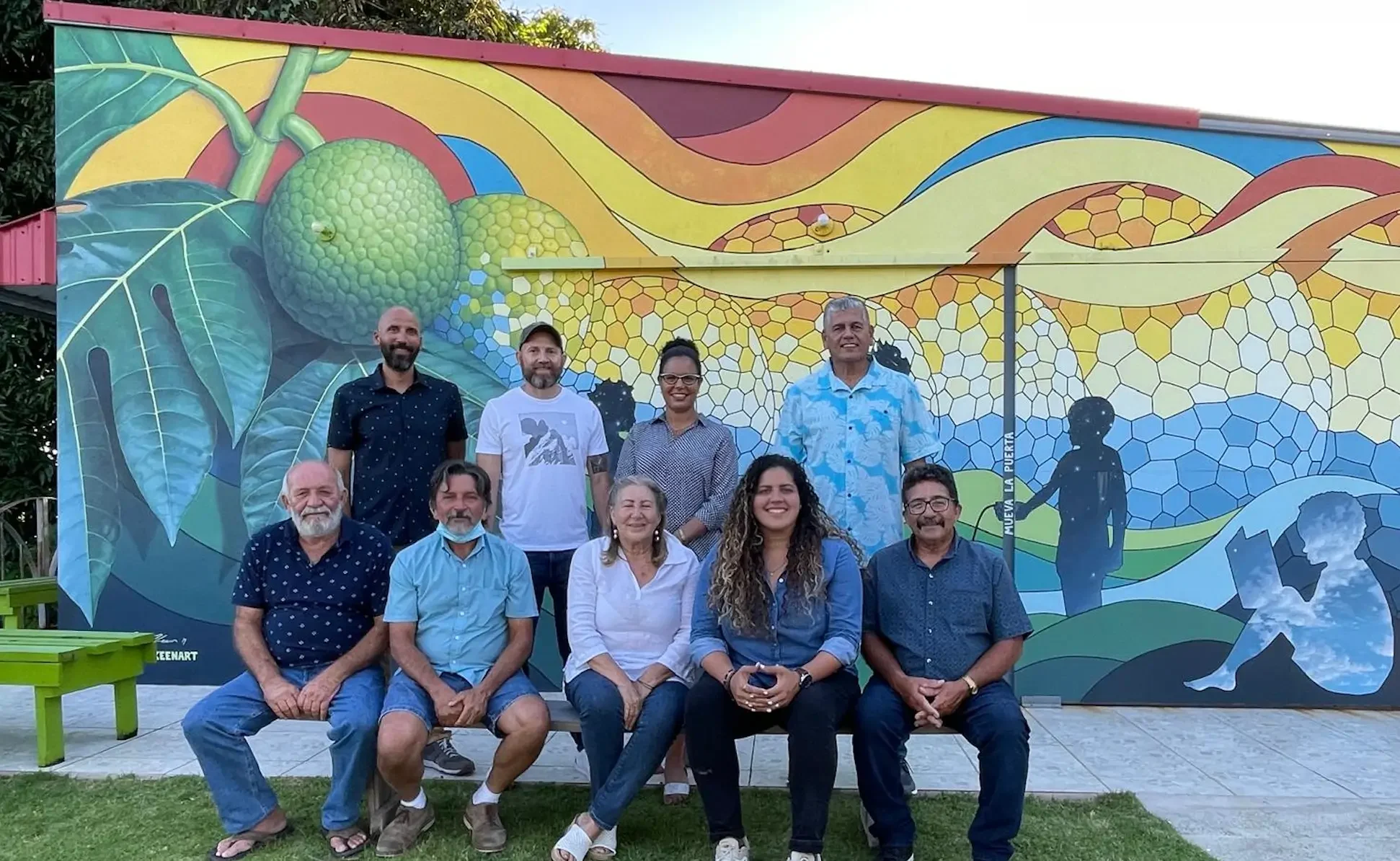
The association organized the first edition of the festival on an uncovered basketball court in the Mariana 2 community, inviting residents of the area and nearby communities to participate and visit the tent where they sold culinary products made from the fruit.
From that moment, the Festival de la Pana grew, drawing visitors from nearby municipalities. Over the years it moved to other locations, including the Boulevard del Río and the municipal hall parking lot.
That is how breadfruit sparked an economic boost in barrio Mariana, helping drive community initiatives.
"It was like this resurgence of a community," the current ARECMA president says.
La Loma de la Niña Mariana
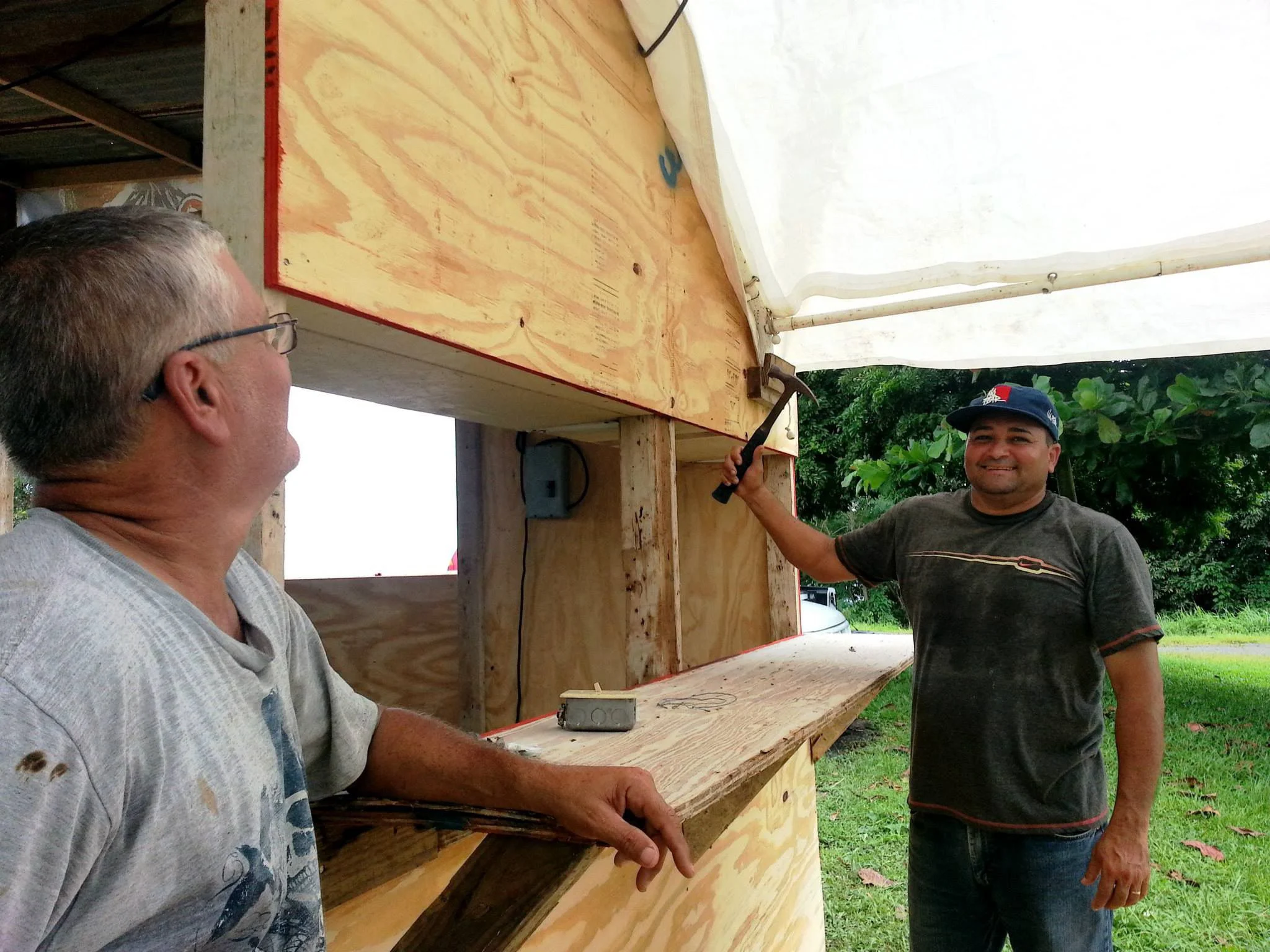
In 1995, the festival found a permanent home: ARECMA purchased 11.16 cuerdas of land between Humacao and Yabucoa. Later, in 2014, they acquired another 4.5 cuerdas that make up the current permanent festival grounds, for a total of 16.8.
La Loma de la Niña Mariana Luz A. Vega Rodríguez, named after Vega-Vega's aunt, who presided over ARECMA for 25 years from its founding, currently has 85 breadfruit trees donated by PanaWest in 2019.
"We were able to plant this many so that we ourselves could use them in festival production and so that other kiosk vendors can use them too," Vega-Vega explains about the fresh product available to prepare the food sold at the festival.
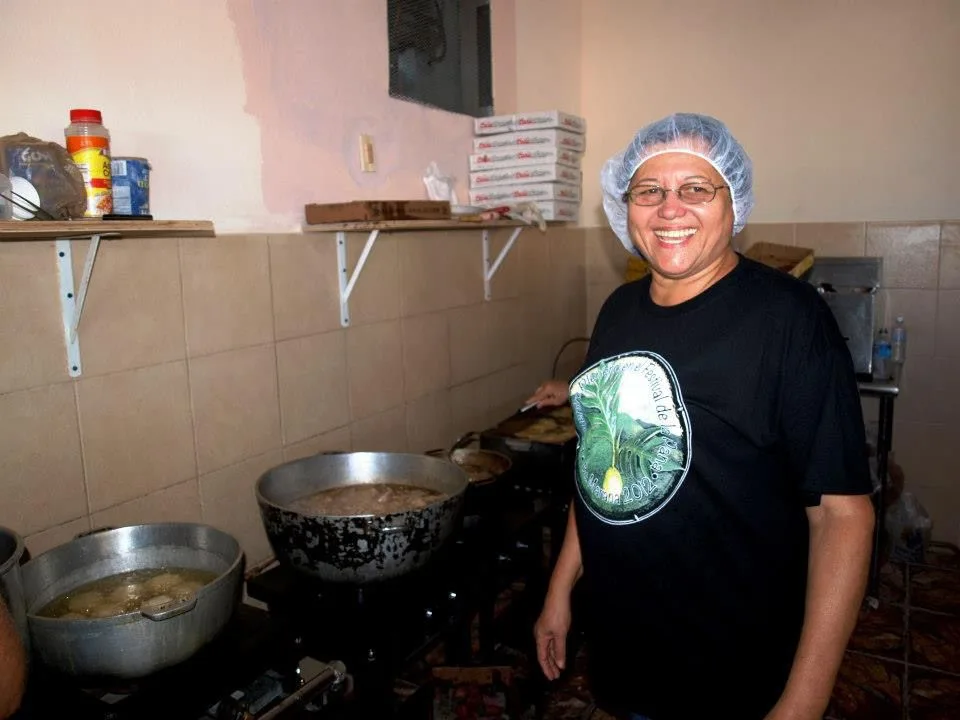
La Loma also has the Cocina de Toña y Ana, a kiosk honoring Antonia "Toña" and Ana Rodríguez, the paternal grandmother and great-aunt of Vega-Vega and the festival's pioneering cooks, which serves a traditional criollo menu featuring breadfruit and also activates during moments of community need, as it did after Hurricane María in 2017.
Visitors can also stop at Fogón de Ruly, a kitchen extension named after the late member Raúl Laboy.
The grounds also have permanent restrooms, a children's park, parking and 12 kiosks for food, drinks and crafts, available only during the event.
Before reaching the festival, a stretch of Route 909 is designated "la Ruta de la Pana," where "our neighbors can also sell whatever they've harvested" and other breadfruit-derived products.
Promoting local agriculture
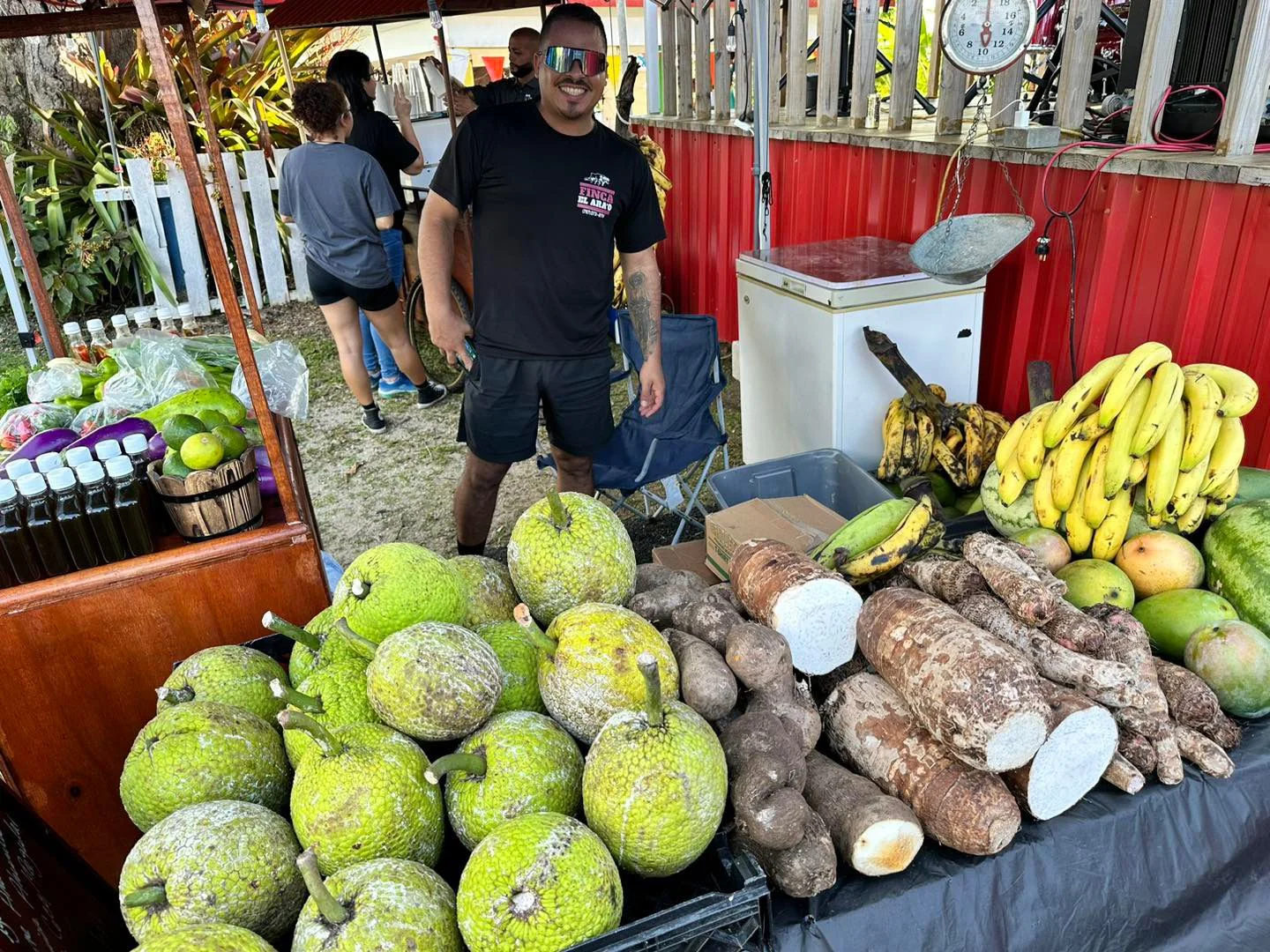
Promoting the cultivation of this fruit is a priority for the "comepanas," a nickname that Mariana residents carry with pride.
Although local breadfruit production dropped from 548,000 pounds to 280,000 pounds after 2013, ventures such as Amasar, which produces gluten-free flour from local breadfruit, and PanaPen & Co., which develops more than 20 innovative products from the fruit, point to a promising future for Puerto Rican breadfruit. The festival is a vital part of this agricultural resurgence.
Classic Puerto Rican recipes are one way of promoting the product. Dishes to be sold at the festival include boiled breadfruit, breadfruit escabeche, tostones, breadfruit fritters and baskets, and breadfruit flan.
Among the creative offerings at the 37th edition of the Festival de la Pana is the "pana colada," a variation on the piña colada, from the Escuela Especializada Bilingüe Juan Ponce de León in Humacao.
"For us, breadfruit is much more than a fruit. For us, breadfruit is gold; it symbolizes a community of struggle and unity," says Vega-Vega, who carries on the multigenerational, community legacy that began in her grandmother's kitchen.
🗓️ Find the schedule for the 37th edition of the Festival de la Pana here.
This content was translated with the assistance of Artificial Intelligence (AI).