At Finca Neo Jibairo, in the barrio Pueblo de Río Grande, roots grow not only in the soil but also in the community.
Francisco Castro Barreto, who leads the agrotourism project, puts it this way: "Sustainable agriculture is many links. One of them is the community." The effort he has shared with his brother, Antonio Castro Barreto, since 2015 is committed to planting, preserving and reclaiming roots, on every level.
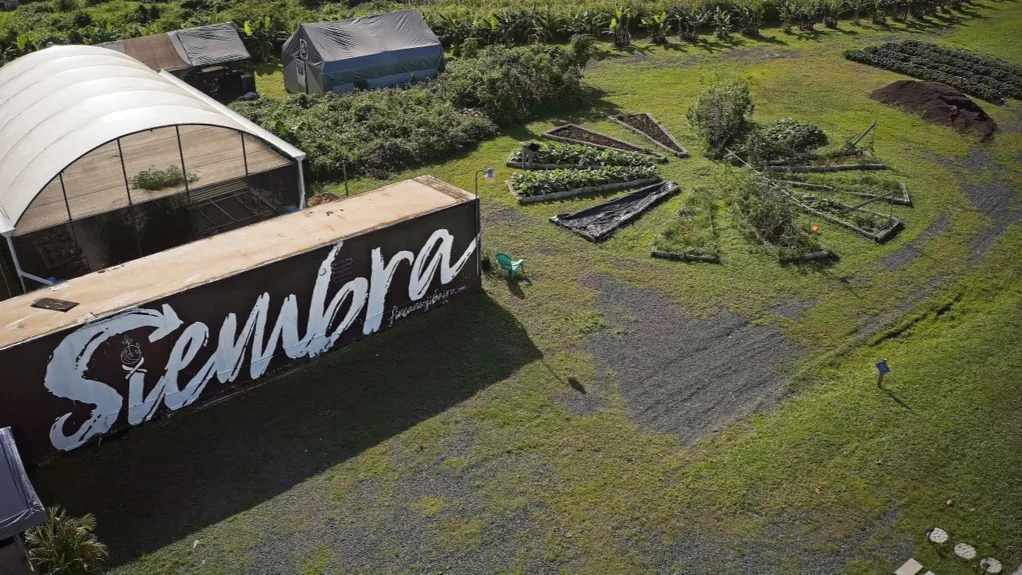
Finca Neo Jibairo, located in the barrio Pueblo de Río Grande. (Photo provided)
"This project was born on the roof of my mother's house. There, my brother Francisco started working with hydroponic systems (…). One day the police came by and fined us $1,000 (for not having the permits). From that bad experience, he started looking for new places for the project," Antonio Castro says.
The farmer told Platea that they are currently looking for their next plot of land: "This farm is getting a little small for us. We're looking at new spaces to develop."
Although they opened in 2015, it was 16 years ago that the project found its name, when Francisco Castro interviewed Taiwaribo Caibirí Jibairo, a Taíno man from Utuado whose name means "new jíbaro." That conversation, part of his search to understand Puerto Rican agriculture, left a mark. "The name of our farm was born in his honor," he recalls.
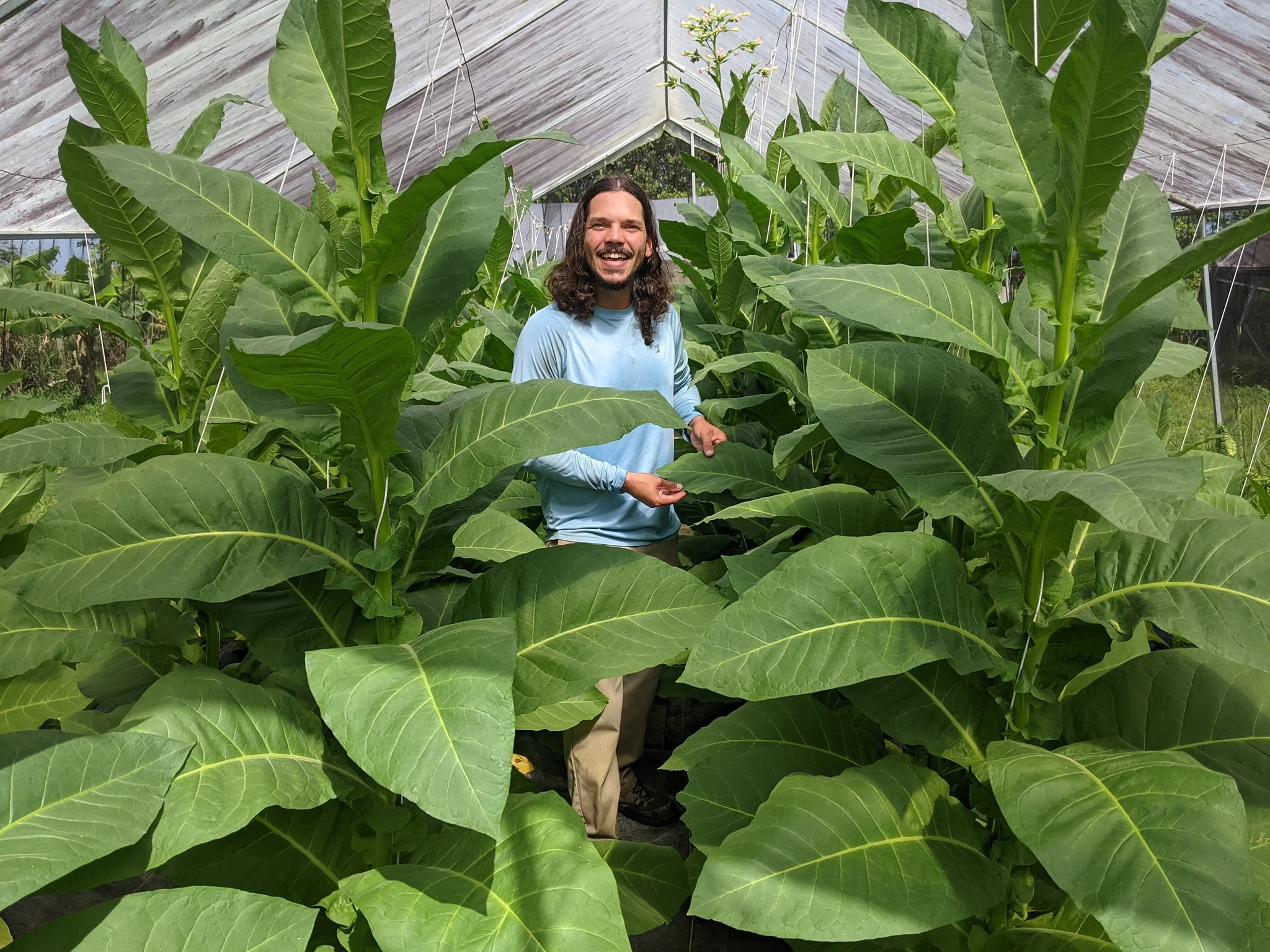
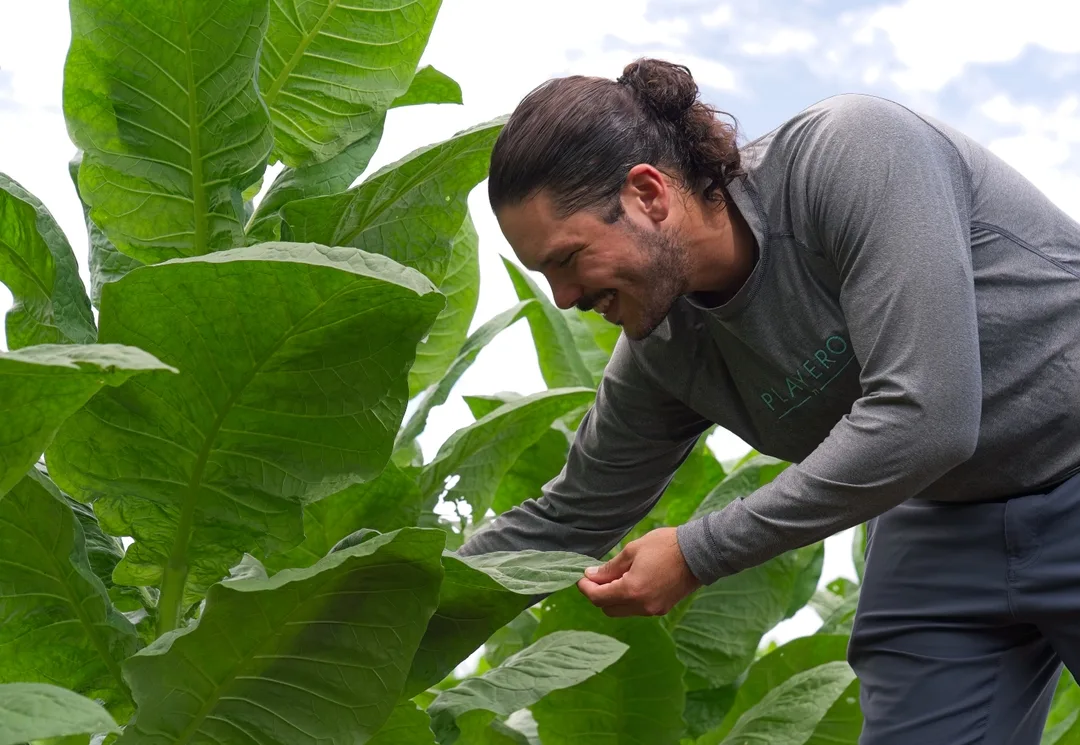
Francisco Castro among the crops on his farm. (Photo provided)
For Castro, the value of sustainable agronomy is defined not only by avoiding agrochemicals but by building ties with other agronomists, members of the culinary industry and people who understand the land as a collective matter.
"What we put into the land, everything that happens around the farm, affects us, not just ourselves as farmers, but our entire surroundings," Castro points out.
That is why the farm's shop carries products from other Puerto Rican farmers and artisans, such as Tres Clavos craft rum and seeds from Desde mi Huerto.
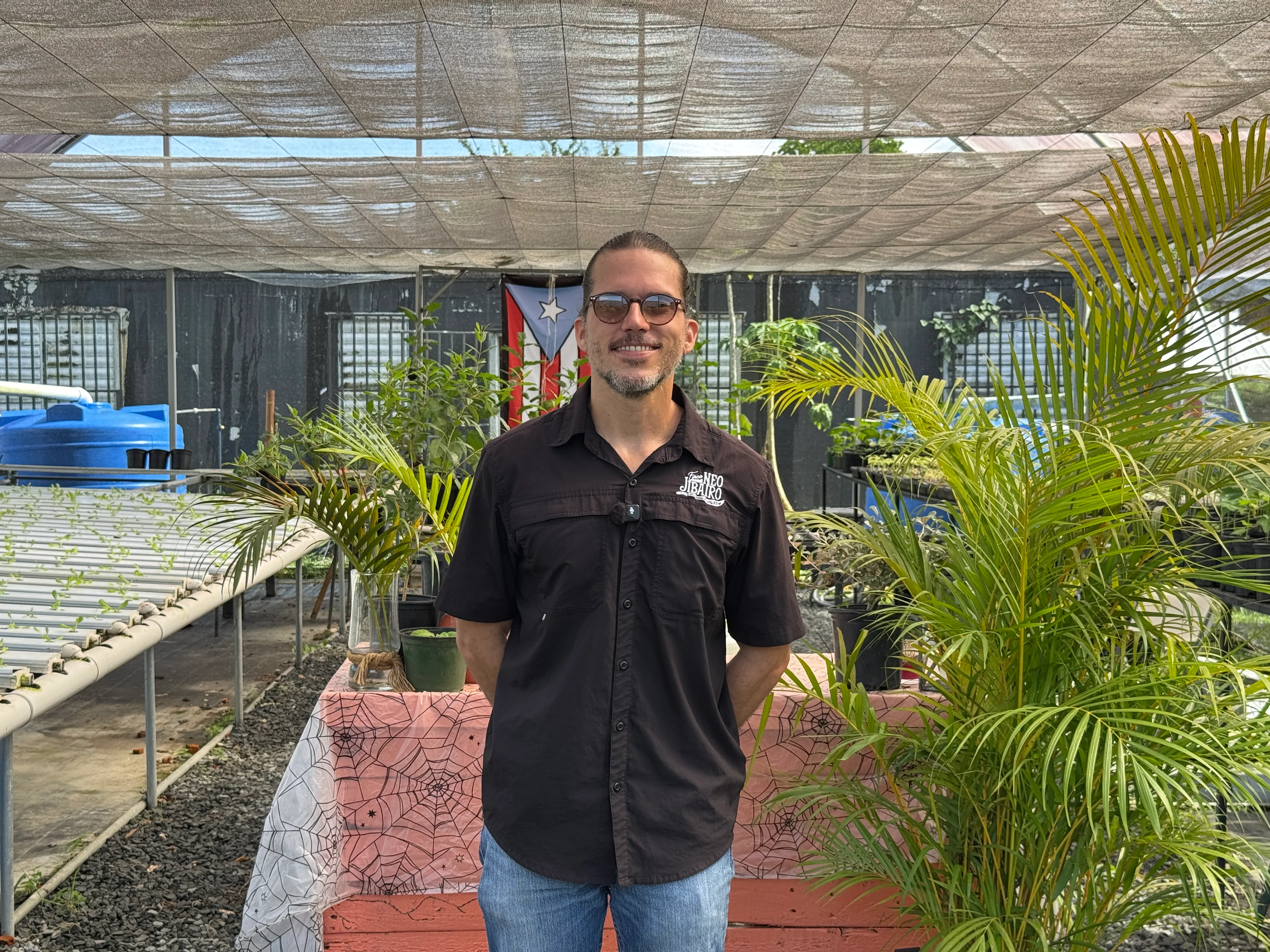
Antonio Castro poses in front of some of the crops at Finca Neo Jibairo. Photo: Juan Santa | Platea PR
Flowers, bananas and history
"We work with approximately 25 fruits and vegetables," Antonio Castro says. At Neo Jibairo they grow basil, eggplant, kale (three varieties), flowers, banana, spearmint, lettuce, corn, melon, passion fruit, papaya, plantain and tomato.
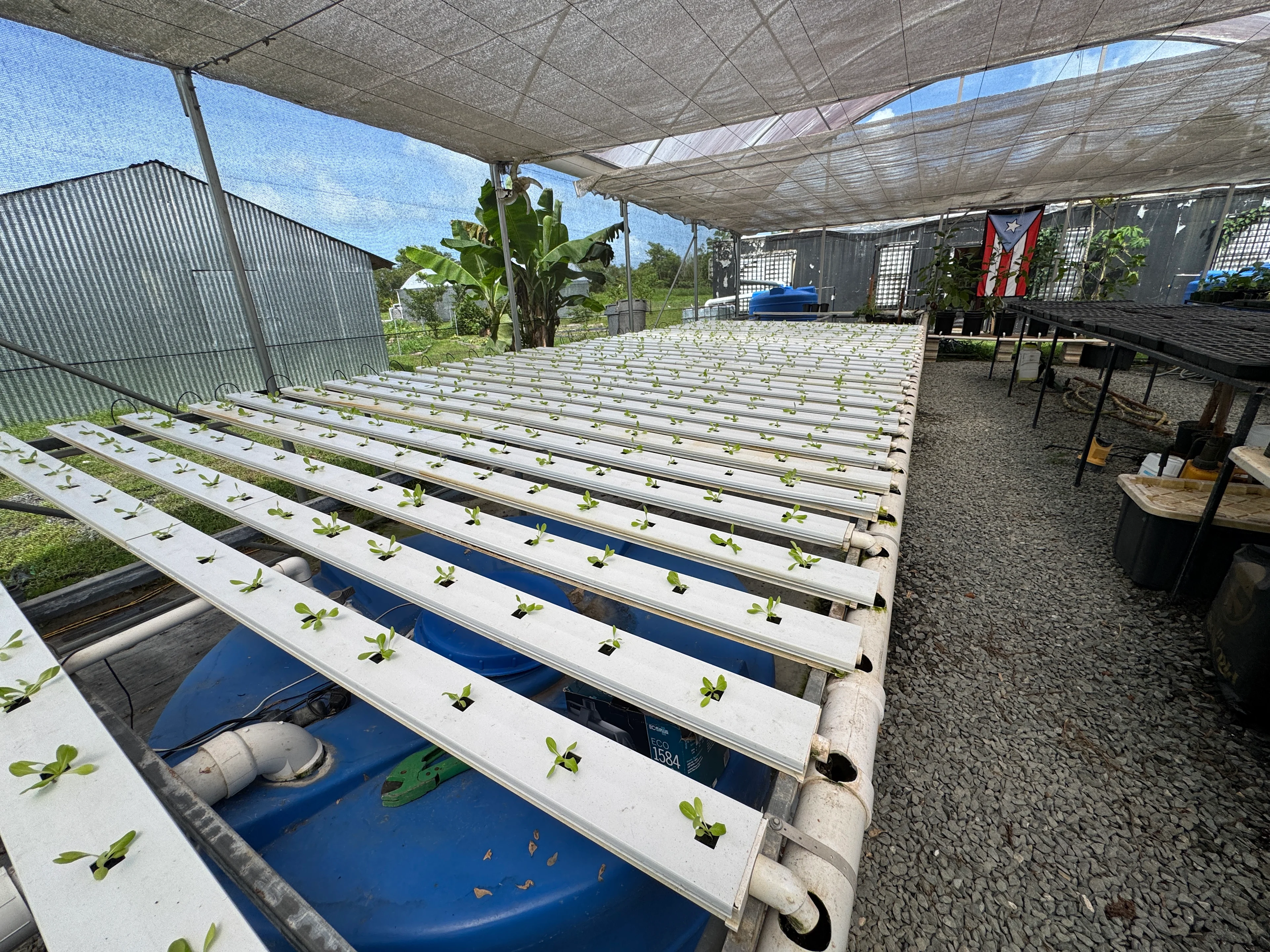
The hydroponic lettuces at Finca Neo Jibairo. Photo: Juan Santa | PlateaPR
In addition to growing produce, they reclaim Puerto Rico's history through certain crops, particularly tobacco leaf. Since their early days in Río Grande, they have grown tobacco to repel mosquitoes, but after Hurricane María a friend named Walter Fernández proposed turning that crop into a commercial product.
"We went to Cuba, the Dominican Republic, we took in all that agricultural knowledge about tobacco and decided to bring that history back to Puerto Rico," Francisco Castro says.
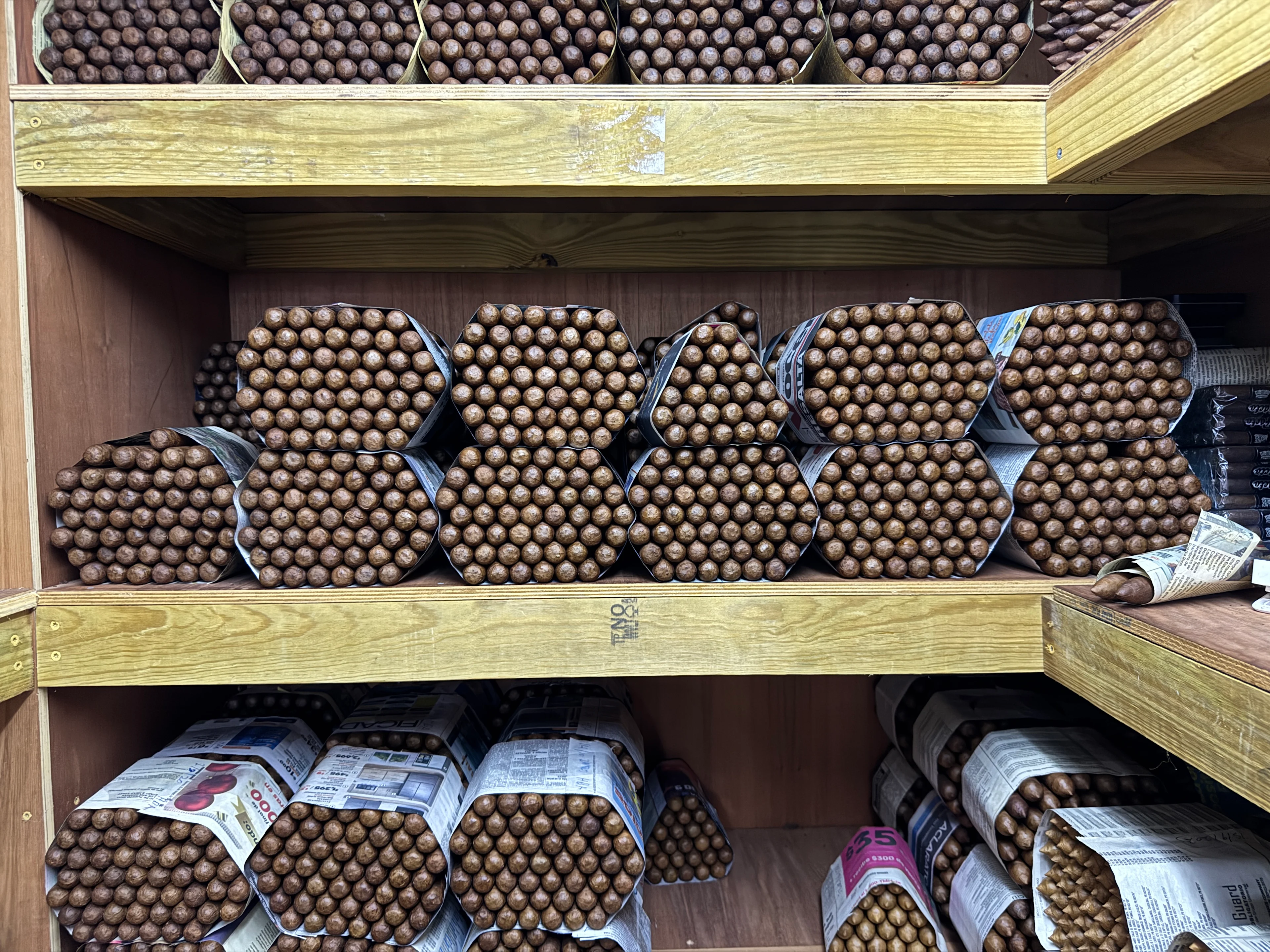
Tobacco production at Finca Neo Jibairo. Photo: Juan Santa | PlateaPR
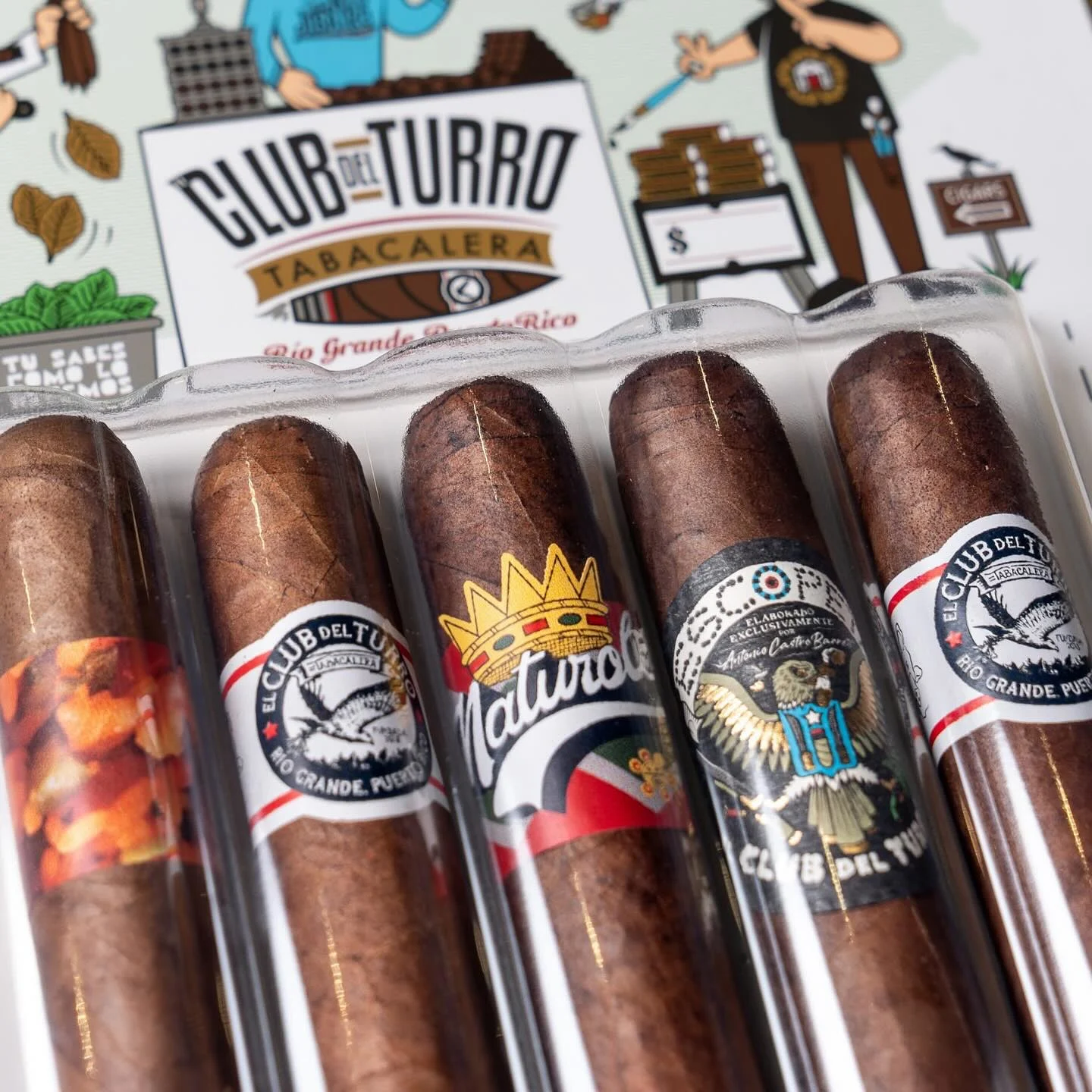
Cigars from the El club del turro edition, inspired by Puerto Rico. Photo: provided
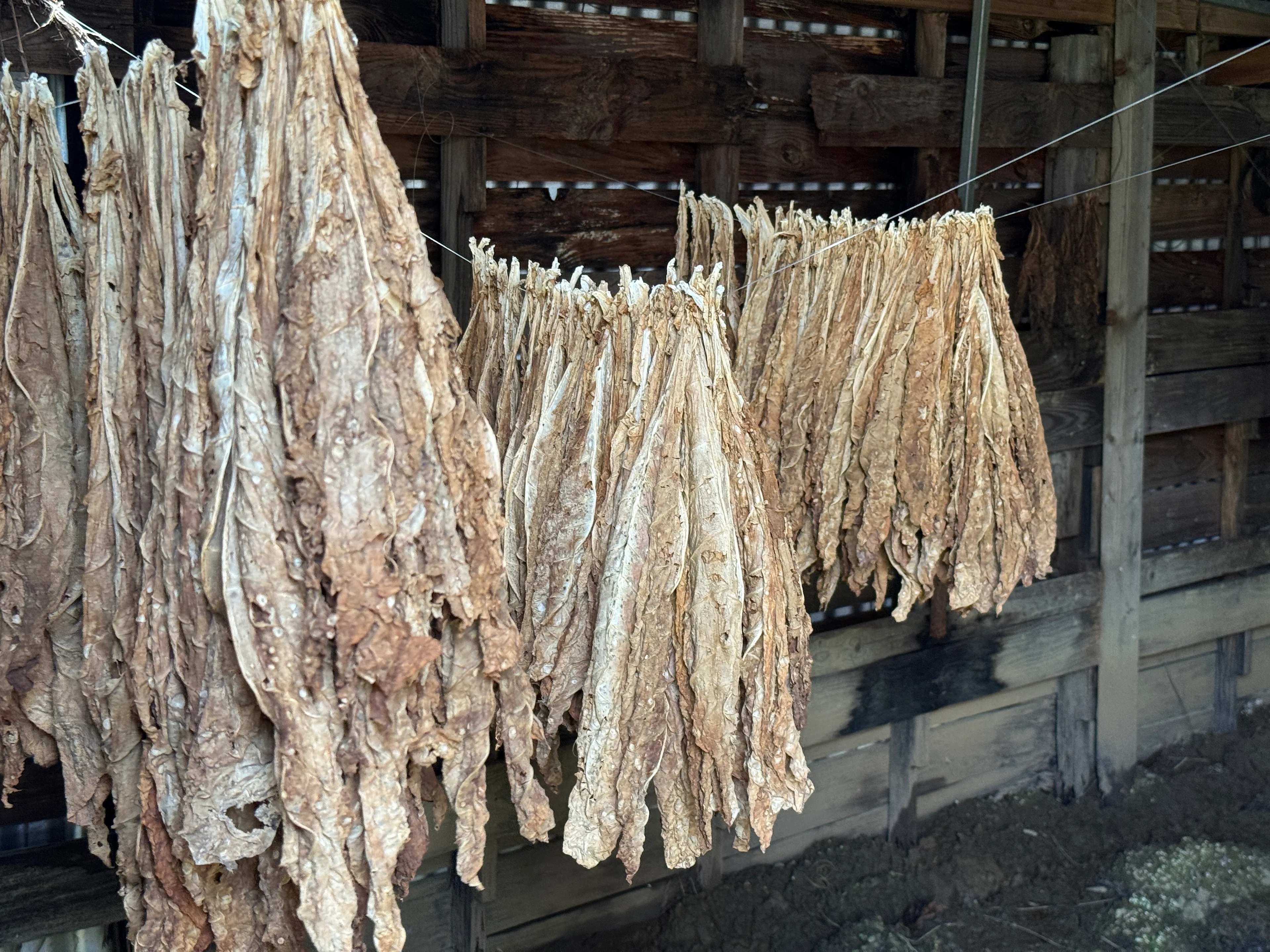
The shed where tobacco leaves hang during the drying process. Photo: Juan Santa | PlateaPR
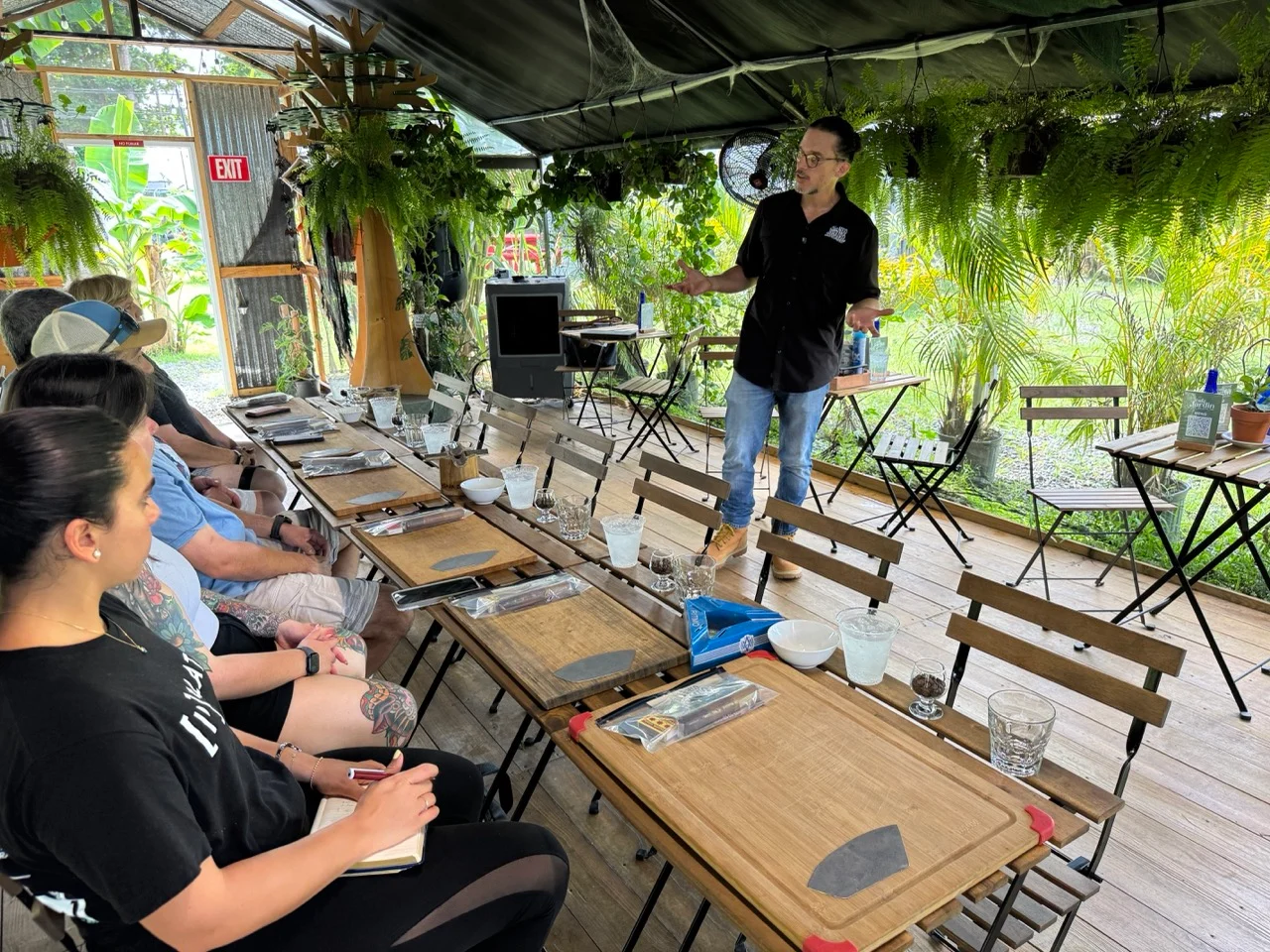
Antonio Castro leads the cigar-rolling workshop. Photo: Juan Santa | PlateaPR
Antonio Castro, master roller at the farm and the person responsible for planting operations at Neo Jibairo, sees tobacco cultivation as an act of memory. "It is returning to that call of the tobacco-growing blood we carry inside," he explains.
Puerto Rico has the right conditions for it: "We have the best soil, the best climate to develop it, very similar to the Dominican Republic, Nicaragua, Honduras, Cuba, which are sister countries with similar climates." The question, then, becomes unavoidable: "Why not bring that tradition back to the Island so it can make us self-sustaining?"
Education as a mission
"Many children think fruit is born in the supermarket," Antonio Castro says with concern. For that reason, he invites new generations to have "at least once in their lives contact with the land."
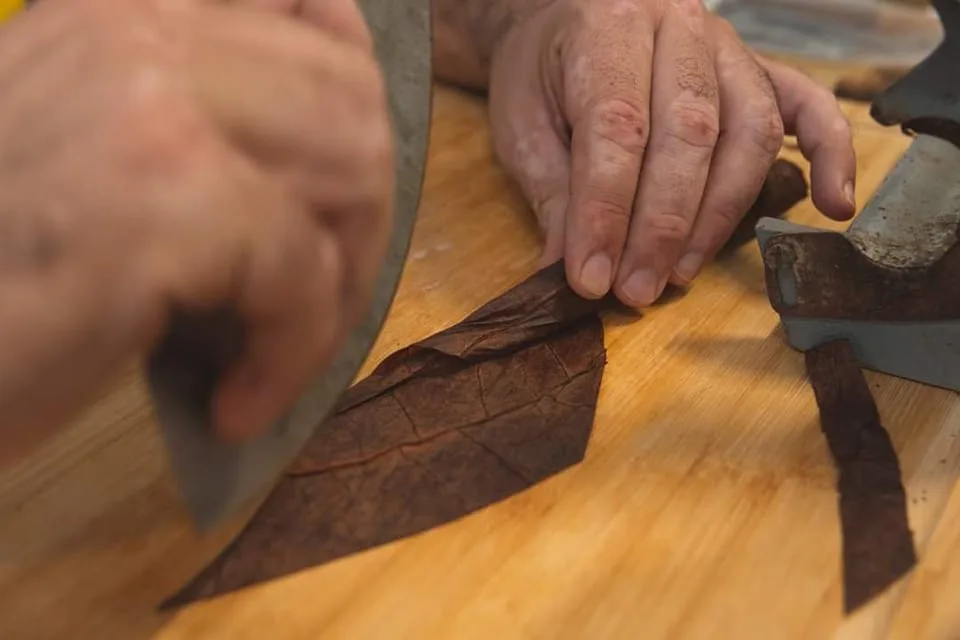
Neo Jibairo tobacco-rolling workshop. Photo provided
True to this vision, he believes the farm belongs to the community: "Not to stop at just planting the crop, but to bring that community in to see the process, invite them to workshops and have them consume the food."
What can you do at Neo Jibairo?
1. Tour the farm and take part in a cigar-rolling workshop
Agriculture is understood with all five senses. The farm offers tours that explain its history and its crops. There are also tobacco-rolling workshops led by Antonio Castro, who teaches how to roll a handmade cigar.
2. Have a good conversation at the bar
The farm has a bar open Thursday through Sunday, from 3:00 p.m. to 8:00 p.m., with extended hours until 10:00 p.m. on Fridays and Saturdays. They serve cocktails made with local products: acerola sangria, and drinks like La Jardinera, made with Ron Tres Clavos infused with passion fruit, guava sauce and pink grapefruit.
3. Recharge at Café Jardín
The coffee shop and juice bar operates Thursday through Sunday, from eight in the morning to five in the afternoon, with sourdough toasts and smoothies like the Señor Sol, which contains pineapple, papaya, turmeric, spearmint and acerola juice.
4. Try the creations from Brick Artisan Pizza
Thursday through Sunday, inside the farm, Brick Artisan Pizza prepares artisan pizzas with farm products. Among its options is the Pizza Garden: margherita base, caramelized onion, fresh mushrooms, kalamata olives, dehydrated tomatoes, goat cheese and balsamic glaze.
This content was translated with the assistance of Artificial Intelligence (AI).