Our small Caribbean homeland has inspired many people, who have danced and sung our history so the whole world could know it.
We invite you to join us on a journey through time to discover seven of our historic sites that you need to visit.
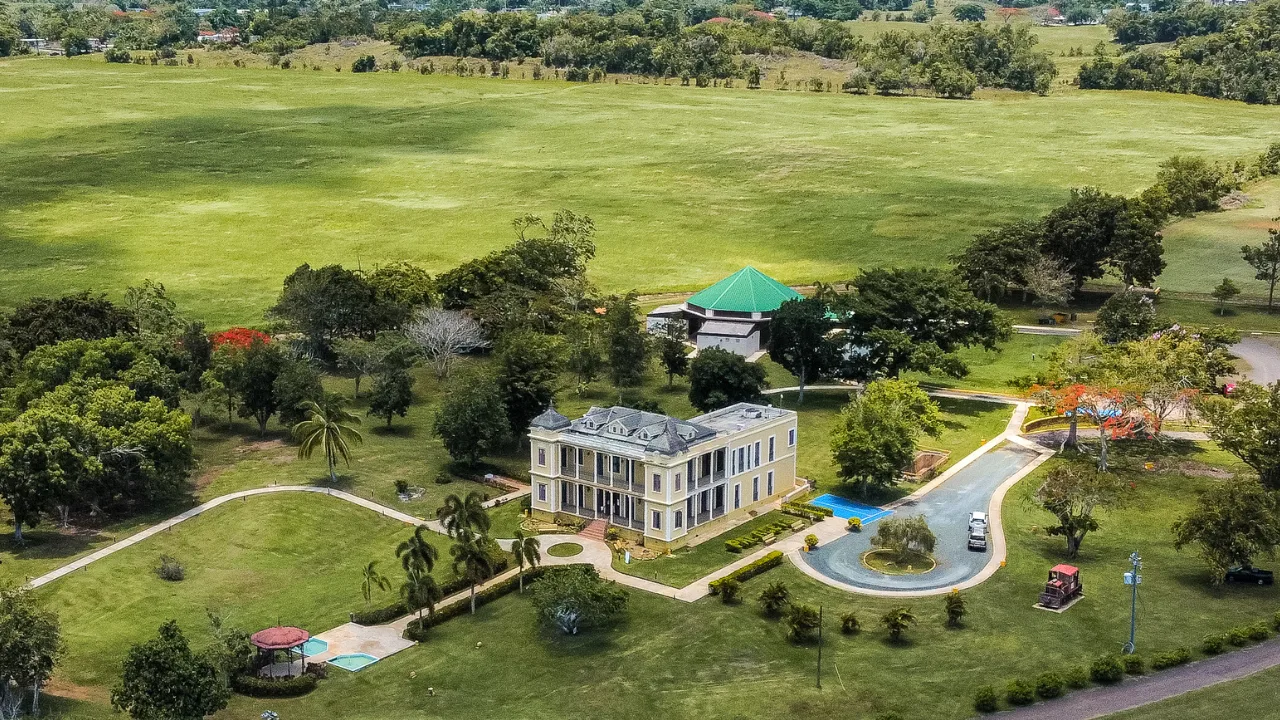
Built in 1905, the Antigua Casa Labadié was one of the most important coffee plantations of the 19th century. Its design is based on a Caribbean adaptation of the French "chateau," or palace. Today the mansion is a museum and offers tours of the interior as well as its gardens. Admission is free and includes a guided tour where you can learn the full history of the manor.
Fun fact: Puerto Rican writer Enrique Laguerre was a frequent visitor to the mansion and used it as inspiration for his novel "La Llamarada." In his version of the novel, this treasure is immortalized as the Palacete de Los Moreau. That name became so popular that the town of Moca decided to use it to identify the mansion after acquiring it.
Note: The interior of the mansion is under renovation until December, but you can enjoy the exterior and spend an afternoon in the shade of the trees on the grounds.
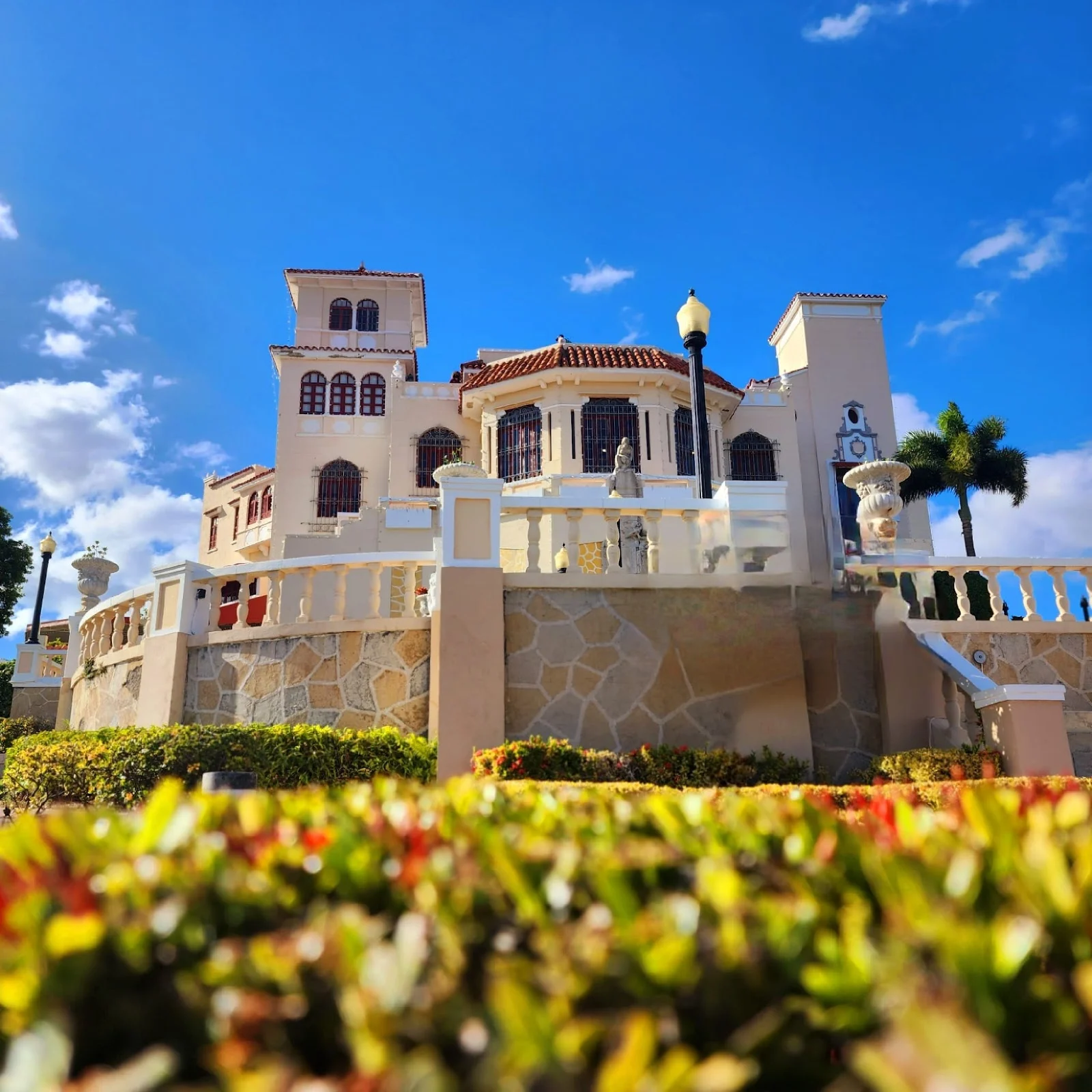
The mansion, which has served as a setting for major celebrations and films, was built between 1930 and 1934 for the Serrallés family, who were among the world's leading producers of rum and sugar. Today, the mansion that sits on a hill in Ponce can be explored inside and out. Visitors can tour the interior of the stately castle, walk through its Jardín Japonés, or climb to the top of the Cruceta de la Vigía to take in the Caribbean Sea in full view. The museum has a permanent exhibition and guided tours, in both Spanish and English.
The tower, built during the 1960s by Dr. Frank H. Wadsworth, stands 69 feet tall, from which you can see the entire coast and as far as the Virgin Islands, as well as four distinct forests on the island: Colorado, Tabonuco, Palma Sierra and the Bosque de las Nubes. Impressive and resilient, it remains one of the main attractions when exploring El Yunque National Forest, the first stop and the starting point of an adventure inside our nature reserve. If you want to climb the tower, you can do so Wednesday through Sunday from 9 a.m. to 4 p.m.
In the mountainous terrain of Cabo Rojo lies a piece of our history that tells the story of railroads in Puerto Rico. When the island moved by train, this tunnel, built in 1908, was one of the first to carry passengers through nine barrios and sectors of the coastal town. To reach the site, follow the road to the Reserva Natural Punta Guaniquilla. To visit the tunnel, you will need to notify the Fideicomiso de Conservación de Puerto Rico. They will advise you on how to find the tunnel and walk through the reserve.
Since the 18th century, the Faro de Punta Borinquen has remained one of the most recognizable spots in Aguadilla. The well-visited site survived the 1918 earthquake and, though it lost much of its structure, was transformed into a place of almost romantic beauty. The ocean surrounding it and the fragments of structure that paint a paradoxically beautiful picture conspire to make these ruins the ideal place to take photos, fall a little in love, and watch, like a lighthouse keeper, the imposing sea where the sun goes to rest.
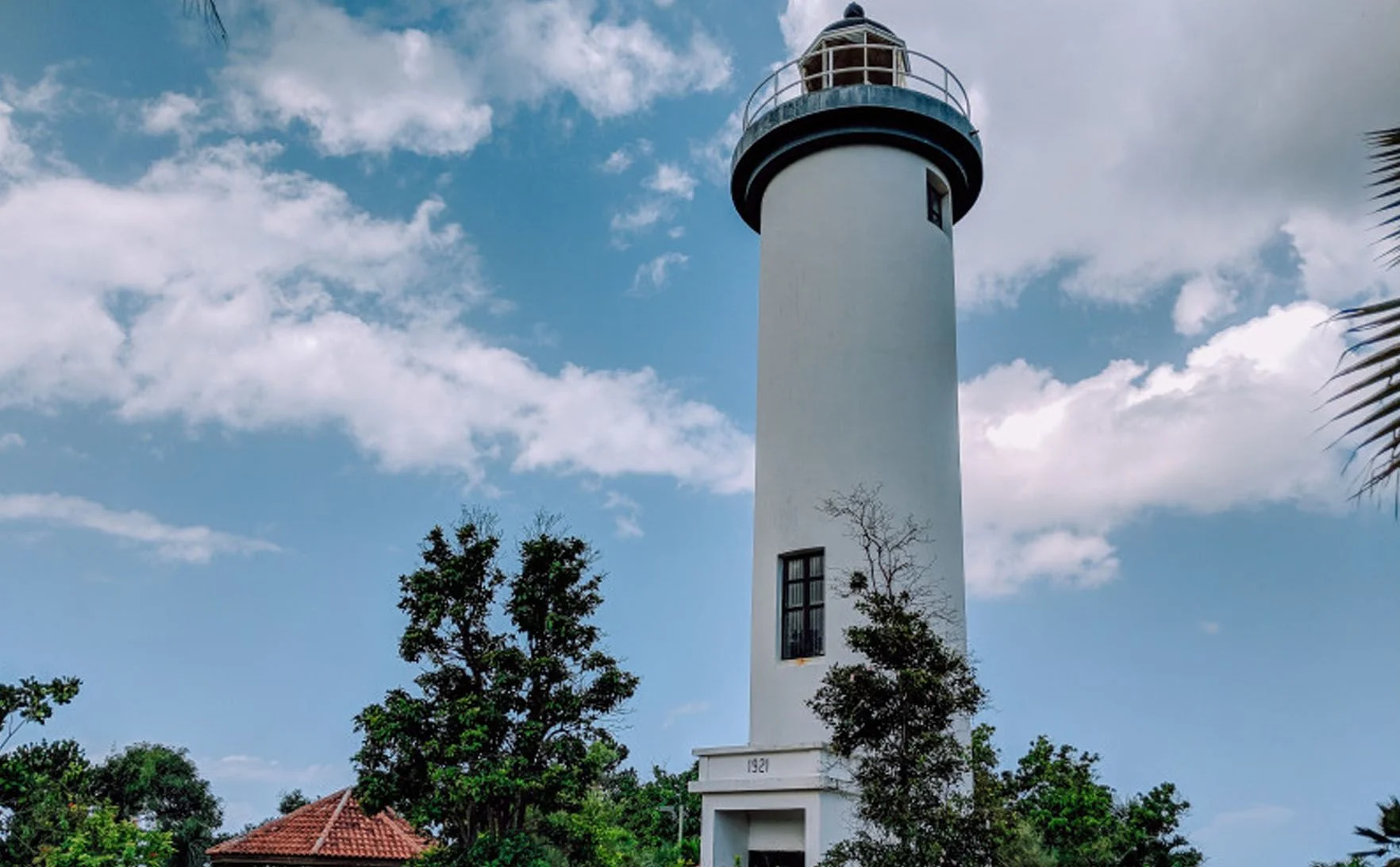
If there is one symbol of our resilience as a people, it is the famous lighthouse of Rincón. The lighthouse, which was built to cover the maritime stretch between Punta Borinquen and Morillos, has been destroyed twice and had to be fully rebuilt each time. Those accidents have not diminished the beauty of the lighthouse that anchors the plaza built around it. Although its structure is simple, it remains an imposing historical landmark of our country, visited today by hundreds of people who come looking for a new sunset or, if the season allows, to watch a whale leap from the sea nearby.
One of the most important archaeological sites in the Caribbean dates to approximately 1200 B.C. and is located in Utuado. Discovered in the 20th century, it holds much of the history of our Taíno people, history that visitors can experience today. A visit begins at the museum, continues with a documentary summarizing Taíno history, and ends with a walk through natural beauty, petroglyphs and ten bateys (former sugar-mill settlements).
Those who do not know their history…
Knowing where we come from helps us understand where we are going. For Puerto Ricans, knowing our history should be a priority. And with historical sites as beautiful as these, going to school has never been this much fun.
This content was translated with the assistance of Artificial Intelligence (AI).