Preliminary results place the current incumbent, Miguel Romero, in the lead, with Manuel Natal in second place.
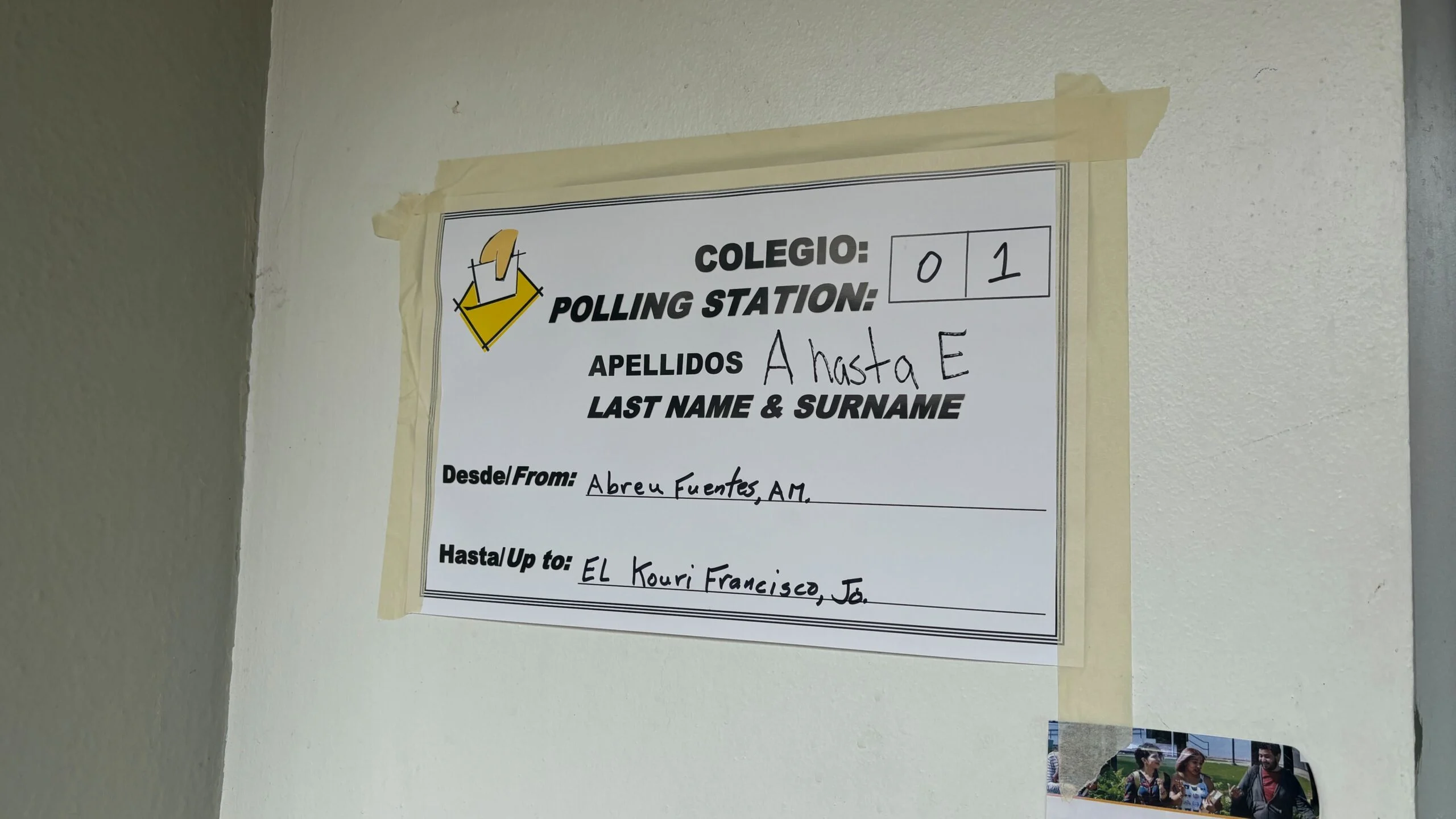
Preliminary results are in for the San Juan mayoral race from the general election held this Tuesday, Nov. 5, across the Island.
Preliminary results showed that the current mayor under the Partido Nuevo Progresista (PNP), Miguel Romero, is leading. The candidate for the Movimiento Victoria Ciudadana (MVC) and the Alianza del País, Manuel Natal, is in second place, followed by the Partido Popular Democrático (PPD) candidate, Terestella González, the Proyecto Dignidad candidate, Maidalys Irizarry, and independent candidate José Vargas.
During the day, the MVC candidate went to Escuela Padre Rufo in Santurce to cast his vote. The PNP incumbent also went to vote in the afternoon at Escuela Juan José Osuna.
After polling places closed at 5:00 p.m., various calls went out for people to head to the different parties' headquarters. Manuel Natal posted a call on his social media platform X asking people to go to Paseo De Diego, where his headquarters is located, after 5:00 p.m.
Last week, in an interview with Platea for the podcast Punto Aparte, the PNP and MVC and Alianza del País candidates shared their proposals on housing, education and their plans for the young people of the capital city, as part of the work they proposed to carry out from the municipal government. Natal also spoke about Río Piedras and his plans to rebuild the area, which is part of San Juan.
On the topic of education, one of the current mayor's proposals is for the Department of Education to allow the municipality to "administer 10 public elementary schools" over the next four-year term. He noted that this would allow students to benefit from the education system that exists in San Juan.
One of Natal's education plans is to use the Colegio Universitario de San Juan to develop programs "in line with the needs of the new world we live in," given that he recognizes there is a challenge in adjusting to market demands. He would also use the municipality-owned university to provide continuing education to city employees.
On housing, Romero highlighted the opening of De Diego Village in Río Piedras, "where there are 94 subsidized rental units," meaning it has Section 8 rental program vouchers and received an investment of $18.1 million in Community Development Block Grant Disaster Recovery (CDBG-DR) funds.
He said that "for the young professional or the professional family, the biggest challenge is really the cost of construction," and suggested they could use that issue as a starting point by acknowledging high construction costs. He also pointed out that they proposed raising the price caps on affordable housing.
Natal emphasized the need for housing among young people and elderly residents of the municipality, and his plan includes using the "33,000 abandoned units" in San Juan to rehabilitate them for use as housing.
He also pointed out that he is interested in developing housing units aimed at students at the Universidad de Puerto Rico Recinto de Río Piedras, who sometimes do not live there because Torre Norte closed, ResiCampus closed, and there are not many affordable residences available. Natal said that "young people who used to come from towns that were distant but accessible to San Juan and stayed in those places now organize their academic schedules to be at the university one or two days, take all their classes, and return to their home towns."
This content was translated with the assistance of Artificial Intelligence (AI).