This is the first installment in a series by PlateaPR about what is resurging on the Island, and the trends and solutions emerging at the government, community, private-sector and diaspora levels.
For many, it may come as a surprise to hear that Puerto Rico is at a pivotal moment of economic growth. Between 2022 and 2024, the Economic Activity Index (EAI) rose 6% and reached its highest level in the past 10 years, according to an analysis by the firm V2A Consulting.
Some positive signs of current economic growth include a lower unemployment rate, more workers in the construction sector, and modest expansion in manufacturing. Some figures even show improvement compared with where the country stood before the pandemic.
If you are considering taking a new direction in your life, you may just need to look at the Island's landscape from the outside to spot a new opportunity here.
Below, 6 economic growth trends that point to development opportunities on the Island for 2024:
1. The right moment to look for a new job
The number of employed workers on the Island has been rising since 2021. Despite a decline in population, the total number of employed workers reached its highest point since 2008, with 1,147,000 people employed in February 2024. The full-year average for 2023 was 1.126 million employed workers.
In short, more people have joined the labor market recently. According to the V2A analysis, the average labor force participation rate rose from 40.9% in 2019, before the pandemic, to 43.9% in 2023, and reached 44.5% in February 2024.
Which sectors created the most jobs?
According to the analysis, the professional services, tourism, construction and manufacturing sectors have generated the most jobs since 2019, adding a total of 47,700 new workers, an increase of 22.56%.
Although they do not account for all new jobs since the pandemic, self-employment also drove income generation. Between 2018 and 2023, it represented 41,000 new jobs on the Island.
2. Everything went up, including wages, slightly
The V2A analysis also found that wages on the Island have risen somewhat more than inflation would predict. Since 2015, the average annual wage has exceeded the inflation-adjusted annual wage, reaching 8% above the expected wage in 2023.
Even so, expenses still feel heavy for those earning the Island's average wage: $2,745 a month, or about $17.15 an hour, according to recently published data from the Department of Labor and Human Resources. That figure falls short of the average wage in the United States, which is $4,949 a month.
Those earning the minimum wage feel the strain even more. The minimum wage will increase in July 2024 to $10.50 an hour.
Last year closed with inflation at 3.4%, 2.7 percentage points lower than in 2022, when it stood at 6.1%, its highest point in more than 15 years. If the prices of goods and services continue to stabilize, the purchasing power of these wages could increase.
📈 Looking ahead to 2024: According to the 2022 Cost of Living Index, the San Juan-Carolina metro area ranks 94th among the most expensive cities in the United States. Some of the highest costs are in food, utilities (energy, phone) and transportation.
With the large number of riders who have taken advantage of the free Tren Urbano this year, improvements to the train could underscore the economic benefit of having a more accessible and efficient transit system.
3. Your new car model could be everyone's
Has buying a car in Puerto Rico been difficult for you? You're not alone. Despite high interest rates and inflation on some products, unit car sales increased from 124,000 to 129,000 in 2023.
Ricardo García, vice president of the Grupo Unido de Importadores de Automóviles (GUIA), detailed at a press conference that the increase in sales was due in large part to better inventory availability. The car you wanted may well have been the same one many people waited months for.
Source: Puerto Rico Economic Data, Banco de Desarrollo Económico para Puerto Rico (BDEPR)
Which cars saw the biggest increases in sales?
Car sales in Puerto Rico since 2020 reflect the strength of consumption on the Island. This surge in consumption is due in part to federal funds received after the pandemic and to the current strength of the labor market.
Since car sales figures have been tracked in Puerto Rico, only in 2021, 2022 and 2023 have sales exceeded 120,000 units. The most surprising part? The increase has been across all types of cars.
Compared with the average annual sales between 2015 and 2019, car sales in 2023 increased as follows:
62% in Korean cars
54% in American cars
33% in European cars
23% in Japanese cars
📈 Looking ahead to 2024: The behavior of interest rates, which reached their highest level in 20 years in 2023, will have a significant influence on this year's sales. According to V2A's analysis, high levels of liquidity and greater stability in inventory availability can be expected in 2024.
4. Small and midsize businesses record sales increases
Businesses increased their sales 27.3% between 2019 and 2023, peaking last year with sales of 35,269 million. Some factors that contributed to greater purchasing power during this period were pandemic economic assistance and the minimum wage law, which raised the state minimum to $9.50 in 2023.
Facing adversity
Small and midsize businesses also stood out for their recovery after the pandemic. They bounced back from the blow they took in 2020 with a net creation of 4,484 businesses between 2019 and mid-2023, and a net increase of 26,000 jobs driven by new businesses, according to V2A's analysis.
📈 Looking ahead to 2024: Investing in local businesses continues to be worthwhile. According to the Banco de Desarrollo Económico's 2023 Economic Summary, 95% of private establishments as of mid-2023, or 48,278, consisted of small or midsize businesses with fewer than 50 employees. These businesses account for 43% of private-sector jobs.
5. Expect more construction in 2024
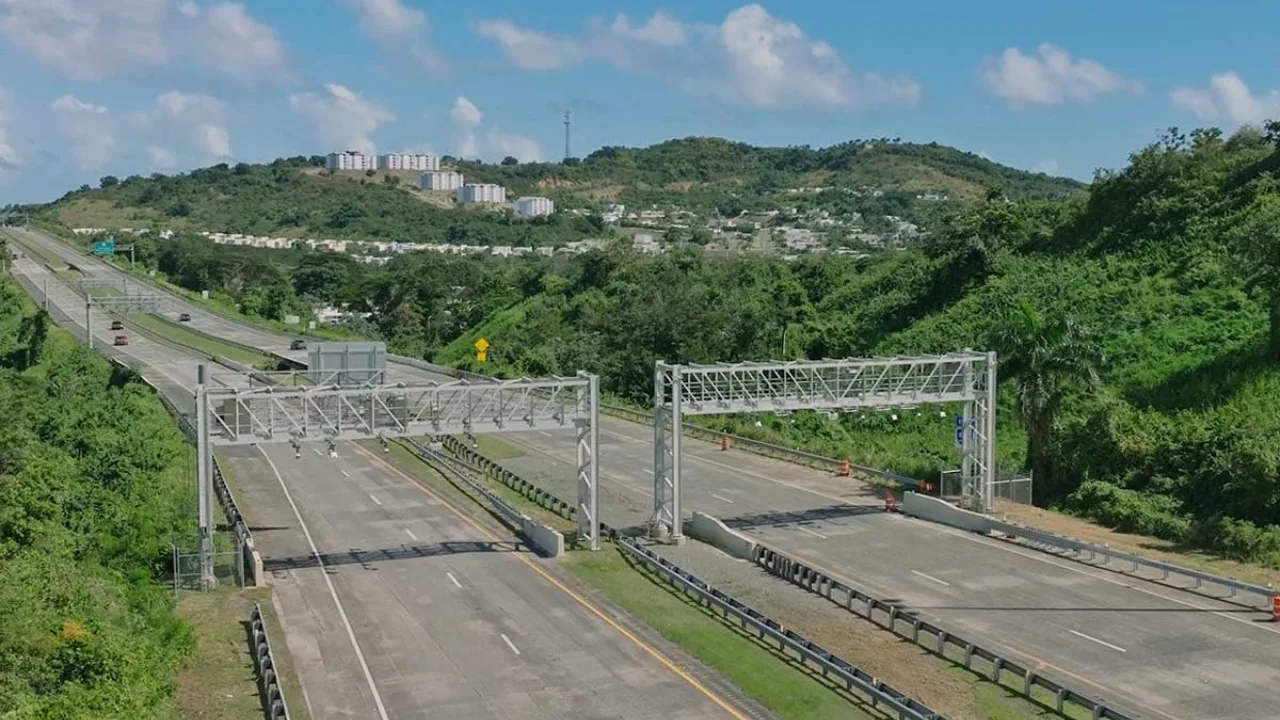
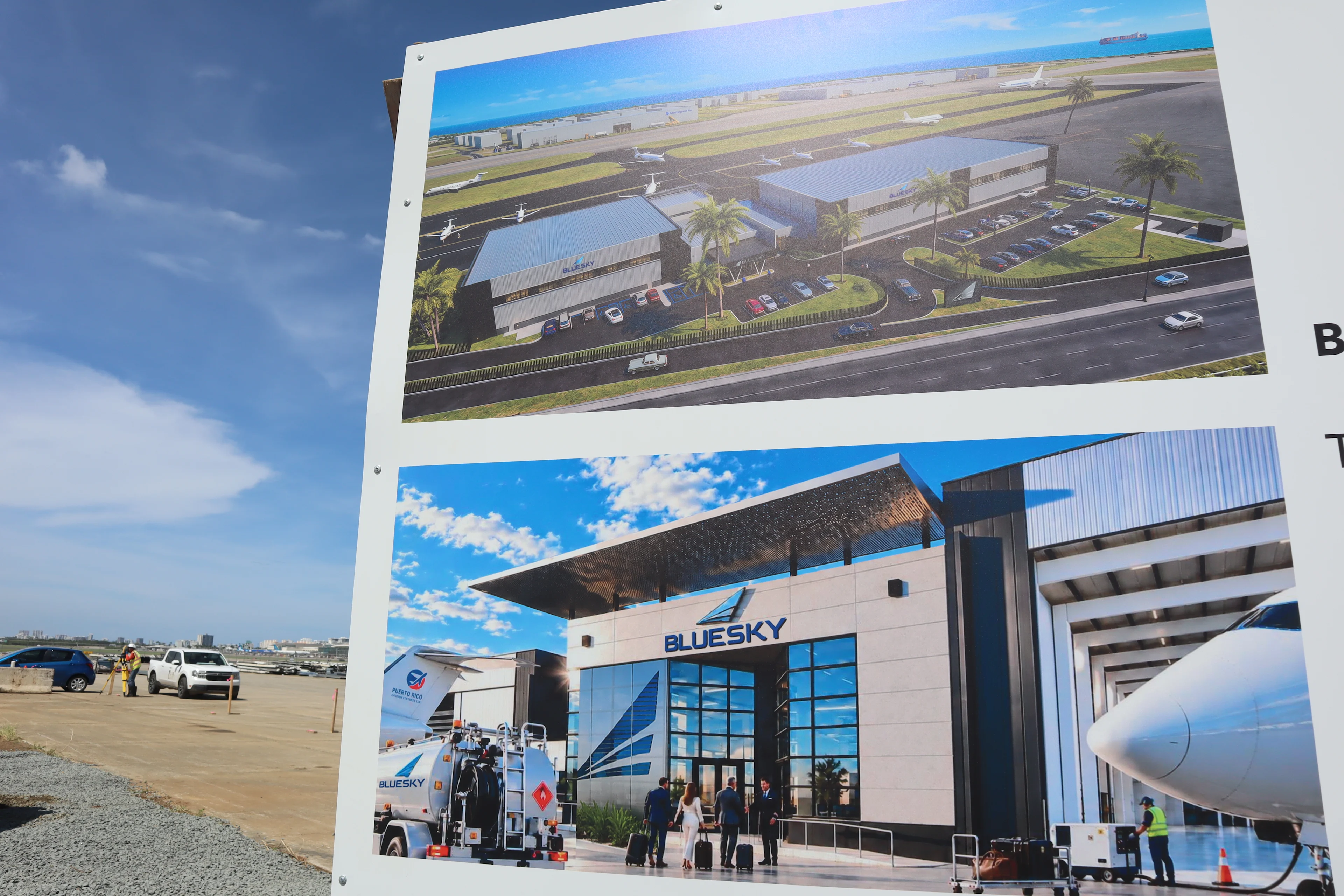
Driven in part by the flow of post-disaster recovery funds, construction activity on the Island has gained momentum. This increase in activity is reflected in cement bag sales, which rose slightly from 13.3 million bags in 2022 to 13.6 million in 2023, and in the growth of construction employment since 2020, with 10,600 new workers.
However, there is not enough labor in the construction sector due to the high volume of reconstruction projects following the hurricanes and earthquakes of the past decade. The Asociación de Contratistas Generales en Puerto Rico has highlighted this shortage and is considering new contracting and training models to increase the workforce.
📈 Looking ahead to 2024: For these projects to move forward and avoid further reconstruction delays, large-scale hiring in this sector is needed.
6. What Puerto Ricans make with their own hands
Another interesting trend in 2023 was that both the purchasing managers' index (PMI) and manufacturing employment increased. The PMI is calculated using data provided by purchasing managers in manufacturing.
An increase in raw-material purchases by these companies can signal whether economic growth or contraction lies ahead. For example, a rise in cement purchases could indicate growth in construction.
Since 2021, the Island's PMI has been mostly above 50%, which suggests the sector is growing, according to V2A's analysis. In addition, more manufacturing companies are expected to relocate to the Island. One concrete case is biotechnology company Sartorius, which opened a manufacturing plant in Yauco last year.
Between 2020 and 2024, there was an increase of 8,200 employees in the manufacturing sector.
📈 A look at 2024: In addition to the opening of Sartorius, the relocation of more manufacturing companies is expected to push the figure past the increase of 8,200 employees.
Challenges and opportunities
Making long-term economic predictions is difficult, but since the pandemic many people have seen an increase in their purchasing power, and new businesses have emerged in the private sector.
Without pandemic stimulus funds, it will be crucial for the government to take an active role in supporting local entrepreneurs and businesses.
Likewise, creating policies that help Puerto Rico integrate competitively into the global economy will promote stronger, more stable economic development.
This story was written in collaboration with, and using data provided by, management and analytics consulting firm V2A Consulting.
This content was translated with the assistance of Artificial Intelligence (AI).