After an infusion of more than $470 million in federal funds directed at developing and sustaining public transportation on the Island, the Autoridad de Transporte Integrado (ATI) is now in the middle of a modernization process that will bring new fare infrastructure for trains and buses, a new mobile app for better schedule planning, and a potential Tren Urbano expansion toward the islet of San Juan.
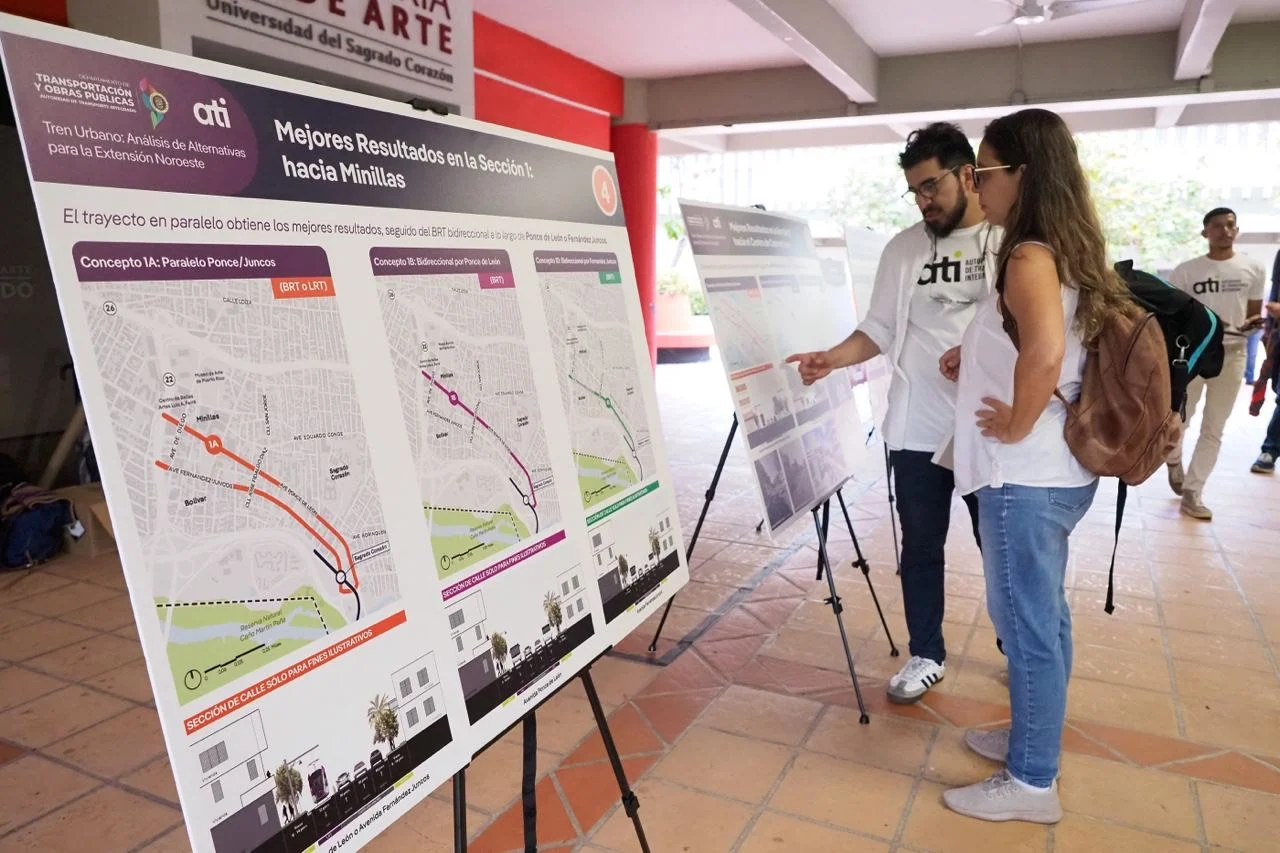
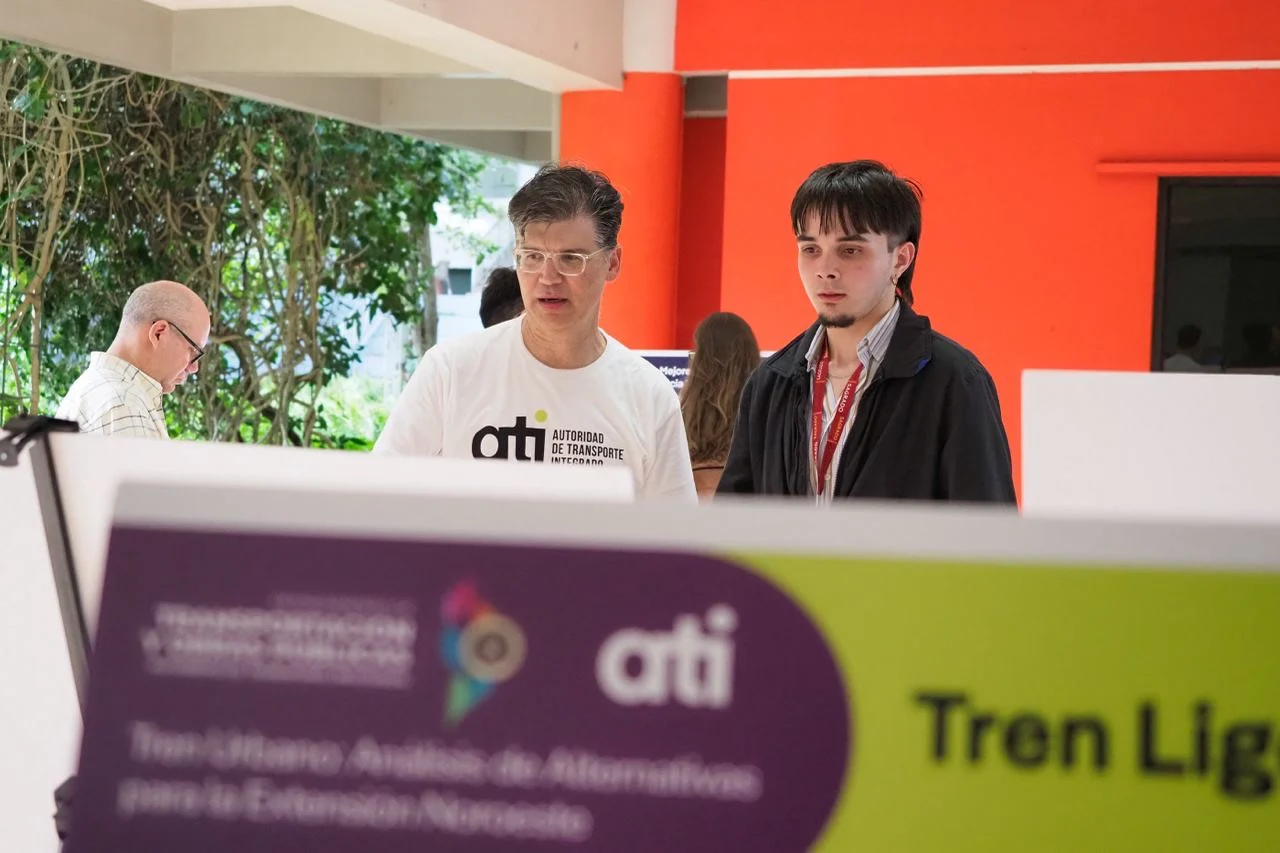
To gauge public opinion on a possible extension of the transit network toward Santurce and Puerta de Tierra, the agency held community meetings on April 15 and 16 at the Conservatorio de Música and Universidad Sagrado Corazón, where we set out to identify how these changes could affect you in practice.
📲 Find out: See what you can visit while the Tren Urbano is free.
Smart fare collection and interconnected ticketing
One of the changes is the installation of new ticketing machines and station entry barriers, which will also enable the option of paying your ATI system fare contactless, either through your phone or a credit or debit card.
"For example, if you're coming from Caguas, you paid $2 to use the Metro Urbano, you arrived at the Cupey station and you get on a bus or the train, it's free. Likewise, if you're on the Metro Urbano in Toa Baja, you arrived at the Bayamón station and you decide to get on the train or a bus, it's free," ATI executive director Platea told Josué Menéndez Agosto explained to Platea.
What should you know?
The new ticketing system resembles the OMNY network in New York City, which replaced the well-known MetroCard, and covers bus, metro and commuter rail services on an intermodal basis.
According to Menéndez Agosto, installation is expected to wrap up by the end of June, with a testing period in July and a public launch in August.
Prospective fares will not increase as a result of the new installations; instead, they will operate under a fare-capping model, with no significant impact on the user.
You'll be able to plan your day through the ATI app
With the AMA bus fleet connected to the GPS system, public transit riders will be able to reliably check schedules for their routes, whether by bus or train, and pay for tickets in advance through an ATI web platform set to launch soon.
For those who prefer not to pay by phone, stations will have traditional fare machines available that allow riders to load funds onto an electronic travel card.
"Here you may be seeing that we want new infrastructure, but we don't want anyone to think that what we have now will be forgotten. We are going to rehabilitate all those stations. There will be a bus replacement. The thing is, all of this takes time. Ordering the buses, receiving the funds, production, and so on," Menéndez Agosto explained.
More train for San Juan?
Looking ahead, ATI is seeking to submit a federal funding proposal for a potential Tren Urbano extension toward the Minillas, Miramar and Puerta de Tierra area.
Among the multiple alternatives presented to the public are bus rapid transit systems (or BRT), such as Transmilenio in Bogotá, Colombia, and BusCaracas in Caracas, Venezuela, as well as light rail (or streetcar) and heavy rail, which is what the Tren Urbano currently uses.
"The planning group places, over the study areas, statistics on employment, commercial activity, tourism activity, and so on. All these factors are analyzed from a geographic standpoint, and we try to have the route cross that zone in a more balanced way," said engineer Pedro Soderberg, of the consulting firm handling the project, Nelson\Nygaard.
📲Read more: Solutions for urban flooding in Puerto Rico
"Perhaps what makes it more unique here in San Juan is the fact that we are crossing a very dense part of the city, an area with a very narrow right of way, and I think that makes it quite particular for the study. It's a challenge, but it's possible," he added.
What are the possible projects?
At this point, there is viability for a train extension departing from the Sagrado Corazón station and following the alignment of Ponce de León Avenue, with destinations at both the Distrito de Convenciones and the Covadonga stop, at the end of Calle del Tren, in Old San Juan.
Heavy rail alternatives could extend underground along Ponce de León, or elevated, along the Baldorioty de Castro
expressway. BRT and light rail, on the other hand, would involve a redesign of Ponce de León to add dedicated surface lanes for mass transit.
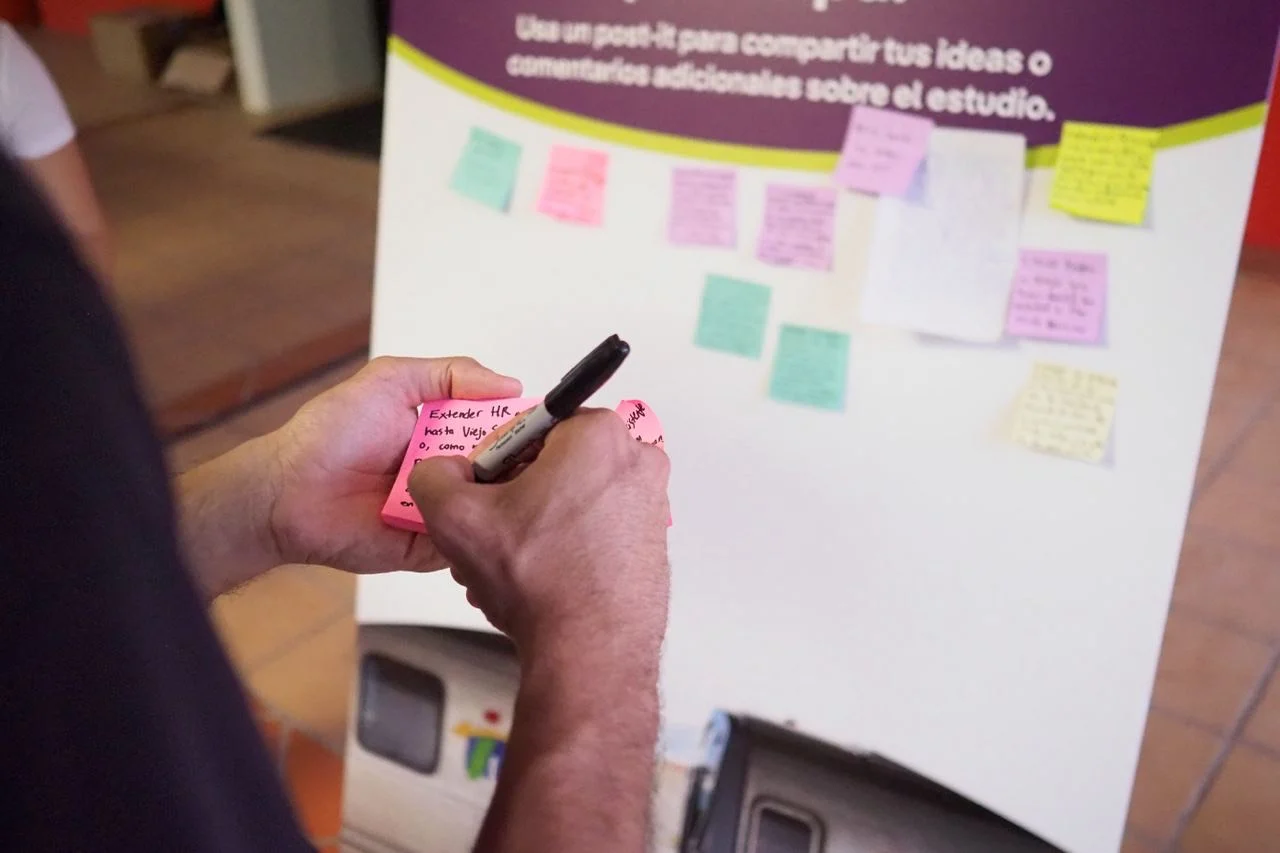
Share your opinion
The ATI still wants to know what you think about improvements to its systems and the planned Tren Urbano expansion. If you want to make your voice heard, visit the agency's portal through this link.
This content was translated with the assistance of Artificial Intelligence (AI).