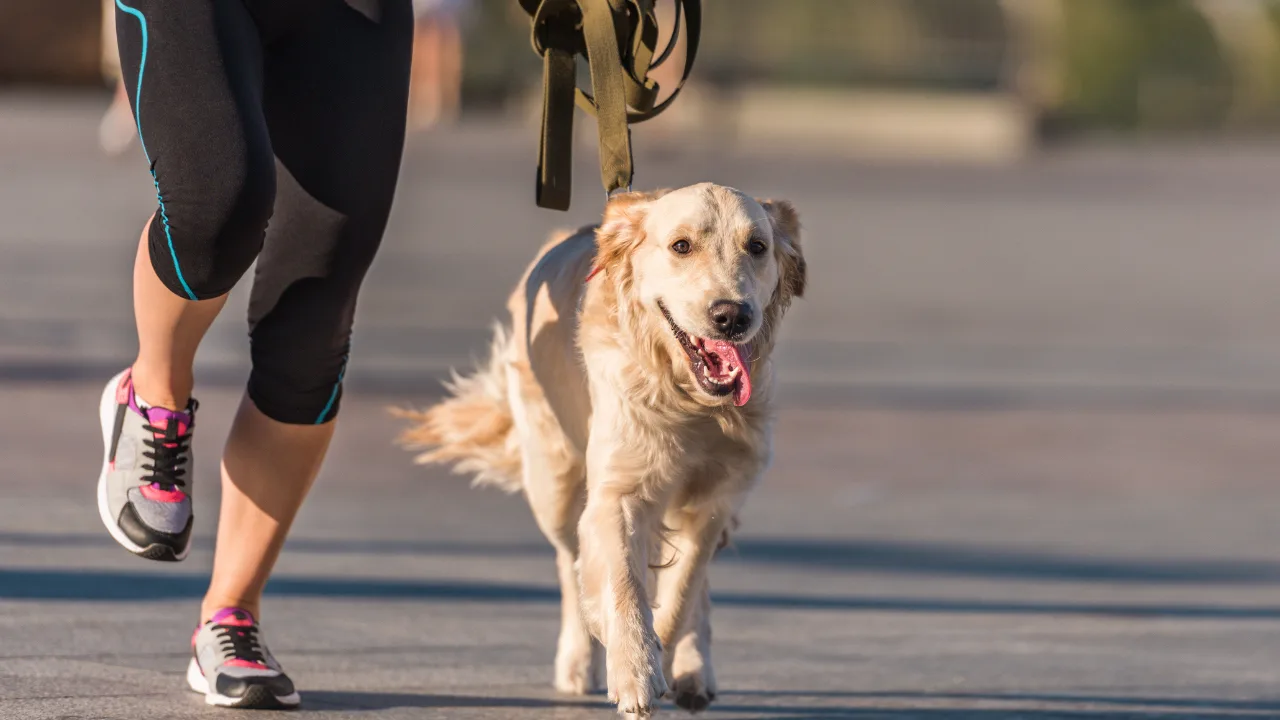
Learn from veterinarians how to adapt your exercise routine to protect your dog from the heat.
With temperatures exceeding 90°F in Puerto Rico during the summer, you need to take precautions when exercising outdoors with your pet.
Before lacing up your sneakers for a run with your four-legged companion, it is important to understand the risks of extreme heat for dogs.
"Puerto Rico's climate presents a real risk for pets," warns Dr. Juliana Santiago Loza, an emergency veterinarian, who stresses the importance of knowing what to do before taking your pet out to exercise.
🌡️ Understanding the risks of heat
The data: During the first week of June, the National Oceanic and Atmospheric Administration (NOAA) recorded high temperatures between 88 and 91 degrees Fahrenheit in San Juan, which can be highly dangerous for active pets.
Why it matters: Dogs should not be exposed to the outdoors once temperatures reach 80°F, as they may have difficulty regulating their body temperature, according to Dr. Santiago Loza.
Above 85°F, they can suffer a heat stroke, which occurs when a dog's body temperature reaches 104°F.
🐶 Symptoms of heat stroke in dogs
Watch for these warning signs:
Excessive drooling and heavy panting: Dogs pant to release heat. In the case of heat stroke, excessive panting can lead to dehydration or aspiration, a dangerous risk in which saliva is redirected to the lungs and can cause suffocation.
Other symptoms include:
Red, blue, purple or pale gums
Dry or sticky gums
Hot skin
Disorientation or lethargy
Seeking out shaded, cool or cold spaces
What to do in an emergency
Call first your nearest veterinary center and describe the symptoms.
Move your dog to a shaded, cool area.
Offer lukewarm water, but do not force your dog to drink.
Avoid cold water: The veterinarian does not recommend wetting the dog with cold water; instead, wet the dog's paws or body with lukewarm water.
Cool the dog gradually with a damp towel on the head, neck and/or paws.
Critical emergency: If your dog experiences decreased urination, diarrhea, vomiting, seizures and/or collapse, go to a veterinary hospital immediately.
🦮 Safe exercise and preventive measures you can take with your pet
Both Dr. Santiago Loza and Dr. Franchesca Caballero, a veterinarian and vice president of the Colegio de Médicos Veterinarios de Puerto Rico (CMVPR), confirm that the animal's safety is paramount, especially when considering any outdoor activity.
✅ Choose the right time of day
Opt for exercise in the early morning hours between 4:00 and 7:00 a.m., or after 6:00 p.m., as long as the weather is cool (between 70° and 80°).
"You need to check the day's temperatures, verify the forecast and always stay informed, for example, through the news and weather apps," Dr. Caballero points out.
At night, make sure to exercise your pet in well-lit areas and use reflective gear to keep both you and your furry companion safe.
✅ Hydration is key
Santiago Loza explains that a dog needs "between 50 and 70 milliliters of water per kilogram of body weight (or 2 pounds) per day."
Hydration tips:
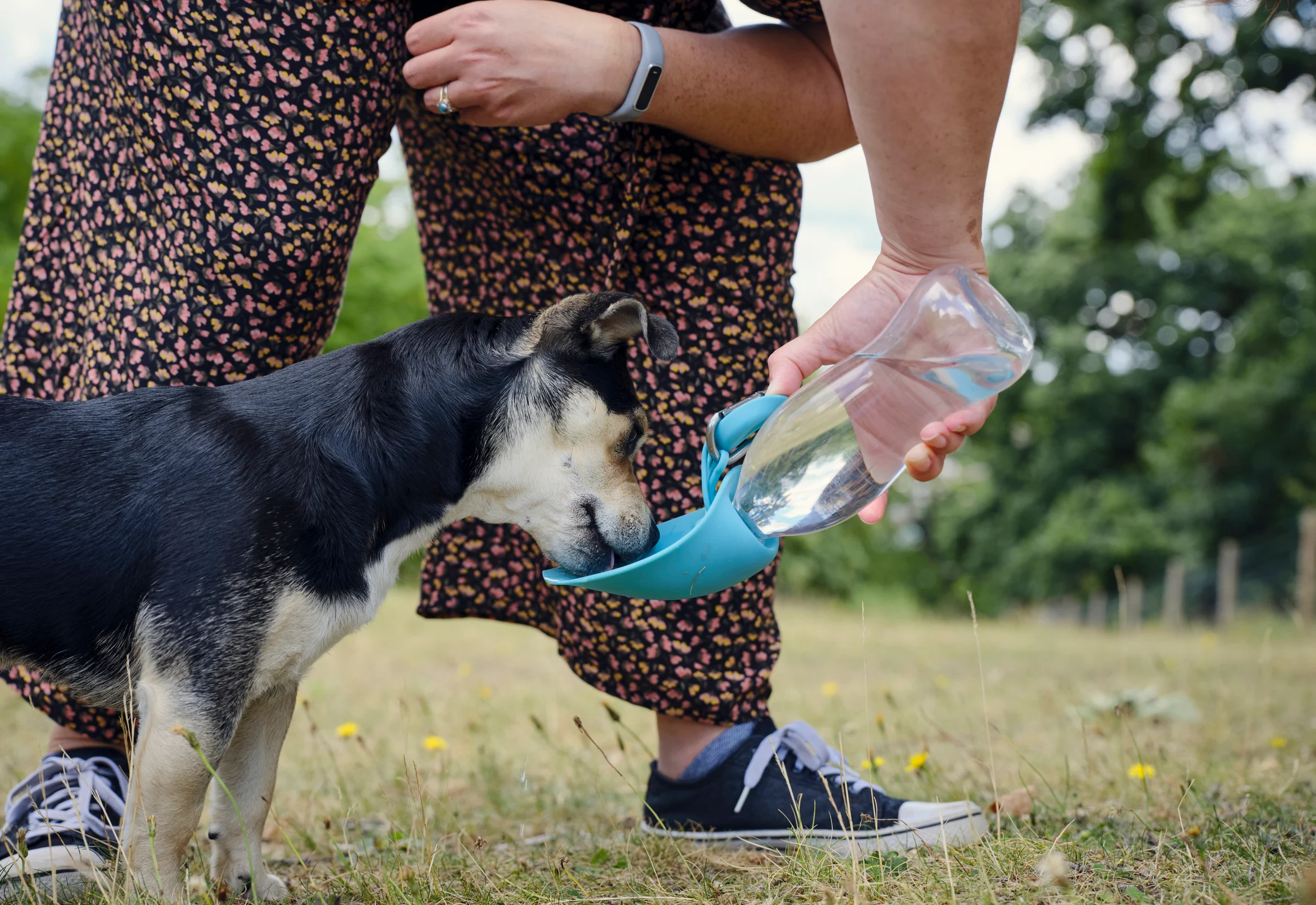
You can store the necessary amount, or the amount your pet usually drinks, in a bottle designed for animals.
For walks or hikes, it is suggested to offer the dog ice cubes, high-water-content snacks and fruits such as seedless, rindless watermelon to help cool down.
✅ Adapt your pet's training
Consider cooler alternatives such as swimming in a pool or at the beach, light walks in shaded or grassy areas, and interactive indoor games to keep your pet active without exposing it to the heat.
On the subject of swimming, it is important that the pet have no "joint, respiratory or cardiac problems. Always with supervision and short intervals…," the vice president of the CMVPR emphasized.
"Ideally, if a person wants to run a 3K, for example, they should take the dog along little by little, getting it used to physical activity," the doctor of veterinary medicine recommends for exercising in temperatures below 80ºF.
✅ Protect their paws
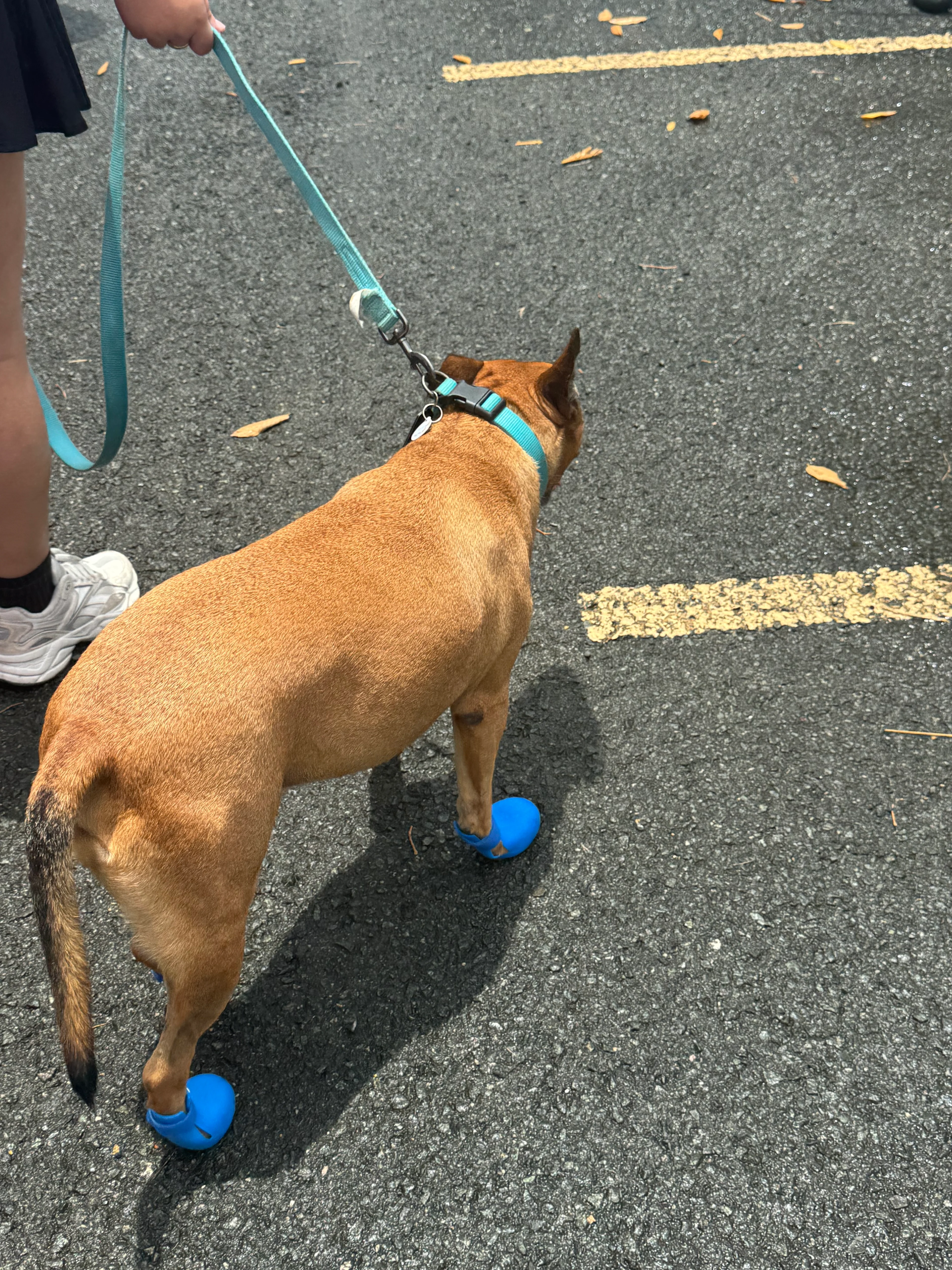
While it is not recommended that pets wear clothing, since it can cause overheating, it is appropriate for them to wear dog shoes or boots to prevent burns from hot surfaces.
"If it's too hot for you barefoot, it's too hot for the dog's paws too," Dr. Caballero summed up.
✅ Keep vaccinations up to date
Every time your dog explores the outdoors, it is exposed to parasites and insects that can carry diseases dangerous to your pet. Make sure its vaccines and medications are fully up to date to avoid putting its health at risk.
"The same goes for heartworm, flea and tick preventives," the expert added.
✅ Pay close attention to the surroundings
Avoid letting pets eat or drink water of unknown origin. "If we take pets, for example, on a hike and they drink standing water where, by chance and bad luck, a mouse happened to urinate, it could be a carrier of leptospirosis," the doctor noted.
If you take your dog to the beach or on a boat trip, don't forget its canine life jacket! Ingesting saltwater and/or sand can pose a health risk to your dog, ranging from choking to drowning.
Never leave your pet in a closed car! Not even with the windows down. Cars can overheat quickly, reaching deadly temperatures.
Welfare first
"My biggest piece of advice is to put animal welfare before human enjoyment," Santiago Loza concluded.
Enjoying exercise with your pet is possible in Puerto Rico, but it requires planning, caution and a lot of love.
Your furry companion depends on you to stay safe while you're on the move. With these tips, you can keep sharing adventures together without putting their health at risk.
For more information on pet care in Puerto Rico, you can visit these resources:
📝 Centro de Médicos Veterinarios de Puerto Rico
📝 Directorio de Clínicas Veterinarias en Puerto Rico
📝 Guía de cuidado básico para tu mascota
📝 ¿Qué causa el heatstroke en mascotas?
This content was translated with the assistance of Artificial Intelligence (AI).