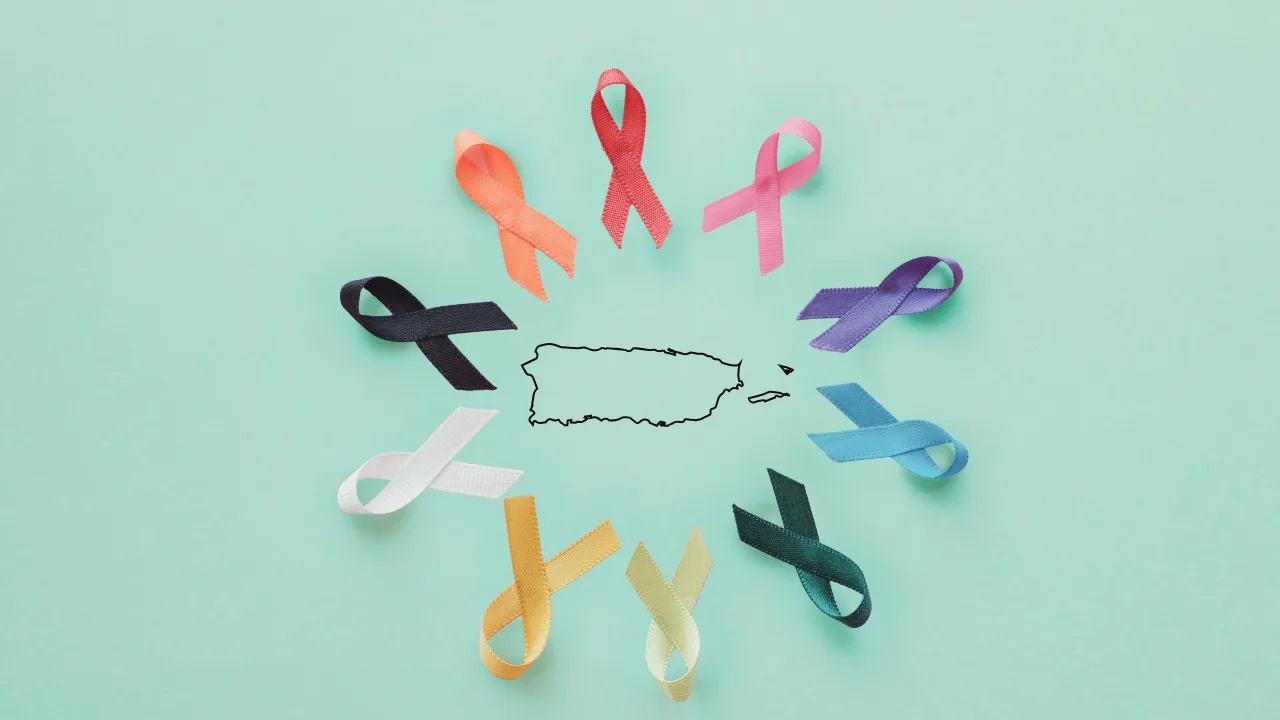
Puerto Rico's Plan de Control Comprensivo de Cáncer, a guide developed by the public, private and community sectors, has added climate change as one of the issues to address in reducing cancer deaths and incidence. Here's what you need to know.
To reduce cancer incidence and mortality on the Island and improve the lives of survivors and their caregivers, the Coalición para el Control de Cáncer de Puerto Rico released the Plan de Control Comprensivo (PCCCP) for the next five years. The document includes, for the first time, climate change, an aspect that, beyond being a risk factor, affects the quality of life of survivors.
Why does it matter? Cancer is the second leading cause of death in Puerto Rico: on average, 5,200 people die from the disease each year, at a median age of 73.
An average of 16,000 cancer cases are diagnosed each year in Puerto Rico, with men more affected than women, and a median age at diagnosis of 67.
Residents of the north and southeast of the island face the worst outcomes.
In addition to climate change, this third edition of the PCCCP 2025-2030 included cancer-related infections as an emerging priority. Those infections account for around 15% of all new cancer cases that occur annually worldwide.
What is cancer?
"Cancer is not a single disease. It is more than 100 diseases. In adults, it is a disease of aging. That is why we see higher incidence in people over 65 … But in children, it is a disease of growth."
– Marta Sánchez Arcil, director of the Programa de Control Comprensivo de Cáncer
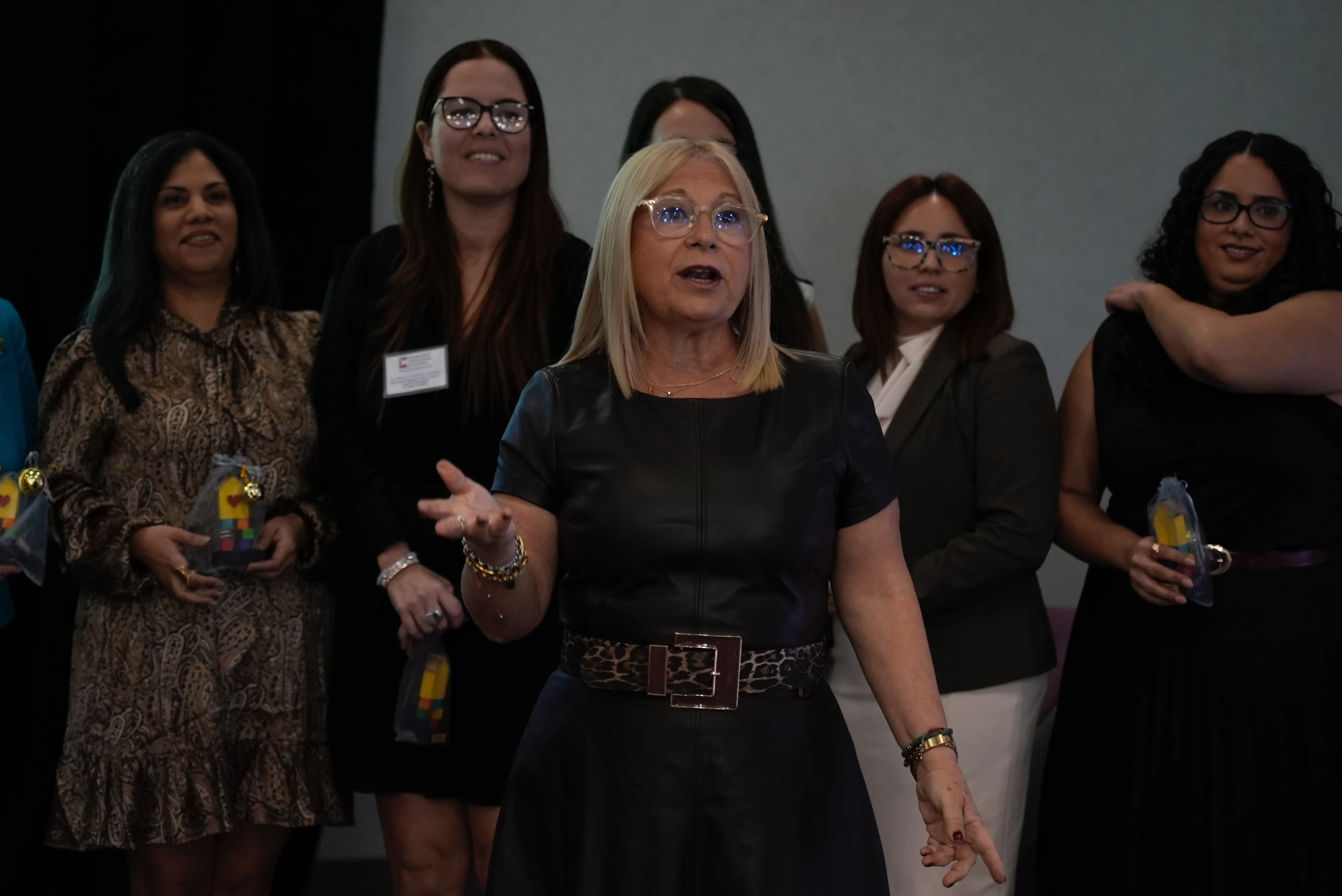
Although most of us probably know someone who died from or survived the disease, "there is a great lack of understanding on the part of the public sector and legislators about what cancer is," said Sánchez Arcil, who coordinates the Coalición para el Control de Cáncer de Puerto Rico, the entity that created the PCCCP.
Part of the effort will therefore focus on ensuring that governor-elect Jenniffer González and the incoming Legislature take the PCCCP into account when introducing public policy aimed at reducing cancer incidence and mortality. While previous editions had the endorsement of the governor and the secretary of health, the coalition decided, given that this is an election year, to wait for the new administration to back the plan.
Why was climate change included?
Climate change, extreme weather and environmental pollution affect cancer incidence and mortality, slow prevention efforts and reduce survival. This is because, when an atmospheric disaster occurs, such as the hurricanes the Caribbean is exposed to, health services can be disrupted, and cancer patients are among the most vulnerable populations, at greater risk of medical complications and death from those interruptions to health care access, the document notes.
As temperatures in Puerto Rico continue to rise, cancer survivors must also take additional steps to care for themselves. "For example, if a cancer patient finishes treatment, a chemotherapy or a radiation therapy, and goes outside to temperatures of approximately 100 degrees (F), you have to educate them on how to stay hydrated, how to take care of themselves. So the climate change that cancer patients experienced 30 or 40 years ago is not what we are experiencing now," Sánchez Arcil explained.
Establish a knowledge base on climate stressors.
Strengthen emergency preparedness plans among cancer survivors, caregivers and health professionals.
Increase awareness of environmental pollution as a risk factor for certain types of cancer.
Emerging priorities: infections that cause cancer and social determinants of health
In addition to climate change, this PCCCP included infections that could cause cancer and the social determinants of health as two emerging priorities, given the influence they have on the disease.
15% of cancer cases worldwide are caused by infections. The most common infectious agents are the human papillomavirus (HPV), hepatitis B and C, and Helicobacter pylori. These infectious agents may be responsible for at least three of the most common types of cancer in Puerto Rico: cervical, liver and gastric.
There is, however, a vaccine against HPV and hepatitis B, and there are tests to detect the types of cancer caused by these infectious agents. For that reason, the goals in this area are:
Reduce mortality from infections that cause cancer.
Increase HPV screenings (through tests such as the Pap smear).
Promote awareness that a Helicobacter pylori infection is a risk factor for gastric cancer.
On the other hand, what raises the risk of death in 70% of cancer cases is not genetic factors but what are known as social determinants of health. These are social factors that affect people's quality of life, such as: access to and quality of education, access to and quality of medical care, neighborhood and environment, social and community context, and economic stability.
Getting preventive vaccines against cancer (that is, against the human papillomavirus, or HPV).
Maintaining a healthy weight, increasing your consumption of fruits and vegetables, and
physical activity.
Avoiding tobacco products and reducing alcohol consumption.
Avoiding unprotected sun exposure and artificial tanning.
Staying informed about cancer prevention and getting regular checkups.
Participating in, or encouraging others to participate in, clinical trials.
Advocating for legislation and/or policies that promote cancer prevention and control, including insurance coverage for cancer.
The PCCCP seeks to create the social and structural conditions for equity in these social determinants, so that there is more equitable access to education and health care treatments, so that existing disparities among municipalities are reduced, and so that the factors influencing cancer survivors' quality of life are addressed.
Also from Platea: Direct Relief y su impacto de $224 millones en el acceso a la salud en Puerto Rico
What else does the plan include?
The nearly 100-page document includes not only statistics on cancer in Puerto Rico but also goals in each of the areas the plan addresses, among them prevention, early detection, treatment, support for patients, caregivers and health care providers, and survivors and their quality of life.
Training of medical professionals
Education for the general public
The evaluation of public policies and programs that improve the detection and treatment of the disease.
The plan also includes concrete actions for individuals, hospitals, doctors, health care providers, communities, workers and academia.
– Explore the full Plan de Control Comprensivo de Cáncer document here
How was the PCCCP created?
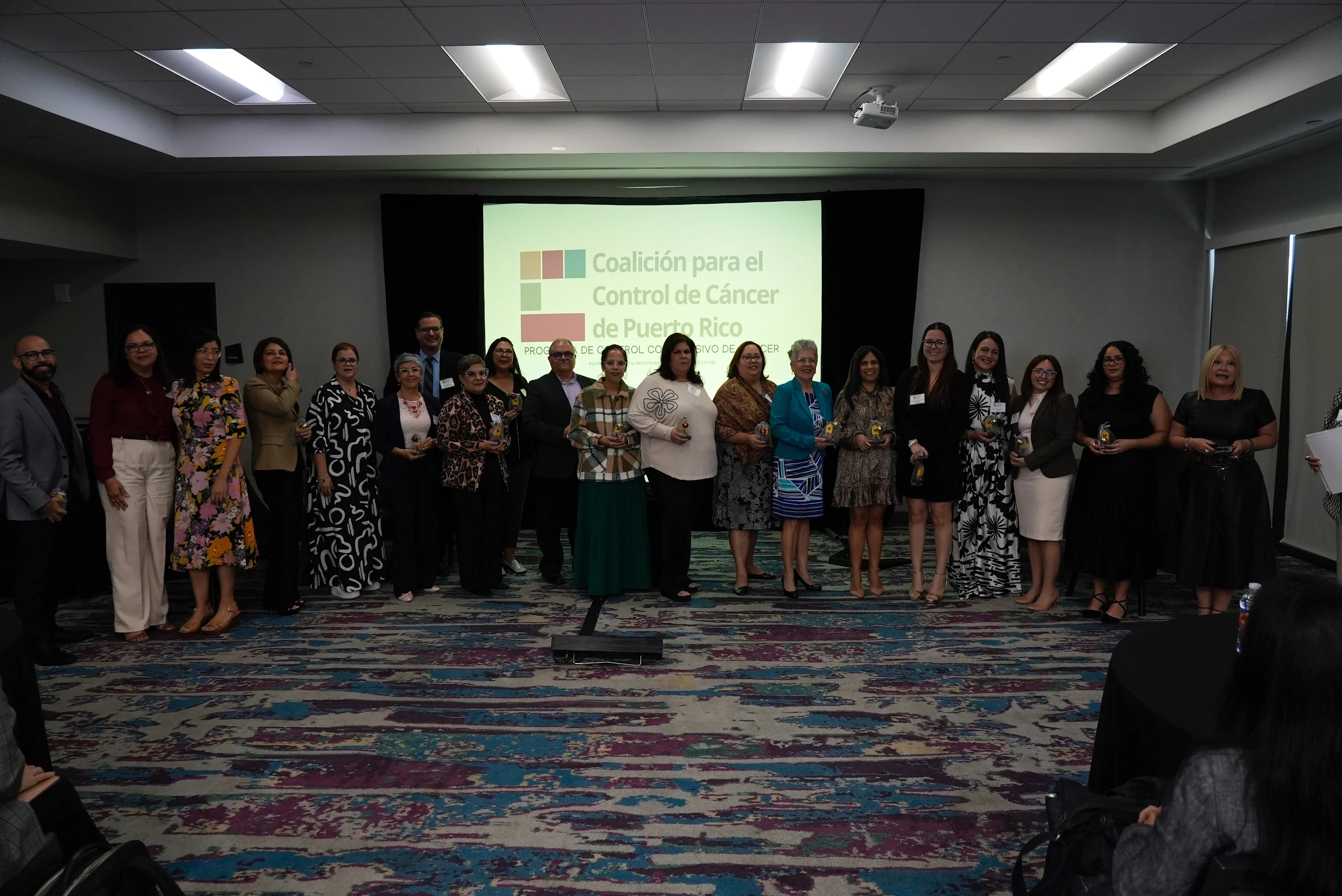
The Coalición created this plan building on the two previous editions, covering the years 2008-2012 and 2015-2020, with professionals and survivors from 25 public and private organizations that work on cancer, and with support from the Centers for Disease Control and Prevention (CDC). It also had the backing of national and international experts. They evaluated Puerto Rico's particular situation and the social, medical, environmental and other factors that affect cancer.
This content was translated with the assistance of Artificial Intelligence (AI).