We explain what the recent designation of the Jardines Submarinos de Vega Baja y Manatí as a Marine Protected Area means.
For the communities that spent 20 years fighting for its protection, the recent designation of the Jardines Submarinos de Vega Baja y Manatí as a nature reserve, a type of Marine Protected Area, represents an important step forward in protecting corals and other species in the marine ecosystem, including manatees.
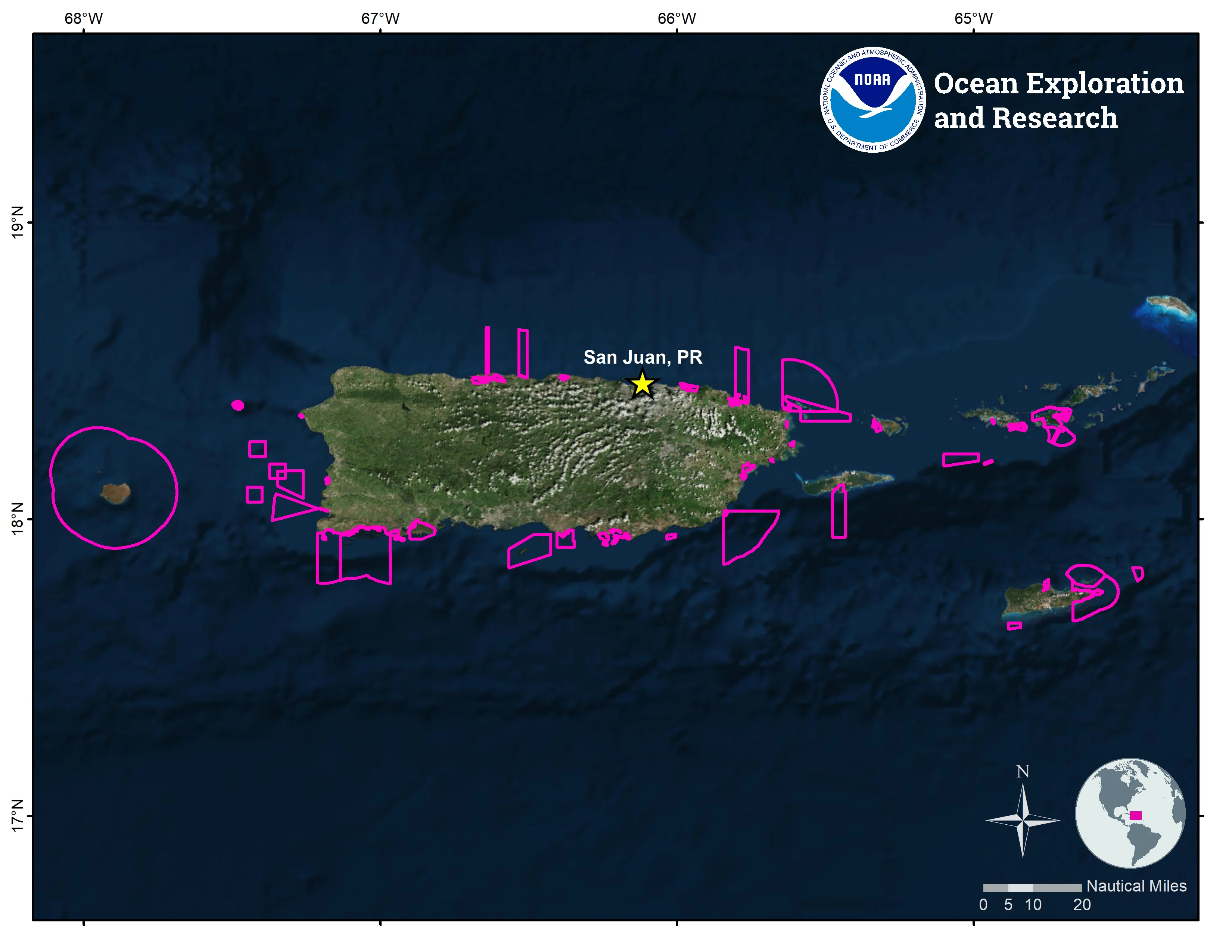
The Reserve is located in the north-central part of the Island, bordering to the south the protected areas of the Reserva Natural Mangle y Pantano del Cibuco and the Reserva Natural Laguna Tortuguero.
"We can talk about the environmental benefits in the face of climate change and the (coral) bleaching that is emerging, and that we now have this zone designated and have the scientific group looking at how to work with it, taking fragments to restore in other places," Héctor "Tito" Varela told Platea. Varela is program manager at the Surfrider Foundation in Puerto Rico, one of the groups that supported the reserve designation.
"But at a macro level, (the nature reserve designation) is a hope or a seed planted not only locally in Puerto Rico, but also internationally," he added.
Gov. Pedro Pierluisi signed the Ley de la Reserva Natural Los Jardines Submarinos de Vega Baja y Manatí (Law 125 of 2024) in August. The measure, introduced at the request of communities, was filed in November 2023 by independent Sen. José Vargas Vidot.
In addition to the Surfrider Foundation, organizations including the Grupo Vegabajeños Impulsando el Desarrollo Ambiental Sostenible (VIDAS), Descendientes Unidos por la Naturaleza, la Adaptación y la Sostenibilidad (DUNAS) and Yo Amo Al Tinglar, among others, drove the creation of the reserve.
Why does the reserve matter?
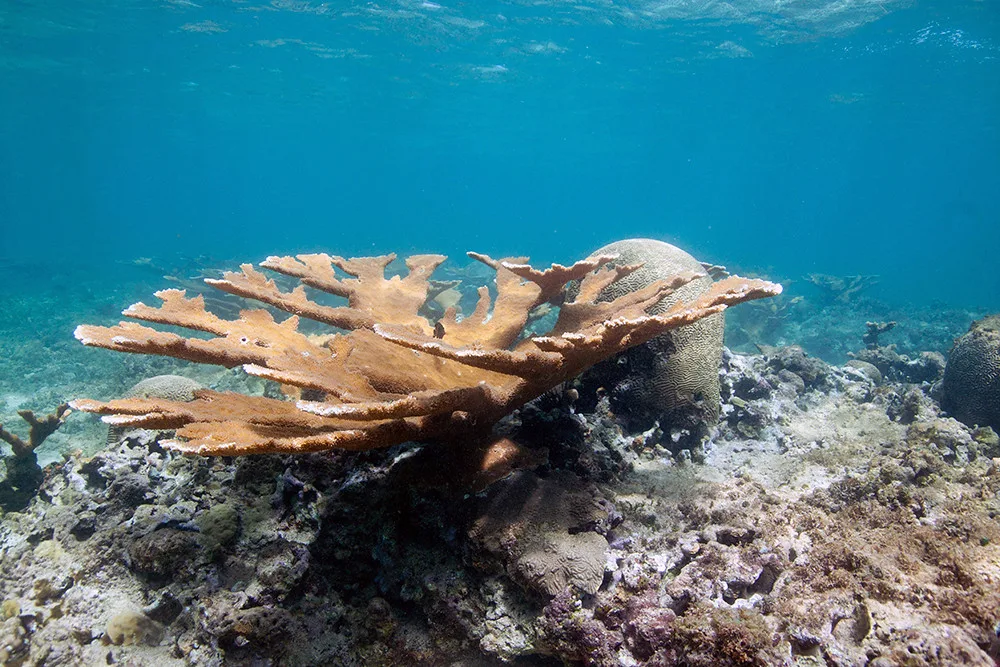
The reserve covers 77 square miles of coastal coral reefs, mangroves and seagrass beds. It also harbors a variety of coral species, including one of the largest stretches of elkhorn coral in the Caribbean.
Elkhorn coral, according to the Surfrider Foundation, is important to the health of marine ecosystems and has been particularly vulnerable to climate change.
What other species live in the reserve?
In addition to elkhorn coral, the reserve is home to 34 species of scleractinian corals, 15 octocorals and three hydrocorals, according to the law's statement of purpose. The area also serves as a nesting ground for the leatherback turtle, the hawksbill turtle and the white marlin, and sharks and all legally protected migratory seabird species have been spotted there.
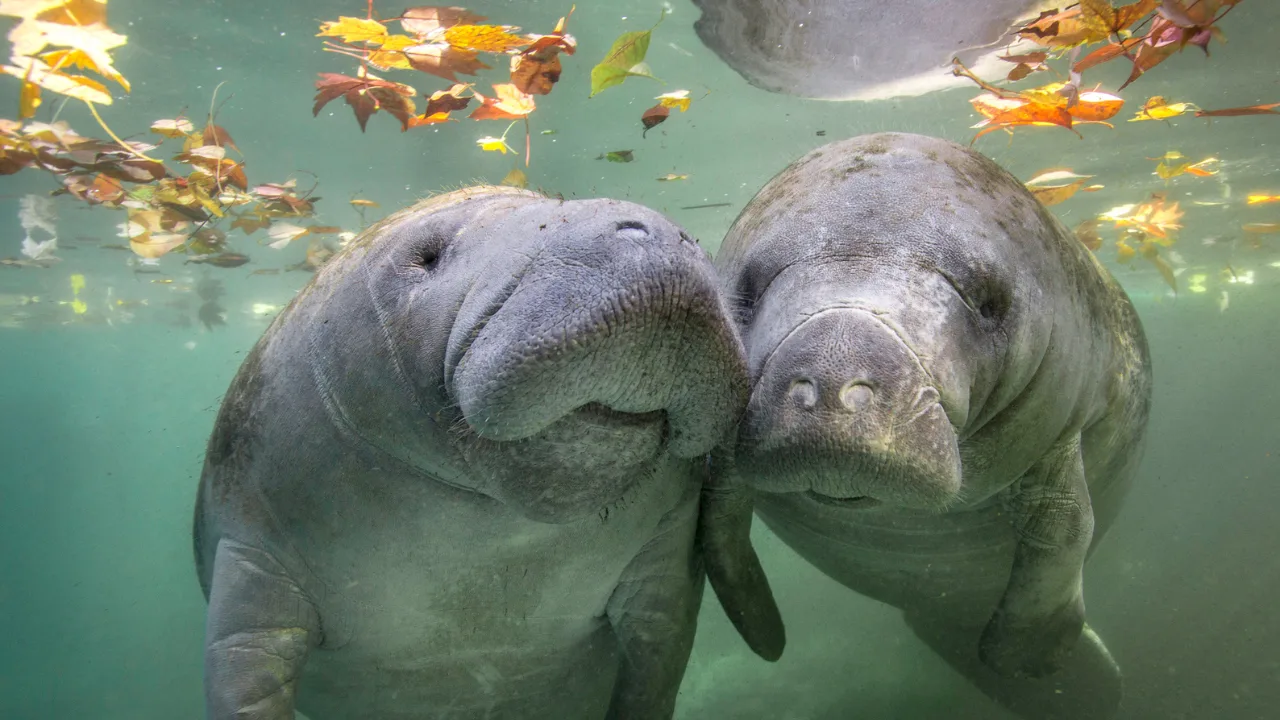
The Marine Protected Area also contains seagrass beds where manatees feed. A recent study found an increase in deaths of this mammal linked to parasitic and bacterial infections. Climate change also threatens the seagrass beds that serve as their food source, El Nuevo Día reported.
In detail:
Both manatee subspecies face significant threats, including vessel strikes, habitat loss, coastal development, human interaction, natural processes and climate change.
Antillean manatee numbers are declining, and some populations are isolated with few individuals.
Their habitat has not been updated since they were originally protected under the Endangered Species Act in 1976.
In November, the Service extended the comment period for the proposal to Jan. 24, 2025.
Why are corals so important?
Corals are marine organisms made up of polyps, and they are responsible for building reefs, ecosystems that support a wide diversity of algae and animals, according to Sea Grant Puerto Rico.
Coral reefs protect the coast from the impact of storm surges and heavy swells, especially during hurricane season. According to the Surfrider Foundation, these ecosystems act as natural barriers that reduce wave energy before it reaches the shore. This helps prevent coastal erosion, and the absence of these barriers would put both marine life and human safety at risk.
✍🏽 Also from Platea:
It's a protected area now. What comes next?
After the reserve designation, the next step will be creating a management plan.
The law, signed Aug. 5, directs the secretary of the Department of Natural and Environmental Resources to develop, in collaboration with nonprofit organizations, a management plan and the regulations needed for the administration, rehabilitation and conservation of the reserve within 150 days of the measure's approval.
"When you create a reserve, you develop a management plan that tells you what can and cannot be done, and a management committee is formed," Varela explained. "That committee is made up of natural resources staff, representatives from different agencies, and community members and stakeholders to enforce the management plan and establish those parameters."
At the moment, the community is holding various meetings with merchants, fishermen, divers and surfers as part of creating the management plan, whose legally established period expires in one month.
The law provides that the government must guarantee $1,000,000 annually to implement the law, in addition to identifying $500,000 for the development of the management plan.
This content was translated with the assistance of Artificial Intelligence (AI).