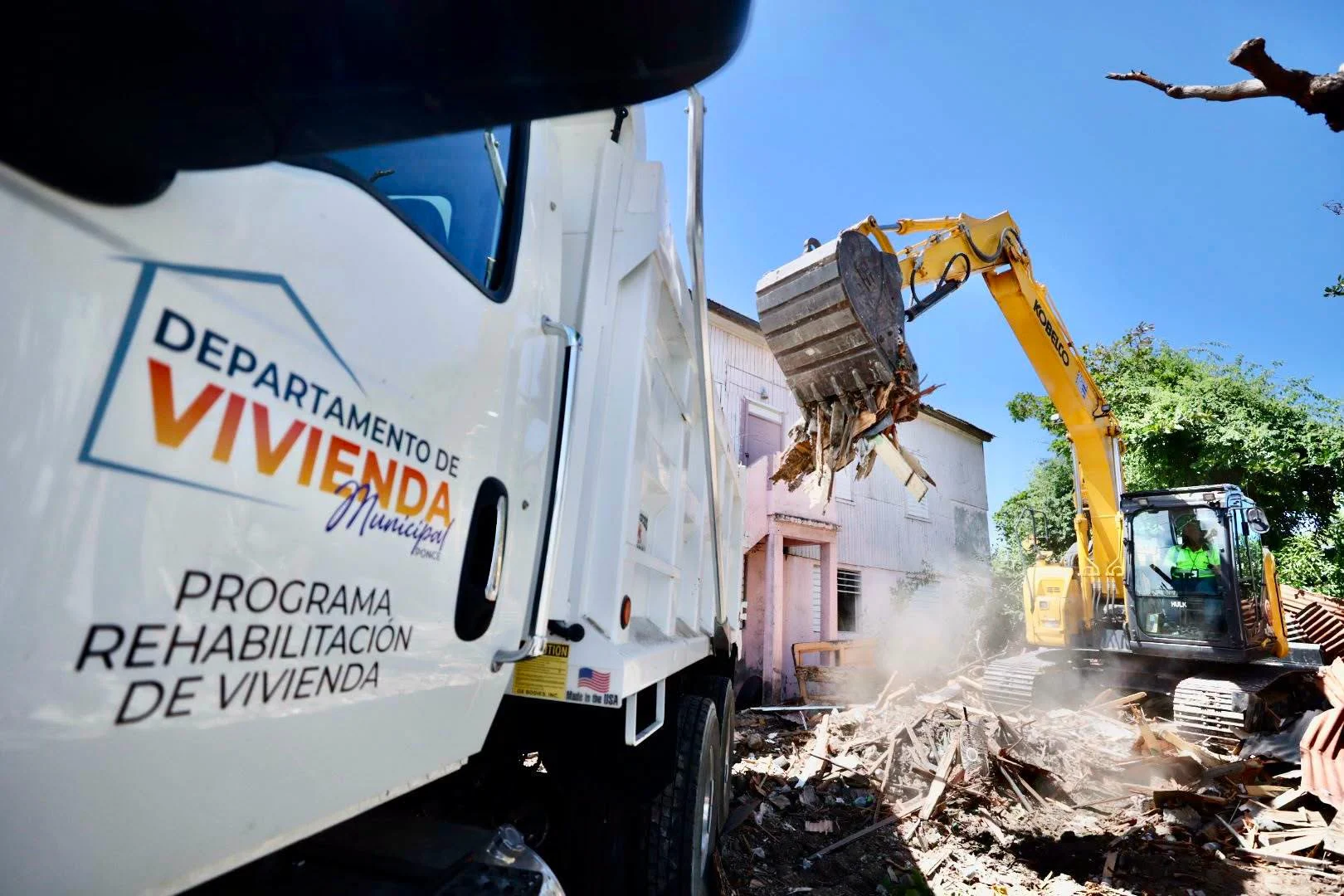
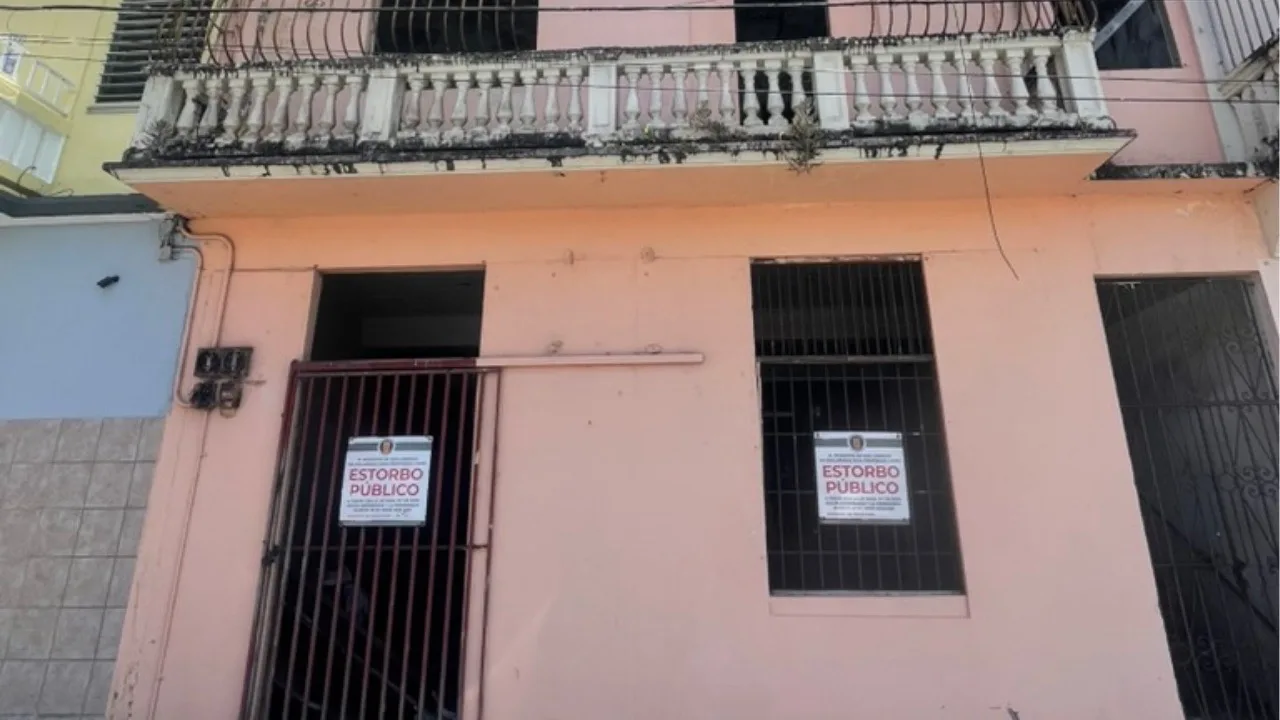
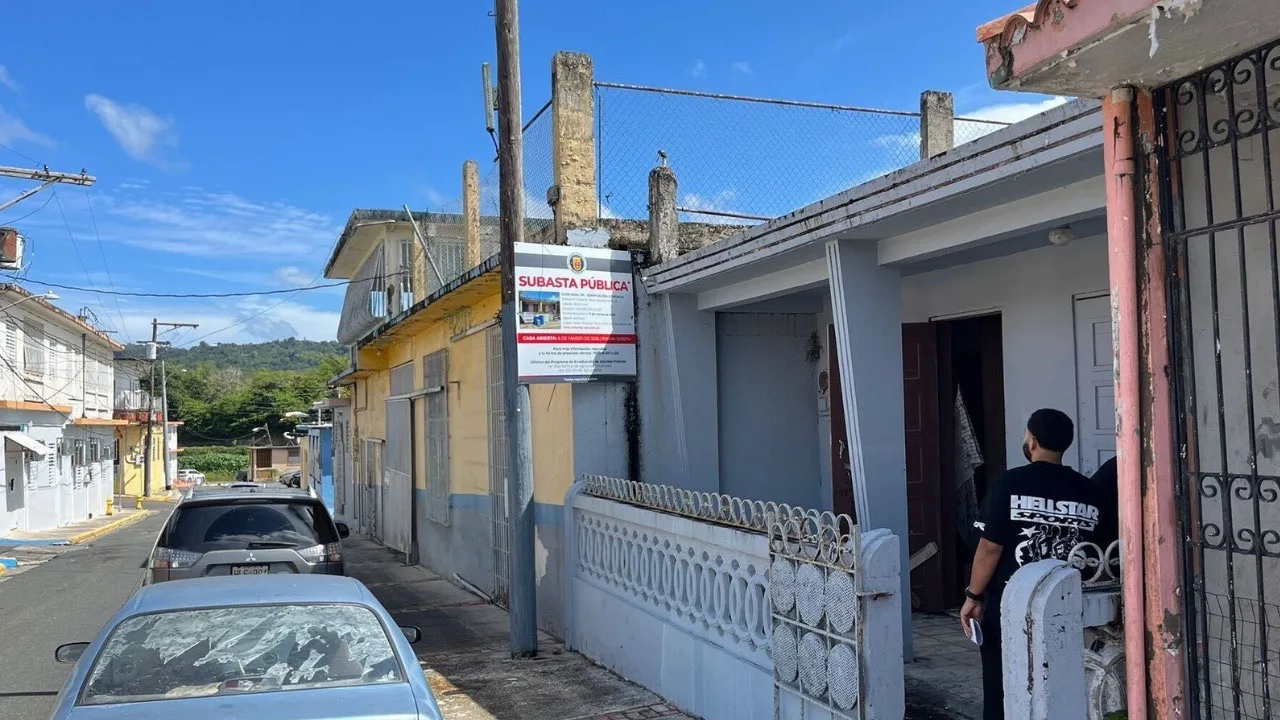
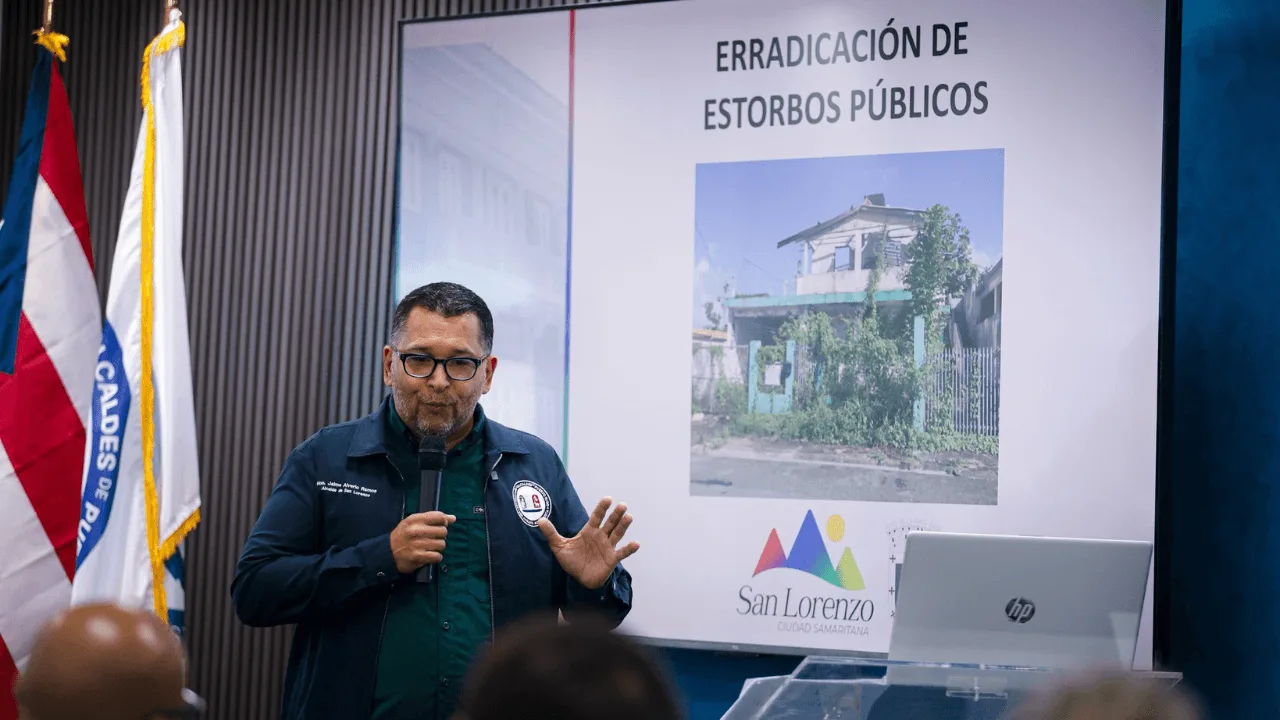
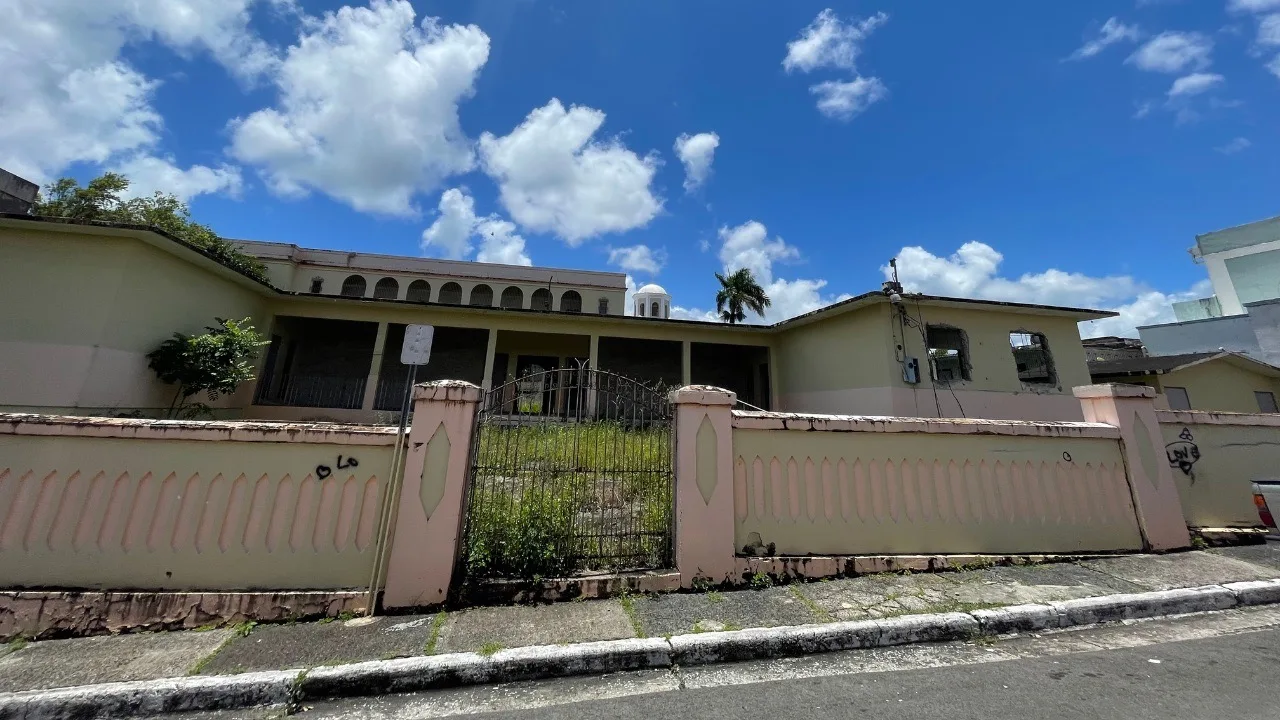
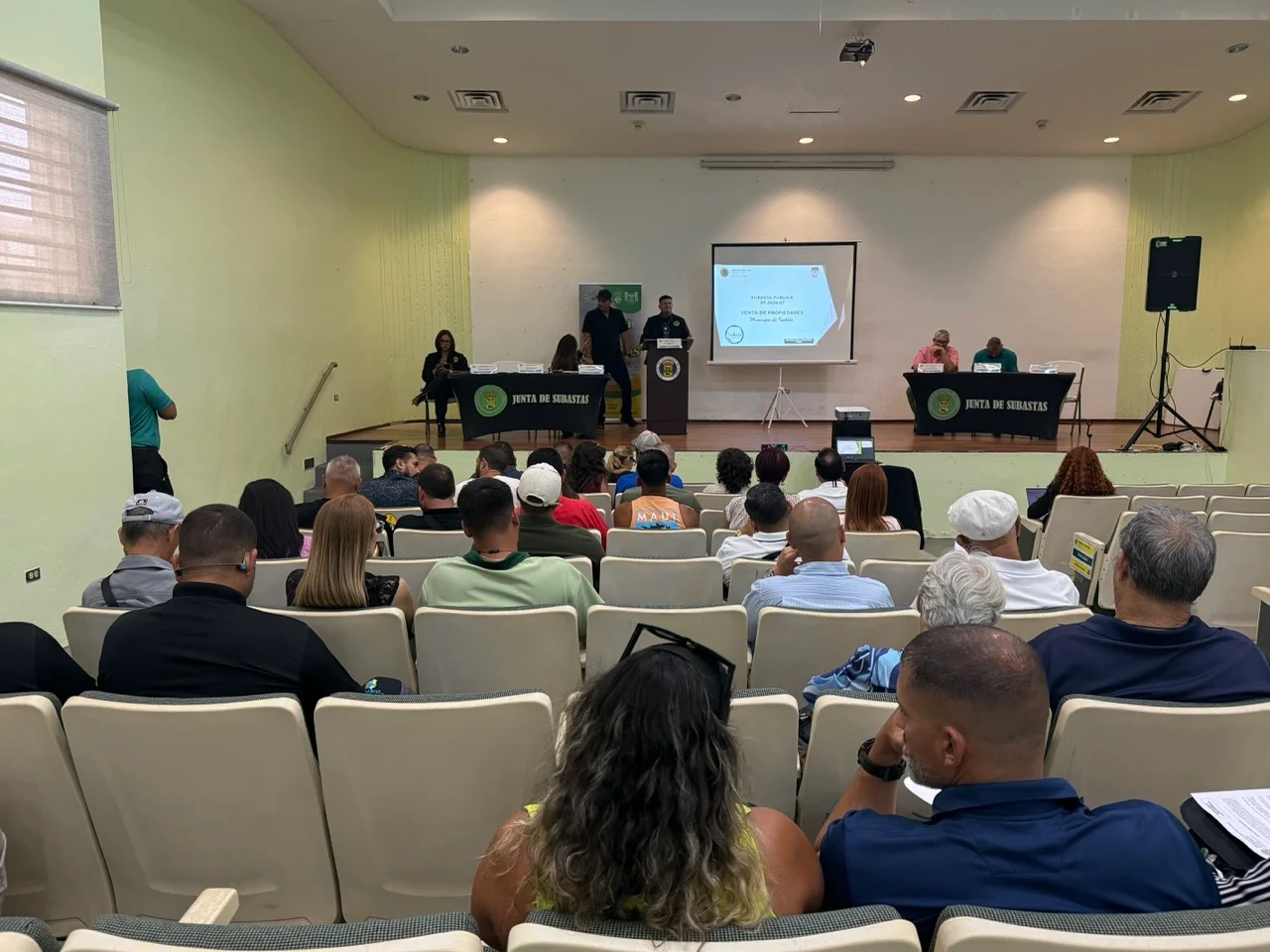
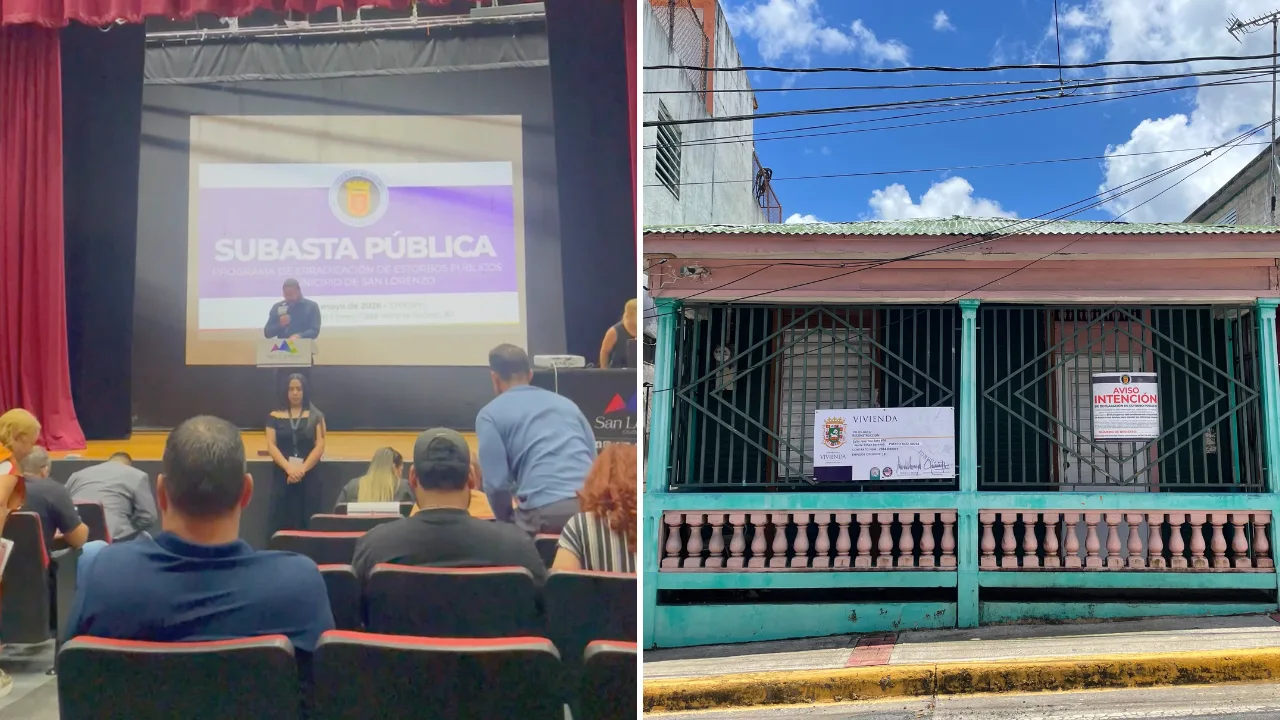
What's happening? At a time when multiple municipalities have opted for public auctions or community land banks, the Municipality of Ponce has developed an alternative approach that aims to prioritize affordable housing and reduce municipal spending on public nuisance properties.
Two of the options make it easier for Ponce residents to acquire nuisance properties: affordable housing and eminent domain at the request of third parties. The first allows the municipality to acquire properties and sell them at a nominal price to Ponce families in need of housing. The second allows residents to ask the municipality to intervene on a public nuisance property and acquire it.
These mechanisms are possible because of amendments to the Municipal Code that streamlined intervention in public nuisance properties.
"What we want is to eradicate (public nuisance properties), reclaim them and ultimately create housing," said Job Bonilla, director of the Departamento Municipal de Vivienda y Desarrollo Socioeconómico de Ponce, in an interview with Platea about Mayor Marlese Sifre's public policy.
Even so, the municipality acknowledges that some processes still need to move faster, and it has requested additional changes to the law, including shortening timelines it considers too long, such as the year a court may take to issue a ruling.
Here is how each process works and how you can participate if you are interested in purchasing one of these properties.
The processes are governed by Ordenanza Número 16, serie 2025-2026, and the regulations for the intervention, acquisition and disposition of public nuisance properties of the Municipio Autónomo de Ponce.
+4,000 propiedades vacantes: incluye abandonadas, vacías o posibles estorbos públicos, según el Censo. Esto NO significa que todas puedan ser estorbos.
23 estorbos públicos declarados oficialmente.
Pronto: Esperan que, a finales de septiembre, se dé la declaración oficial de 53 estorbos públicos adicionales y otros 126 para finales de año.
850 querellas recibidas de posibles estorbos públicos. “Se convertirían aproximadamente el 60% de ellas en estorbos públicos al final”, estimó Job Bonilla, director del Departamento Municipal de Vivienda.
Option 1: Emergency intervention in public nuisance properties
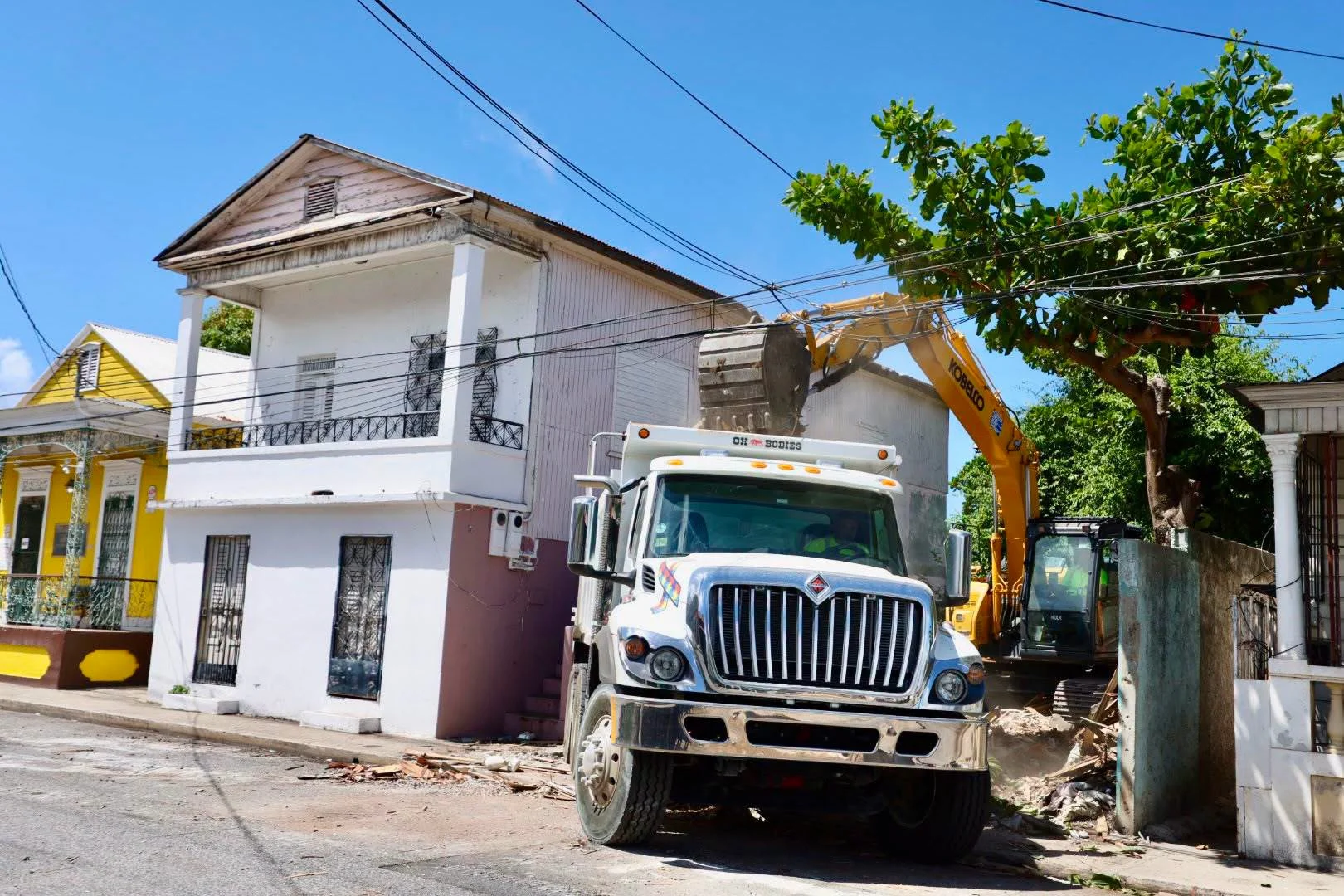
If a property is in detrimental conditions (harmful to health and well-being) and requires quick action due to an emergency, such as a fire, the risk of collapse or its clandestine use for drug consumption, among other situations, this option allows the municipality to intervene immediately to address or eliminate the public nuisance condition and then proceed with the ordinary declaration process, Bonilla explained. In other words, the situation is addressed first and the official public nuisance declaration comes afterward.
This option is known as the "Procedimiento adjudicativo de acción inmediata (estorbos públicos de emergencia)," which allows action when "an imminent danger to public health, safety and well-being exists."
Lo que hace es que pone el proceso al revés. En vez de nosotros enviar las cartas y luego declarar y limpiar, nosotros limpiamos, tomamos la acción y luego notificamos de qué efecto se tuvo que tomar esa medida.
The figure. As of Sept. 9, the Municipality of Ponce had addressed between 20-25 properties under this option, Bonilla said. In some cases, an investigation to determine whether the conditions for a nuisance designation were met was already underway.
How it works. The director of the Departamento Municipal de Vivienda must submit an order or resolution explaining why a property meets the conditions of an emergency nuisance. From that point, "we have 72 hours, per the regulations, to address the situation," Bonilla explained.
After the municipality takes the appropriate measures, the action taken and any applicable fines are published in a general-circulation newspaper and a digital outlet. The owner may appeal through the Vista Administrativa process, which is available for all public nuisance declarations.
Lee más de nuestra cobertura de vivienda
Option 2: Affordable housing
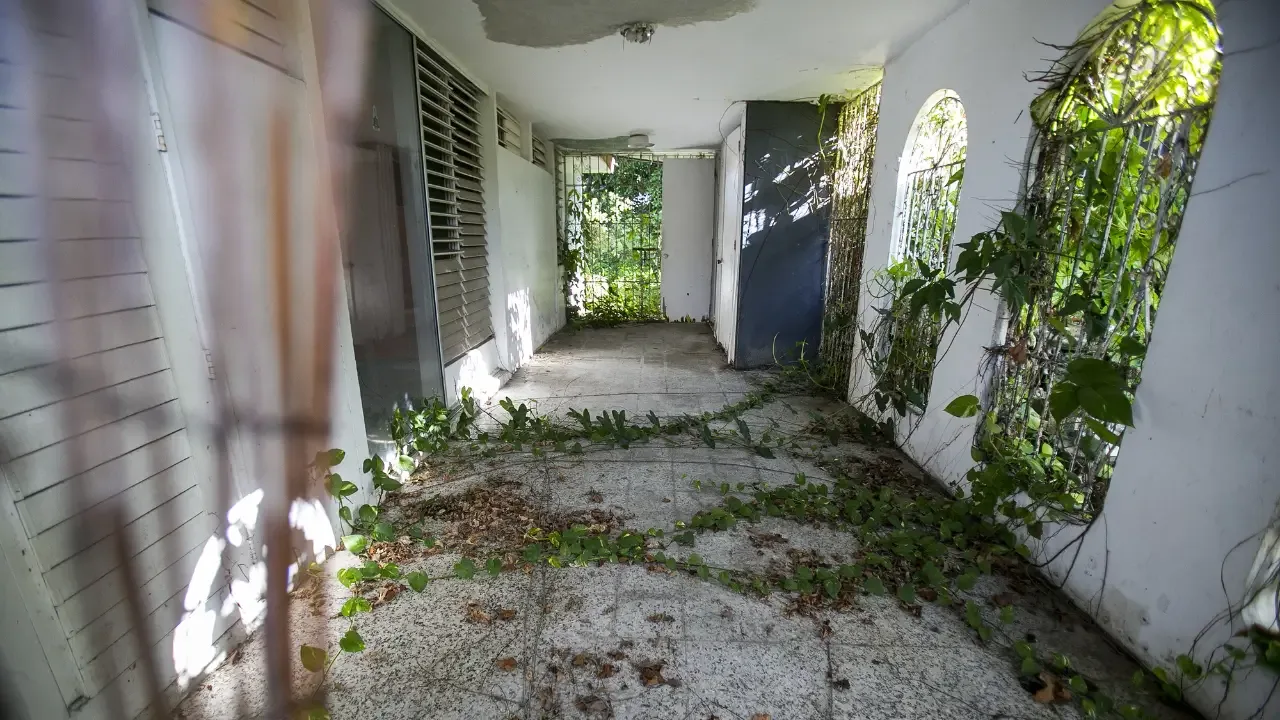
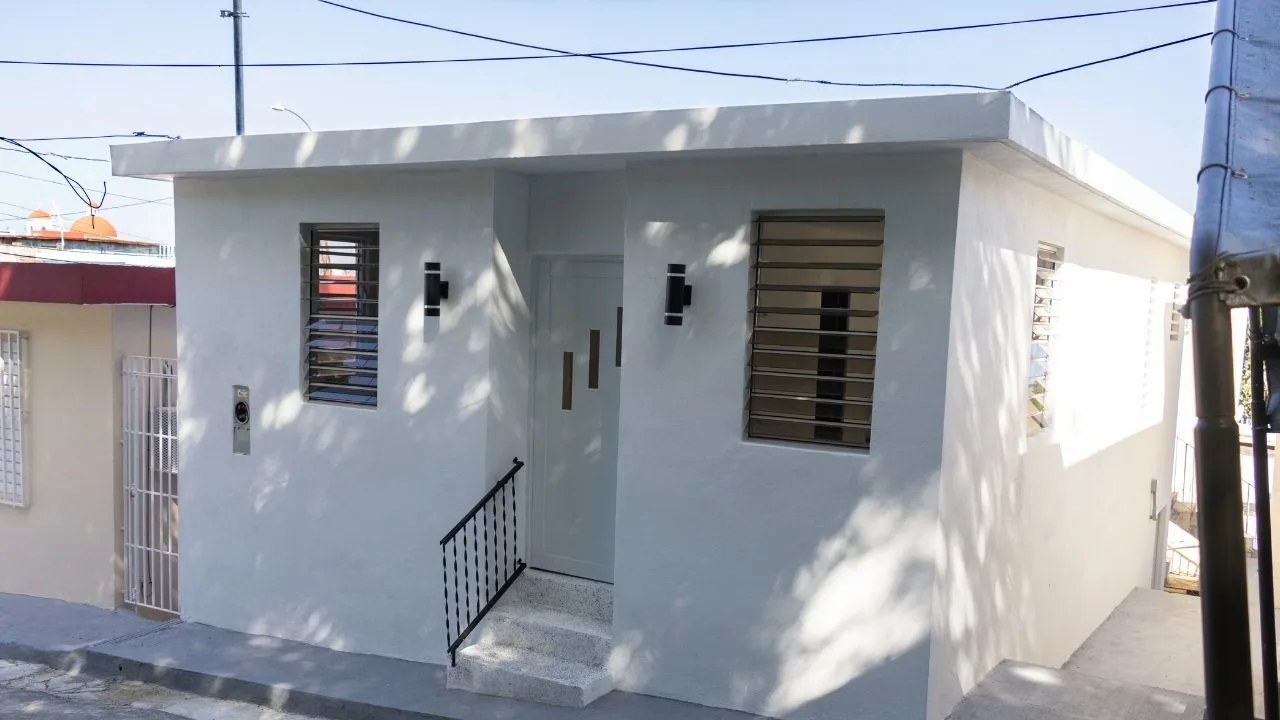
This is the process through which the Municipality of Ponce carries out its public policy of converting eligible public nuisance properties into affordable housing.
Under this mechanism, after a public nuisance declaration is made, the municipality enters an eminent domain process to acquire the title to the property and then transfer it at a nominal price, Bonilla said it would be $1, to an applicant who "qualifies as a vulnerable person."
The figure. No one has received housing under this option yet, but "from January to today (September 9) we have counseled 850 people. Of those, there are 412 letters of intent," Bonilla said. Of these, 126 could be declared in the coming months, she added.
How it works. The interested person must write a letter to the mayor filing a complaint that a public nuisance exists and expressing interest in acquiring it, making clear that they would qualify under the vulnerability requirements. The date on which that letter is sent is key when it comes to awarding the properties, once the municipality acquires the title after expropriation.
The municipality investigates whether the person meets the vulnerability requirements.
The municipality begins the public nuisance declaration process and subsequently takes the case to court to request expropriation or award of the property title.
After receiving the property title, the municipality evaluates who expressed interest and determines who should receive that property for the nominal price of $1.
What makes this option distinctive. The municipality reached an agreement with the Autoridad de Financiamiento e Inversión Ponceña (AFIP) to offer loans to those who, under this option, cannot obtain financing from other mortgage institutions, Bonilla explained.
The idea is for AFIP to grant loans to qualified individuals based on the appraised value of the property, "so that based on that value they can build (or rebuild) their home" on what was a public nuisance.
This comes about because "the biggest challenge we have right now is that many families who qualify as vulnerable do not necessarily have bank financing, because these properties are either ruins or are made of wood or the bank won't insure them," Bonilla said.
Who qualifies. Individuals must be evaluated to determine whether they meet the parameters of "vulnerable population," which include:
Residency. Being a resident of Ponce.
Income. Qualifying within the low or moderate income limits established by the federal Department of Housing and Urban Development (HUD). In the case of Ponce, a single person must have an income of $41,450 to qualify, or $47,400 for a two-person household, or up to $78,150 for a household of eight.
Financial capacity. Demonstrating the capital or ability to rebuild the home. Keep in mind that an AFIP loan may be available.
Need. Demonstrating a housing need. Particular circumstances, such as the loss of a home due to a weather event or a fire, could give the applicant priority.
That it be their first home and property.
👴🏾 Población envejeciente: Personas de +62 años sin vivienda propia, con ingresos fijos limitados y sin red familiar de apoyo.
🧑🏻🦼➡️ Personas con diversidad funcional: Personas con una discapacidad que requieran accesibilidad específica en una vivienda.
🧑🧒🧒 Familias con menores: Familias monoparentales o biparentales con hijos menores de 18 años sin vivienda propia y con ingresos bajos o moderados.
🏡 Jóvenes con primer hogar (18-35 años): Personas en ese rango de edad que quieran adquirir su primera vivienda y no tengan historial crediticio o acceso a financiamiento convencional.
🧑🧑🧒 Familias de bajos recursos (VLI): Familias que destinan +30% de su ingreso a una hipoteca.
Conditions of the $1 transfer. After qualifying as a vulnerable population and receiving the property title, the person will have one year to eliminate the public nuisance condition (clearing, demolition, etc.) and to have begun construction of their home.
The property title is then conditioned on the person residing at the property for a minimum of 10 years as their primary residence before being able to rent it, sell it, or put it to another use. "It carries a deed with restrictive conditions," Bonilla said.
What happens if they fail to comply. The person risks having their ownership revoked.
Difference between options 2 and 3: "The process will remain the same. The only difference is that the person will not deposit the money (in option 2); the municipality deposits it. They don't do it. That is the only difference, along with the opportunity to request financing from AFIP for a loan to renovate the home, but the process is the same," Bonilla said.
🧑🏻🏫 Para orientación: Se ofrecen en la Unidad de Estorbos Públicos, adscrita al Departamento Municipal de Vivienda y Desarrollo Socioeconómico. Puede visitar o llamar al 787-840-9200, extensión 5229.
📍La oficina está ubicada en la Plazoleta Las Américas, Suite 102, 2105 Boulevard Luis A. Ferré, Ponce.
✍️ Se hacen dos orientaciones al mes. Se contacta a las personas que llamaron solicitando información o a quienes enviaron cartas mostrando interés de adquirir un estorbo.
📝 A dónde se envían las cartas: Puedes enviar la carta de intención (tanto modalidad 2 como 3) al Departamento Municipal de Vivienda y Desarrollo Socioeconómico o a la Casa Alcaldía de Ponce.
Option 3: Forced expropriation in favor of third parties or at the request of an interested party
This is a process established by the Municipal Code for all municipalities. It allows a third party to ask the municipal government to declare a property a public nuisance and to be considered an interested party in acquiring it through eminent domain. In Ponce it is known as "eminent domain at the request of an interested party."
How it works. The interested person must write a letter to the mayor filing a complaint that a public nuisance exists and expressing their interest in acquiring it.
After the public nuisance declaration process, the case would go to court and, in that case, the interested party must pay "the appraised value plus 10% in administrative costs," which include appraiser fees, legal matters, surveying and other expenses, Bonilla explained.
The court evaluates the case and has one year to issue a ruling. "Once the court issues a ruling, the deed is prepared and that's it," the official said.
No limits on petitioners. Those interested in acquiring a nuisance property under this option do not have to be from Ponce or live in Ponce. They also do not have to meet any income requirements, beyond being able to pay for the process themselves.
Conditions. In this case, the person also has one year to bring the property out of public nuisance status (cleanup, demolition, etc.).
Freedom of use. Unlike option 2, under this option the person, having put up the money to acquire the nuisance property, is free to decide what to do with it. Bonilla said some people want to use it as housing, but there is also interest in commercial use, parking and other purposes.
What happens if they don't comply. "The court revokes the ruling," Bonilla said. That is, they would lose the title to the property, the building would revert to public nuisance status and the process would start over. The person would lose the money invested.
Nuisance properties in Ponce: who identifies them and possible amendments
The identification of public nuisance properties in Ponce happens through several channels, Bonilla explained. It can come from residents requesting intervention or expressing interest in a public nuisance property, but municipal employees also identify some on their own.
Others were on the public nuisance lists of previous administrations but are being reinvestigated and re-identified so they can follow the most recent legal process.
Where the revenue goes. The money generated through public nuisance properties goes primarily to the Public Nuisance Unit, as well as to the creation of housing access programs, the municipal general fund and legal expenses.
Possible amendments to the process. Bonilla said they have requested amendments from the Senate Housing Committee within the Municipal Code to review and shorten the timelines for declaring a property a public nuisance, a process that can currently take between 90 and 100 days. The one-year period courts have to issue a ruling could also be reviewed.
He also raised the possibility of asking the Court Administration to establish specialized courts for public nuisance cases.
Will there be public nuisance property auctions in Ponce? "At this time, we have not considered it," Bonilla said. "For now, since we have interested parties who have the capital to acquire the property at appraised value, we are handling it that way," he added.
This content was translated with the assistance of Artificial Intelligence (AI).