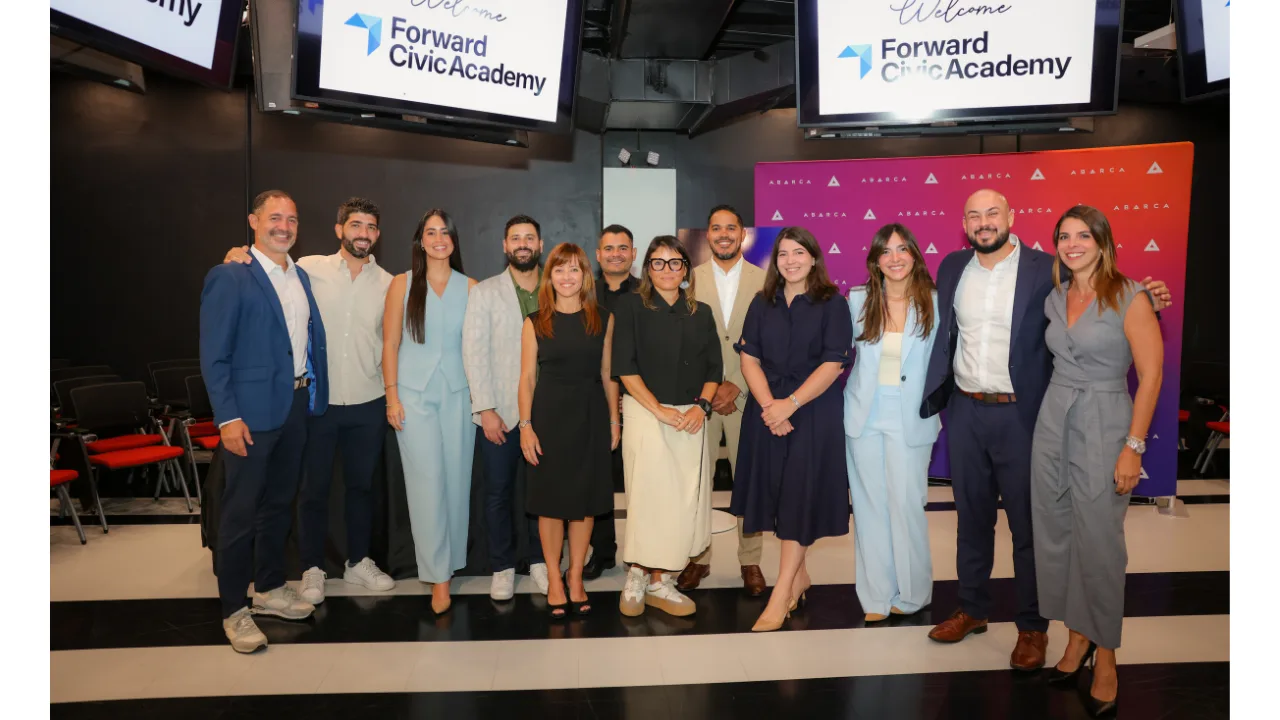
What's happening? 11 participants graduated this Wednesday from the first class of the Forward Civic Academy (FCA), an educational program that aims to prepare the next generation of leaders and public servants in Puerto Rico. Beyond a shared interest in government and public policy, what united the recent graduates was the conviction that the country's progress depends on dialogue and collaboration, even among people who think differently.
"It's an initiative to increase civic participation in political issues, to demystify what public service is, and to prepare people who will one day serve Puerto Rico in elected positions or in some agency, some municipality, in any capacity," said Karla Fraguada, the program's director.
Zoom in. The first class launched in March and brought together participants from the public and private sectors to cover 13 courses on topics such as budgeting, ethics, leadership, public administration and the island's political history.
The courses were taught by experts in public policy, communications and political campaigns, including Eduardo Bhatia and Juan Carlos Blanco, as well as former agency heads, communicators and entrepreneurs.
Sitting at the same table, even when you think differently
One thing the Academy participants agreed on in interviews with Platea was the importance of keeping lines of dialogue open to advance the search for solutions to the challenges the island faces.
"The greatest opportunity for Puerto Rico right now is dialogue, finding spaces for convergence, spaces and points where people can work in the same direction instead of focusing on what divides us," said Olvin Valentín Rivera, a lawyer, businessman and political analyst.
Ángel Morales, executive director of the Federación de Alcaldes, agreed that there is room for "all of us to sit at the same table and understand that we want a better Puerto Rico," even when viewed from different perspectives.
For his part, Humberto Mercader, a business consultant who spent four years in public service, summed up the Academy's core: "(It's about) how we can work together without the differences we have in party, in ideology, becoming a barrier to achieving results in government, but also outside of government, in society at large, in the private sector."
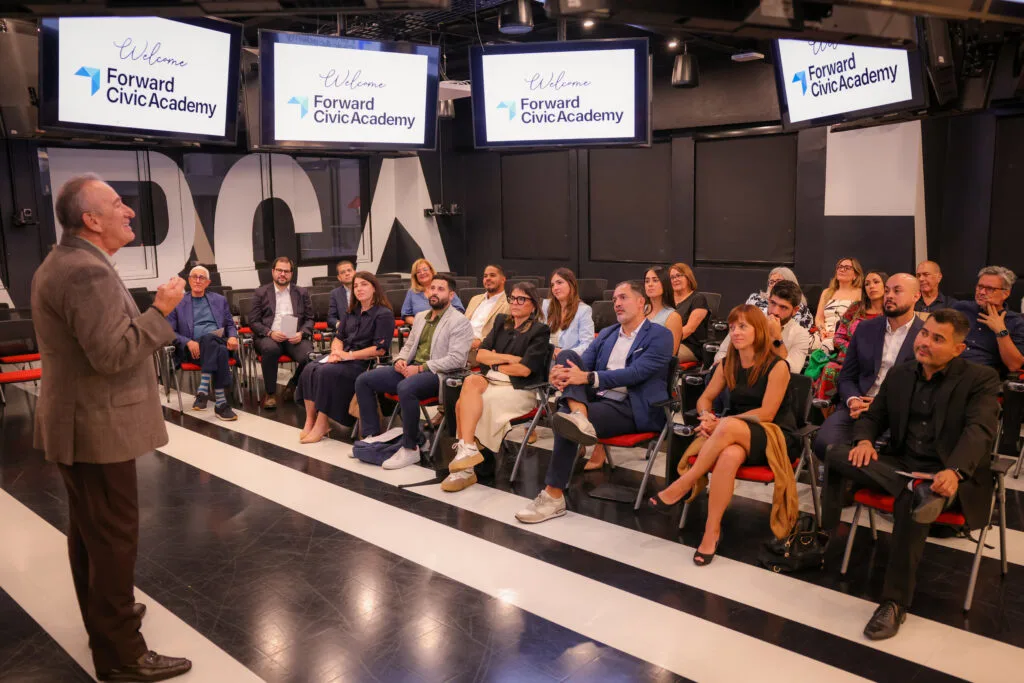
The participants
The cohort brought together 11 participants with experience in the executive branch of government, planning and infrastructure, municipal administration, private enterprise, law and the creative sectors.
Ángel Morales, executive director of the Federación de Alcaldes
Angiemille Latorre, co-founder of Seriously Creative
Blanca P. Fernández González, housing and finance expert, works within the Forward ecosystem
Ema Marrero Negrón, public policy and innovation strategist
Fausto Hernández Quiñones, Infrastructure manager at the Junta de Supervisión Fiscal
Humberto Mercader, business development consultant and economic analyst
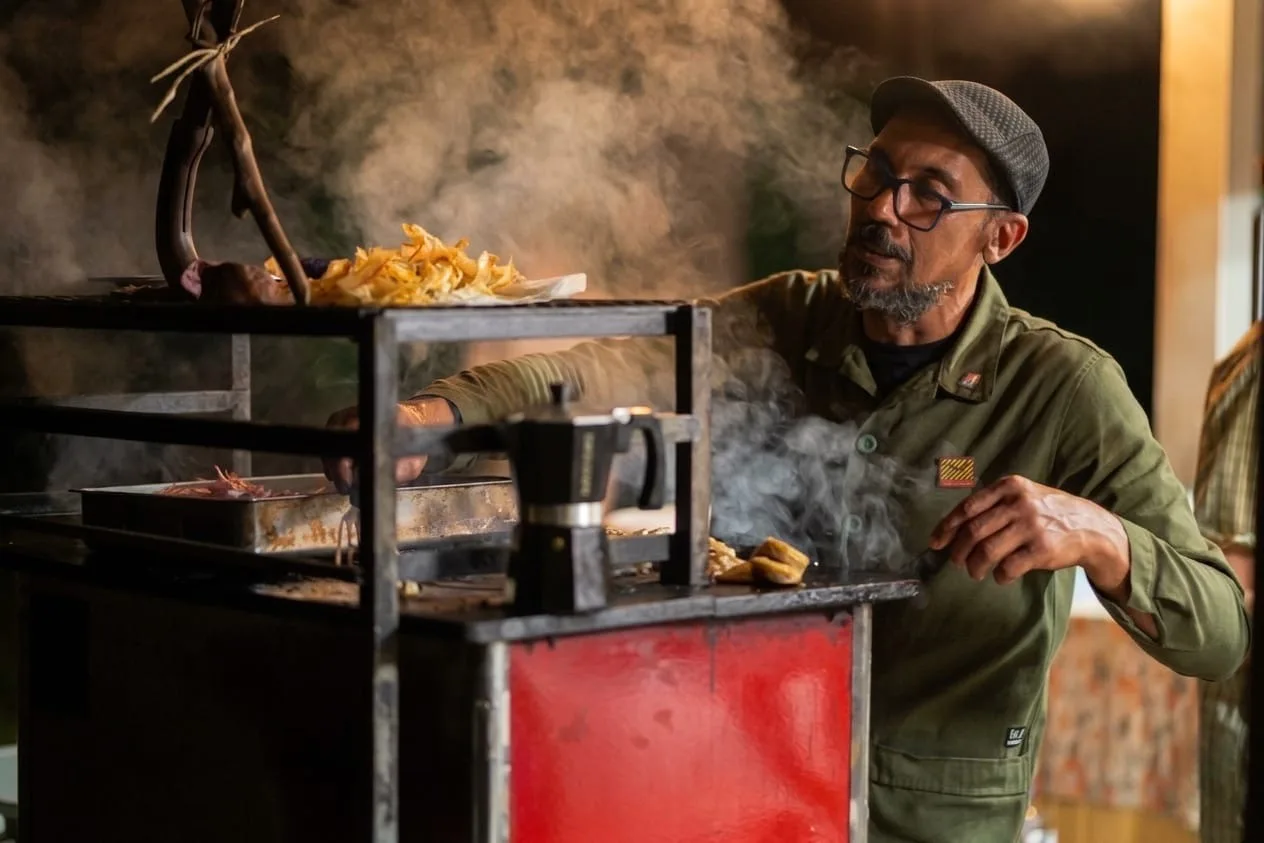
Mateo Cidre, founder and president of Sobao by Cidrines, La Bodeguita and La Bodeguita Bar
Kathianie Banchs Caraballo, legal adviser at the Compañía de Fomento Industrial de Puerto Rico
Orlando Delgado, director of the Oficina de Ordenación Territorial of the autonomous municipality of Ponce
Olvin Valentín Rivera, lawyer, businessman and political analyst
Paula Fournier del Valle, Senior Field Representative at the District Office of Resident Commissioner Pablo José Hernández
Beyond technical knowledge, the participants completed the program with a renewed outlook and a desire to contribute to Puerto Rico's development.
Angiemille Latorre, co-founder of Seriously Creative, described what she learned as a shift in perspective about each person's capacity to contribute. "That curiosity and that sense of responsibility and desire to serve is in all of us, and we realize how we all have agency, with the right tools, how we inspire one another, how we could truly be part of the transformation of the country," she said.
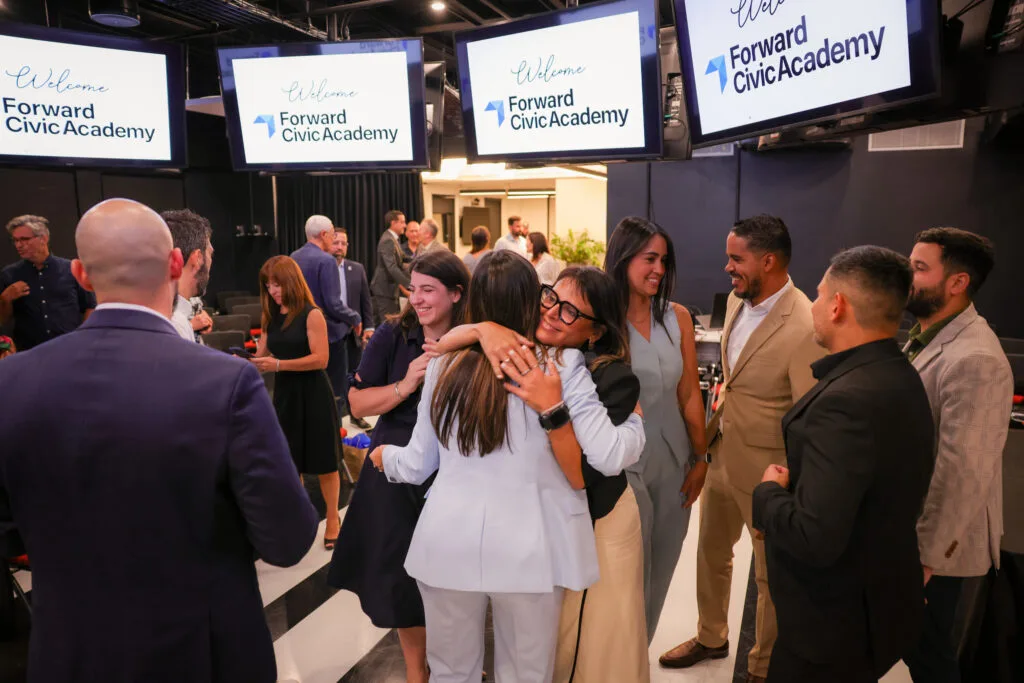
A second class for September
Applications for the second cohort are already open. The next class begins in September 2026.
Requirements. The program is looking for candidates over 25, bilingual, with a leadership background and an openness to multipartisan dialogue. No political affiliation is required, but a commitment to democratic values is. A college degree is preferred but not required. One key requirement is not having been elected to public office yet.
The goal is for the group to grow over time, with each cohort adding public servants who are better prepared in budgeting, ethics, leadership and public administration.
"The better we prepare our public officials, the better government should run, the better services should be, the better the future of Puerto Rico should be," Fraguada concluded.
This content was translated with the assistance of Artificial Intelligence (AI).