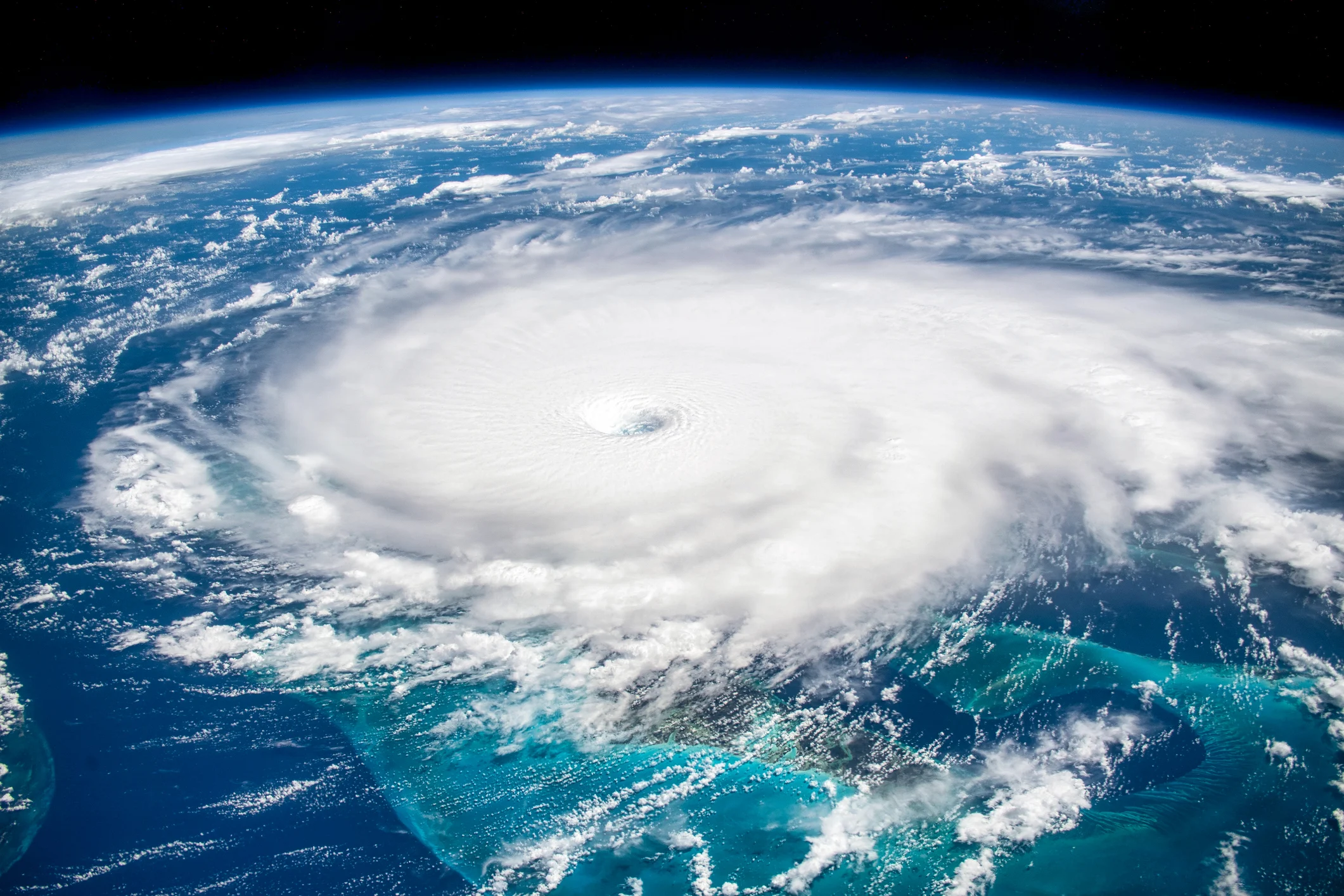
Fiona, María and Irma are hurricane names we quickly associate with difficult memories because of what we lived through and experienced.
At the start of hurricane season, which runs from June 1 to Nov. 30, the A-to-Z names that will be assigned to atmospheric phenomena if they become cyclonic storms are typically announced.
Storm names in 2026
Arthur
Bertha
Cristobal
Dolly
Edouard
Fay
Gonzalo
Hanna
Isaias
Josephine
Kyle
Leah
Marco
Nana
Omar
Paulette
Rene
Sally
Teddy
Vicky
Wilfred
This is the history of hurricane names according to the National Oceanic and Atmospheric Administration (NOAA).
How are hurricane names chosen?
Before the 20th century, hurricanes were named for characteristics of the places where they made landfall, religious figures, or the names of those who discovered them.
That changed significantly in 1953. NOAA introduced a more formal naming system to improve storm communications, reduce confusion, and began using female names.
In 1978, just a quarter century later, male and female names began to be used interchangeably, in the interest of making the process more inclusive and equitable.
The main reason for choosing common names like Otis, María, Irma or Harvey is that they are easy to remember and prevent confusion, especially when more than one storm is active at the same time.
After the naming systems were formalized, predetermined lists were established with names covering nearly the entire alphabet, excluding letters such as Q, U, X, Y and Z, which are more complicated and can cause confusion.
The lists are renewed every six years, and one notable feature is that a number of storm names have already been retired and will not be used again.
This is tied to instances of tragedy. In short, whenever a hurricane causes loss of human life, its name is removed from the list and replaced with another name beginning with the same letter, out of respect for the victims and to avoid causing further pain.
Who names hurricanes?
Today, it is the World Meteorological Organization (WMO) that chooses hurricane names through a series of predefined lists.
These vary depending on the region prone to hurricanes. The Atlantic and Eastern Pacific, for example, have separate lists, while the Western Pacific and Indian Ocean have their own naming systems.
These lists are updated and rotated every six years, ensuring that each name repeats only after a full six-year cycle. In addition, if a storm or hurricane caused deaths, the name is not used again.
This content was translated with the assistance of Artificial Intelligence (AI).