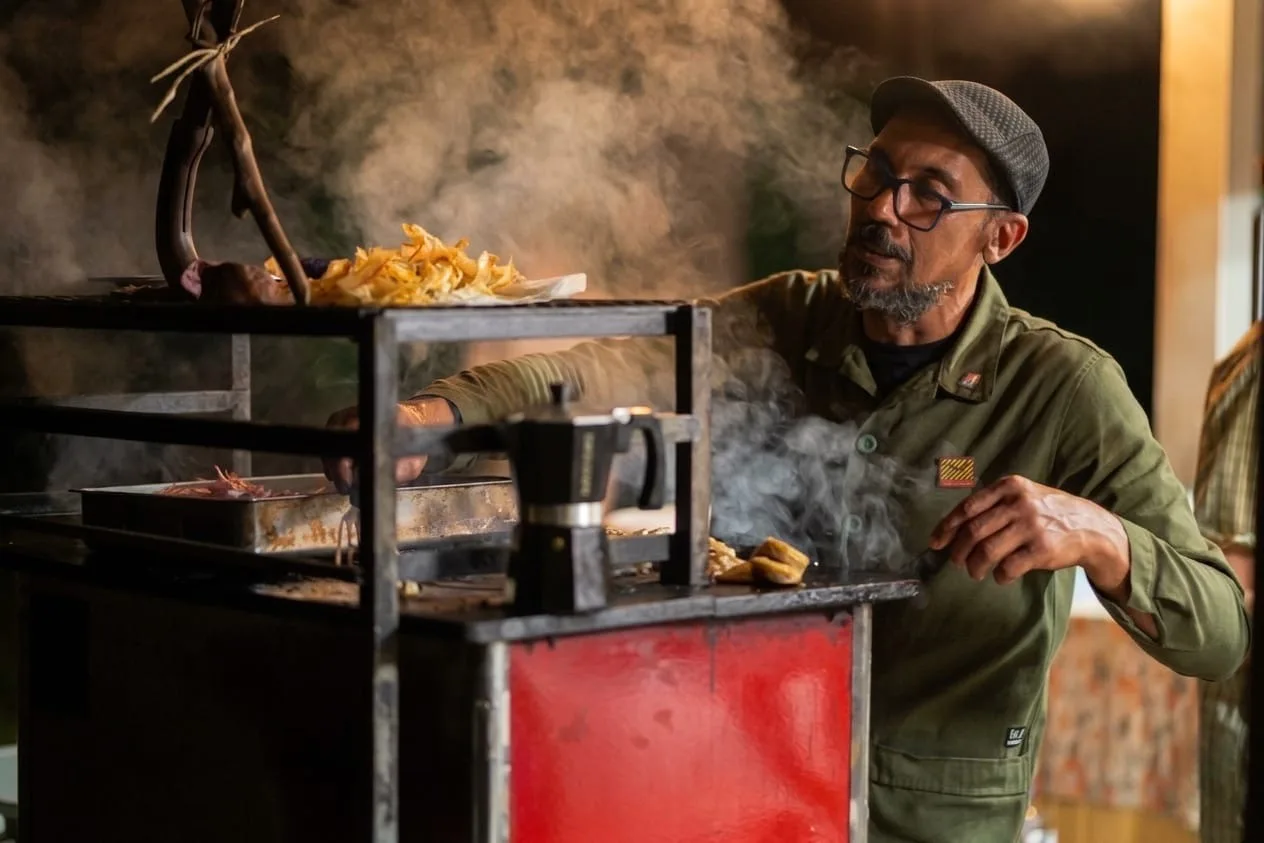
When Cedric Taquin opened his restaurant MenTa, he had a menu printed with mahi-mahi, red snapper and grouper, because those were available the day he bought them. A few weeks later he called his fisherman and there was no red snapper. Shortly after, there was no mahi-mahi either.
"I said: I have a menu, I have to fill that menu, where's the product?" Taquin recalled.
The chef, who is also a fisherman, knew the problem wasn't a lack of fish, just that what was available wasn't necessarily what he had put on the menu by name. "I have no red snapper, no mahi-mahi, no grouper for my menu, but in my truck I have sierra, I have two blackfin tuna and I have a sama. And I said, well, let's see," he recalled during the panel OÍDO: Antes del Plato - Parte II: Del Mar a la Mesa, hosted by the Academia Puertorriqueña de Gastronomía (Apuga).
He filleted the fish, worked with them and offered them to his diners. "They would tell me: ah, but sierra, that's for steaks, that's for escabeche. And no, I have a sierra fillet," he said.
From that experience grew a process of educating diners that the chef has kept up for nearly two decades at his restaurant, now located at Hotel Punta Maracayo in Hatillo. "I had to talk about seasonality, about process."
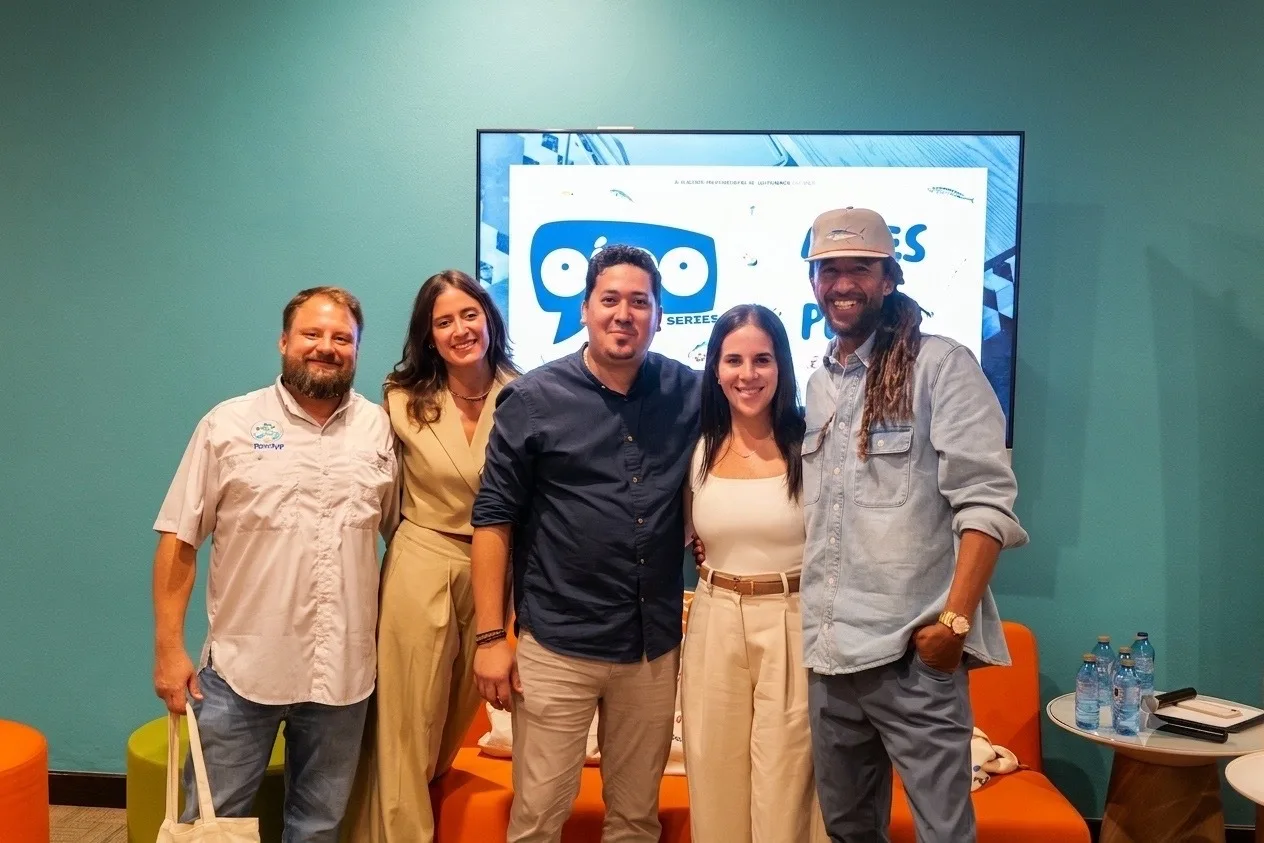
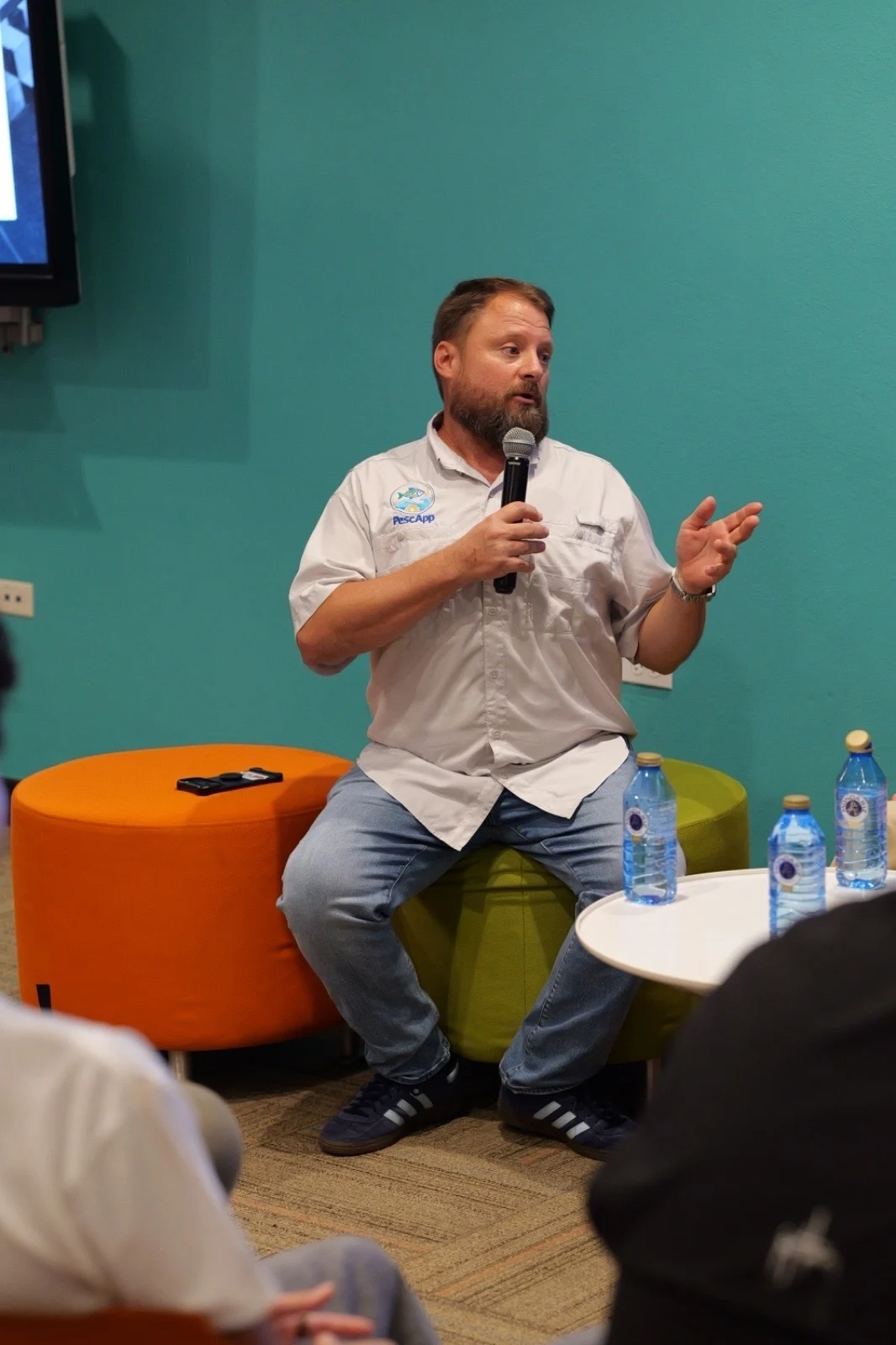
His account captures much of the picture described by fishermen, distributors and chefs at the Apuga gathering held at Restaurante Tía, in Guaynabo. Local fishing offers variety, knowledge and room to innovate, but it demands flexibility and education from producers at various points in the food chain, as well as from consumers.
Experiences that adjust to what the sea provides
Anthony Elizo, a commercial fisherman and member of the advisory panel of the Caribbean Fishery Management Council, argued that although Puerto Rico has many species, that does not translate into an unlimited capacity to meet demand.
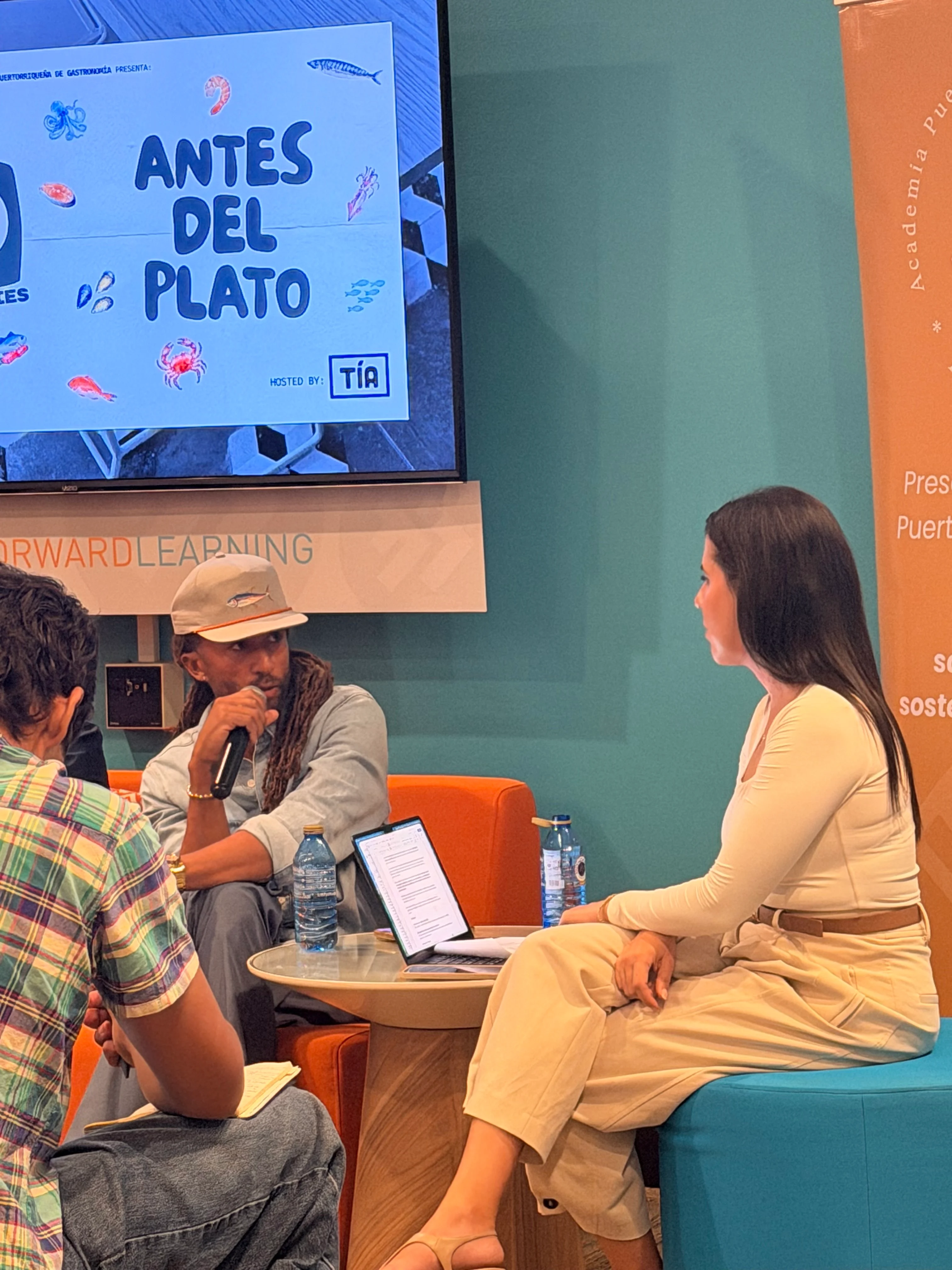
"You have to offer an available menu, an available species, and make it known", Elizo said. That availability shifts with seasons, sea conditions, fishing closures and even everyday circumstances that determine whether a fisherman can go out.
Alexandra Soto, founder of CRUDO Seafood, works precisely at that point of connection between fishermen and the restaurant industry. Her company works to bring local catch to restaurants while educating both chefs and consumers.
From the distribution side, she explained, supplying local fish requires letting go of the expectation that product will always arrive on the same day and in the same volume.
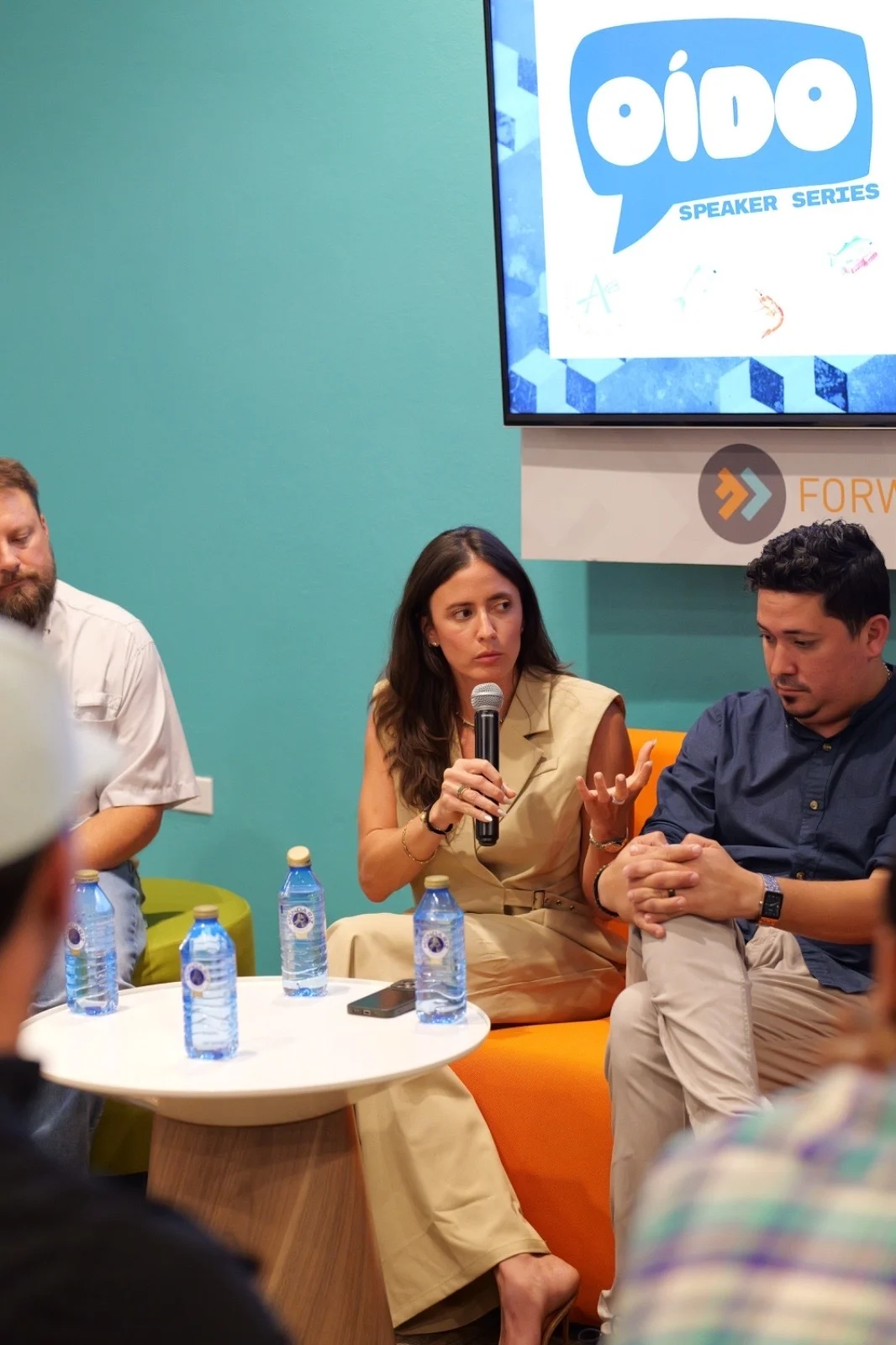
"I expect them to go out fishing on Monday, but then Monday they tell me 'my sleeve broke,' 'the sea is too rough' [...] They go out and catch nothing. And then, on the restaurant side, I don't have a magic wand to make something come out of the sea," Soto explained.
One week can bring a high volume and the next almost nothing. For Soto, that makes it necessary to work with transparency, adjust purchasing and preparation processes, and maintain constant communication among the fisherman, the distributor and the kitchen.
Knowing the product
Joedrick Rivera, chef at Bakku in Rincón and semifinalist for the James Beard Awards 2026, recalled an experience similar to Taquin's.
Coming from a family of fishermen in Mayagüez, he explained that he ended up redesigning his menu around the characteristics of the fish, rather than depending on a single species.
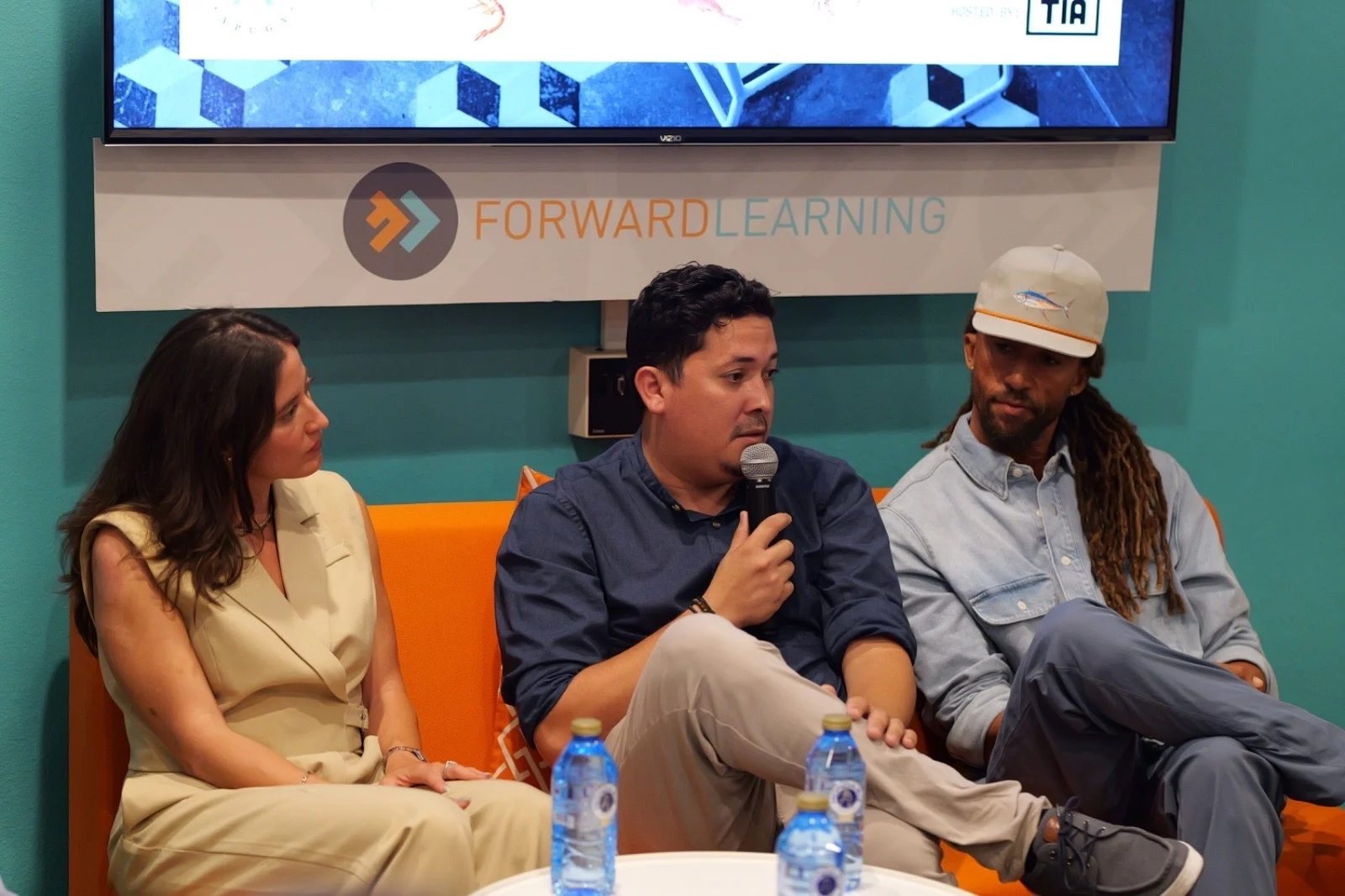
"I practically changed the menu. What I do now is look for the anatomy of the fish, look for its flavors, its textures," explained the chef, who works raw fish with Japanese technique and local product. That way, a dish can take róbalo, sierra, medregal, cartucho or whatever catch has the characteristics needed to work in the preparation.
The result is a cooking model in which the dish adapts to the available product, and not necessarily the other way around.
Fishing bans can also create opportunities
Adapting to what is available becomes especially important when a fishing ban begins. These are periods when certain species reproduce in specific areas, and catching them is prohibited during critical stages so that populations can continue to recover.
For chef Taquin, respecting fishing bans does not have to be seen only as a limitation.
"For me it would be boring to have it (the product) all year. The ban isn't a prohibition, it's a cool thing," he said, explaining that when a species is no longer available, the restaurant can turn its attention to other products, which translates into a more varied dining experience.
It also opens space for lesser-known fish and helps reduce dependence on a handful of species.
Lack of knowledge. During the panel, it was raised as a challenge that many people are unaware of fishing ban periods or cannot tell the difference between locally caught and imported fish.
Elizo pointed out that importing can be an alternative when done responsibly and allows high-demand species to rest. The panelists agreed, however, that transparency from restaurants about where their product comes from is key to continuing to educate consumers.
Expanding the possibilities
Education was central to the conversation because expanding the market for local fish depends, in part, on expanding the consumer's vocabulary as well.
If a diner only orders chillo, mero or dorado, the restaurant has less room to work with whatever variety comes in from the sea. If the diner understands what "catch of the day" means, knows new species and understands why a product is not on the menu, the offering can better reflect the real conditions of the catch.
Taquin says that kind of education has been part of his restaurant from the start.
"I have always cared a lot about educating my customers about local fish, and it has worked out very well for me. I think it's a really cool and really important niche," he said. He also tries to show the work behind each dish so that the customer understands that the fish does not begin its journey when it enters the kitchen.
Rivera, from Bakku, sees a similar opportunity among tourists who come to Puerto Rico interested in trying local product.
Es bien bonito tú poder tener ese conocimiento y compartirlo porque eso es lo que quieren. Esos turistas vienen a Puerto Rico a conocernos a nosotros, pero nosotros tenemos que tener la educación para eso.
How you can learn more about fishing
Start with simple steps:
Ask what species you are eating
Find out where it comes from, whether it is local or imported
Ask about other available fish options
Ask why a particular fish is not on the menu that week.
Learn about state and federal fishing ban periods
This content was translated with the assistance of Artificial Intelligence (AI).