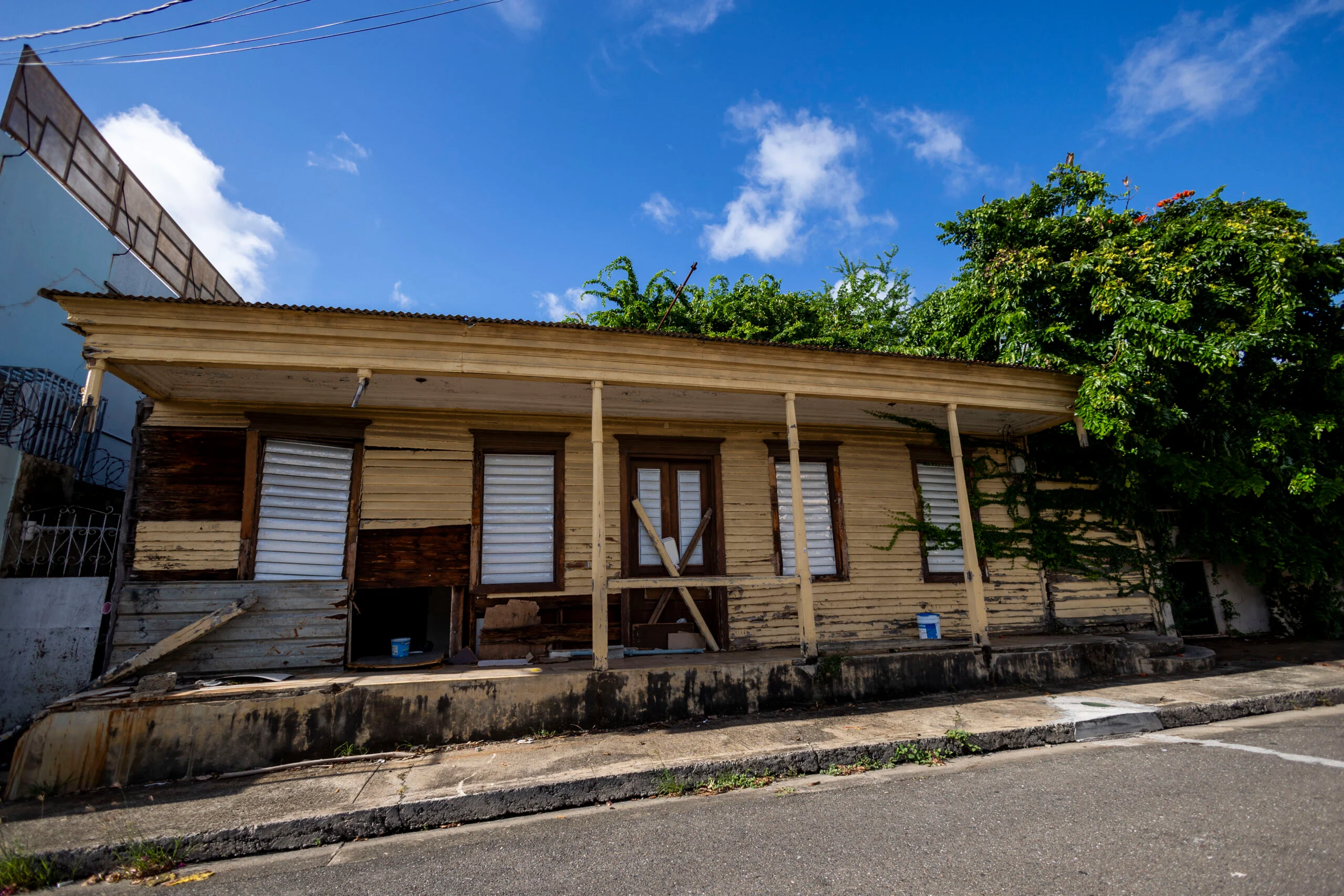
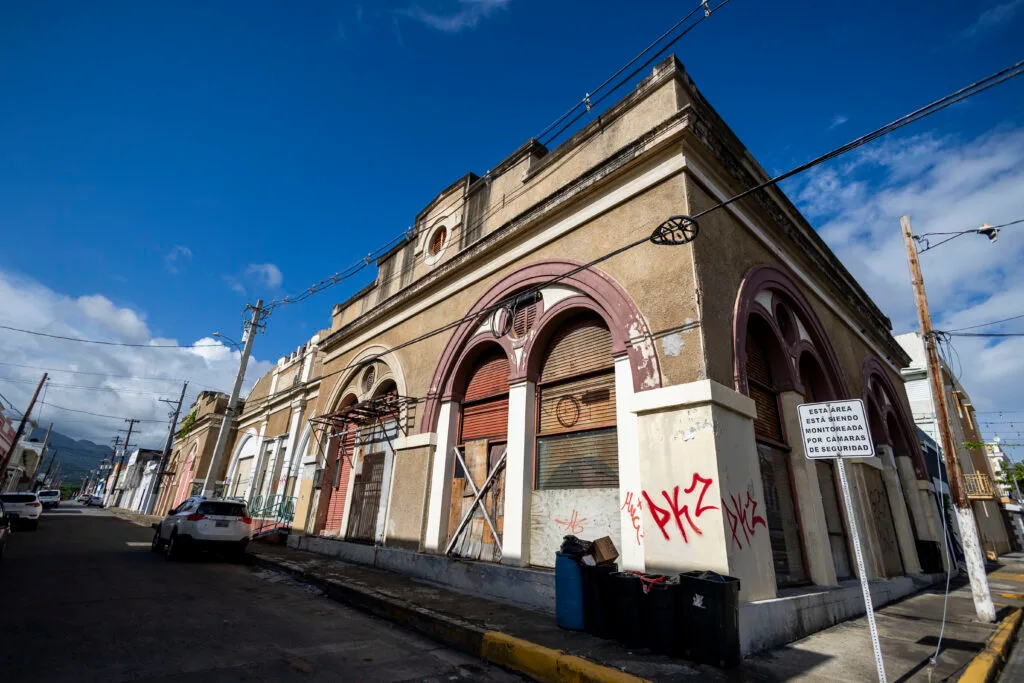
Many of our municipalities' urban centers hold the stories of their socioeconomic past in abandoned and deteriorating buildings. Residences that housed generations of families and commercial spaces that served the community for many years are today ghosts of memory.
The mayors of Villalba, Luis Javier Hernández, and of Bayamón, Ramón Luis Rivera Jr., agree that the new amendments to the Incentives Code could help breathe new life into those built skeletons by repopulating historic downtowns across the Island.
"All legislation aimed at helping revitalize historic downtowns are initiatives that should be welcomed," said Rivera, who described the challenge of restoring an urban center as "a titanic effort."
The Proyecto de la Cámara 2172, signed by Gov. Pedro Pierluisi on Aug. 28, seeks to "establish a new incentive that promotes the development of housing in the historic downtowns of municipalities."
The incentive would encourage the revitalization of central areas through tax credits for investors who want to participate in the reconstruction of properties in town centers.
Interested developers will have the opportunity to rehabilitate abandoned or deteriorating buildings and give them new life, "as long as the development is for the construction of reasonably priced housing," said Rep. Jesús Santa Rodríguez, the bill's author, in an interview with Platea.
Is affordable housing in historic downtowns feasible?
Both mayors agree that the new legislation has similarities to Ley 212 of 2022, which aimed to promote the development of alarmingly deteriorated historic downtowns.
Under that measure, the mayor of Bayamón began efforts to rescue buildings "because we understood it was a project that, environmentally speaking, was friendly in taking areas that were already impacted and revitalizing them" to create low-cost residential spaces, according to Rivera.
Hernández, who also serves as president of the Asociación de Alcaldes de Puerto Rico, said that, as with Ley 212, every good practice should be put in place for the benefit of the municipality and its central spaces, to improve "its infrastructure, its plazas, its entrances, and at the same time, private business owners were encouraged to invest."
With the help of the new incentives, the effort aims to address the need and demand for affordable housing, a constant concern for young professionals who have the purchasing power to buy a home or rent a residence. "They have the credit approved, but the market is extremely inaccessible," Hernández said.
Likewise, "most older people look for housing near historic downtowns because of mobility issues, access to medical offices and possibly a diagnostic and treatment center, and municipal and state service offices," added the mayor of Villalba.
For Hernández, incentivizing the private sector to invest in building restoration will help move people who live on the outskirts of towns to more central areas and stimulate other sectors of the local economy.
"There is a boom in the food scene that wants to establish itself in historic downtowns, and these incentives will help this sector make its investment without any problem," the municipal legislator said.
Other economic areas mentioned include professionals looking to set up offices, medical centers, and small and midsize businesses.
This content was translated with the assistance of Artificial Intelligence (AI).