House Bill 2172 requires that housing units be used for rental or purchase, and rentals must be for a minimum of six months.
—————————————
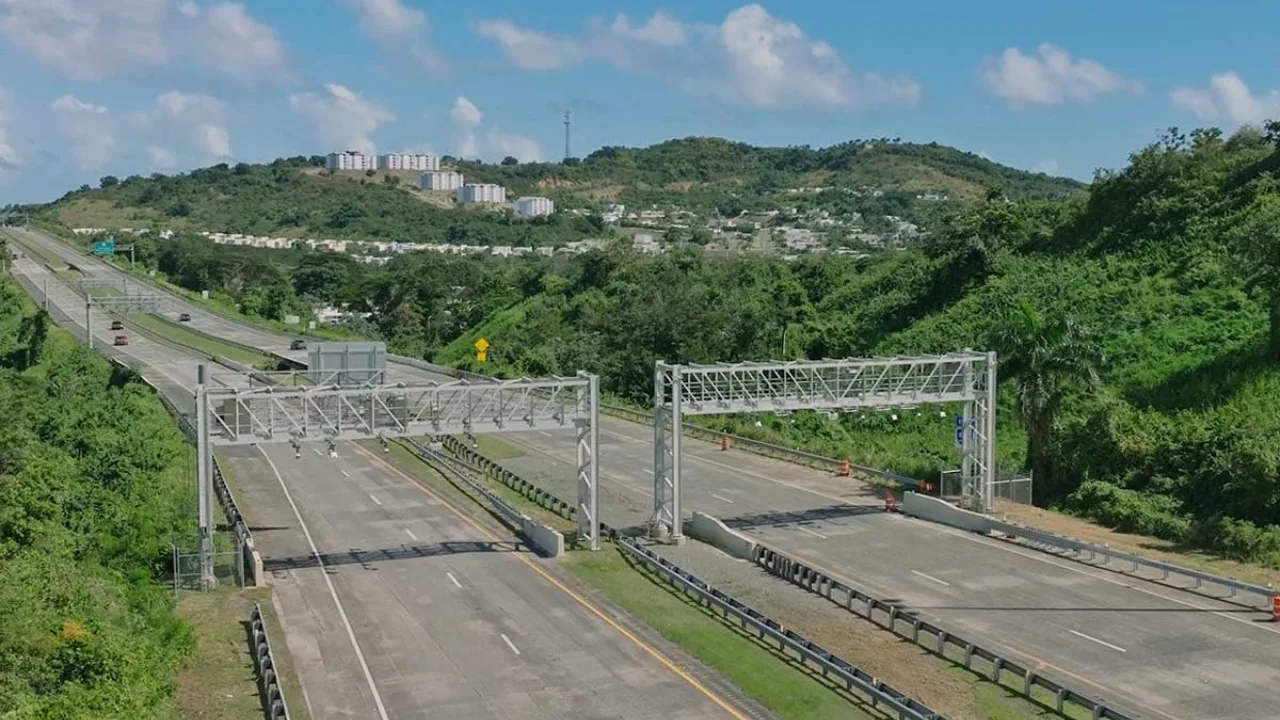
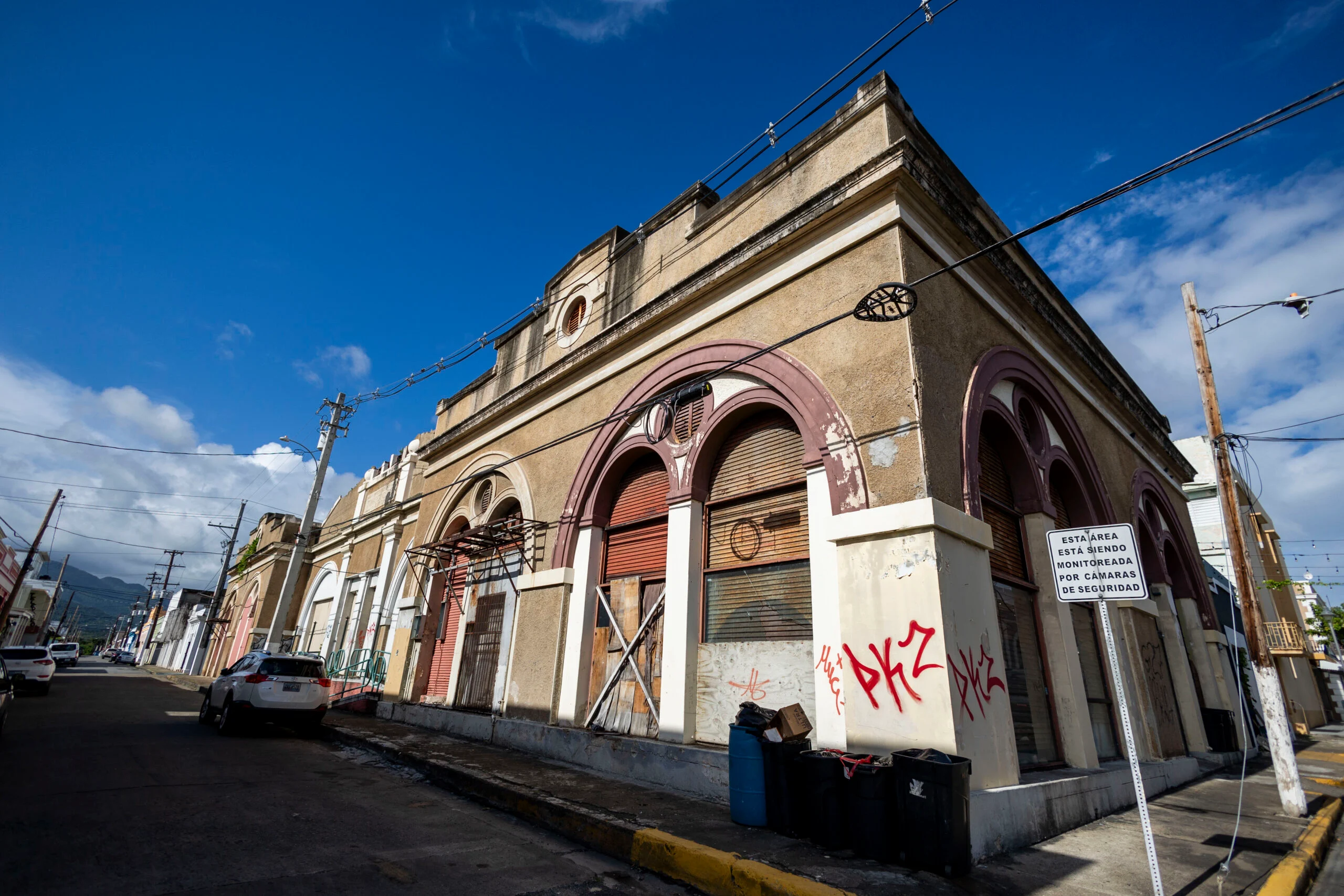
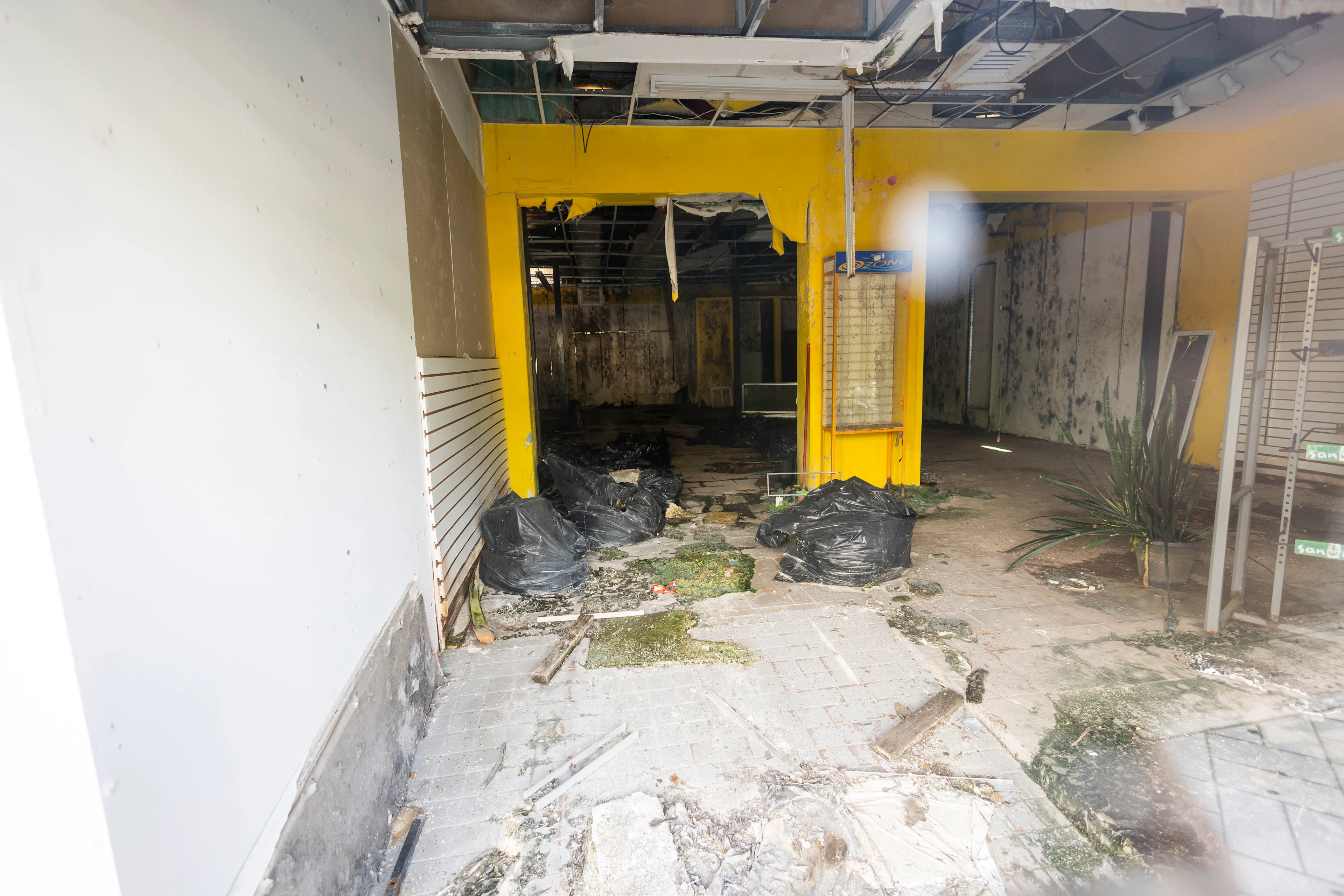
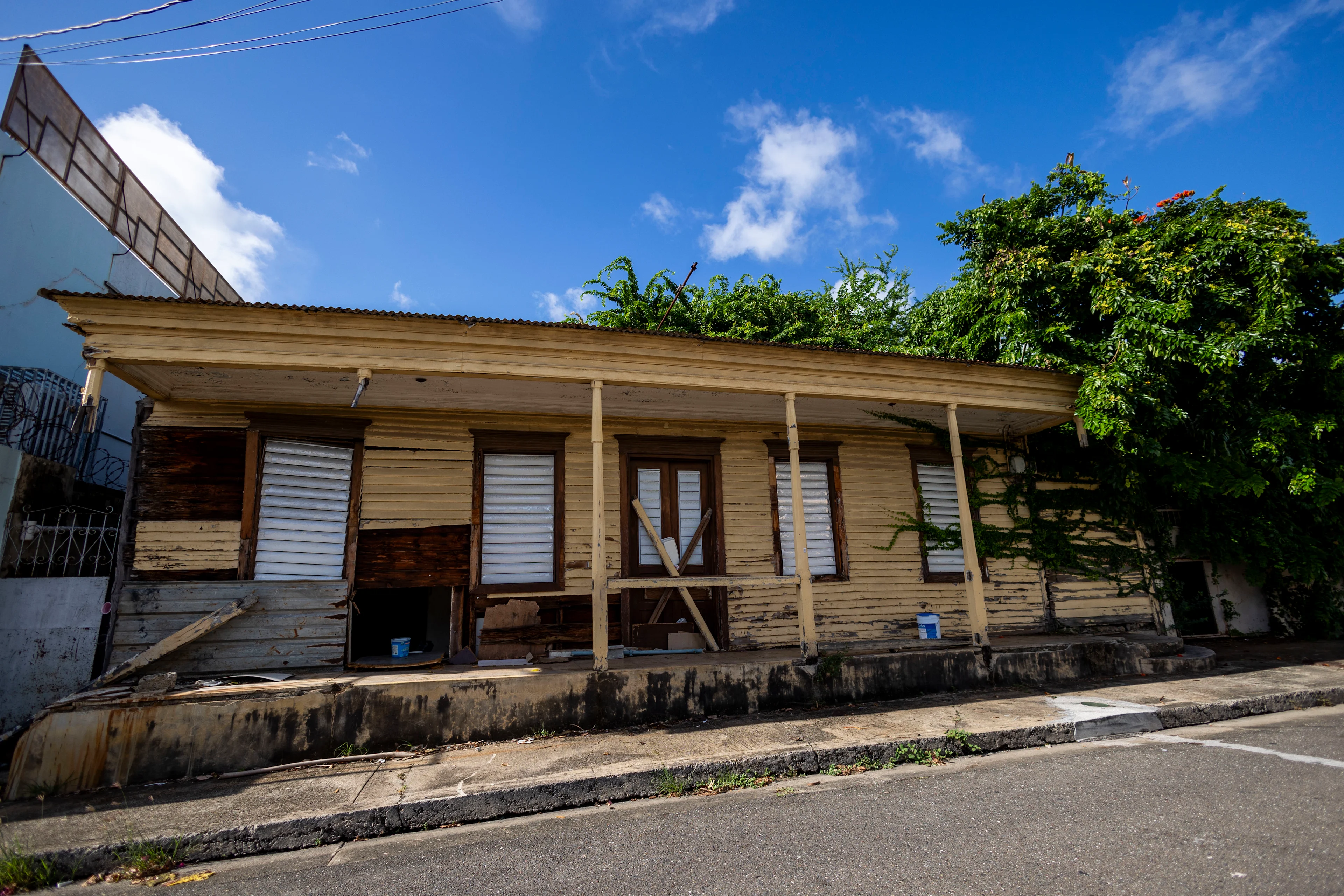
Abandoned structures, neglected lots and vacant buildings have become a recurring sight in nearly every urban center in Puerto Rico, while more and more communities point to the lack of affordable housing for Island residents amid the spread of short-term rentals.
To address this reality, House Bill 2172, which Gov. Pedro Pierluisi signed on Aug. 28, proposes amending the Incentives Code to encourage housing development in municipal urban areas through several tax incentives aimed at investors.
"What the bill seeks is for developers to want to work with abandoned buildings in urban centers, as long as the development is for the construction of reasonably priced housing," Rep. Jesús Santa Rodríguez, the bill's author, told Platea.
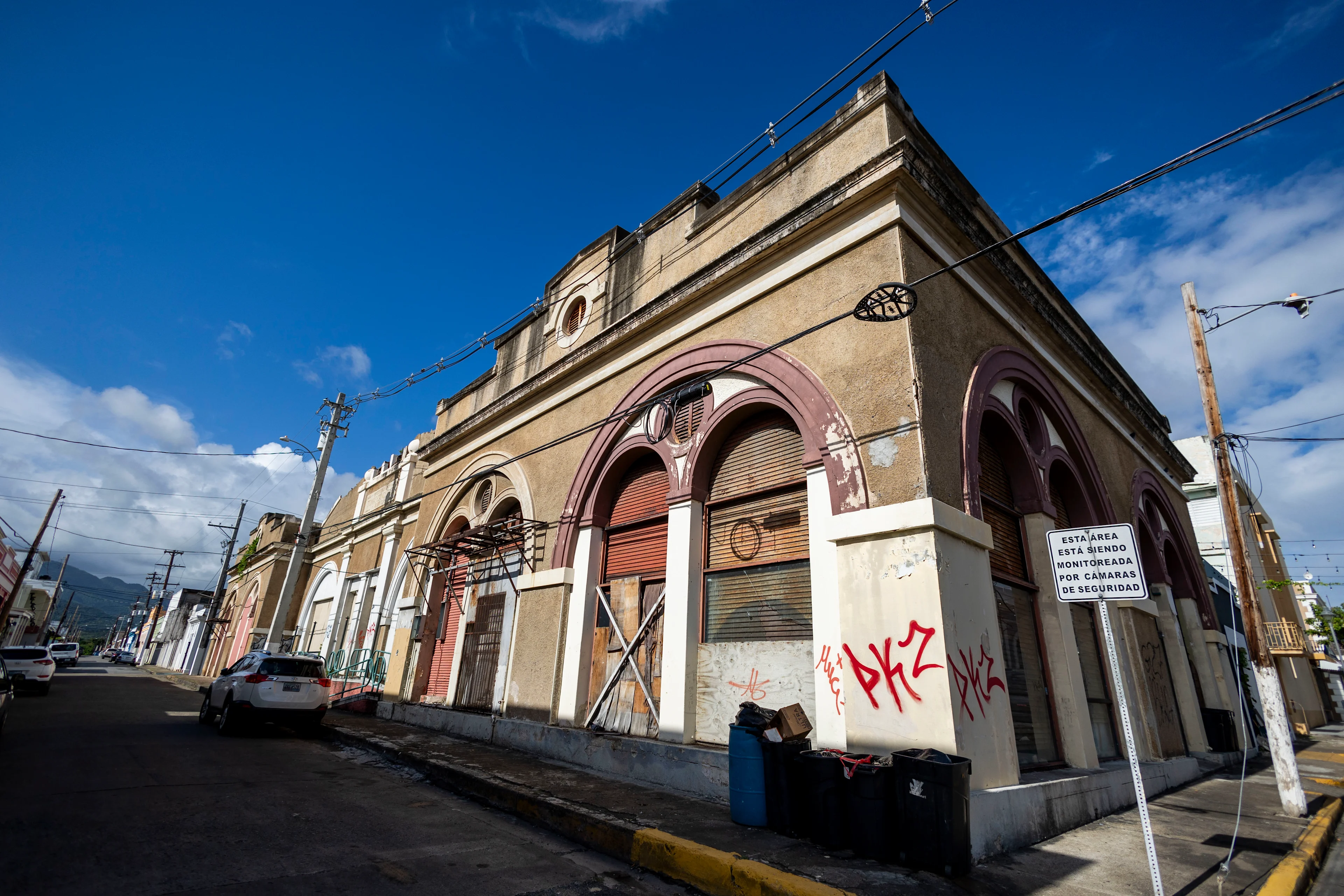
"The purpose is to reactivate urban centers, make use of structures that already exist by renovating them, but instead of turning them into commercial spaces or other uses, turning them into housing, because we understand there is a housing need," the Popular Democratic Party legislator added.
What the bill says
The measure, as the legislative text reads, offers a series of incentives to encourage developers to convert vacant buildings into residential complexes, among them:
A preferential flat rate of 4% on Income Tax for income derived from the sale or lease of the project.
50% exemptions on municipal licenses, and
75% exemptions on municipal and state contributions on personal and real property.
In addition, the bill provides that developers may benefit from a 40% tax credit on investment in residential properties in urban centers, with the option to carry unused credits forward to future years. "Any credit for Eligible Urban Center Investment not used in a tax year may be carried over to subsequent tax years until exhausted, subject to the provisions of subsection (h) of Section 1051.16 of the Puerto Rico Internal Revenue Code, if applicable," the bill reads.
Construction of the projects, as stipulated, must have begun on or after July 1, 2024, and applications must be submitted to the Department of Economic Development and Commerce (DDEC) before Dec. 31, 2025.
Economist Heidie Calero analyzed the measure and, while acknowledging that revitalizing historic downtowns is urgent, warned that its implementation could work against municipal economies if not carried out within a regulated framework.
"They are offering tax incentives that will reduce revenue for municipalities, many of which already face serious budget difficulties," Calero told this outlet.
Carlos Fontán, director of the Incentives Office at the Department of Economic Development, responded to that concern.
"The reality is that the opportunity here is that it has no fiscal impact in the sense that these are unused, abandoned properties that are not being utilized, and on the contrary, we want people to be able to invest in them and at the same time we are promoting the creation of new housing for the population here," he said.
To qualify for these incentives, the legislation stipulates that projects must meet certain requirements:
must have a cost exceeding $1 million (not including property acquisition),
the property must be in a state of abandonment, and
the project must enable at least seven residential units for sale or lease.
Lease agreements must have a minimum duration of six months, to prevent short-term rentals.
Concerns and opportunities
Rep. Denis Márquez, who voted against the bill in the House, has concerns about the proposal's language regarding who it would benefit.
"The element that the construction work must exceed one million dollars, and allowing any sector, including (investors) under Law 22, brings a series of concerns, because the proposal could end up becoming a mechanism for speculation and for pushing out the sectors of society that live in those communities, who would then be displaced," argued the legislator from the Partido Independentista Puertorriqueño.
Márquez also questioned whether the measure, although it received amendments in conference committee, is specific enough in its definition of "affordable housing" or the concept of "abandoned buildings."
"We remain concerned about the privatization mechanism and the contracting of private companies by municipalities to deal with public nuisances," Márquez added.
Despite the objections raised in the Legislature and the uncertainty over whether the Junta de Control Fiscal will ultimately approve the bill, Santa believes the balance is positive.
"These are construction projects that have nothing to do with federal funds, they involve the private sector and address a housing problem and the problem of inactivity in urban centers. So I think when you add all that up, this type of project should be a positive one," Santa insisted.
Construction industry leaders also echoed the need to drive the creation of housing units for the general population while lowering the costs that this type of project carries for developers on the Island.
"One of the challenges is the issue of costs. Here in Puerto Rico we have inflicted very high costs on ourselves. Between 25 and 30% of the final sale price of new property in Puerto Rico is directly attributable to government taxes," said Agustín Rojo, incoming president of the Asociación de Constructores de Puerto Rico and partner at family firm VRM Companies.
"Our concern with all these projects is that they sound good, but they don't appear to be integrated with land-use plans, municipal government finances, or assessments of each historic downtown where this incentive would be sought. (...) The initiative may be good, but the implementation could be flawed," said attorney Heidie Calero.
Rojo also argued that the idea of revitalizing vacant buildings not only responds to "a concern of many mayors" about injecting activity into their urban centers, but would also be more attractive to developers who typically find it more convenient to build than to renovate, given how costly it is to rehabilitate a structure to meet the codes and standards required by law.
"Beyond simply building projects in new areas, let's promote these abandoned properties that right now are not paying CRIM, and are definitely not paying business licenses, and are not paying construction excise taxes (...) so while you are giving a reduction, you are giving it to encourage economic activity," Rojo said in response to questions about the effect the tax incentive could have on municipal coffers.
This content was translated with the assistance of Artificial Intelligence (AI).