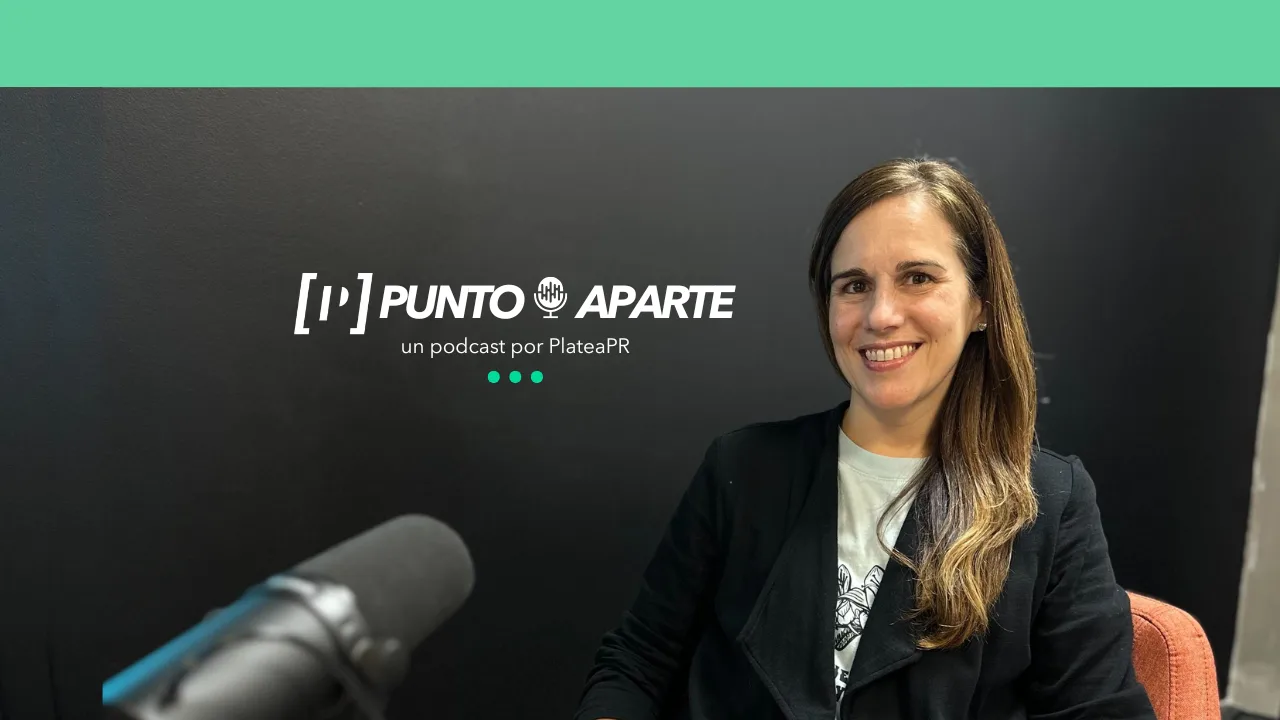
Cristina Villalón, co-founder of Valora Ventures, discusses the challenges and strategies for achieving sustainable urban development on Punto Aparte. Sustainable urban development is one of the goals of the real estate development firm.
Linking sustainability with economic development may sound unusual, but that is the bet Valora Ventures is making: generating social and economic impact through sustainable urban development.
To that end, the new real estate development firm, as it describes itself on its website, signed the Compromiso 2030 of the American Institute of Architects (AIA), whose goal is to design only projects that produce zero carbon emissions by 2030.
Co-founder Cristina Villalón Brito discussed this commitment and the firm's sustainable development strategies on a recent episode of the podcast Punto Aparte.
Villalón created Valora to combine her two decades of development experience, as co-founder of the well-known architecture and design firm Álvarez-Díaz & Villalón, with that of Natalia Guzmán Pérez, former vice president of the Community Development division at Banco Popular.
Strategies for improving urban spaces
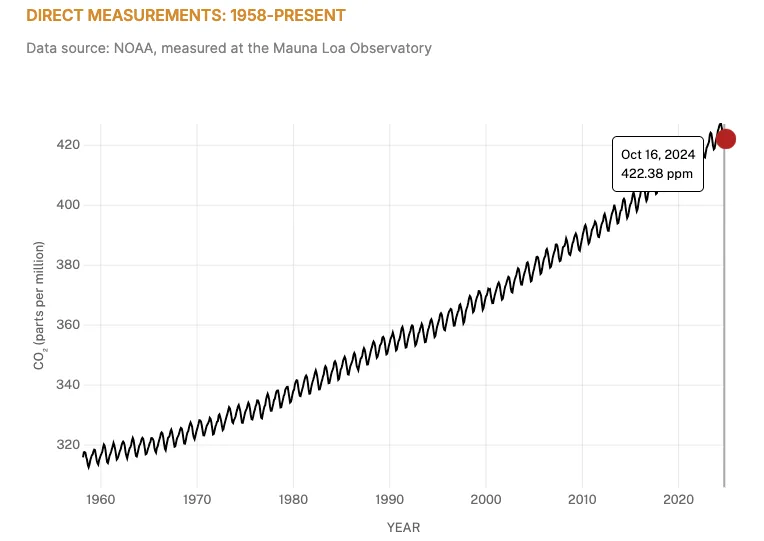
Every year, record heat figures on the Island are broken, as they are in other countries. Organizations such as NASA have warned that reducing carbon and greenhouse gas emissions is key to lowering global temperatures.
Among its goals, Valora Ventures seeks to revitalize historic downtowns and create affordable housing. To strengthen the social impact of these projects, Villalón and Guzmán are betting on passive design strategies: designs that use the natural environment to provide cooling, lighting and ventilation to a building.
The aim of these strategies is to reduce energy consumption and, in its place, prioritize efficient energy systems. Some of the strategies Villalón mentioned include:
Glazing: The strategic installation of glass panels and windows can make the most of natural light to illuminate spaces, reducing the need for bulbs and interior lighting.
Thermal insulation: Increasing a building's capacity to insulate air can reduce the energy an air-conditioning unit needs to cool a space. During hot seasons, the energy savings would be even more noticeable.
Carbon capture: Additives mixed into concrete to capture the carbon emitted during construction processes.
Biophilic design: Incorporating elements of nature into urban and interior spaces. Plants stand out for their ability to clean carbon dioxide from the air.
These strategies help lower the energy required to keep spaces comfortable and open the door to transitioning to clean energy sources, such as those that harness solar and wind energy.
Rethinking the city
Sustainable urban development seeks to enable less polluting lifestyles. From that starting point, Villalón raises the importance of "uniting the city" through walkable spaces.
"I think it is extremely important that whatever is created be walkable. This concept of walkable cities is hugely important," she said.
Walkable cities reduce time lost in traffic, which tends to be linked to less happy lifestyles. At the same time, fewer cars on the road means reduced carbon emissions.
But what does a city need in order to be walkable? According to Villalón, the following:
Connectivity: Having accessible public transit at key points. As an example, she mentioned the antiguo trolley de Santurce, which connected residents to the entire area conveniently and reduced traffic.
Planning: Prioritizing two-lane roads instead of one-way roads, to ease local traffic and direct connection with communities. Bike lanes help achieve this equally.
Maintenance: Keeping sidewalks clean, lit, level and clear provides the infrastructure people need to walk, exercise and move around safely.
Finally, she emphasized the importance of "simple solutions": planting trees, placing benches and making areas welcoming for pedestrians. As an example, she mentioned the potential of urban forests, known as "corredores verdes," which reduced the temperature by 2°C in the city of Medellín, making walks more attractive and enjoyable.
Places like Danehy Park Forest in Cambridge, Massachusetts have lowered the temperature by as much as ten degrees, thanks to urban forest initiatives. Urban reforestation can also be carried out through urban parks and rain gardens.
Challenges persist alongside hope
Among the challenges they face, the accessibility of alternative energy sources stands out.
"We need more and more energy, and so, clean energy sources, the technology still hasn't advanced enough to be able to replace overnight and bring fossil fuels to zero. […] What they have, and the reason they have survived all this time, is that they are affordable and easily accessible," the designer explained.
This, together with the energy demand of emerging technologies such as AI, underscores the need for more efficient systems. The lack of government incentives to develop projects with these components is another limitation.
Even so, Valora Ventures focuses on reusing existing infrastructure and identifying the resources needed to make it economically viable, reducing the environmental impact of construction.
Despite the constraints, Villalón wants to build a Puerto Rico where people can stay. For her, the Island has what it takes to drive these transformations.
"It's a place that has nothing but potential. And we have the important things: family, community, people are good. Family values come through. People want to help each other. I love that."
– Cristina Villalón, co-founder of Valora Ventures
🎙️ More from Punto Aparte on YouTube
This content was translated with the assistance of Artificial Intelligence (AI).