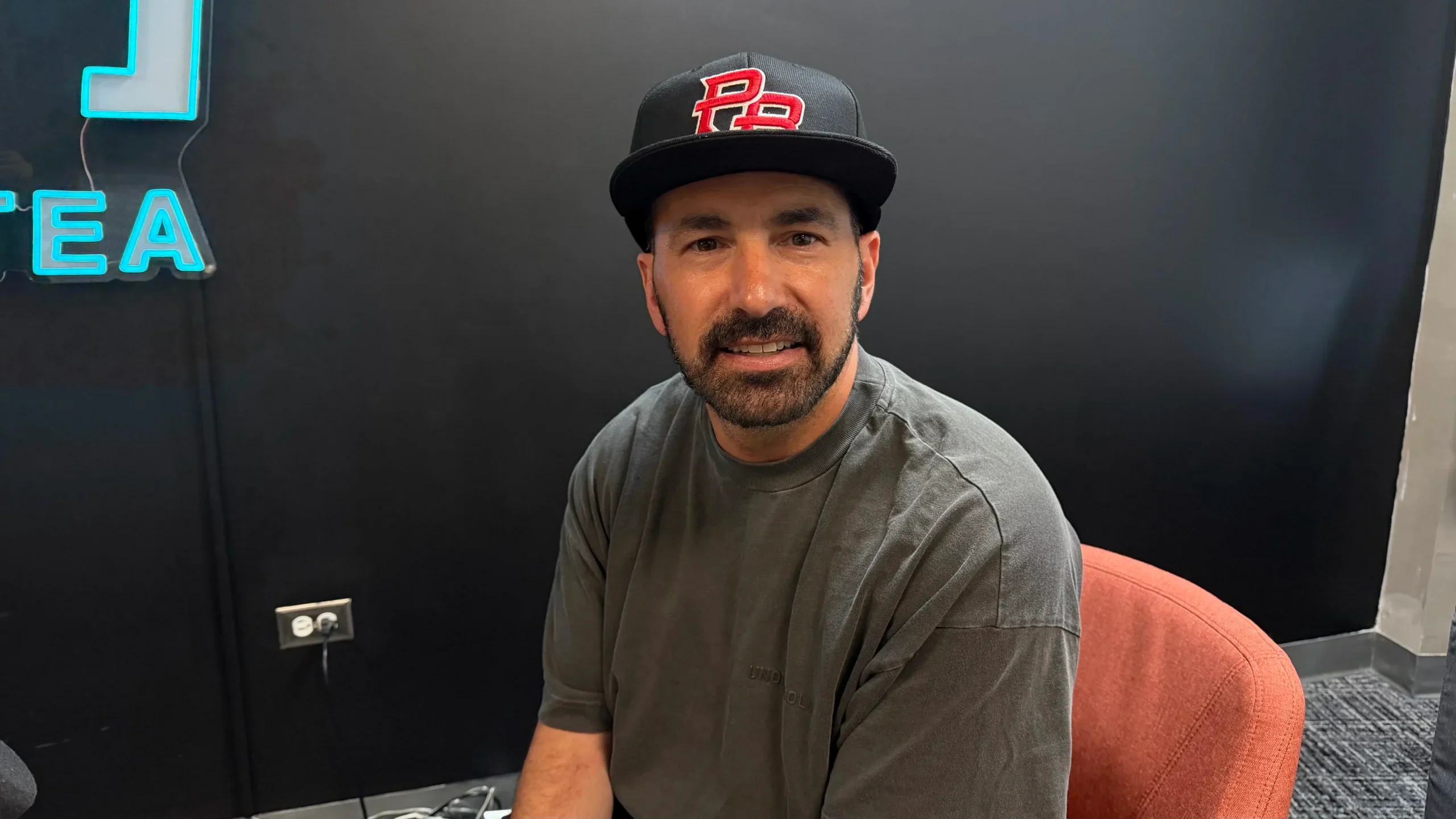
For more than 20 years, the life of Scott Budnick has moved between two worlds. On one side, as a film producer on movies like The Hangover, Old School, Due Date and War Dogs, comedies that grossed billions at the box office. On the other, far from Hollywood studios, he visits a prison every week. He started as a volunteer in a creative writing class at a juvenile facility in Los Angeles in 2004 and never stopped.
"I met Residente in a California prison", Budnick said on Punto Aparte, the Platea podcast. In 2017, American actor and rapper Common was preparing to perform a concert at a state prison, where 47% of the incarcerated are Latino. Someone on Budnick's team suggested a Latino artist was needed on stage, so they called Residente, who said yes right away. That day was the start of a friendship that continued over WhatsApp for years.
When Budnick began traveling to Puerto Rico, around 2022, he messaged Residente to let him know he was on the Island. Residente replied that he was working on a script about Puerto Rican history and asked for his opinion. The two met before a draft even existed.
"He really taught me a lot about Puerto Rican history," the producer says. "I started picking up books and reading a great deal." When he finally read the screenplay, written with Alexander Dinelaris, the Oscar winner for Birdman, he knew he wanted to be part of the project. "It was written not like by a writer, but by a director," he says. "I cried multiple times reading it. It was like a historical epic, but also a thriller at the same time."
"Porto Rico," a love letter to the Island
The film he is co-producing with Alejandro González Iñárritu, Porto Rico, is set in the late 19th century, when Spain was about to hand the Island over to the United States. The plot follows a group of young people living on the streets at that moment in Puerto Rican history. Residente directs the project, and Iñárritu, a four-time Oscar winner, serves as mentor.
Bad Bunny stars in the film. Viggo Mortensen, a three-time Oscar nominee, and Javier Bardem are already confirmed, and Edward Norton plays the American in the story. Filming has not yet begun, but the project has been in development for four years.
Budnick's expectations are high. "We want to make something entertaining that draws as many eyes as possible around the world, something people can relate to in any country", he says. "I think it will be nominated for an Oscar," he states with confidence.
He describes it as a love letter to Puerto Rico, one capable of making the world "understand the beauty, the struggle, the resilience, understand reggaeton and the music, what it means and where it comes from."
He speaks of Residente with devotion: "He eats, drinks and sleeps this film 24-7, 365 days. There is not a minute of the day when he is not moving pieces. He is my family."
Juvenile detention in Puerto Rico
As the film moves forward, Budnick has done in Puerto Rico exactly what he has done in California for two decades: walk into juvenile detention facilities. He visits the institution in Villalba three or four times a year and stays in constant contact with several young people who have already left the system.
For Budnick, overcoming indifference is the first step toward reforming the prison system: "Before we can even get resources for housing and jobs, the first thing is we need people and politicians to care," he says.
In California, he founded the Anti-Recidivism Coalition (ARC), an organization dedicated to criminal justice reform, and later 1Community, a film company that produces social-impact stories. With that structure he achieved something he considers replicable on the Island: making juvenile justice reform a nonpartisan issue.
"We've been able to make this issue bipartisan (in California). It's not for one political party or the other," she explains. "Through relationships and by bringing legislators and governors into the prison, we've been able to make them care."
What can be improved in the Island's juvenile corrections system?
The strategy she proposes for Puerto Rico has three parts:
The first is transitional housing for young people leaving the system, safe spaces with psychological support and mentorship.
The second is entry-level employment with professional guidance, from learning to write a résumé to navigating an interview.
The third is a network of consistent adults in each young person's life, someone who remains present beyond the sentence.
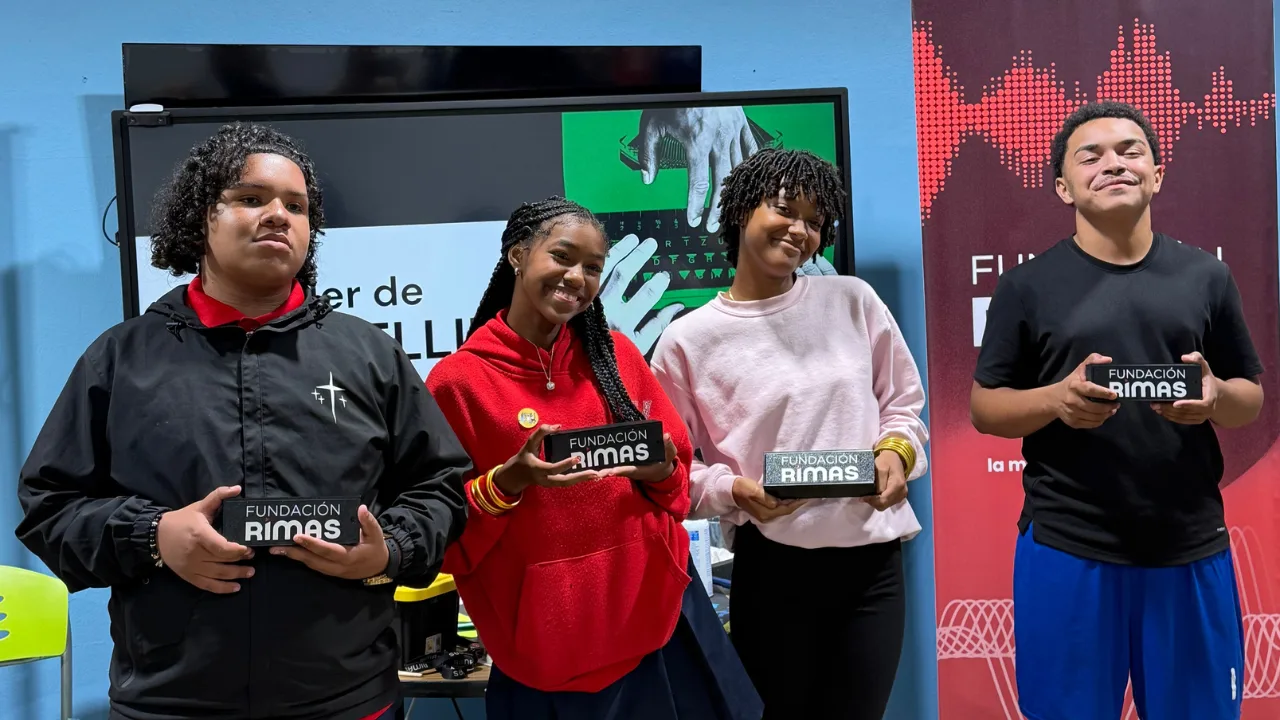
She praised the Fundación Rimas, led by José Benítez, as one of the spaces on the Island that actively hires young people who have come out of the corrections system.
She also proposes importing a California model, specifically the California Conservation Corps, a state program that employs thousands of young people between 18 and 25 full time on environmental conservation projects.
The film Budnick is co-producing is a love letter to Puerto Rico, and her work in prisons comes from a similar conviction: "When I ask any young person who has done well in life what allowed them to change, 100% of the time they say it was someone. Someone cared about me. Someone believed in me. Someone loved me," she stressed.
This content was translated with the assistance of Artificial Intelligence (AI).