Welcome to Primera Persona, a new section of Platea where we explore publications and reflections deeply connected to Puerto Rico, the kind that give you a warm feeling in your heart.
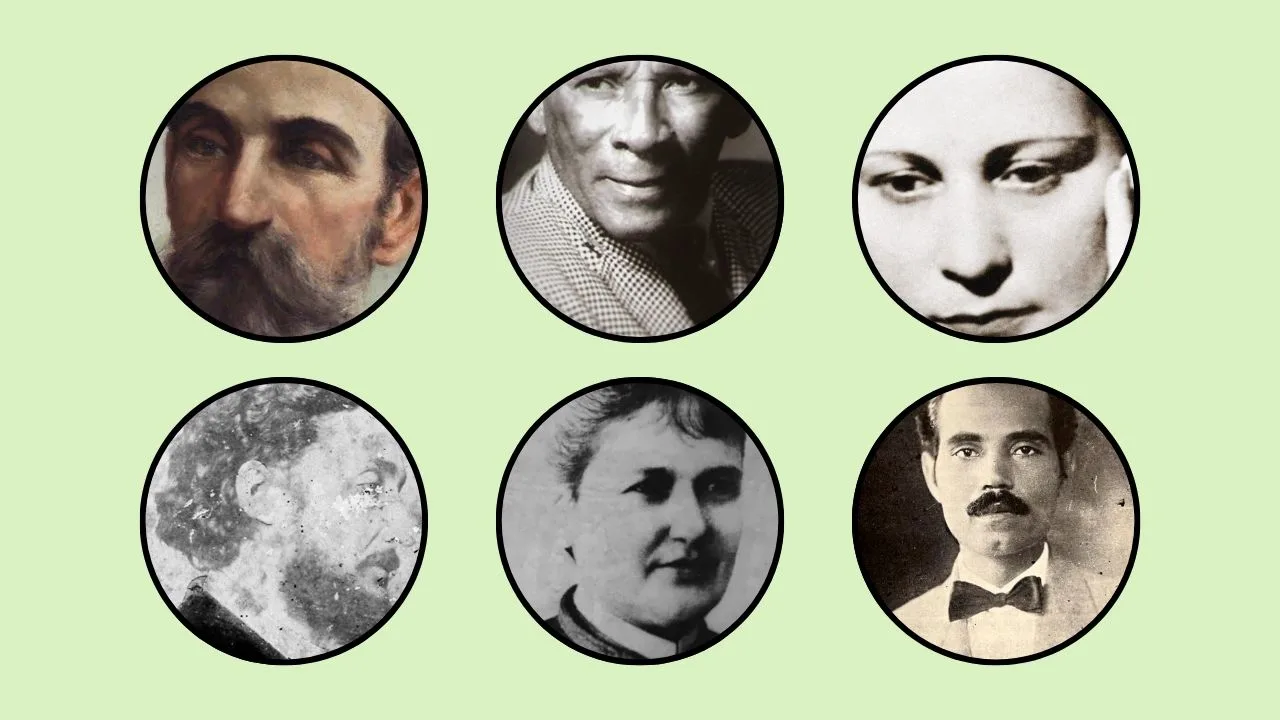
The history of Puerto Rico is also the history of its people, of those figures whose legacy transcends borders and eras, and reminds us what it means to carry Puerto Rican roots with pride.
Whether from their individual fields, such as education, politics, sports or the arts, these men and women managed to shape Puerto Rican identity through their words and consequential actions.
To understand the Island and its present, especially at a time when our social conversations invite us to reflect on who we are and where we are headed, rediscovering our founding figures becomes an act of reaffirmation.
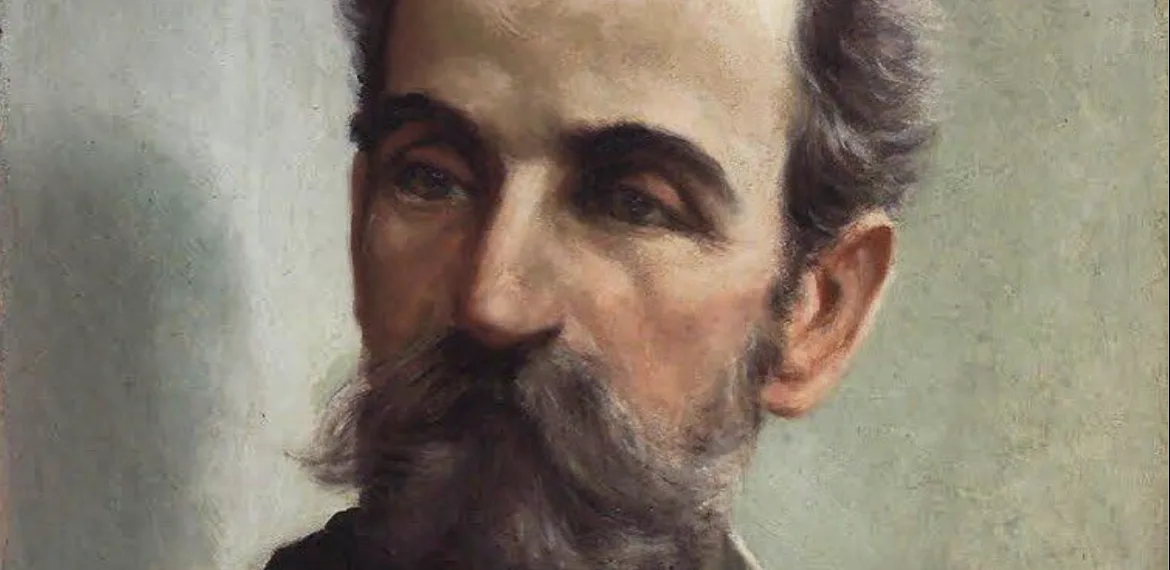
Eugenio María de Hostos
Teacher, philosopher, sociologist, writer and independence leader
Eugenio María de Hostos, from Mayagüez, a defender of Puerto Rican and Cuban sovereignty, was called "Citizen of America" for his extensive work in education and his defense of social justice across the continent.
Born in 1839 in the barrio Río Cañas Arriba of La Sultana del Oeste, Hostos traveled to Madrid to study law, philosophy and letters at the Universidad Central de Madrid, today the Universidad Complutense. There, he advanced the nationalist cause of Spain's then-colonies through his novel La peregrinación de Bayoán and his support of the Grito de Lares.
📚
Why is he known as "El Ciudadano de las Américas"?
After stays in New York, Peru, the Southern Cone and Venezuela, Hostos founded the first Escuela Normal in the Dominican Republic in 1880 and promoted the creation of a "teachers' army" throughout that neighboring nation. He is still honored there today, where his remains lie, in keeping with his final wish that they be transferred to Puerto Rico only when the Island achieved independence.
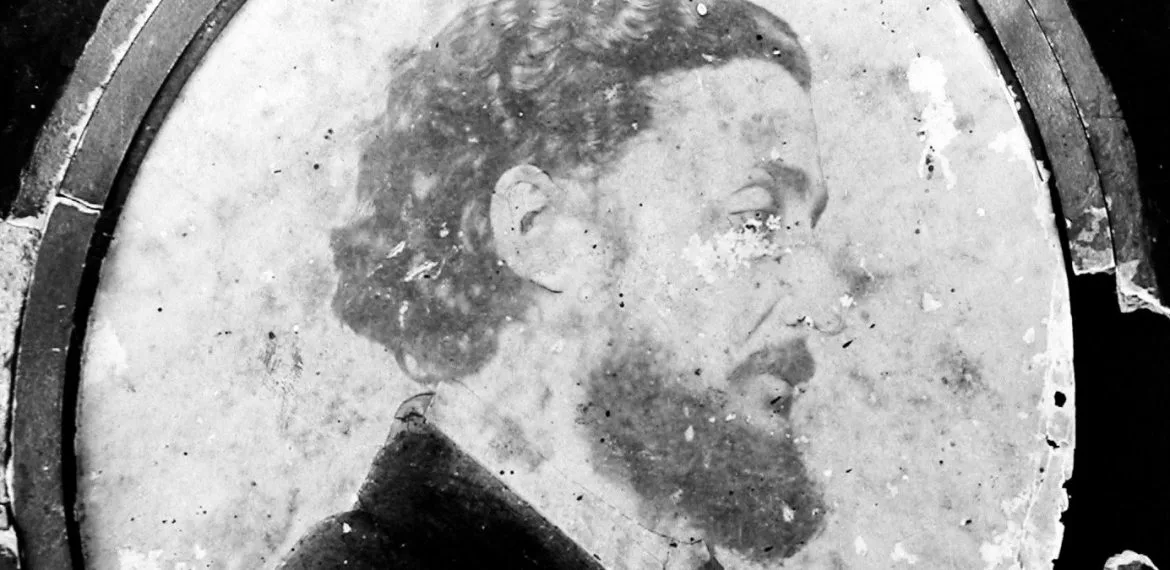
Ramón Emeterio Betances
Doctor, diplomat, historian, journalist and independence leader
When a cholera epidemic swept the western coast of Puerto Rico in 1856, Ramón Emeterio Betances, from Cabo Rojo, having just returned after validating his surgical degree in Paris, established and ran what is now Hospital San Antonio, where he worked tirelessly to care for Puerto Ricans of all social classes. Over time, his altruistic work earned him the nickname "Father of the Poor," as he often provided medical care at no charge to those who could not pay.
📚
How did France influence Betances's activism?
During his time in the French capital, Betances absorbed liberal and humanitarian ideas that shaped his later activism. In Puerto Rico, he took an active role in the emancipation of enslaved people and became a leader within the local abolitionist movement.
Along with Hostos, Betances is recognized as one of the principal leaders of the Puerto Rican independence movement. He was a central figure in the planning and execution of the Grito de Lares, and although its defeat sent him into exile until his death, his legacy has established him as the Father of the Puerto Rican homeland.
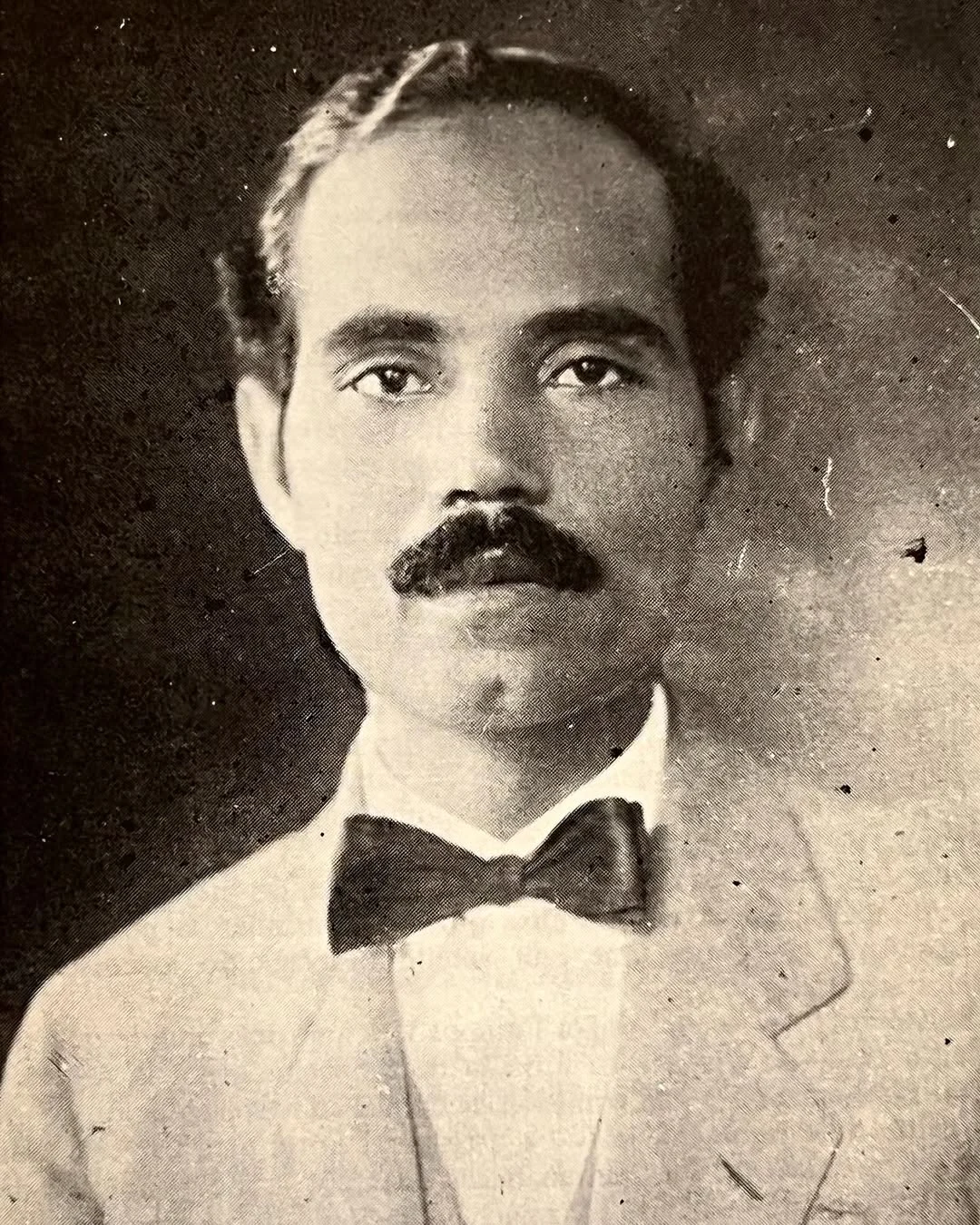
Pedro Albizu Campos
Chemical engineer, lawyer and politician
Pedro Albizu Campos grew up in the barrio Tenerías of Ponce under the shadow of rejection by his father, who considered him illegitimate, and the death of his mother. Despite those hardships, the opportunities life offered and his own brilliance led him to study law at Harvard University, where he stood in solidarity with national liberation struggles in Ireland and India. Because of the racial discrimination of the era, despite receiving the highest score in his class, he was prevented from graduating with the rest of his cohort.
📚
Why was he called "El Maestro"?
Albizu Campos returned to the Island after his studies to practice law in support of the independence cause. He joined the Partido Nacionalista de Puerto Rico and within a few years rose to lead it, under his direction the organization adopted a stance of direct action against the U.S. regime of the time. For his eloquence, natural charisma and patriotic fervor, many called him "El Maestro."
Under Albizu Campos's leadership, and in the context of colonial repression policies such as the Ley de Mordaza, the growing militancy of Puerto Rican nationalism led to armed uprisings against local authorities in 1950. Those events resulted in his arrest and imprisonment, after which the political leader denounced having been subjected to torture practices that seriously damaged his health.
Albizu Campos died in 1965, and his legacy endures as a symbol of the struggle for Puerto Rican independence.
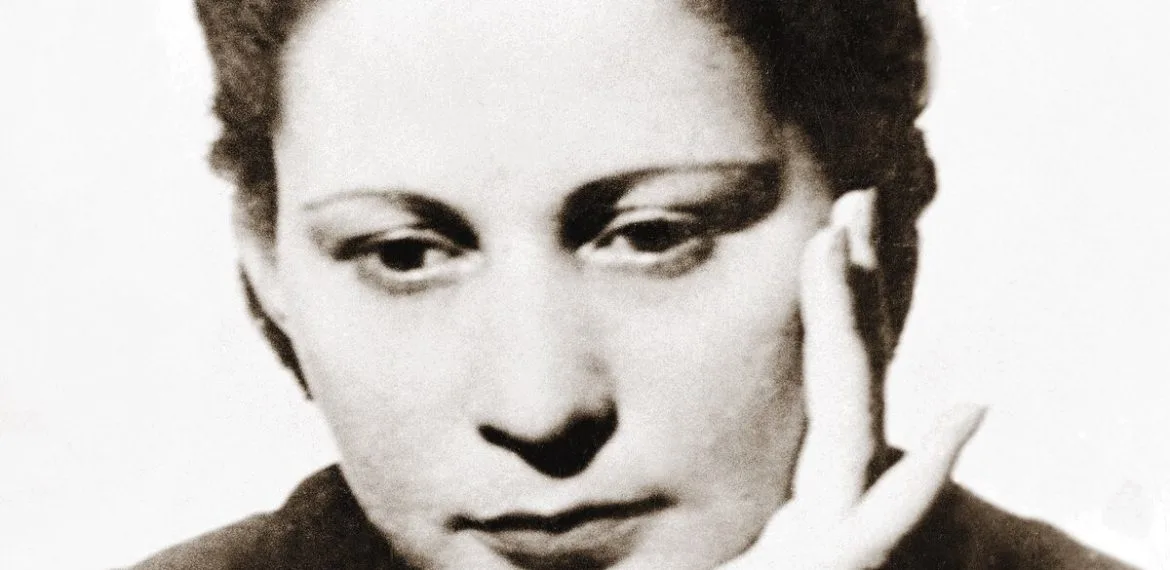
Julia de Burgos
Poet, playwright, writer, political activist and teacher
The eldest of thirteen siblings, raised in Carolina, Julia Constancia Burgos García developed a taste for poetry from an early age. Despite economic hardship, her dedication to her studies earned her a scholarship to attend the Universidad de Puerto Rico, from which she graduated as a teacher. She later taught in Naranjito, where she found inspiration and wrote her most famous poem, "Río Grande de Loíza."
¡Río Grande de Loíza! … Mi manantial, mi río,
desde que alzóse al mundo el pétalo materno;
contigo se bajaron desde las rudas cuestas
a buscar nuevos surcos, mis pálidos anhelos;
y mi niñez fue toda un poema en el río,
y un río en el poema de mis primeros sueños.
📚
How did she transform the literature of her time?
During her time in La Habana and New York, Julia immersed herself in intellectual circles and published works that challenged the norms of her era, including "Poema en veinte surcos" and "Canción de la verdad sencilla." These texts, which explored themes such as feminism, Puerto Rican independence and personal introspection, established her as one of the boldest voices of her generation.
Today, Julia de Burgos is considered one of the most emblematic figures in Puerto Rican literature, with verses that reach readers across generations, and her legacy persists through tributes from Carolina to El Bronx in New York.
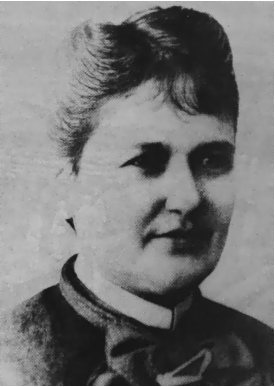
Lola Rodríguez de Tió
Poet, educator, abolitionist and independence leader
A native of San Germán, Dolores Rodríguez de Tió showed from a young age a passion for letters and a deep sensitivity to the social injustices of her time, evident in her verses about her love of her homeland and her desire for freedom. In 1863, she married journalist Bonocio Tió Segarra, with whom she shared political and cultural ideals and promoted debate on independence and human rights.
📚
What was her connection to "La Borinqueña"?
Lola's life was defined by her commitment to Puerto Rican independence and the abolition of slavery. In 1868, inspired by the Grito de Lares, she wrote the first version of "La Borinqueña," predating the lyrics of the current national anthem. Her activism led to her exile on several occasions; she lived in Venezuela and Cuba, where she continued her literary and political work. She published works including "Mis cantares" (1876) and "Claros y nieblas" (1885).
In addition to being the first Puerto Rican woman to publish a poetry collection, her work reflects a fusion of nationalist sentiment with the literary aesthetics of Romanticism, placing her as a reference point in Puerto Rican literary studies.
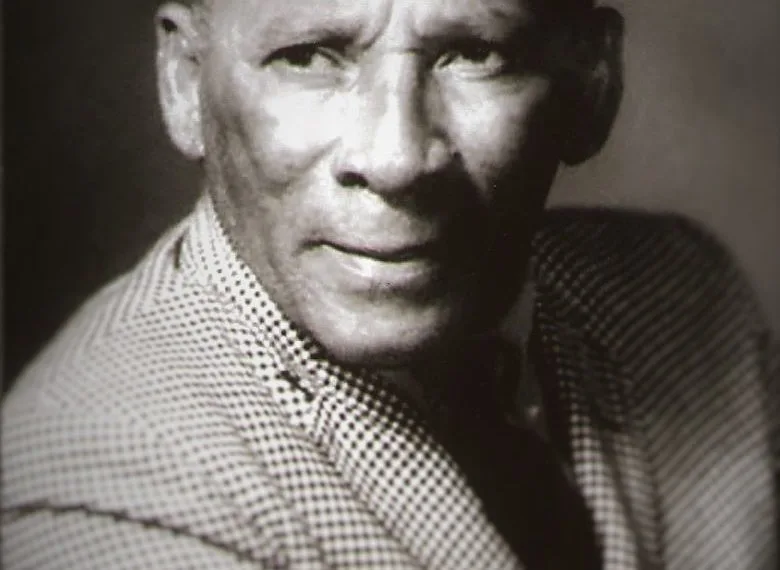
Rafael Hernández Marín
Composer
Rafael Hernández Marín, from Aguadilla, remembered as "El Jibarito," showed musical ability from an early age. At 12, he began formal music training in San Juan, where he went on to master instruments including the clarinet, tuba, violin, piano and guitar. In 1917, during World War I, Hernández Marín joined the U.S. Army and became part of the Harlem Hellfighters and their band, Hellfighters Band, with which he spread jazz and African American music across Europe.
📚
How did he capture the Puerto Rican essence in his music?
After the war ended, he settled in New York, where he founded the Trío Borinquen. Later, during his time in Mexico in the 1930s, he composed some of his most emblematic works, among them "Lamento Borincano" and "Preciosa," now anthems that capture the essence and nostalgia of Puerto Rican identity.
Rafael Hernández's legacy is immense, with more than 3,000 compositions spanning genres such as boleros, guarachas and danzas. His songs have been performed by internationally renowned artists, cementing his place as one of the most significant composers in Puerto Rican music.
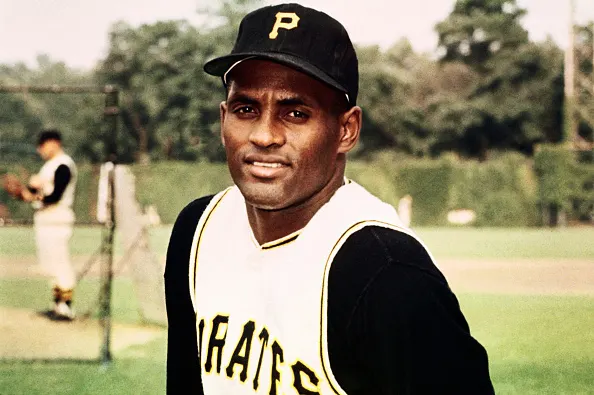
Roberto Clemente Walker
Baseball player
Roberto Clemente built his legend in baseball during his time with the Cangrejeros de Santurce, where he caught the attention of the major leagues. His work ethic, developed helping his father in the sugarcane fields of Carolina, and his natural talent, evident from childhood in the barrio San Antón, shaped his path to stardom.
📚
How did he transcend baseball?
Over an 18-season career with the Pittsburgh Pirates, Clemente accumulated 3,000 hits, won 12 Gold Gloves and was named Most Valuable Player of the 1971 World Series. His impact, however, extended beyond the sport: he earned recognition for his humanitarian commitment and organized and took part in numerous charitable initiatives.
His life was cut short in 1972, when he died in a plane crash while transporting aid to earthquake victims in Nicaragua. Just one year later, posthumously, he became the first Latin American inducted into the Baseball Hall of Fame, and to this day, the Premio Roberto Clemente honors, at the end of each major league season, the player who has best exemplified his dedication to the sport and to his community.
Dive into your culture
As we continue to define what it means to be Puerto Rican in this century, learning about our national heroes can push us toward the future with the same passion with which they defended their convictions.
If you want to explore your Puerto Rican identity further, join our conversation on social media and discover how our island continues to shine in the present, beyond its borders.
✍️ Also in Platea
Spend some time on Platea PR to keep exploring pieces relevant to your everyday life, like these:
This content was translated with the assistance of Artificial Intelligence (AI).