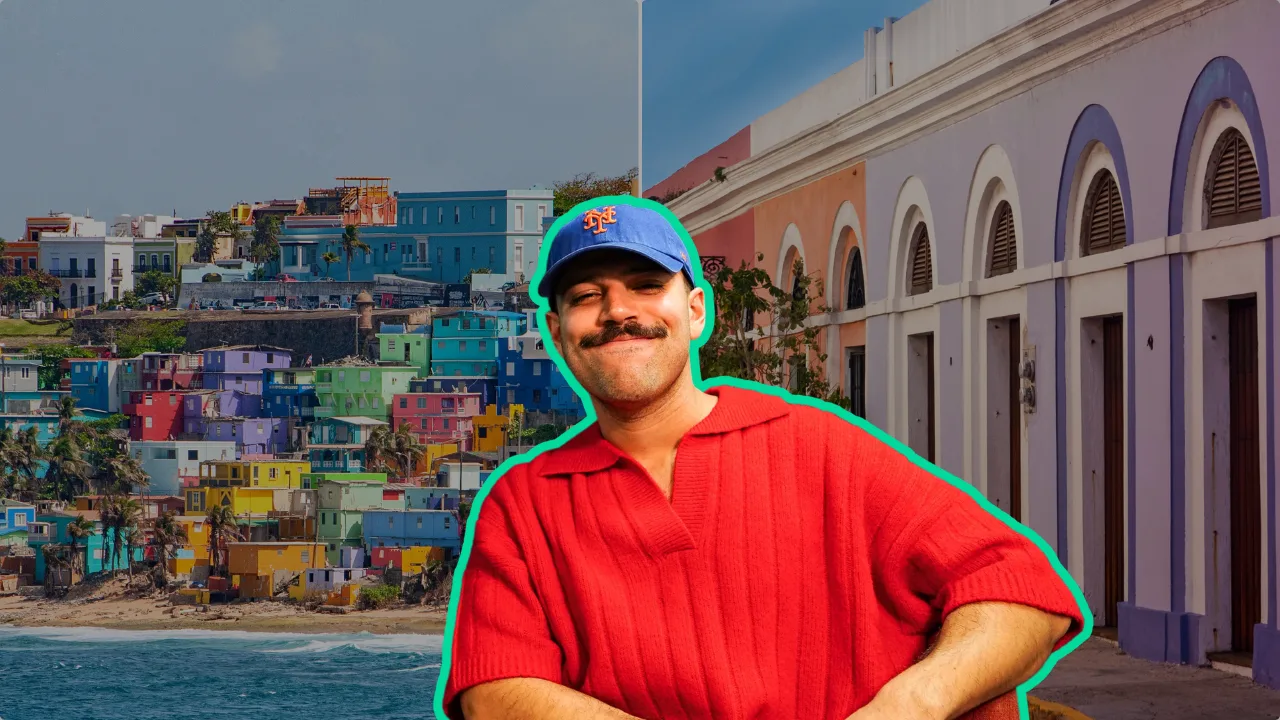
Venezuelan comedian Angelo Colina's Spanish-language humor is finding an audience in the United States as he explores the connections between Puerto Ricans, Dominicans, Argentines, Venezuelans and Latinos broadly, celebrating what unites them and what makes each group distinct.
What can you expect at one of his shows? From his first time hanging out in La Perla to the importance of asking your Dominican barber's permission before visiting a Puerto Rican one, his material draws on everyday situations that, because they are nearly universal experiences for the Latino community, have spread widely on social media.
Colina was born in Venezuela and spent time in Colombia and New York. He is aware that in the United States there is a popular culture that runs through English-language comedy, but he also understands that bringing Spanish to the stage is another way of connecting the diaspora to its roots. For Angelo Colina, being Latino is central to his art.
Platea spoke with him on the new episode of Punto Aparte, where he shares how he combines humor and language in his comedy. Between laughs, he also explains how he came into the world thanks to Ricky Martin.
This interview has been edited and adapted in multiple formats. In some sections you can hear the answers in Angelo Colina's own voice; in others they are presented as text for a fuller experience.
Sely Colón: You just wrapped three nights [at] Teatro Tapia in San Juan. Sold out. Sold out.
Angelo Colina: It's hard to explain, because something I prepared for over a long time has just ended. I'd had the chance to do Teatro Tapia in July, we got it and it was like, ok, let's do it, let's try it.
"I didn't have that many people. And to my surprise, a lot of people showed up, 500 people. For me, someone who doesn't come from television or a podcast, I only do stand-up, 500 people in a place I'd never been to before is a very big deal."
Angelo Colina, Venezuelan comedian
"What happens here in Puerto Rico is not that people give, I think people give back. I believe that. I don't think they'll give to just anyone. I think people give back, and I think that's what happened to me,"Colina says. Photo: @angelocolina/Instagram
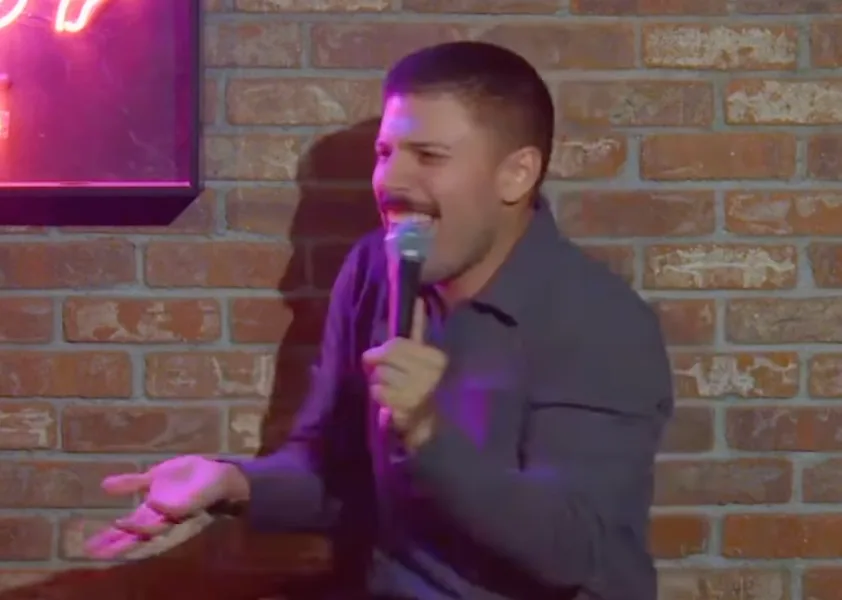
THE BARBERSHOP STORY
The Barbershop Story
0:00 / 0:00
1.0x
On roots, language and laughter
"I noticed that Puerto Ricans would come up to me and say, I didn't know this. They usually said it in English, and it was like, a lot of Puerto Ricans. My manager, David Cerna, he was the one who said, you should bring Spanish to those places in the United States where people want to reconnect with that. We've been to 33 states doing comedy in Spanish."
Angelo Colina, Venezuelan comedian
During these travels, Colina has encountered prejudice. "The microaggressions aren't that micro, and there are more of them. It's a reality." He was referring to a moment when someone suggested he should learn English to do comedy.
Even so, the comedian remains firm in his decision to perform in Spanish, pointing to how effective his communication is and how deeply it connects with audiences in the United States.
Sely: Going back to the subject of Puerto Ricans, what was that first turning point in your career? You've mentioned, and I'm quoting, that "I wouldn't have a career if it weren't for Puerto Ricans." You've also said that Puerto Ricans stand out on their own, you see them and the joke comes out. What material are you taking away from your recent visit?
Angelo: That quote makes me laugh, the "I wouldn't have." I think that was my fault. I'd say, I wouldn't be at this level in my career if it weren't for the Boris. It's just that, honestly, it's been so much, because it's also like the boost, you know, they helped me believe in myself from the very first time I came here.
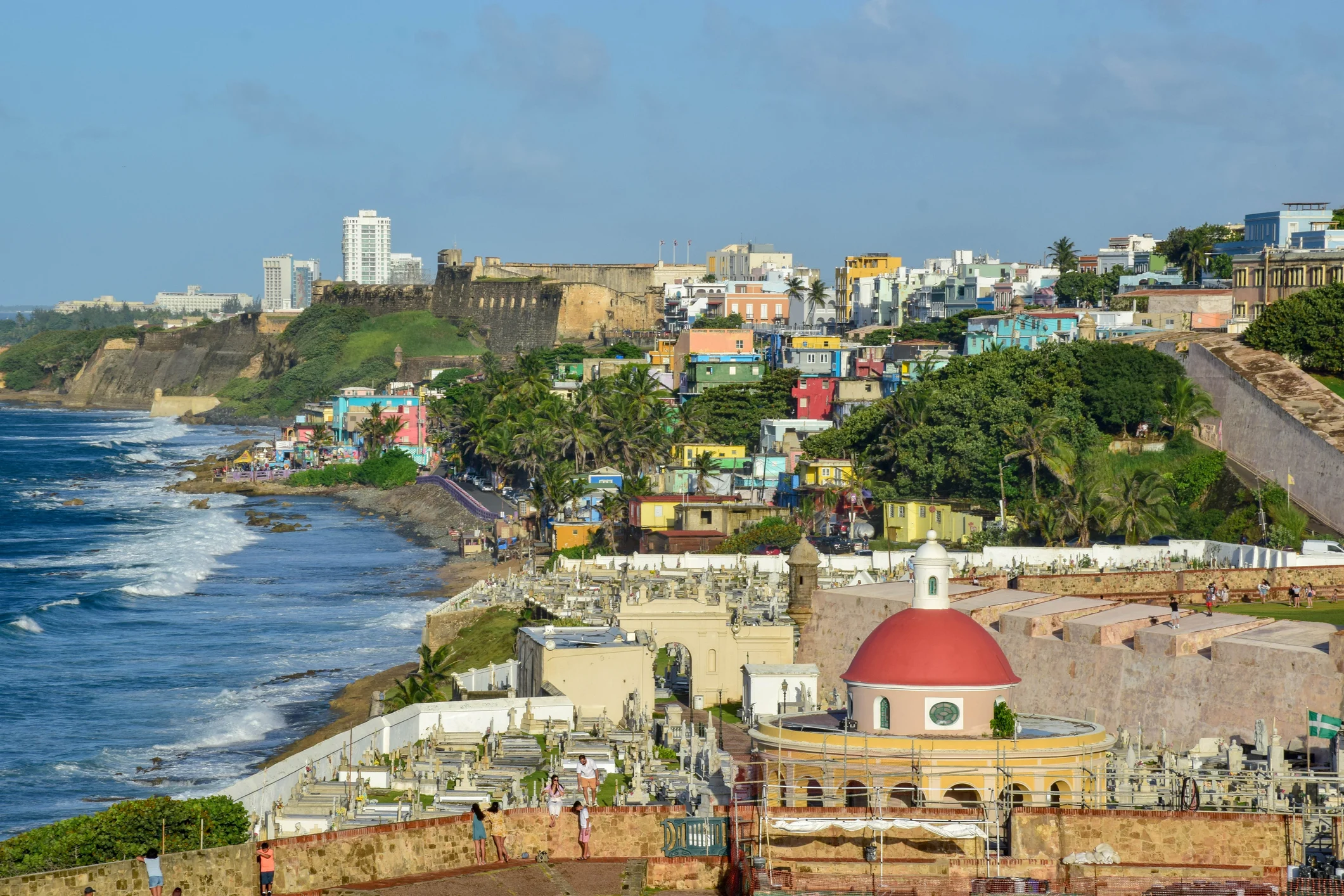
AN EXPERIENCE: LA PERLA
A Night in La Perla
0:00 / 0:00
1.0x
Sely: You've mentioned a couple of Puerto Rican phrases, which you also use in your stand-ups. What are your favorites? The ones where you're confused and have to say, "Oh my God, I need to make a dictionary."
Angelo: Well, history connects us from the first Taínos who came here, from Venezuela. There's a lot of connection. I grew up listening to, not just reggaeton, but Olga Tañón, obviously. I was convinced they were from Venezuela, because you have no concept of countries when you're seven years old. So I wasn't that surprised. There was one that got me, though, and that was pichar. It took me a while. One time I told my friend, look, at nine we pichamos, and the guy disappeared.
Sely: And I love that you mention the connection with Puerto Rican artists too, because you spoke with Daliana Alvarado, de Sabor a Coco, recently, and the story you told her about Ricky Martin blew my mind.
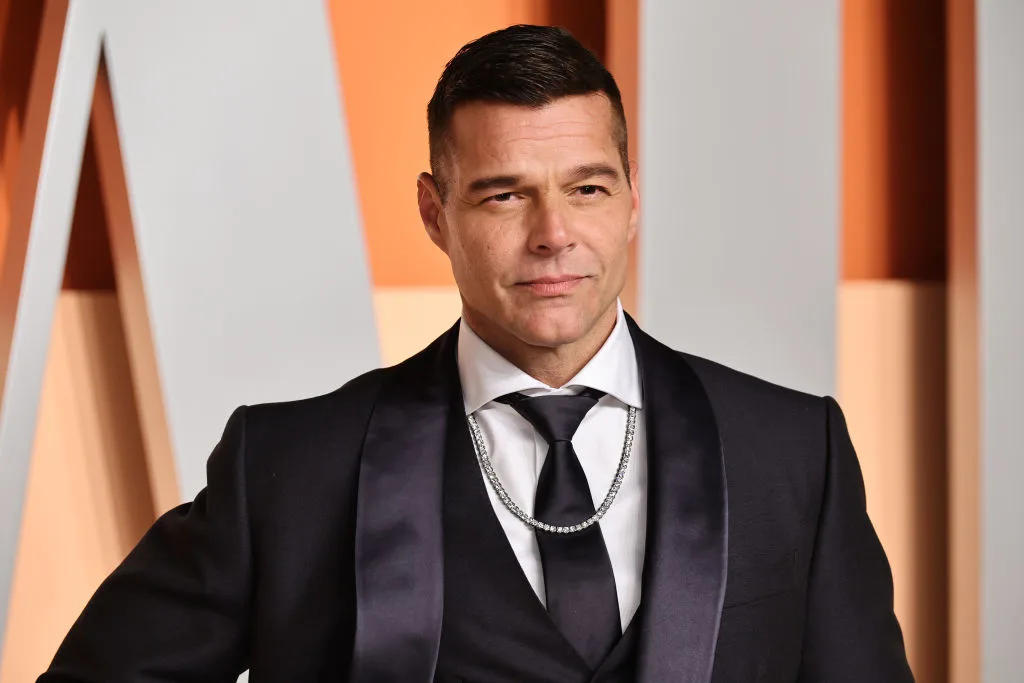
ASIGNATURA PENDIENTE
No habría Angelo sin Ricky
0:00 / 0:00
1.0x
Sely: And that brings us right to the topic of comedy as well, the through line. You find an angle in everything. How do you work with that through line?
Angelo: I noticed I was doing comedy in English. I stopped because I found it very limiting. And I also noticed that with an English-speaking audience, everyone shares the same culture. You can walk into an English-language show and make a joke about Drake versus Kendrick Lamar, and everyone will get it. Because everyone is inside the same pop culture, they share the same pop culture. Latinos don't share a pop culture, so it's harder.
Sely: And on the subject of Spanish, here we are. We've been talking about interactions with different people. Now, at the level of your career, of continuing to grow in Spanish, what are you running into when you're looking to, maybe, take it to other platforms or other media?
Español en todos lados
0:00 / 0:00
1.0x
Sely: At what point did you go from saying, I want to be, to saying, I am a comedian?
Angelo: Someone told me a long time ago that I could call myself a comedian once I started earning a living from comedy, once it was my full-time job. And it took me about three or four years, at least. Which is actually not that long, compared to the usual. When I stopped doing side gigs and said, even if I go into debt, I have to do only this, because I'm going to make it worth it. I mean, I was going to go all in. When you have no other option, you go out and give it everything, and I've fortunately been able to keep this going.
Sely: Angelo, coco, piña or parcha?
Angelo: Well, piña is my favorite fruit. Even so, I love coming here and ordering everything "palcha," not maracuyá. Parcha all the way.
This content was translated with the assistance of Artificial Intelligence (AI).