In the face of climate change, air pollution is one of the biggest challenges of the present. In the United States, 2 in 5 residents live in areas where the air is dangerous or unhealthy to breathe, according to the American Lung Association.
Unlike the United States, Puerto Rico's air quality ranks among the least polluted in all of Latin America and the world, according to the 2023 World Air Quality Report.
The Island's abundance of vegetation and plants undoubtedly helps absorb carbon dioxide from the atmosphere and release the oxygen we breathe. Studies such as the NASA Clean Air Study illustrate how certain plants help remove pollutants found in homes and shared spaces, such as benzene, formaldehyde and trichloroethylene.
Studies like this one, along with design trends, have led to more and more plants appearing in rooms throughout the home. Plants also offer additional mental health benefits, especially since the COVID-19 pandemic and the rise of remote work.
"The connection between plants and people is something very natural. […] Having them inside the spaces we inhabit gives us this sense of warmth, of being able to have this plant that is part of the environment around you, one you also have to care for and keep alive," explained Yara Guerrero, owner of Verdelias Plant Boutique, a store specializing in indoor plants grown in Puerto Rico using organic substrates and individual care.
Want to fill your home with new life? Keep reading for some of the plants Guerrero recommended for purifying your home, giving it a unique touch and breathing cleaner air.
1. Lengua de vaca
The lengua de vaca, also known as lengua de suegra, is a long-lasting plant that requires little care to grow. It grows slowly, can survive in low light and does not need to be watered frequently.
As a plant native to arid regions, it has a particular survival trait. Through its CAM metabolism (Crassulacean Acid Metabolism), this plant absorbs carbon dioxide during the day and releases oxygen at night, acting as a kind of air filter that keeps a room cooler.
"It's one of the plants most recommended for spaces like bedrooms. All those benefits of purifying the air and producing oxygen help us while we sleep," said Guerrero, who is also a communications professional.
Its resilience makes it well suited to Puerto Rico's climate. Pets should be kept from eating it.
2. Palma areca
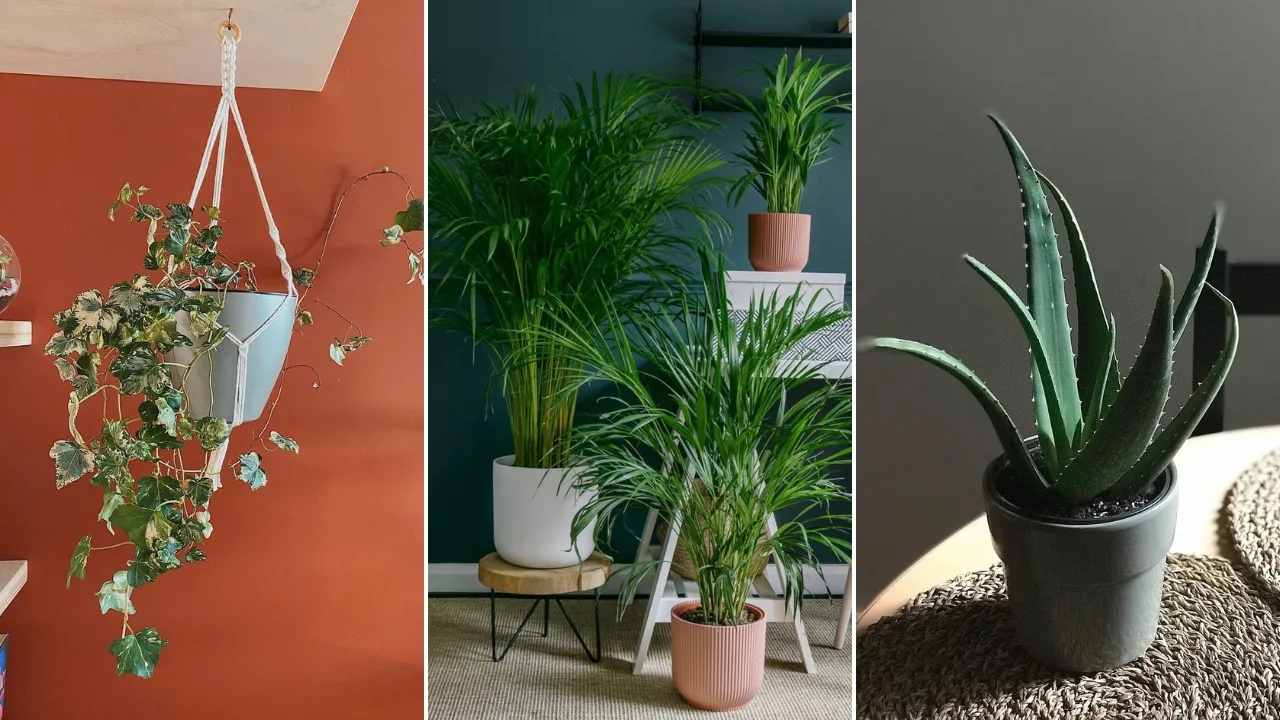
The palma areca is a plant that refreshes the air and adds a tropical feel to any room. It is known for its lush, elongated leaves and should be placed in rooms with plenty of light.
"They also have a capacity to humidify the air and remove toxins, mainly. […] Plants that evoke tropical designs also add spaces that are more relaxing," Guerrero noted.
Being a warm-climate plant, it is quite hardy, prefers less frequent watering and is well suited for beginners. Unlike some houseplants, it is safe for pets such as cats and dogs.
3. Dracaena
The dracaenas are plants that vary in size, color and leaf shape depending on the species. They are also known for their ability to filter air pollutants. According to the NASA study, some of the most effective for this purpose are the warneckii, the marginata, the Janet Craig and the mass cane.
"They come in many colors, and you can make many combinations, which gives a lot of options when incorporating them into interior spaces," the owner of Verdelias said of their decorating potential. They are very easy to care for and resilient. However, dracaenas are not considered pet-friendly. Eating their leaves can be toxic to dogs and cats.
4. Helecho boston
The Boston fern is a leafy fern, fairly common in tropical climates, that helps increase humidity in the air and remove pollutants. It prefers low indirect sunlight, and watering frequency depends on how often the soil dries out completely.
"Wherever you put a fern, you add freshness. The fern is super refreshing visually," Guerrero added.
5. Pothos
The entire pothos family is effective at purifying the air in a room. Species such as the golden pothos can remove pollutants like formaldehyde from the air, according to NASA's Clean Air Study.
These plants are well adapted to the tropical climate. They can survive with little light and reduced watering, which makes them excellent for beginners.
"They're super easy to care for, and they're also trending. They're being used a lot this year. […] They come in a very wide variety and it's a very strong plant, and super versatile because you can put it in well-lit spaces but also in spaces with lower light conditions," she pointed out.
Guerrero added that they can look good in living rooms, bedrooms, or even workspaces like offices, whether full and bushy, hanging from baskets, or climbing over surfaces.
6. Ivy
One of the most popular and attractive climbing plants is ivy. Its small-leaf style makes it very appealing for homes, and like pothos, it can be hung from baskets, trained to climb, or placed in small pots.
These are low-maintenance plants that should be watered at least once a week. According to Guerrero, several different species are usually available at Verdelias throughout the year.
Like the other plants on the list, NASA described ivy as effective at cleaning various pollutants from the air. It also tolerates heat well. Although it adds a rustic touch to rooms, ingestion is dangerous for pets such as dogs and cats.
7. Ficus pandurata
In 2024, maximalism as an interior design trend has encouraged the integration of large plants and trees into homes. Among the most popular, the ficus pandurata stands out both for its height and large leaves and for its air-cleaning capacity.
"It has been one of the most popular in interior decorating and among people looking to have plants in their space," Guerrero pointed out.
8. Aloe vera
Although better known for their medicinal properties, NASA also found aloe vera effective at removing pollutants in enclosed spaces. Like snake plants, aloe vera releases oxygen at night and is adapted to the Puerto Rican climate.
"It has the property of purifying the air, in addition to all the healing components it contains," she said.
These plants prefer direct light and are very resilient, so you should avoid watering them too frequently. Ingestion is dangerous for animals, though they do not typically cause allergies or harm on contact.
Basic care tips for houseplants
Verdelias Plant Boutique opened in 2021 with the goal of offering a varied selection of well-tended houseplants, along with customer service that helps educate each customer on caring for their new plants. Houseplants generally require less frequent watering, little sunlight, and more attention to each plant's health. These are some of the care tips for these plants that Guerrero shared with Platea:
Water them at least once a week: These plants do not need water every day. In fact, because they retain water longer and receive less sunlight, their roots can end up rotting from overwatering. Depending on the plant, some will want less water than others.
Fertilize the soil once a month: Changing the substrate or fertilizer monthly will help keep your plant's leaves looking beautiful, large and vibrant. Make sure to research which types of fertilizers are best for your plant's health.
Watch the leaves and their growth: Make a habit of observing your plant and monitoring its growth. Each sign can tell you whether it needs more or less water, sunlight or fertilizer.
Don't give up on your plant: Many of these plants tend to be quite resilient. One lapse doesn't have to mean the plant will die soon: "Plants don't die overnight. They always give you signs. The important thing is to pay attention to what the problem might be, and treat them in time," Guerrero concluded.
To find a wide variety of indoor plants, accessories and care supplies, you can visit the Verdelias store in Isabela, and its online store, which offers home delivery.
Photos: micaeladicorrado, beardsanddaisies and myplants0.
This content was translated with the assistance of Artificial Intelligence (AI).