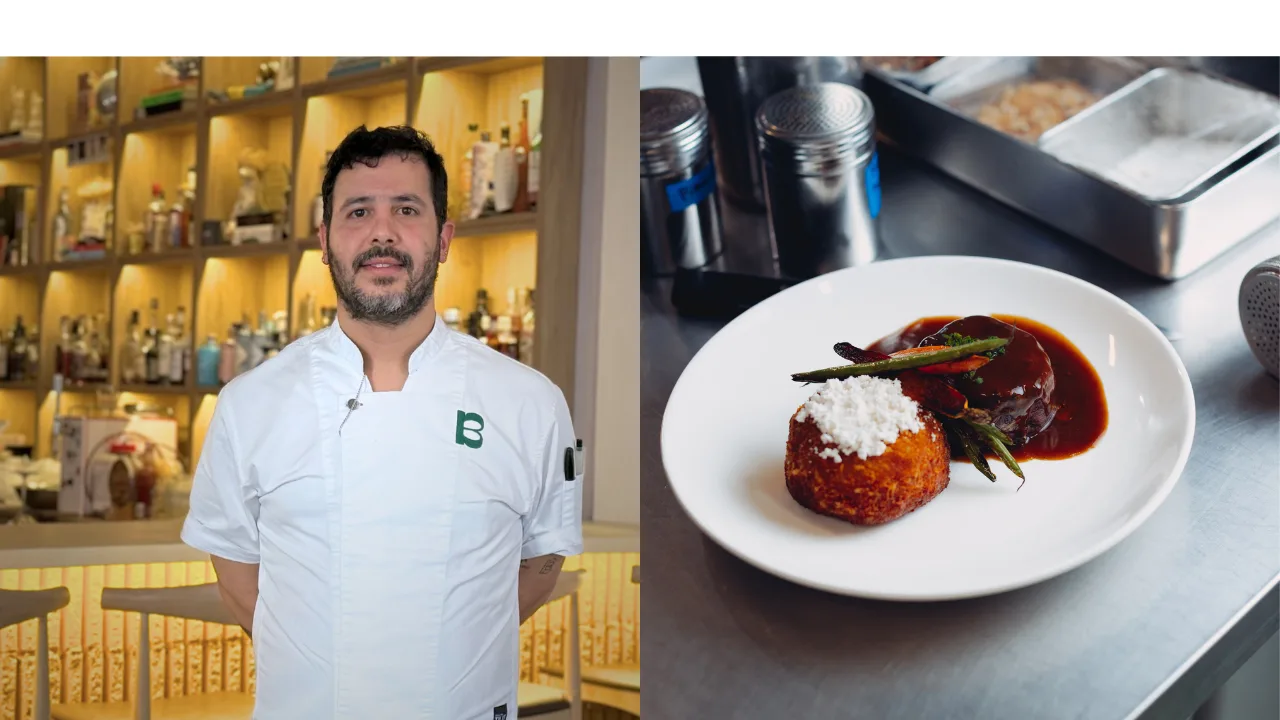
It is not an Italian restaurant, or Mexican, or criollo. Bodega Esquina Gastronómica is, as chef Luis Miguel Díaz describes it, "an unexpected experience." It is also a flavorful portal curated by someone who this year won the award of gastronomic ambassador of Caguas, presented in late September by the Foro de Turismo Gastronómico and Caguas Gastronomy Awards.
When he talks about himself, he does so without filters: "I'm very passionate, I'm emotional, I love what I do, I work incredibly hard, I'm warm at the same time"… "And does that come through in your dishes?" he was asked. "Definitely…," he replied, his voice breaking in an interview with Platea, saying that his work is about evoking feelings.
"I've gone to tables where the person has tears in their eyes (…), but these are things that happen in this industry when you do it from the heart," he says.
Driven by that passion, in the town of Caguas, where an antique shop once stood, there now beats a place that is hard to fit under a single label. For him it is "a blank canvas that I can draw on, fill in, season by season," he explains. From that creative freedom, the menu changes every six months and the raw dishes are reinvented weekly.
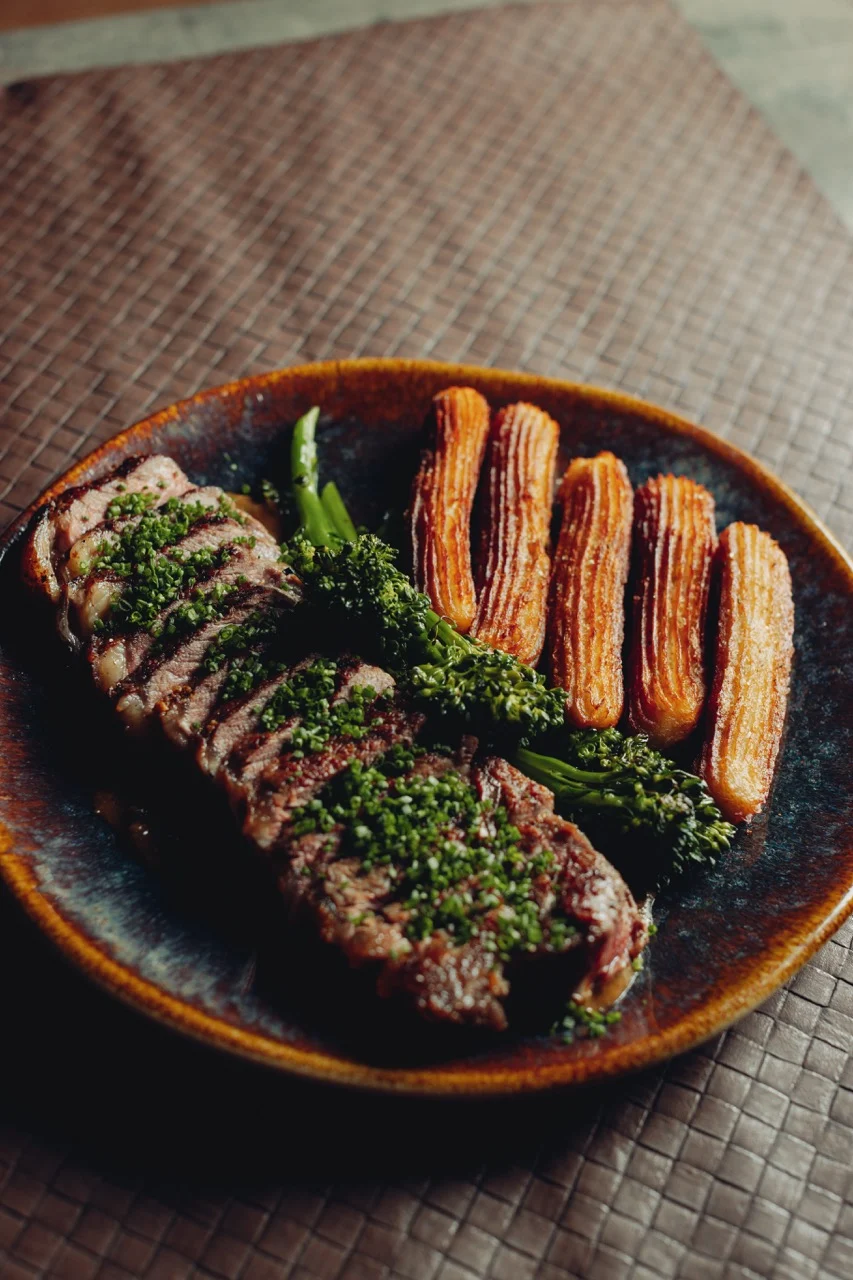
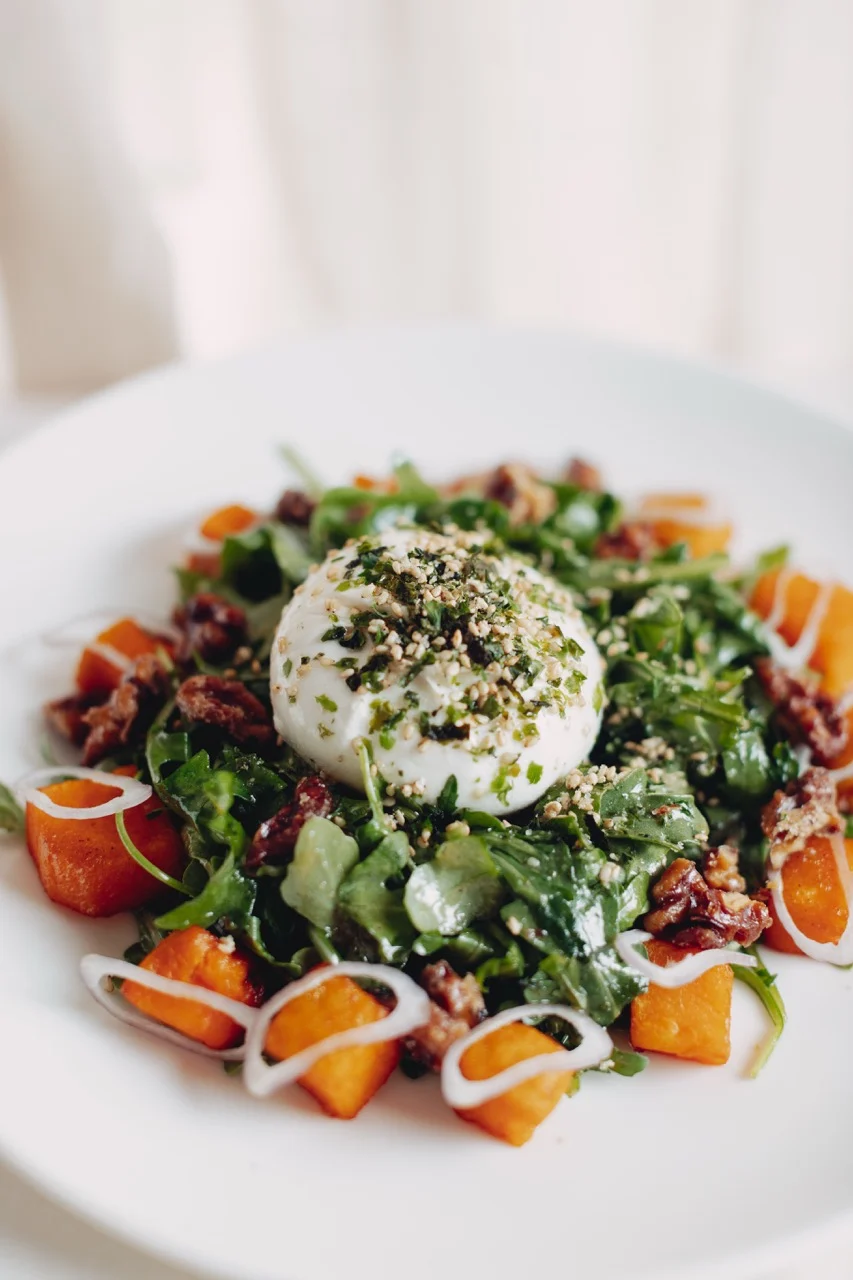
Caguas is at its gastronomic peak
As gastronomic ambassador of Caguas, Díaz sees something taking shape in the Turabo valley. "It's happening, I feel like this culinary happening is happening in Caguas. I think we are at a peak of pure growth." His next project, Bar Celice, a tapas bar inspired by Barcelona and named in honor of José Celice Aguilera, the street where it is located, will open on the opposite corner.
His calling, born of a forced rest
It all began in 2006, when he was an athlete and an ankle injury took him off the basketball courts. With a cast immobilizing him, he accompanied his father to hotel school on weekends. "My dad told me, look, on weekends come with me, I'm going to ask for a permit so you can take the gastronomy workshops at the hotel school." In 2014, that passion took root in Cosechas, a fine-dining project on wheels.
Like a true cagueño, Díaz would drink coffee at Plaza Santiago R. Palmer, observe, wait. He describes himself as a "firm believer in processes." It took him ten years to get from Cosechas to Bodega. He launched other concepts, but never rushed. In 2021, after the pandemic, he saw the empty space, painted white. "I drove by in my bus and saw the corner with no more antiques, a completely clean, open space." That year, Bodega was born.
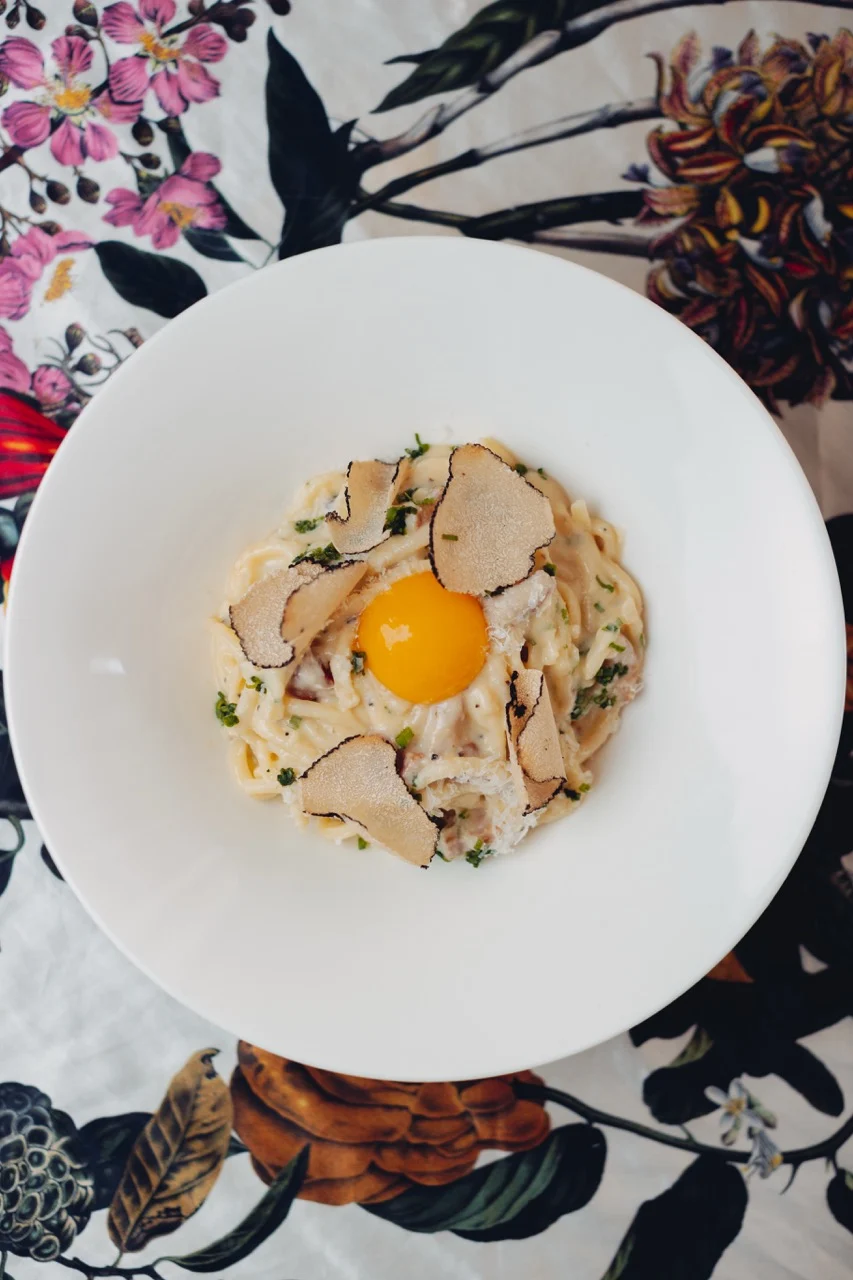
The dishes that define him
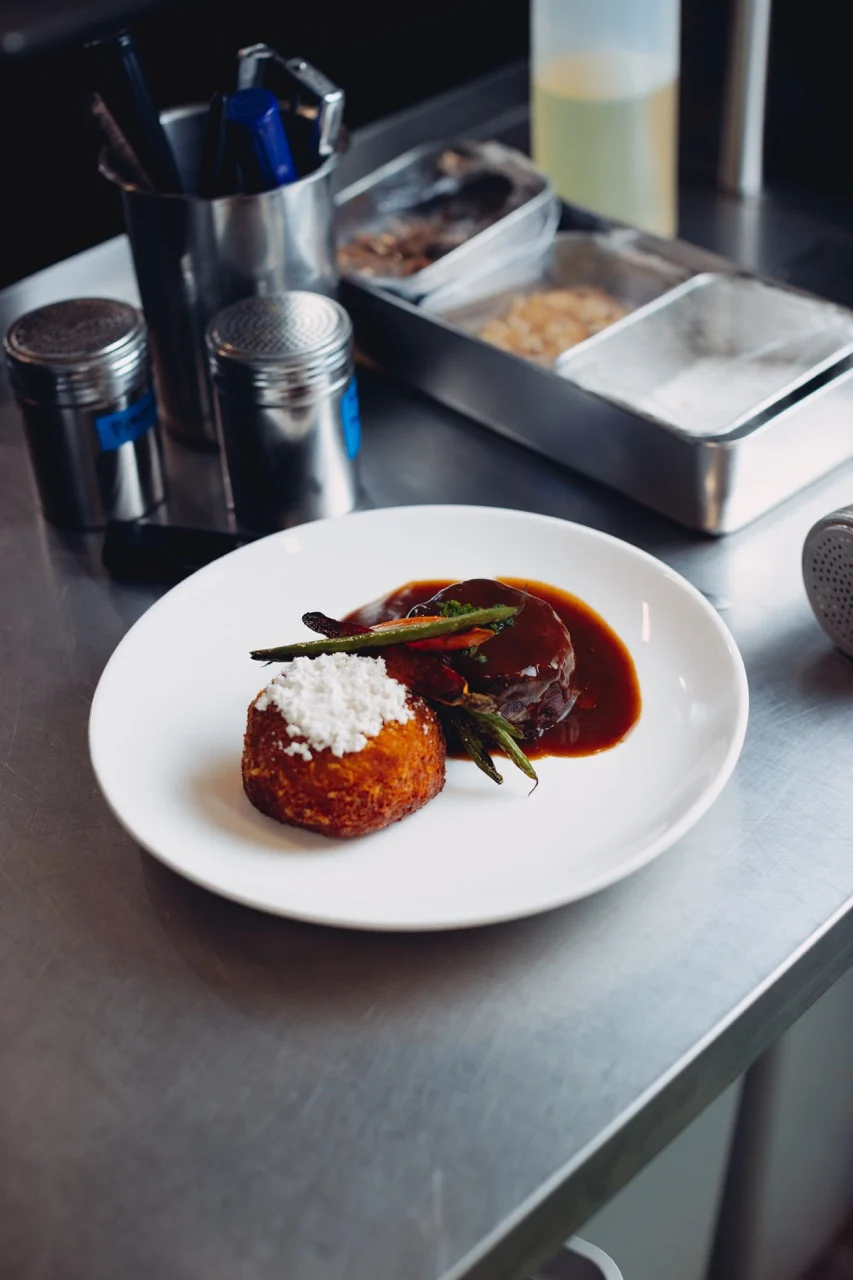
In a restaurant without labels, the kitchen is defined by its dishes. Some tell the full story of Díaz, like the dumplings of ground pork with ripe plantain and recaíto, rolled by hand every week. They have been with him for a decade, since Cosechas. "The dumplings represent my career as a chef because I've been making them for a long time. In every menu I've done I find a way to include them."
Alongside them are the butifarra croquettes with manchego cheese and confit garlic aioli, which have been on the menu since day one. "I can't take them off," he admits. The rabbit chicharrones are on their third evolution, now with ají dulce jam and lacto aioli de recao.
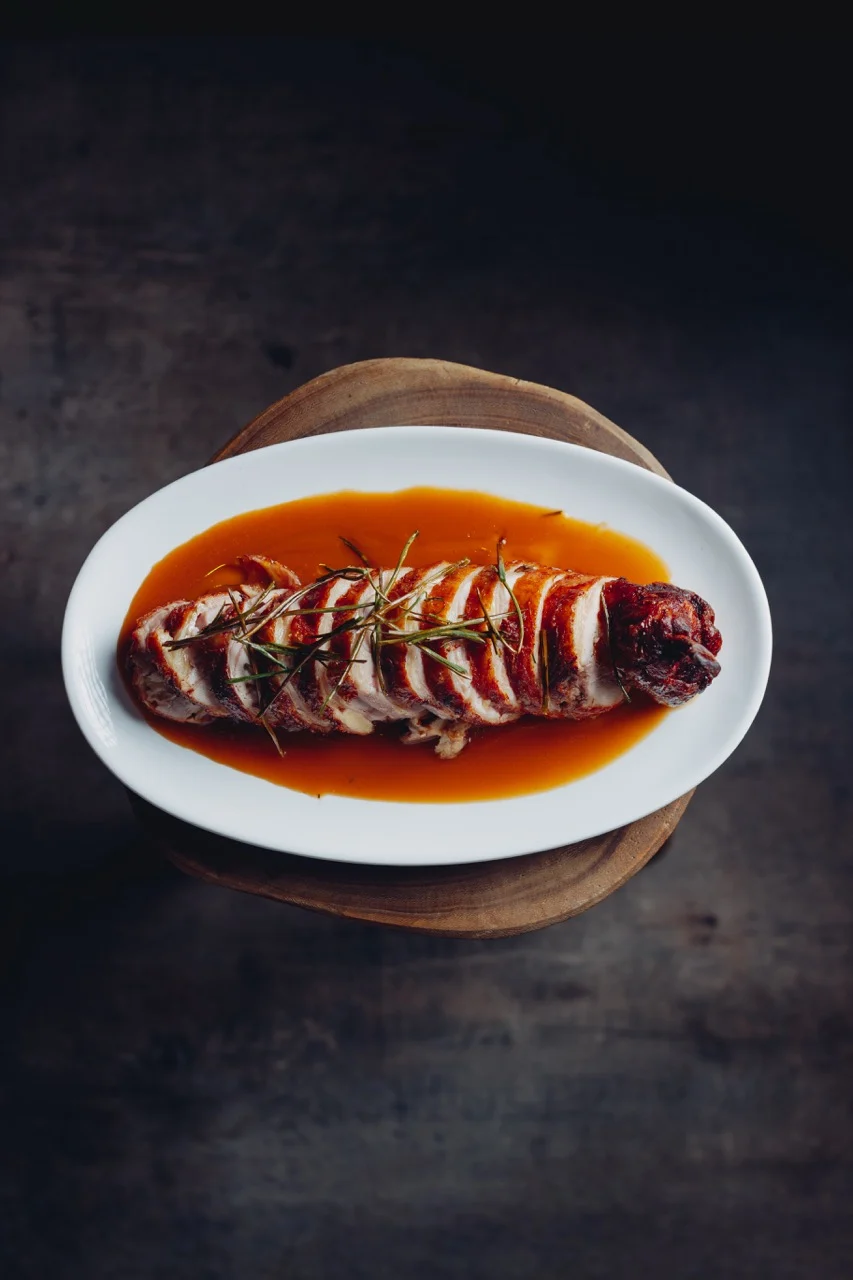
And the chicken roulade, perhaps the most revealing dish: a deboned half chicken, rolled and served with potato gnocchi in sofrito butter. "It's like a version of a roast chicken, with the potato gnocchis, sofrito butter, there are so many Puerto Rican flavors that you recognize when you're at the table, and it's very sentimental to have that dish and taste it."
A creative bar
Behind the bar at Bodega is Joafner Marrero, who has 17 years in the industry, the last two at Bodega: "I'm not a painter, but I can make a good painting inside a glass, and for me that's satisfying," says the mixology director.
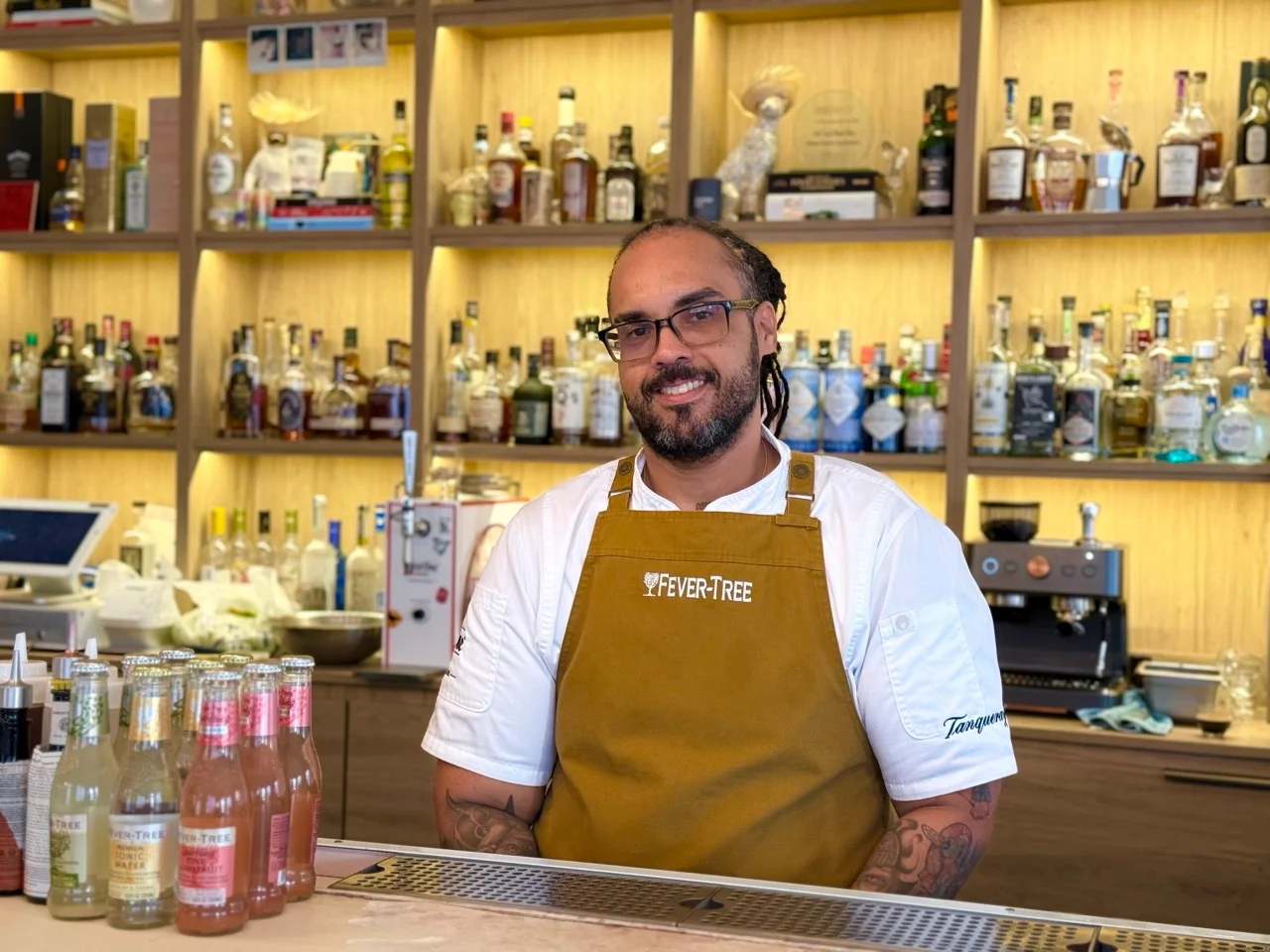
His creations pulse with bold flavors, and above all Puerto Rican ones. "When it's made with something from here, it's made with more love," he admits.
Among the most distinctive cocktails are Los de la Cresta, a mix of Tequila Espolón, Probitas Rum, passion fruit liqueur, passion fruit and vanilla syrup, Granny Smith apple juice, lemon juice, pineapple tincture and salted red pepper air; and Valentín de Roma, which combines Banhez Mezcal, Ancho Reyes, Aperol, strawberry and fresh basil syrup, with lime juice.
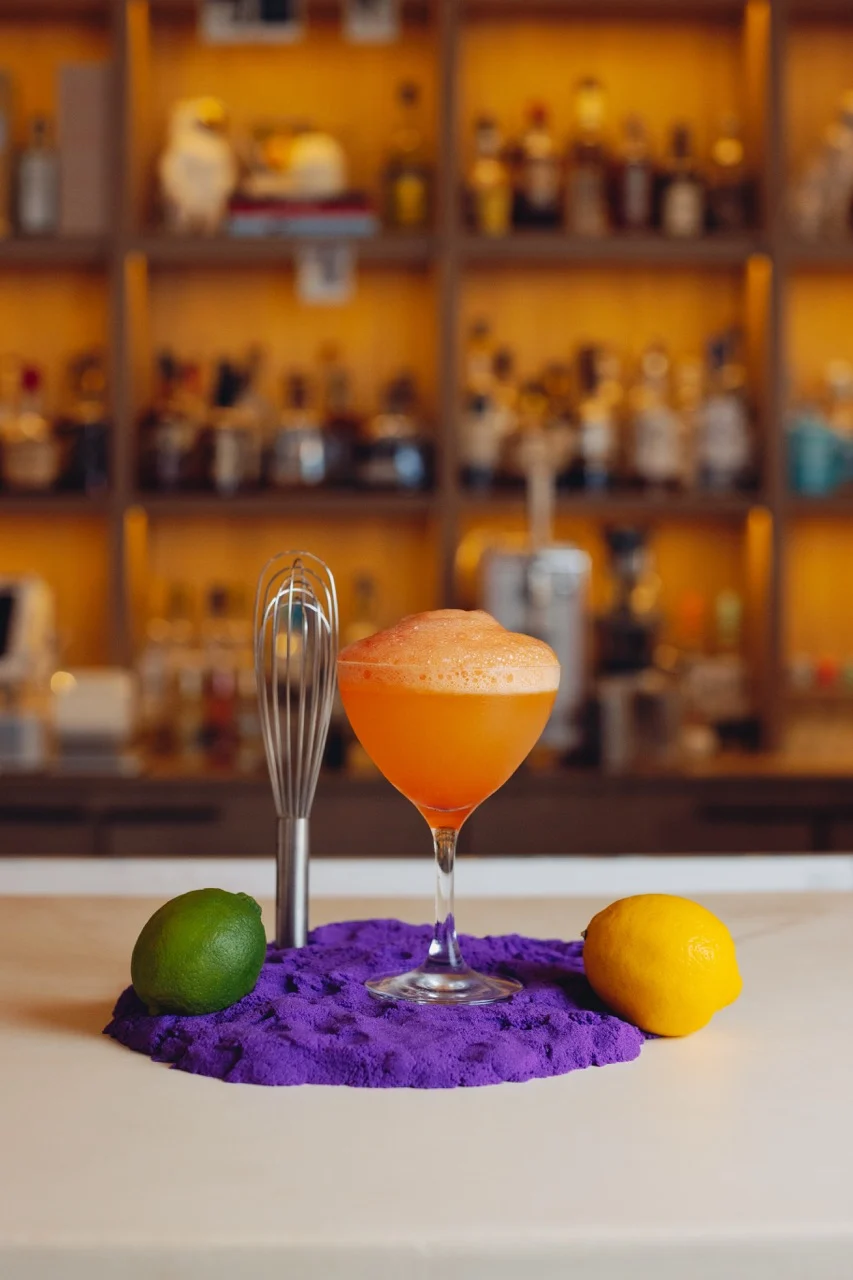
The bar also offers low-ABV options and mocktails.
His inspiration comes from conversations with Díaz, from translating the menu's flavors into liquid form. "Many times I sit down with the chef, read his ideas, and from his ideas cocktails are born," he explains.
This content was translated with the assistance of Artificial Intelligence (AI).