Science is explored outside the classroom, too. Puerto Rico has museums, interactive centers, university collections and community projects where children, young people and adults can learn about fossils, astronomy, biodiversity, technology, environmental conservation, meteorology and more.
Many of them joined together to create the Red de Museos y Centros de Ciencia y Tecnología de Puerto Rico (ReCiTe PR) with the goal of promoting science tourism.
From the legacy of the Observatorio de Arecibo to plant and animal collections at UPR, these spaces offer interactive experiences for looking at the Island, and the planet, from a different perspective.
Here we bring together several science museums and centers in Puerto Rico, with their hours, costs and details you should know before visiting.
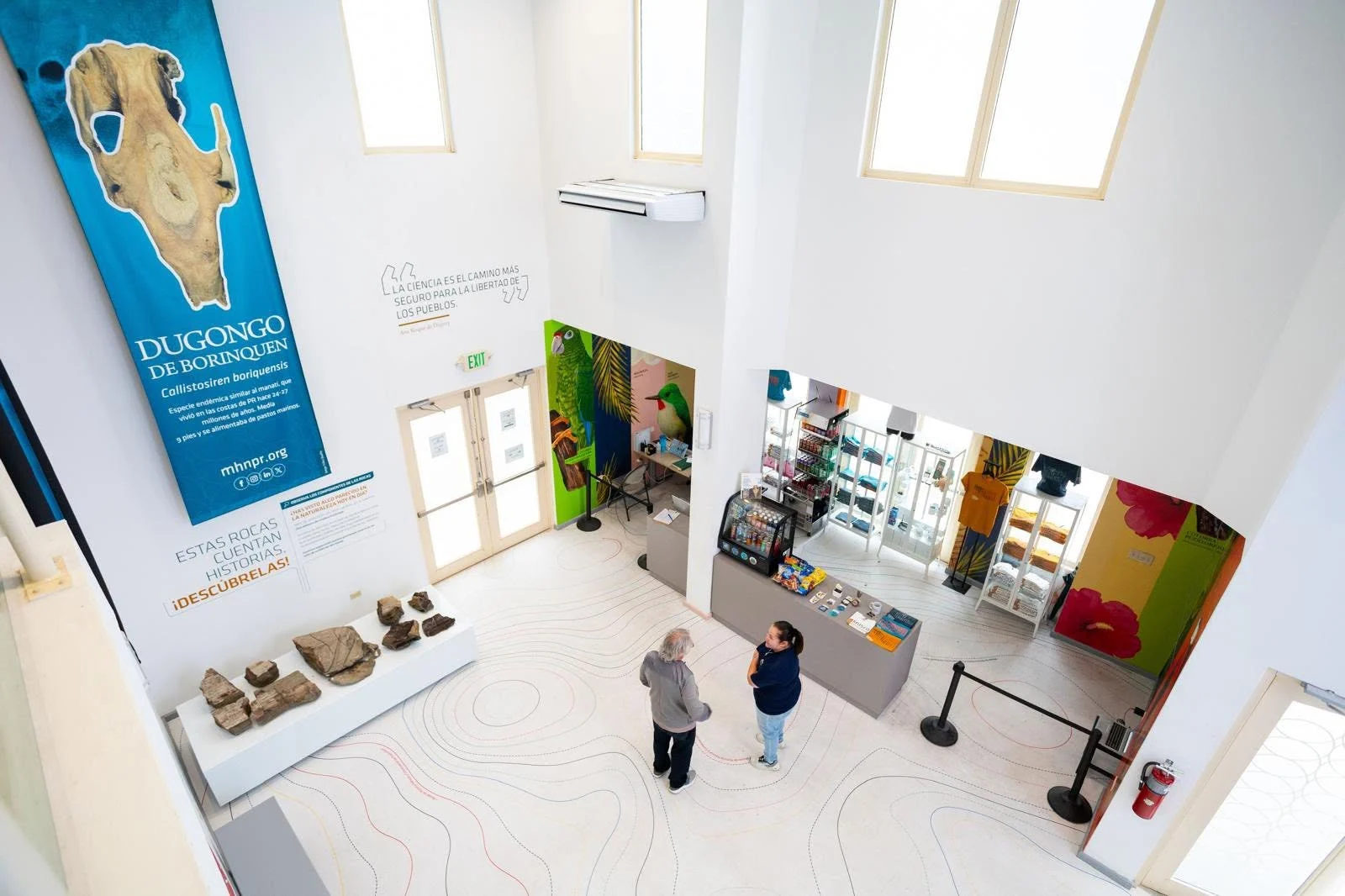
Facebook: Museo de Historia Natural de Puerto Rico
Hours: Wednesday through Sunday, 10:00 a.m. to 4:00 p.m.
Cost: Children ages 4-15 and seniors 65+ $10 | adults 16+ $10 | annual pass $25
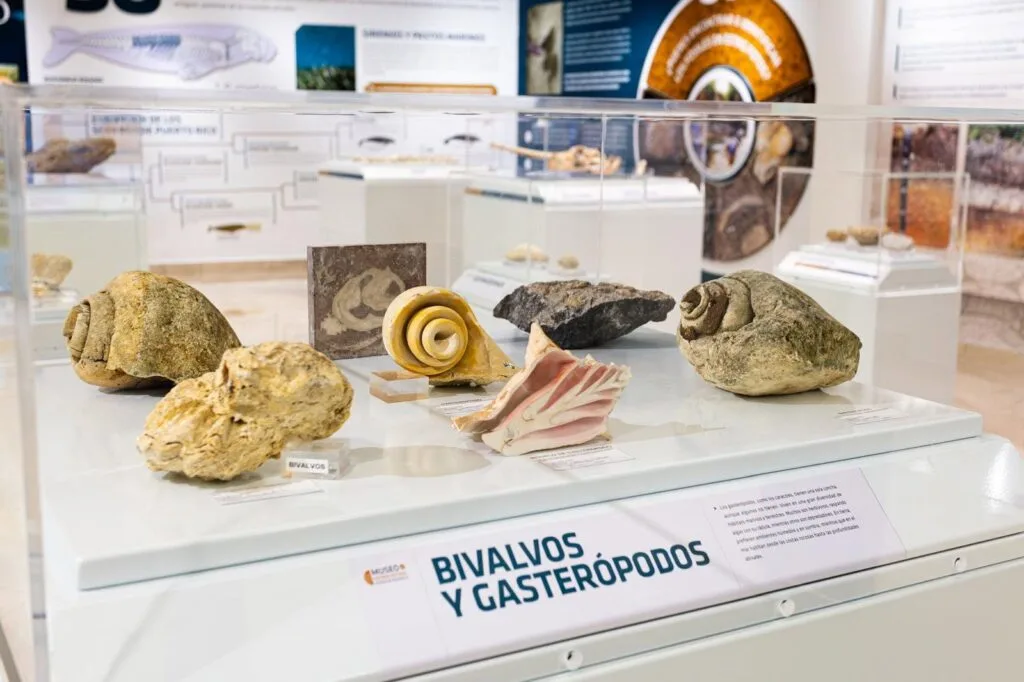
This museum opened in 2025 with the goal of educating visitors about earth and life sciences and showcasing Puerto Rico's unique natural history. You will find a variety of fossils, rocks, minerals and flora spanning 200 million years of natural history of our archipelago, where ancient marine environments gave rise to remarkable terrestrial ecosystems.
Tierra Dinámica is one of the exhibits you can explore, tracing the geological processes and materials that emerged from the evolution of the Puerto Rican archipelago over millions of years.
Flora de Borinquen explores three centuries of Puerto Rico's botanical world, a collaboration with Para la Naturaleza.
Hours: Tuesday through Thursday, 9:00 a.m. to 2:00 p.m. by group reservation; Friday, 9:00 a.m. to 1:00 p.m. by group reservation and 1:00 p.m. to 4:00 p.m. open to the public. Tickets must be purchased in advance online.
Cost: Adults and children 13 and older $5 | children ages 4-12 and seniors 65+ $3 | children under 4 enter free
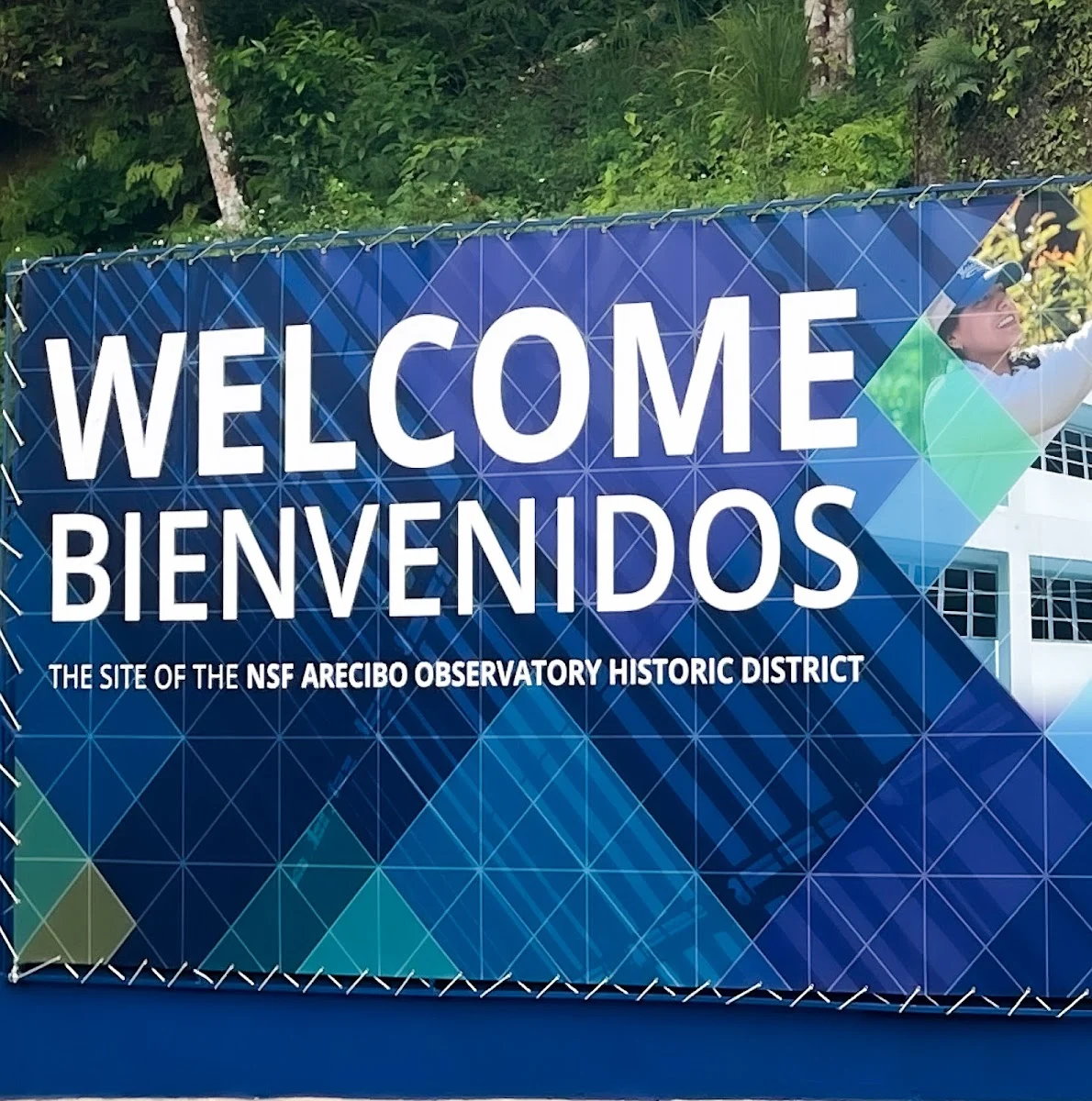
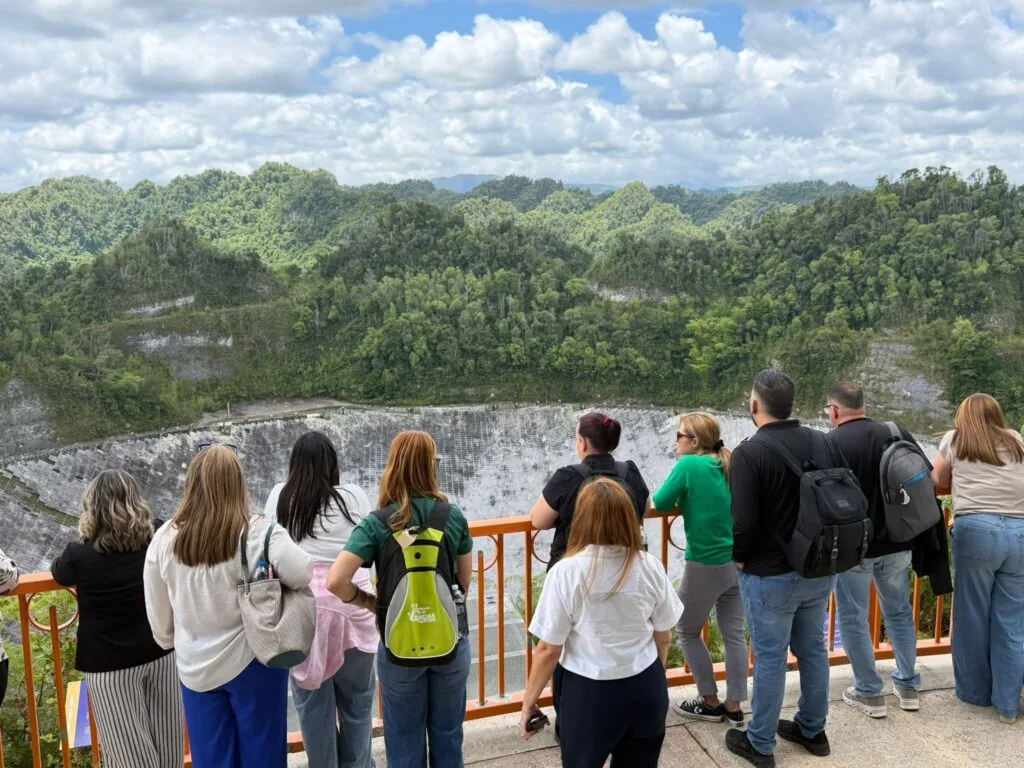
At this space, science, computer science and community come together as a center for discovery and exploration. Located in the Distrito Histórico del Observatorio de Arecibo, the Centro Arecibo para la Educación Científica, la Informática y la Participación Comunitaria (Arecibo C3 or AC3) aims to educate and promote research in science, technology, engineering and mathematics (STEM).
Visitors will learn about the scientific legacy of the Observatorio de Arecibo. They can also take part in workshops, special events and science programs for students aimed at encouraging STEM research.
Hours: Monday through Friday, 9:00 a.m. to 4:00 p.m. for the Herbario; 8:00 a.m. to 5:00 p.m. for the Museo de Zoología
Cost: Free, but reservations are required for all visits
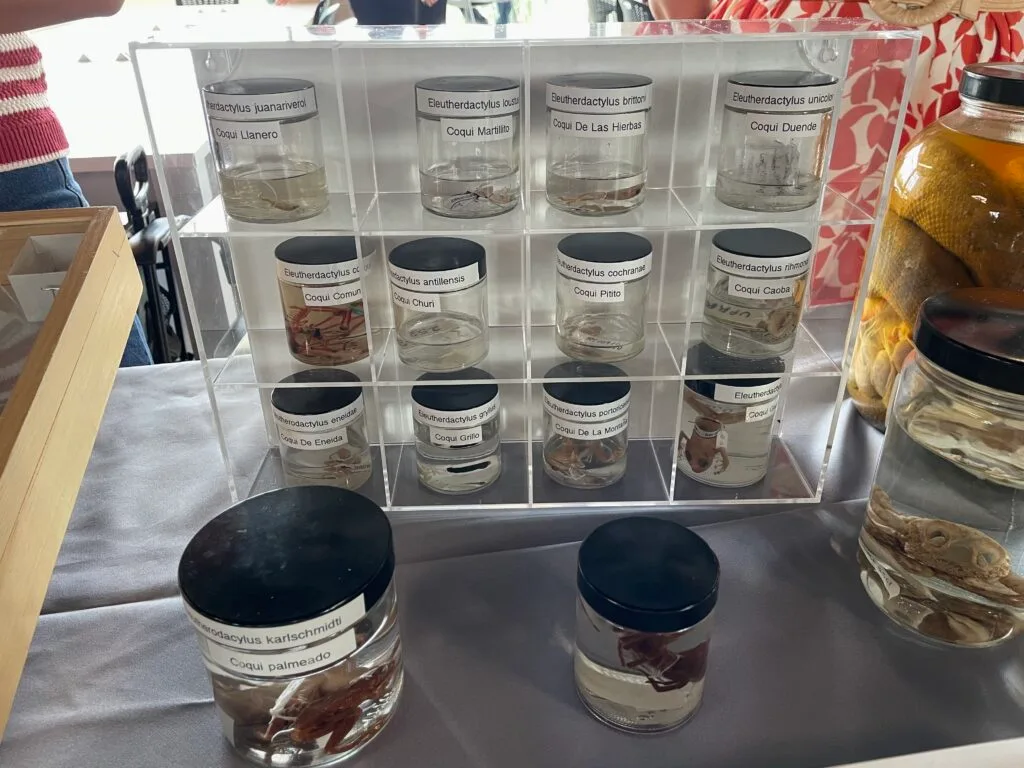
If you are interested in the history of animals and plants, these two science centers at UPR Río Piedras are worth a visit. The Museo de Zoología holds more than 100,000 animal specimens from all taxonomic groups, including fossils, skeletons, skins, and animals preserved dry or in alcohol.
The Herbario de la UPRRP is a research collection housing nearly 70,000 preserved plant specimens, most of them pressed and dried, used as reference material for studies in taxonomy, natural history, ecology, conservation, genetics, ethnobotany, pharmacology and molecular biology. It serves as a reference collection for Puerto Rico and the entire Caribbean basin.
Hours: Thursday and Friday 9:00 a.m. to 5:00 p.m., Saturday and Sunday 12:00 p.m. to 6:00 p.m.
Cost: general admission $29.99 | family combo $80 x 4 persons | special events vary in cost
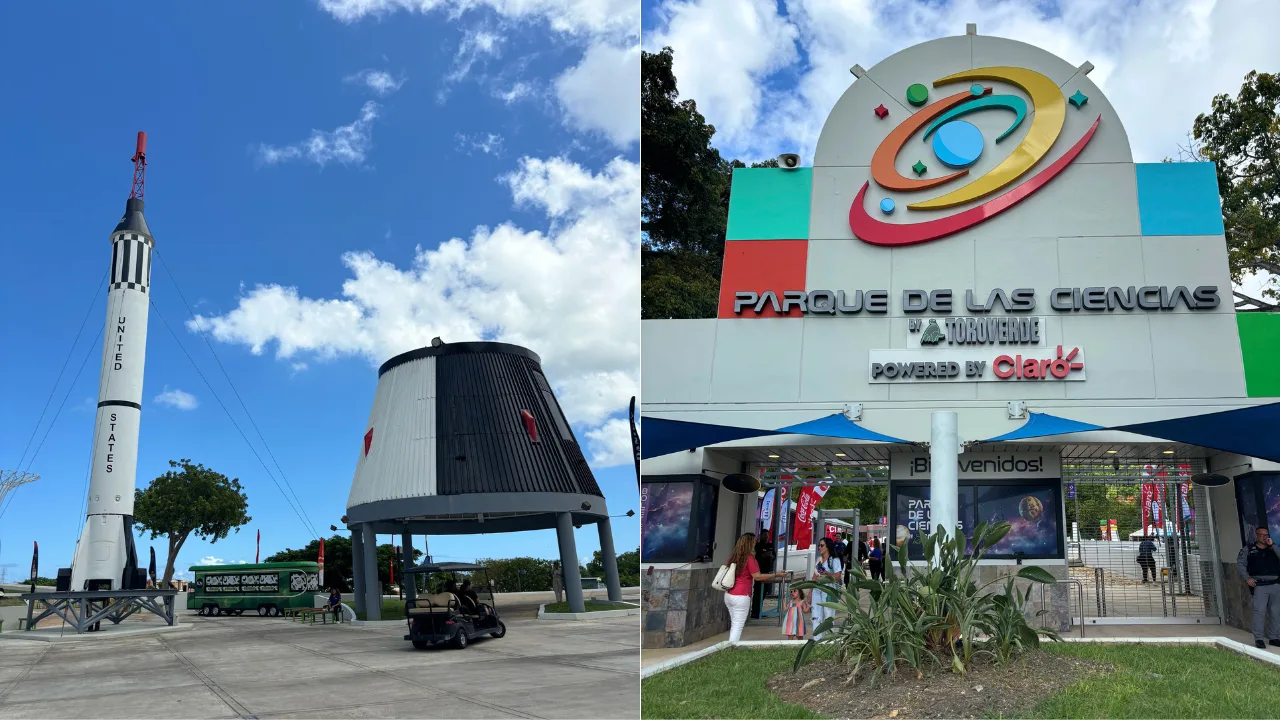
This educational, interactive and recreational space offers a wide variety of exhibits and activities for all ages, with outdoor areas and themed pavilions covering topics such as astronomy, technology, biology and the history of Puerto Rico.
It has a planetarium, an animal sanctuary, play areas, a space museum, a terrarium, a train, an indigenous museum, an art museum, Guinness World Records exhibits and restaurants including El Yunque and Hacienda Angelina. It also holds a variety of events throughout the year, many of them free.
Hours: Monday through Sunday 8:00 a.m. to 3:00 p.m. | The forest is open Friday through Sunday 9:00 a.m. to 2:00 p.m.
Cost: Suggested donation $2 per person at Casa Pueblo | At Bosque del Pueblo, suggested donation $10 for adults and $8 for children, $30 per night to camp at Cerro Mágico
This community environmental self-management project was founded in 1980 and combines conservation, education, culture, solar energy, forest advocacy and sustainable development. It is a key reference point for discussing citizen science, ecology and environmental protection in Puerto Rico.
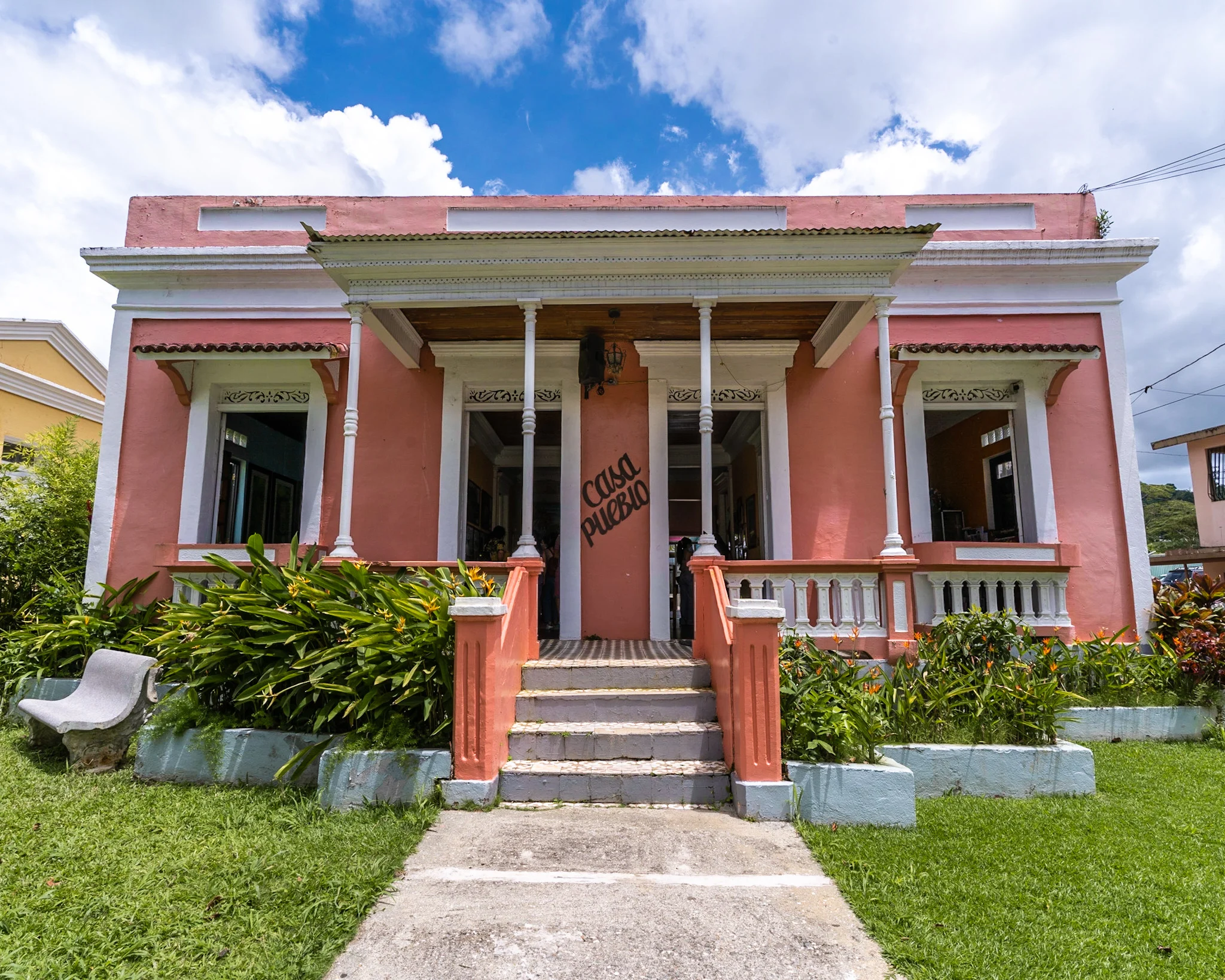
Casa Pueblo is located near the public plaza in Adjuntas and includes a café, an art gallery, a craft shop and gardens.
It runs several projects, among them a solar community initiative, the community radio station Radio Casa Pueblo, and Bosque del Pueblo, an area rescued from mining activity that took place between 1980 and 1995, which today serves as a forest school with 150 cuerdas of land and a variety of native flora and fauna species. It is about 23 minutes by car from Casa Pueblo.
Hours: Wednesday, Thursday and Saturday 9:00 a.m. to 4:00 p.m., Friday 10:00 a.m. to 7:00 p.m.
Cost: General admission $8 + sales tax
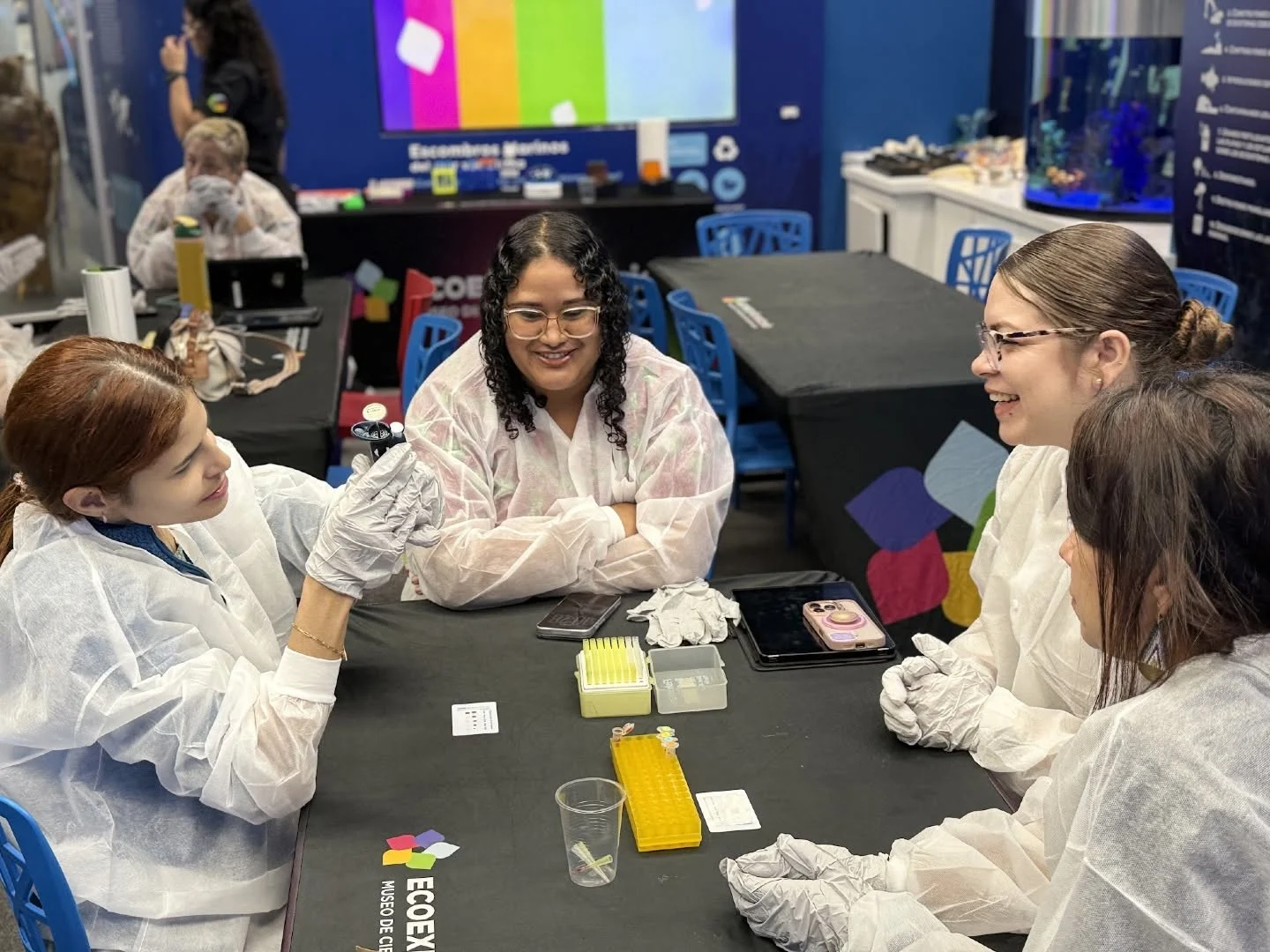
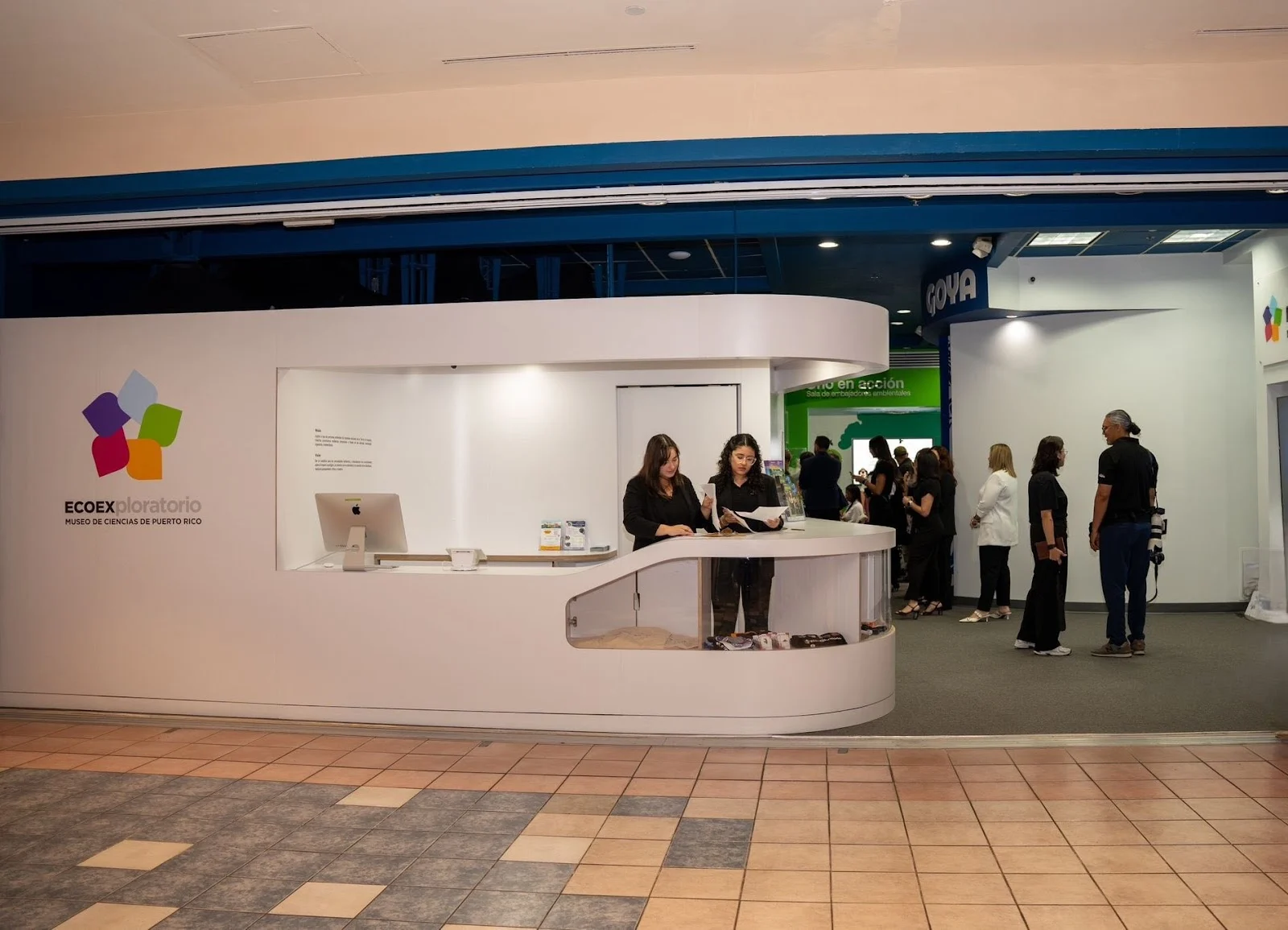
Founded by meteorologist Ada Monzón, this museum focuses on education in science, technology, engineering, mathematics and the environment. Its experiences cover topics such as tropical marine species, the Artemis mission, mosquito-borne diseases in the Caribbean, bioluminescent bays, meteorology, space and STEM careers (science, technology, engineering and mathematics).
Visitors will learn about natural hazards, marine life, astronomy and more.
Hours: Thursday through Saturday 12:00 p.m. to 5:00 p.m.
Cost: Tickets from $17.97
C3Tec is an interactive STEAM (science, technology, engineering, arts and mathematics) center for children, young people, families and school groups. It promotes scientific and technological culture through exhibits, laboratories, documentaries, workshops and educational programs, a space where visitors of all ages actively take part in scientific experiences.
Nuestros Cuerpos, Nuestra Isla y Nuestro Planeta is the name of the permanent exhibit, made up of four zones where visitors will learn about biology, sustainability, physical systems and more.
Cover photo: Young visitors enjoy a day at EcoExploratorio (Photo via Facebook: EcoExploratorio: Museo de Ciencias de PR)
This content was translated with the assistance of Artificial Intelligence (AI).