Lighthouses have a captivating appeal, both for the history they carry and for the aura of mystery attributed to them in films. Each lighthouse stands out for its location in isolated areas with good visibility of the sea.
Puerto Rico has had several since 1869, the year the Spanish government approved the first plan to serve ships navigating nearby waters. Norma Castaldi, in her book Los faros de Puerto Rico (ICP, 2013), explains that the terrain's topography, atmospheric conditions and the recommended type of lighthouse were all taken into account when selecting locations.
Here is a guide to help you learn a little more about them, where they are, and consider visiting them on your next trip around the Island.
North Zone
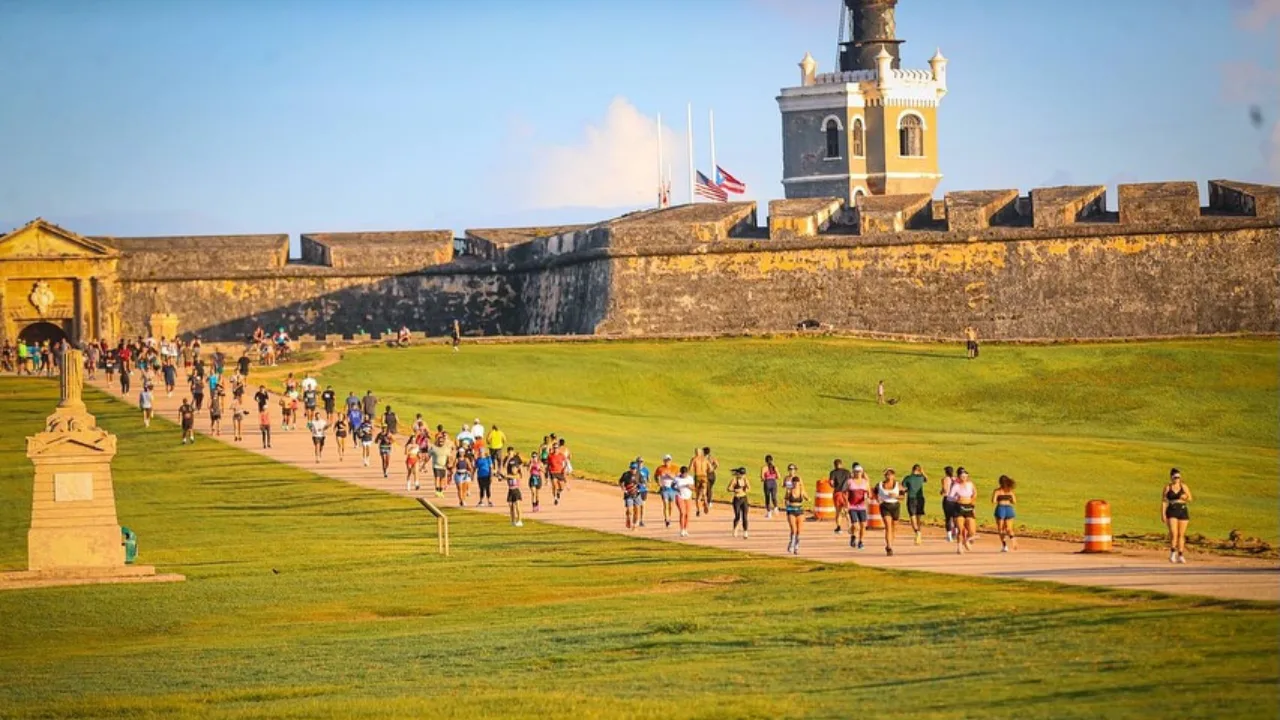
From flying kites on its grounds to taking photos on top of the cannons, many memories have been made at Castillo San Felipe del Morro. But did you know it is home to the oldest lighthouse in Puerto Rico? It has existed since 1846 and was rebuilt three times, in 1876, 1899 and 1908. Today, El Morro is part of the San Juan National Historic Site.
South Zone
Despite being uninhabited, the small island of Caja de Muertos, south of Ponce, has its own lighthouse. According to the Library of Congress, it was built in 1887 as a third-order lighthouse and rises starkly at the highest point of a rocky, arid island whose name describes its natural coffin shape. The structure also has an unusual double-arm "T" shape in the form of a Lorraine cross, which makes it unique within the lighthouse system.
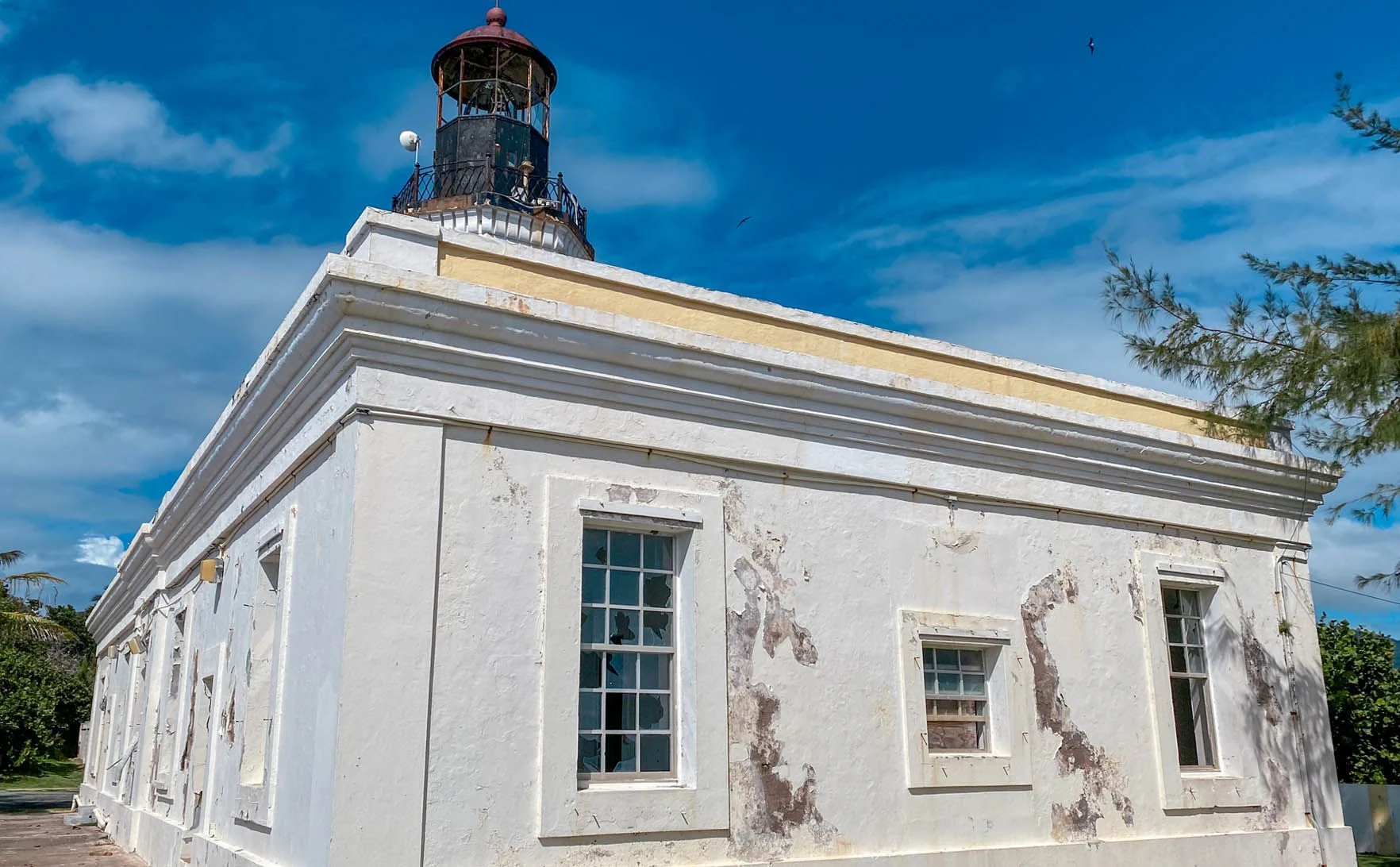
Built in the 1890s, the Punta Tuna lighthouse in Maunabo allowed the Spanish government to serve the southeastern coast of Puerto Rico from atop a small peninsula. The lighthouse park is currently open Wednesday through Sunday, 9:00 a.m. to 4:00 p.m.
East Zone
This lighthouse was built by don Juan Puig Cerber in 1895 on a hill north of the town of Isabel Segunda, in Vieques. Today, following a restoration in 1992, it is a small museum displaying a collection of artifacts and photographs that tell the history of La Isla Nena. It also serves as a lookout point and a venue for events and gatherings.
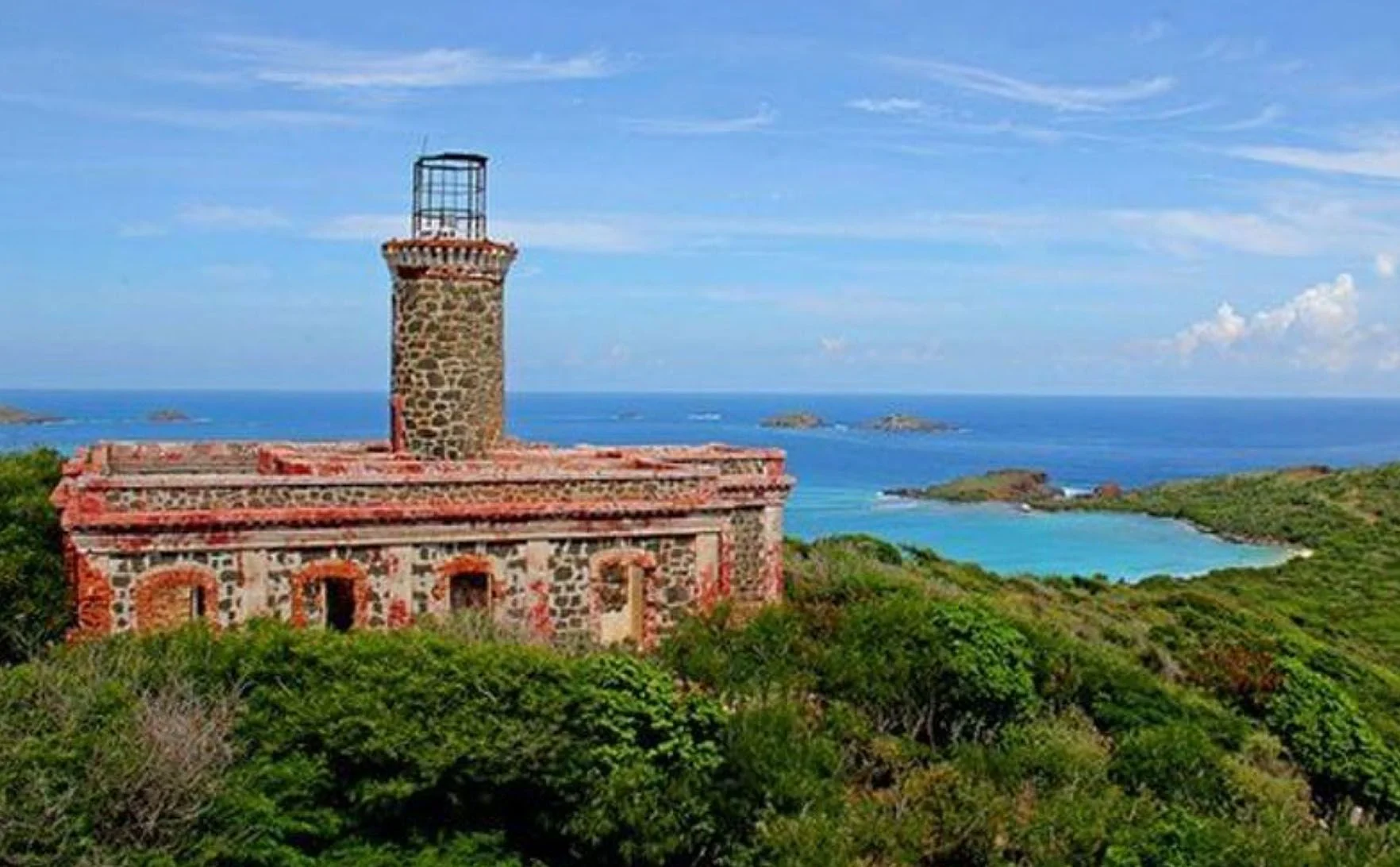
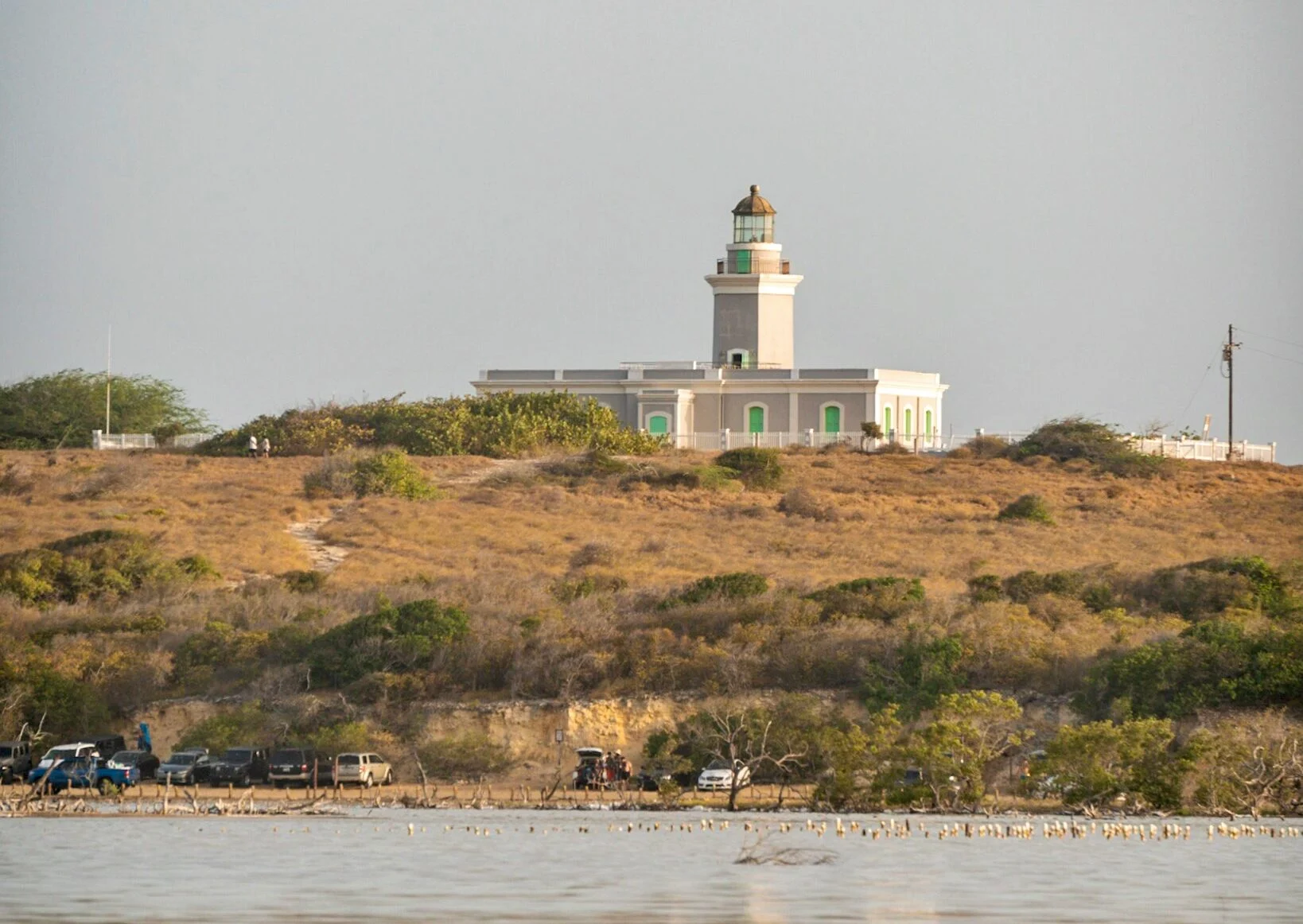
El Faro Culebrita was lit for the first time in 1886. Spanish engineer Manuel Maese Peña worked on two versions of the lighthouse in 1881 and 1883 and used, for example, stones from the island of Culebrita itself in its construction. Today, Para La Naturaleza is overseeing a restoration project for El Faro Culebrita, with the goal of creating a visitor and research center with educational and recreational opportunities.
West Zone
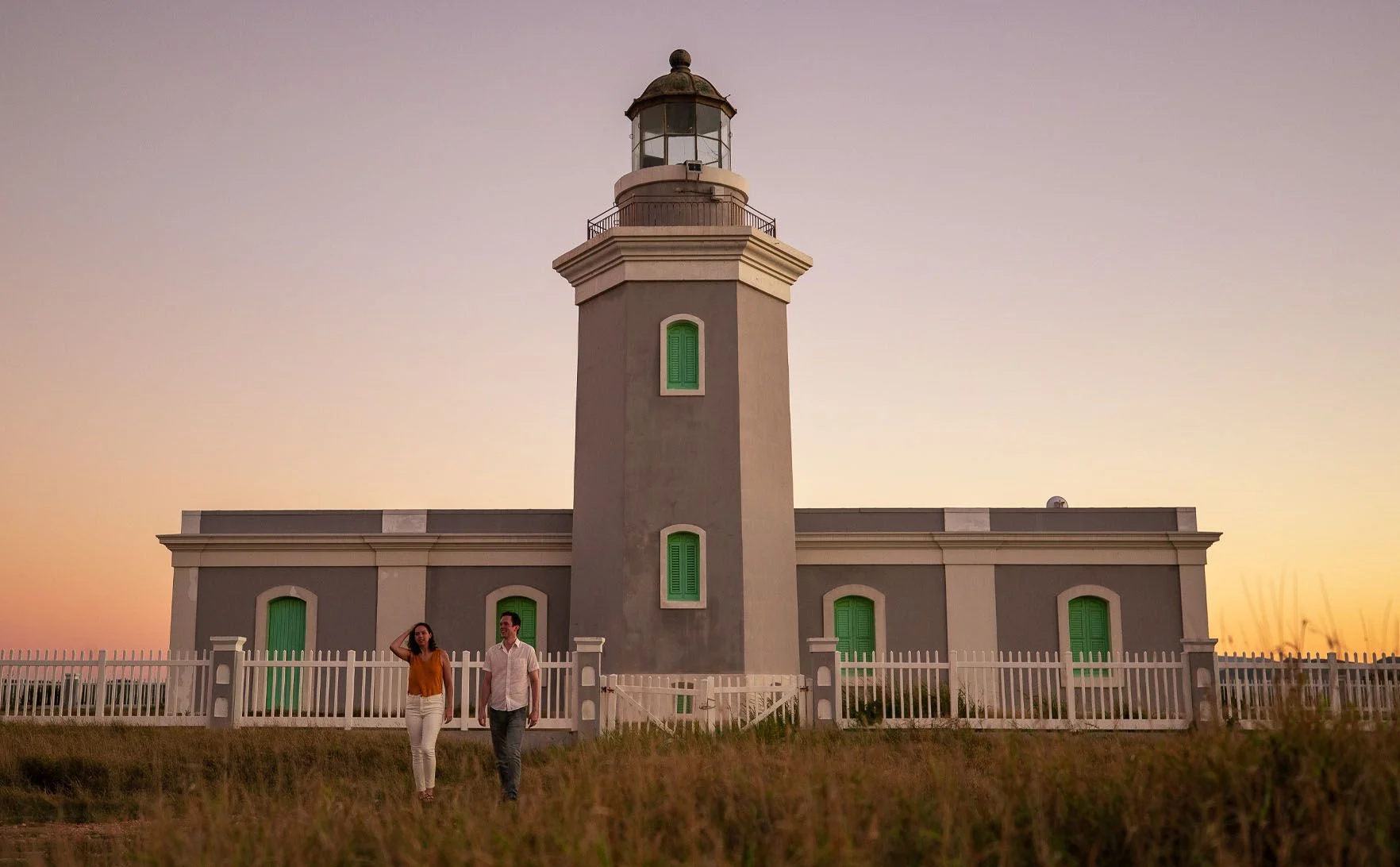
Located in the Llanos Costa sector, Faro Los Morillos was built in 1877 and took six years to complete. It was designed by Spanish engineers Manuel Maese Peña, E. Gadea and M. Sainz, and provided housing for two lighthouse keepers and their respective families. The lighthouse is part of Puerto Rico's maritime lighting system and, in 1981, was added to the National Register of Historic Places by the U.S. Department of the Interior.
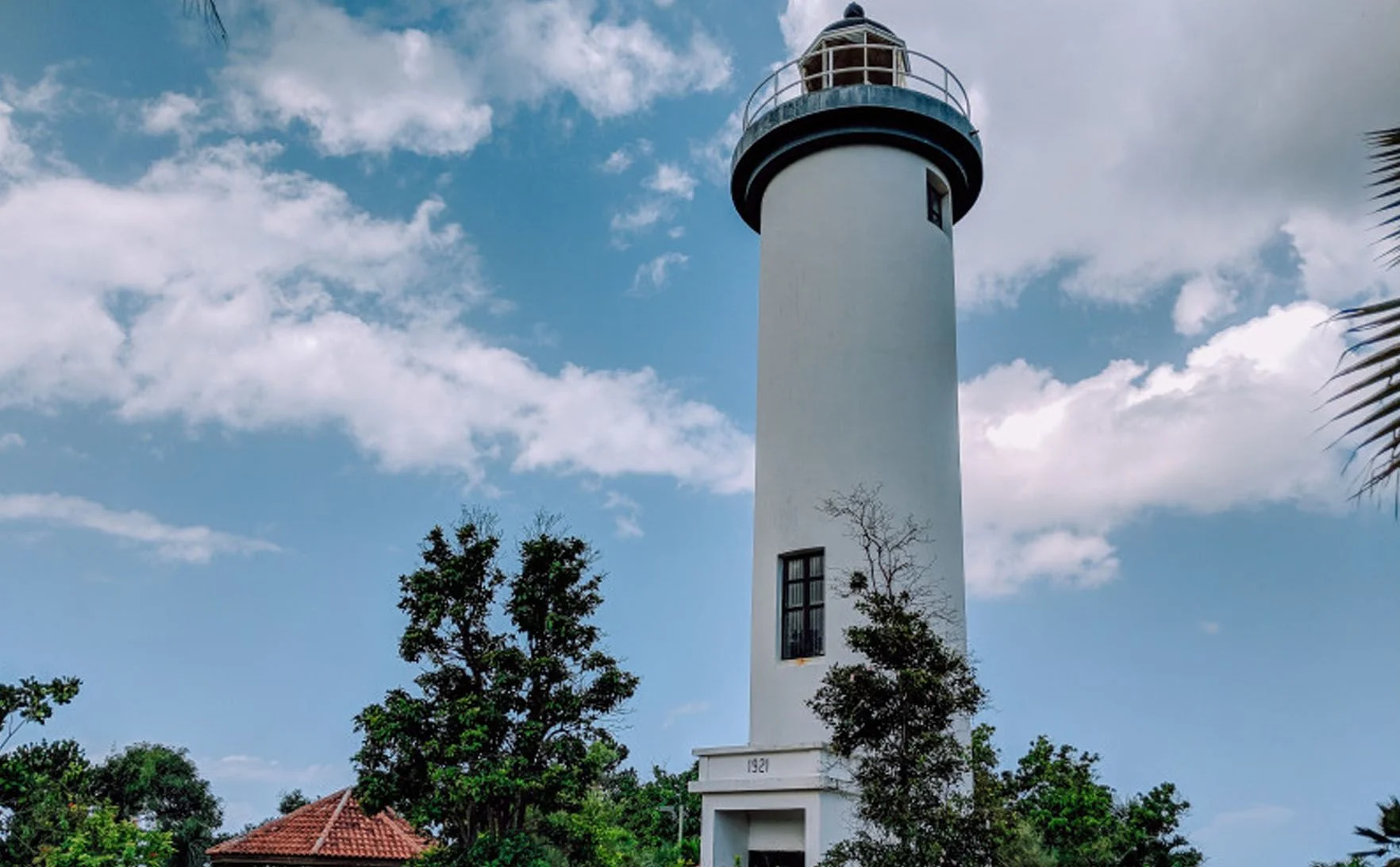
It was built in 1892 to cover the gap between the lighthouses at Punta Borinquen and Cabo Rojo. It was destroyed on several occasions, including in 1918 as a result of an earthquake. At first, the light was produced by candles and later by oil. By 1959 it ran on batteries. Starting in 1993, the lighthouse became a passive park with a maritime museum, a cafeteria, bohíos and a lookout point for watching whales and Isla Desecheo.
Faro de la Isla de Mona
The Isla de Mona lighthouse is the largest lighthouse in Puerto Rico and the only one built of iron and steel. Construction began in 1888 and was completed between 1898 and 1900. The twelve-sided lantern was activated by a clock mechanism. An electric mechanism was installed in 1938, and by 1973 it had an automatic system. The lighthouse ceased operations in 1976, however.
Light up your curiosity
Each lighthouse has its own history, design and particularities. Although not all of them still operate the same way, they are a reminder of our past and carry a legacy worth learning about and preserving.
This content was translated with the assistance of Artificial Intelligence (AI).