What do a corsair who haunts a chapel and a dog turned to stone have in common? They are part of Puerto Rico's rich universe of legends: stories where the real intertwines with the fantastic, where forbidden loves bloom between enemy worlds and where wandering spirits inhabit garitas, mountains and streams across the Island.
These stories, found in every corner of the Island, are more than simple tales. "A legend gives you a life story and gives it action, it often personifies it in a human being, in a person, and I think that's part of why legends sometimes carry even more weight than history itself," archaeologist and historian Miguel Rodríguez López told Platea.
But what exactly is a legend? Rodríguez López defines them as "stories and narratives that people create, where they combine real history, the chronology of events, always with something fantastic." They are, he says, what brings life to the cold documents of official history.
Every corner of Puerto Rico has legends, both regional and national. The professor has collected several of them through his students for his forthcoming book, "Leyendas del Turabo."
Here are 15 of those legends and other popular stories from the Island.
Miguel Enriquez, la leyenda de Toa Baja
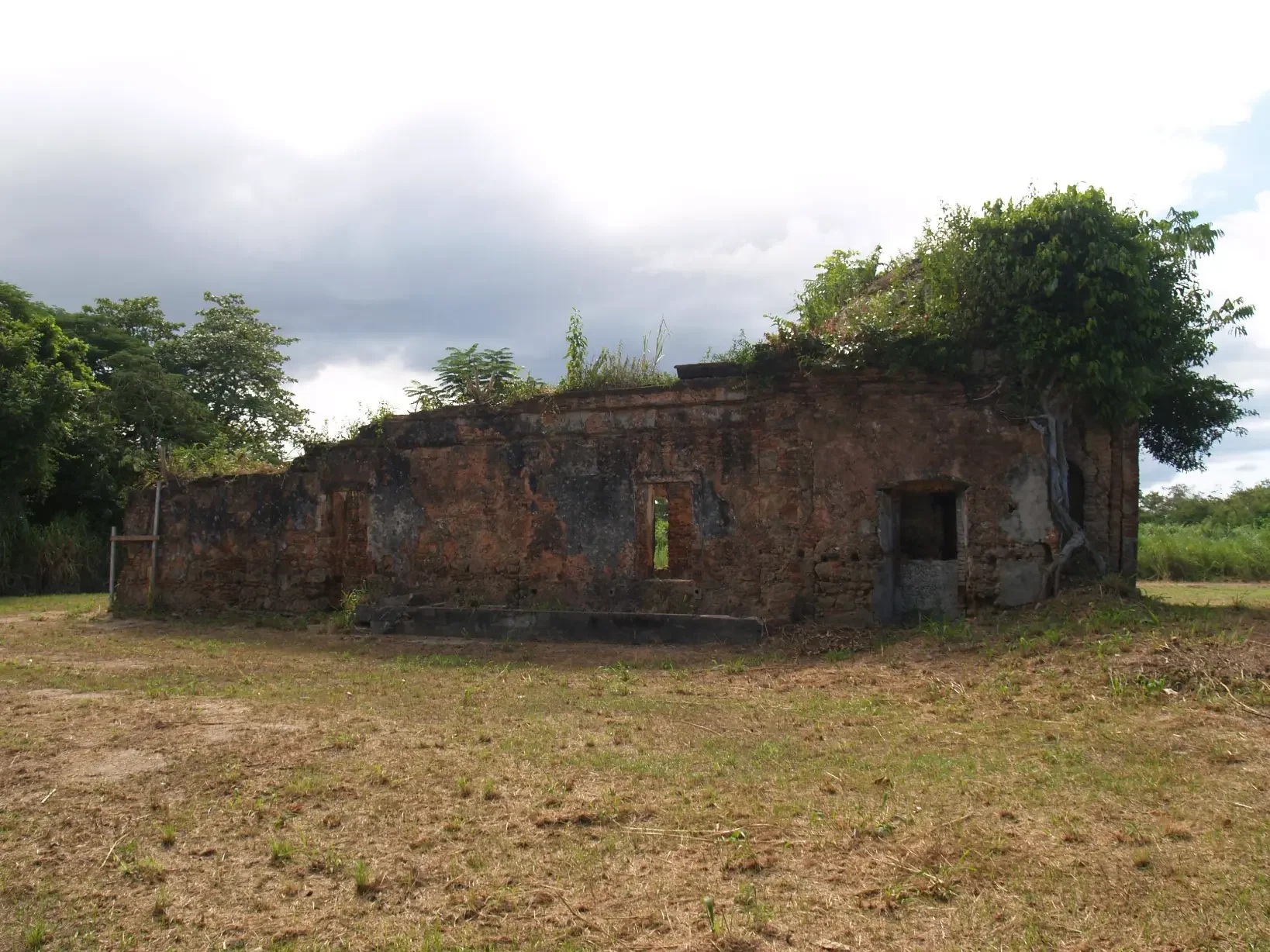
Ruins of the Ermita Nuestra Señora de la Candelaria del Plantaje, in the barrio Sabana Seca of Toa Baja. (Colección Registro Nacional de Lugares Históricos/Fundación Luis Muñoz Marín)
Every February, when candles flicker in the old chapel of the Virgen de la Candelaria in Toa Baja, the faithful gather to honor her. But beneath the prayers and hymns lives a story few dare to whisper: that of the corsair who never left.
Miguel Enríquez was not born into fortune. He was a dark-skinned criollo, a shoemaker first and a leather tanner after, who knew hunger and hardship. The dusty streets saw him trading in contraband goods.
From a dealer in shadows he became a corsair captain, commanding vessels that crossed the Caribbean under his flag. His bold actions against Spain's enemies raised him to become one of the most powerful criollos of the 18th century. He accumulated land, properties and wealth. Among his most prized possessions was the Candelaria chapel, where his soul, they say, still roams.
The faithful insist that the spirit of Miguel Enriquez appears in the chapel, that everyone sees him, and that in that moment the lights go out. Moments later, they hear the echo of Enriquez's horse galloping through the shadows.
"It's a fantasy, but it also tells you about the country, it tells the country's history," historian Rodríguez López pointed out.
El perro de San Gerónimo
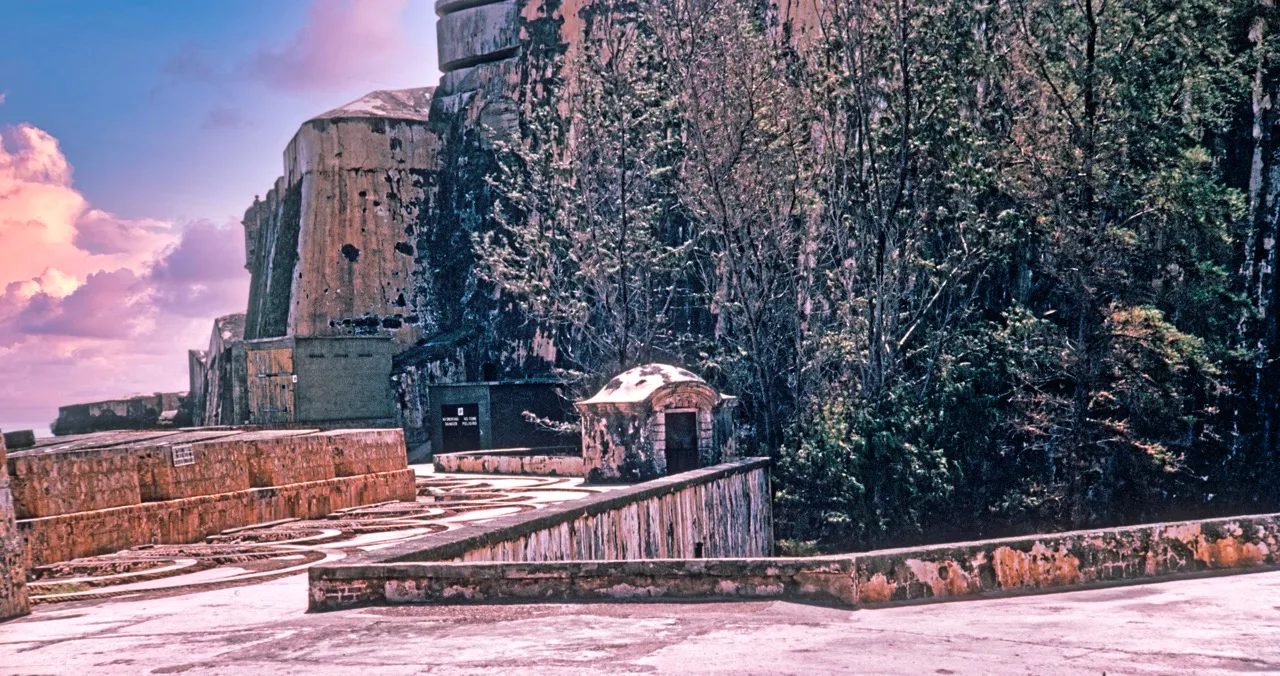
Fortín San Gerónimo in 1960. (Getty Images)
In front of Fortín San Gerónimo, there was a curiously shaped rock that San Juan residents knew well.
The legend tells of a humble fisherman who went out to sea every morning while his dog waited for him on the shore. This went on for years, until one day the sea took the fisherman away for good.
The dog kept going to the same spot, waiting for him every day. Months passed, and one morning people found a rock shaped like a curled-up dog, looking out toward the sea. They say the dog waited so long that it turned to stone.
The rock stood there for generations until a powerful surge erased it. Even so, the people of San Juan still remember the dog that became a symbol of loyalty.
According to the historian, this legend has been known since the early 20th century. "Even the people at the old Hotel San Gerónimo would patch (the rock) with cement when the sea wore it down a bit," he added.
Leyenda de origen taíno: Guanina, la montaña de la india
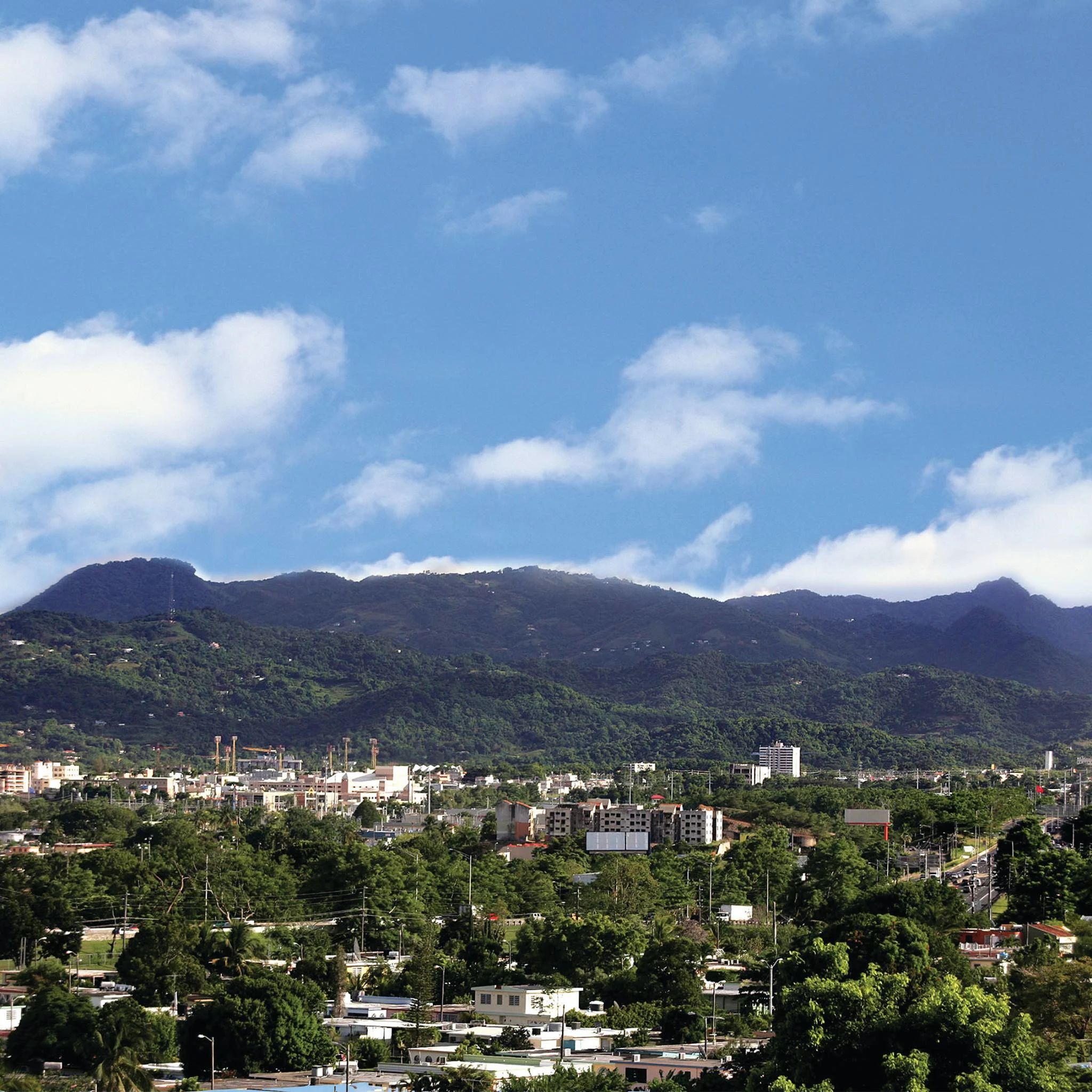
View of the municipality of Caguas (Captura Visita Caguas)
Guanina was a woman of incomparable beauty, sister of the great cacique Agüeybana. Her heart, however, did not belong to her people but to a light-eyed conquistador: Cristóbal de Sotomayor.
It was an impossible, forbidden love, flowering in secret between two worlds destined for war. When the winds of indigenous rebellion began to blow and war drums echoed through the mountains, Guanina learned the exact date her people planned to attack the Spanish.
Torn between loyalty to her blood and the love consuming her soul, she made the decision that would seal her fate: she ran to warn Cristóbal, begging him to flee before it was too late. But neither her courage nor her sacrifice could save him.
Taíno warriors caught up with Sotomayor and killed him on the road. When they discovered it was Guanina who had warned him, they sentenced her to death as well.
Today, in the barrio Bairoa of Caguas, the silhouette of "La Montaña de la India" rises, where Guanina's profile rests eternally, gazing at the horizon, perhaps waiting for a reunion that will never come.
The legend of Guanina and Cristóbal de Sotomayor is one of the best-known in Puerto Rican folklore, but several versions of this tragic love story exist. Some accounts say the lovers were buried together after their deaths; others say Guanina died first, stepping in to protect Don Cristóbal during the confrontation. The version presented here was provided by archaeologist Miguel Rodríguez López.
Leyendas Criollas: El pozo de Jacinto, el río Sana Muertos, el tunel de Guajataca
a. El Pozo de Jacinto
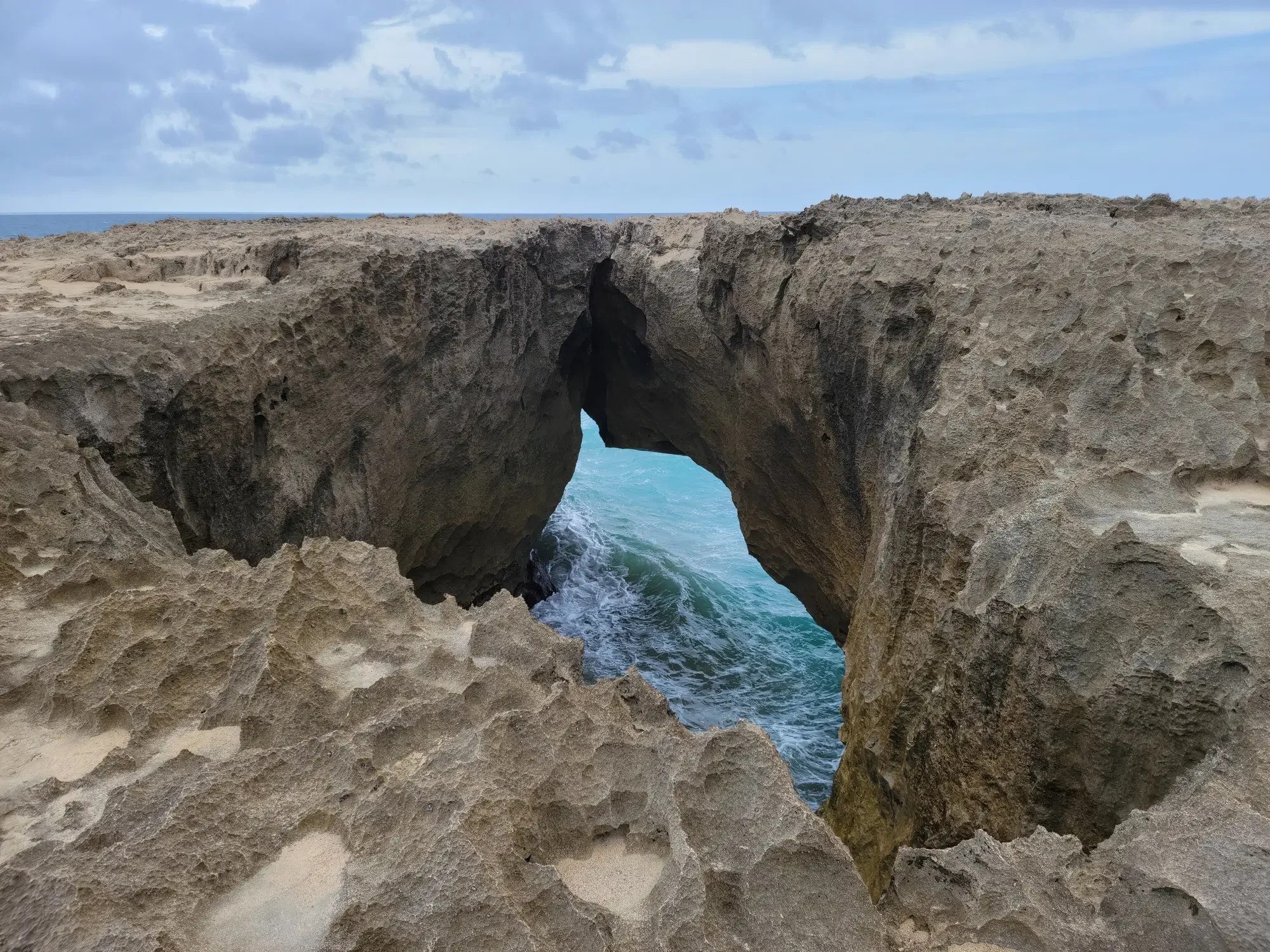
Pozo de Jacinto, at Playa de Jobos in Isabela. (Getty Images)
Bad Bunny's new album, "Debí tirar más fotos," is full of Puerto Rican references. One of them can be heard in the track "Weltita," when Chuwi's vocalist calls out to Jacinto, a character from the legend surrounding the well known as Pozo de Jacinto, at Playa de Jobos in Isabela.
The story goes that there was a farmer named Jacinto who, while leading his cows to graze in the area, had one of them tied to his waist when it was startled by thunder and bolted, falling into the well and taking Jacinto with it. Another version of the legend, with the same sad ending, says the cow wandered too close to the well and both the cow and Jacinto fell in.
When you visit the well, don't forget to shout "Jacinto, dame la vaca," a phrase that goes with the legend. It must be said in Spanish, because Jacinto did not speak English.
b. El Río Sana Muerto
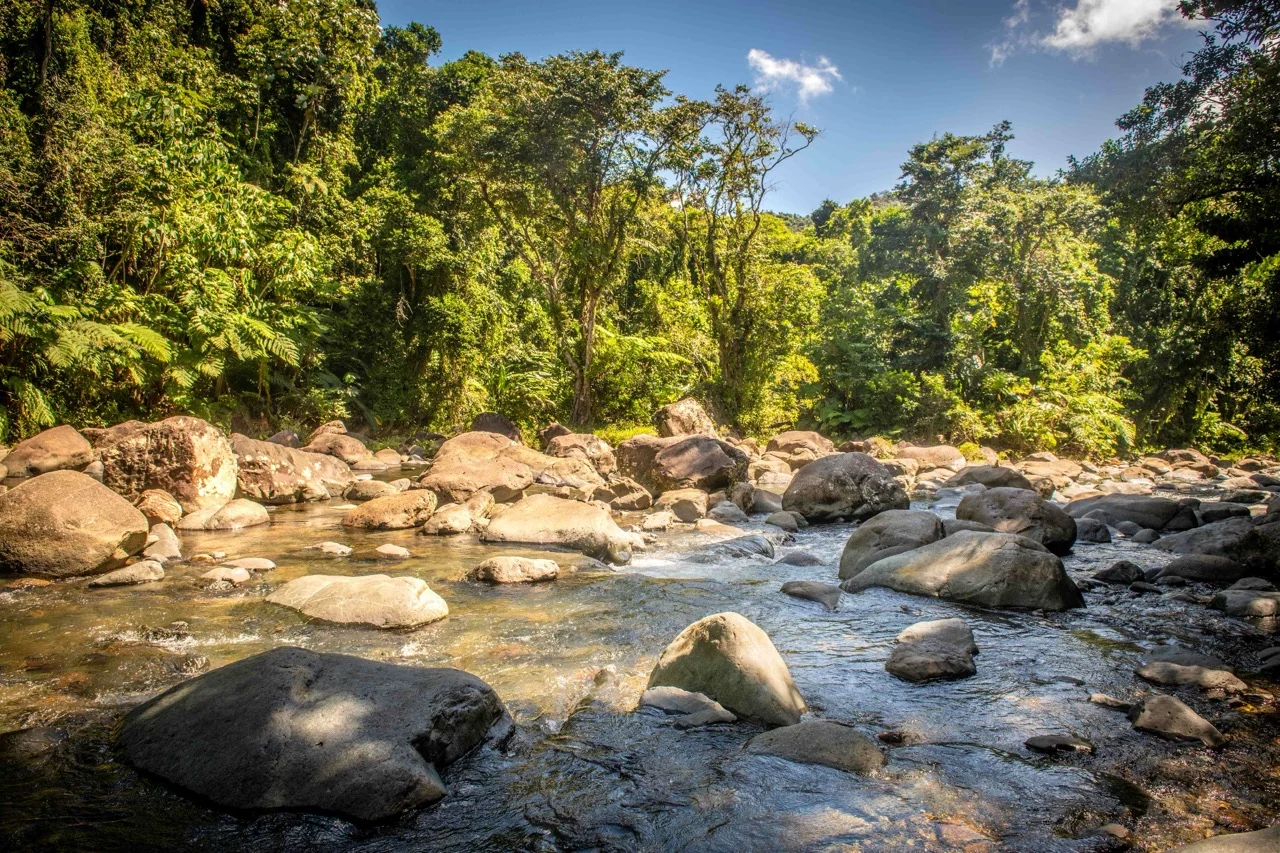
The legend holds that the river has special healing properties. (Getty Images)
El Río Sana Muerto, which runs through the towns of Morovis and Orocovis, is the source of a rural legend that goes back decades. People from Orocovis tell that, when there were no roads in Puerto Rico, a group was once carrying a coffin to a burial. On the way to the cemetery, one of the pallbearers slipped and the coffin fell into the river. The box broke apart and the body landed on the rocks.
The legend then holds that the dead man suddenly came back to life and called out for help. Everyone fled in panic, but he was eventually helped by people who did not know him. Since then, the legend says the river has special healing properties.
Today, in Morovis, the area is known for one of the most impressive waterfalls on the Island: Cascada Sanamuertos.
c. El Túnel de Guajataca
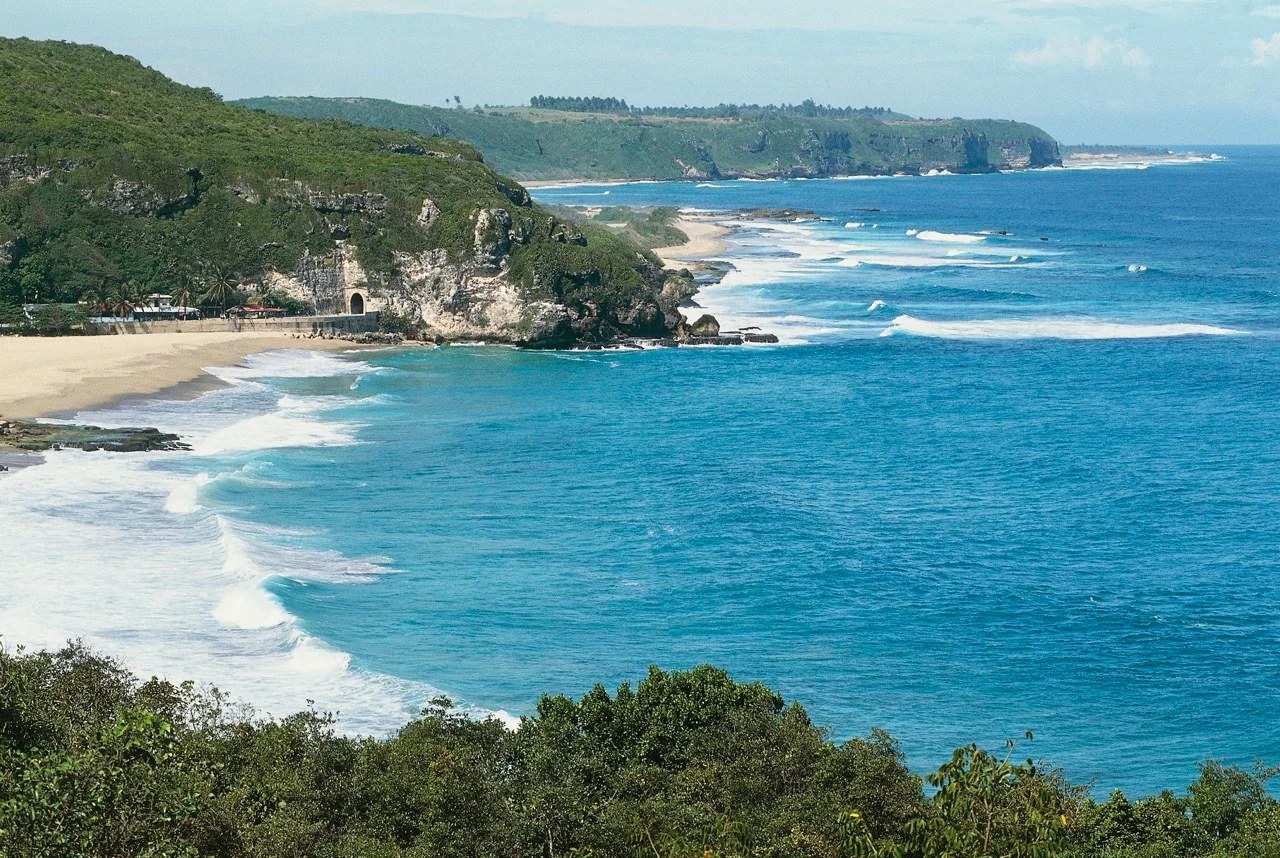
View of El Túnel de Guajataca. (Getty Images)
This tunnel was part of Puerto Rico's railroad system, which ran across the entire Island. The legend holds that, during the early decades of the 20th century, an accident occurred that killed dozens of passengers. Since then, people from Isabela and Quebradillas say they can hear the voices of the victims when passing through the tunnel at night.
In recent years, efforts by local organizations have revitalized the tunnel to highlight its historical value and turned it into a tourist area. If you want to learn more about the history of the rail system in Puerto Rico, you can visit the Museo del Tren in Isabela, which was part of those efforts.
La Garita del Diablo
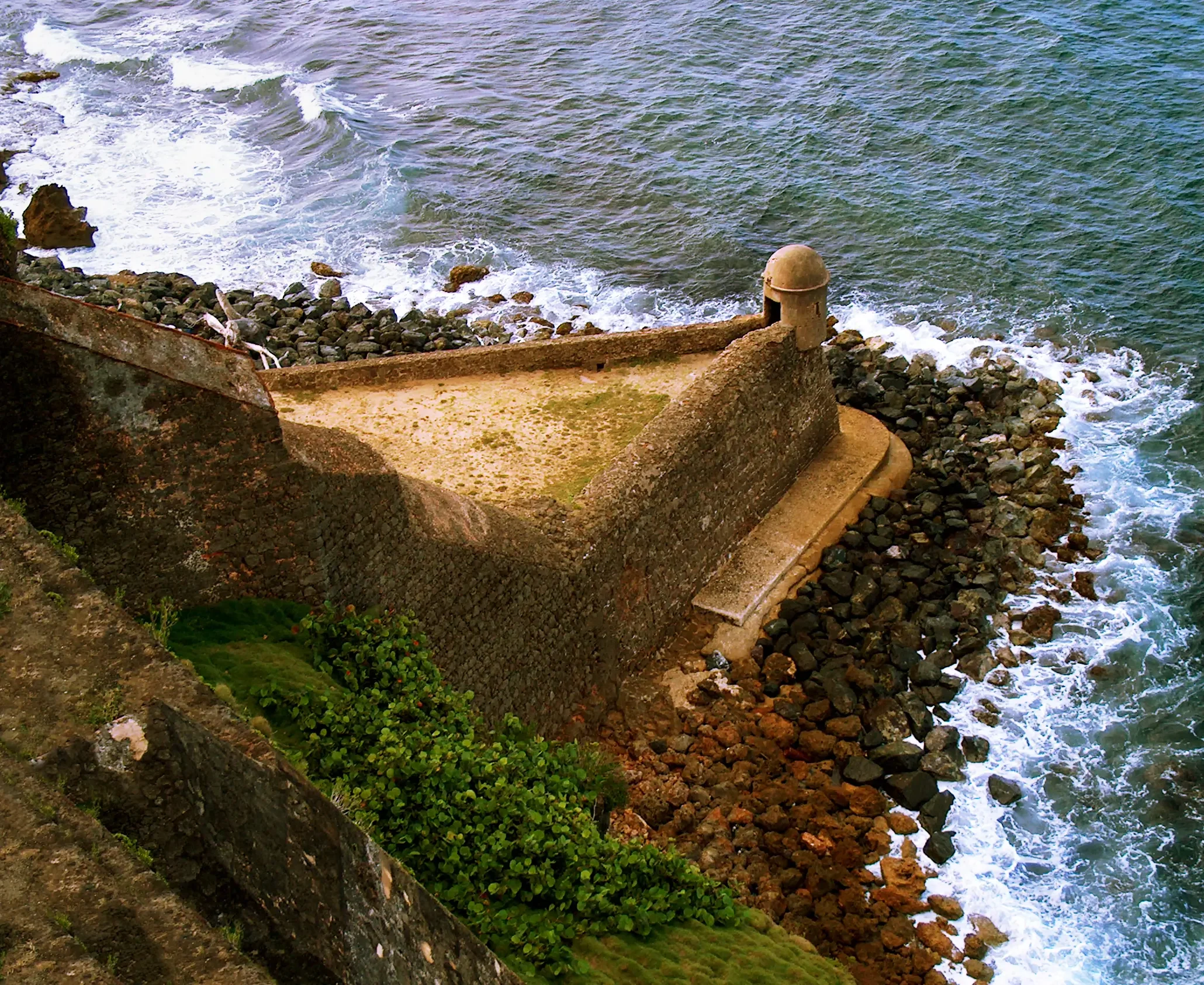
La Garita del Diablo at Fortín San Gerónimo. (Getty Images)
During the 17th century, guards of the Spanish Crown protected the city from attacks from fortifications known as garitas (sentry boxes). Legend has it that one night, during heavy surf, a sentinel never answered his companions' routine call. No guard dared check the garita, and at dawn the soldiers found only a uniform and a weapon, with no other trace of the sentinel.
Guards are said to have attributed the disappearance to the devil having taken him.
Those who want to see the famous Garita del Diablo can visit the Fortín del Espigón at Castillo San Cristóbal.
According to the archaeologist, some legends represent living expressions of Puerto Rico's historical heritage. Among the most popular are those with Indigenous, European and African roots: "Many deal with Indigenous themes, going quite far back in history; we also have those from the African heritage (…). Then we have the European heritage and others like that of the Pozo de Jacinto, which comes from Creole people."
Legend of African origin: Mongo, the misunderstood slave
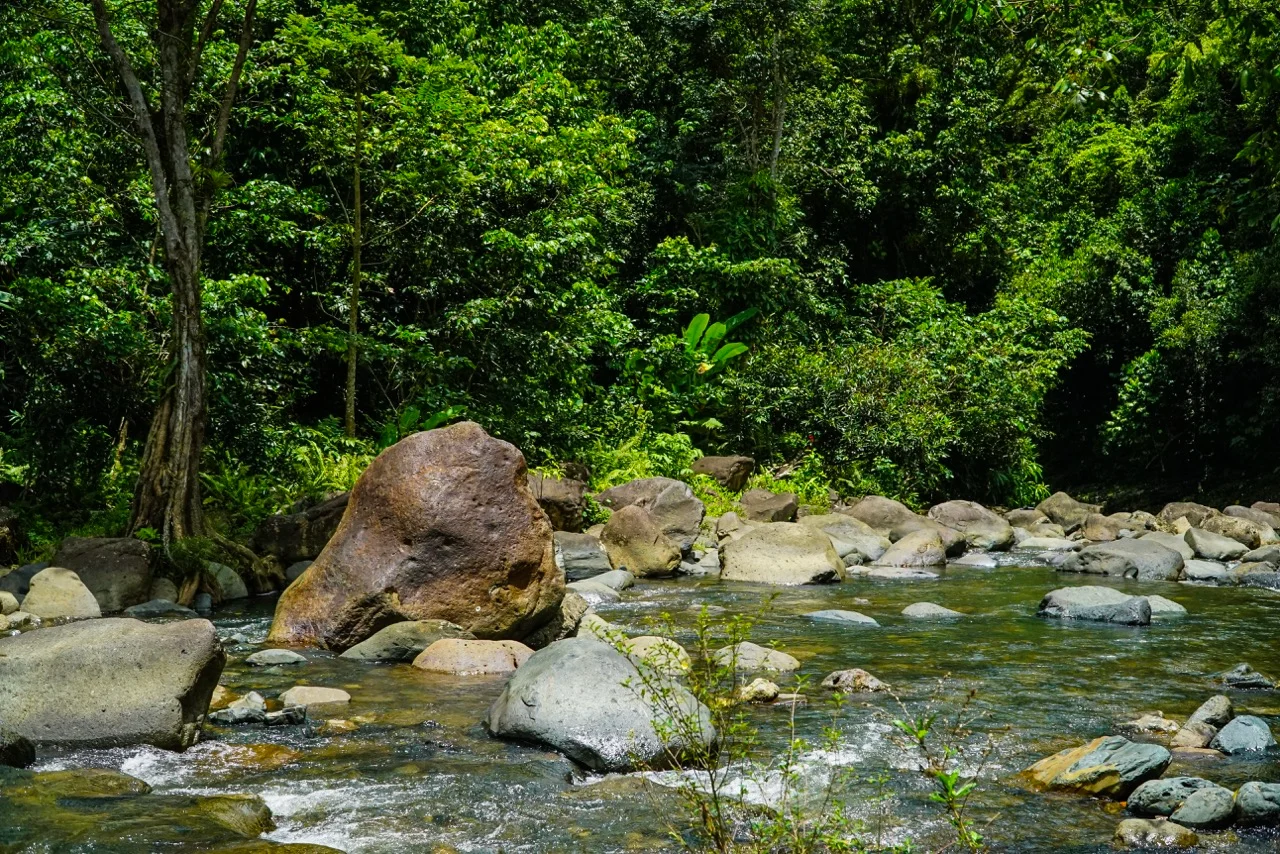
According to the legend, the spirit of Mongo became trapped. (Getty Images)
A father used to go fishing with his children at a quiet stream in the barrio Valenciano of Juncos. One afternoon, while they were on the bank with their fishing rods, they saw something strange emerge from the brush: a creature that crawled like a worm, moving in a way they had never seen before. It was the Mongo. Frightened by that unknown figure, they left everything behind and ran home without looking back.
Days passed and, though still afraid, they decided to go back for their things. To their surprise, the Mongo appeared again. It stayed there, staring at them, as if it wanted to tell them something important they could not understand. Its eyes seemed to plead for communication, but the words never came. The fishermen never returned to that place.
The Mongo is said to be the spirit of an African slave who became trapped between worlds, someone who died unable to speak his native language or learn the new one, condemned to wander forever in search of someone who could understand him.
Since then, that stream has been called "la quebrada del Mongo," and some say he can still be seen dragging himself through the shadows, trying to tell his story.
Las Lloronas
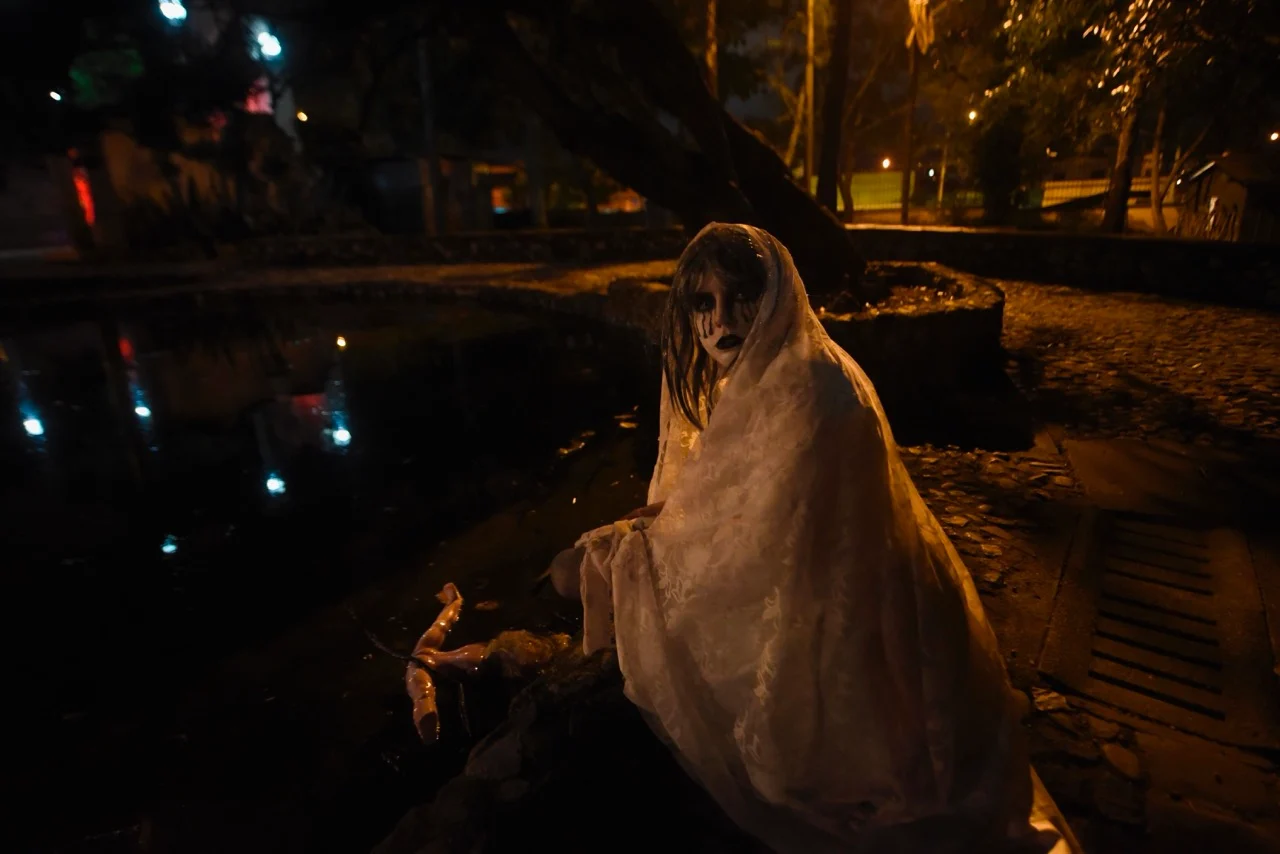
A woman dressed as La Llorona performs Leyendas de Guatemala in the barrio Cerrito del Carmen before the Día de Todos los Santos celebration on Oct. 31, 2017. (Getty Images)
This legend typically involves a woman who died tragically and wanders the earth in anguish. Although each account differs, she is usually described as young, looking for a ride, getting in and disappearing, and sometimes even spending time with whoever picks her up. She is sometimes dressed in white, like a bride. People report seeing her on isolated stretches, dark roads and bridges.
It is a legend common across many Latin American countries, with disputed origins between Spain and pre-Hispanic Mexican cultures. Here are the places where the most well-known accounts of La Llorona in Puerto Rico are said to have taken place:
Cara del Indio | Isabela
Puente de la Carr. 303 | Lajas
Cementerio Municipal de Yauco | Yauco
Puente Las Calabazas | Coamo
Puente Mavillas | Corozal
Lago Carraízo, Sector La Trompeta | Trujillo Alto
La Mansión de Levy
Known as La Rambla, this building houses the ruins of the first water bottling plant in the archipelago. Built in 1932, it is the source of multiple legends that residents of Lares have told for decades. One of the best-known holds that a woman warned a group of Franciscan men that any construction near the natural spring would be destroyed. The woman disappeared, leaving a green halo that can still be seen at night. Another version describes a violent encounter between the plant's owner and his daughter, whose spirit is said to still wander the ruins.
The municipality of Lares announced plans here for the construction of the Museo de Historia General de Lares, with a grant of 3.8 million, according to La Isla Oeste.
The ghosts of Old San Juan
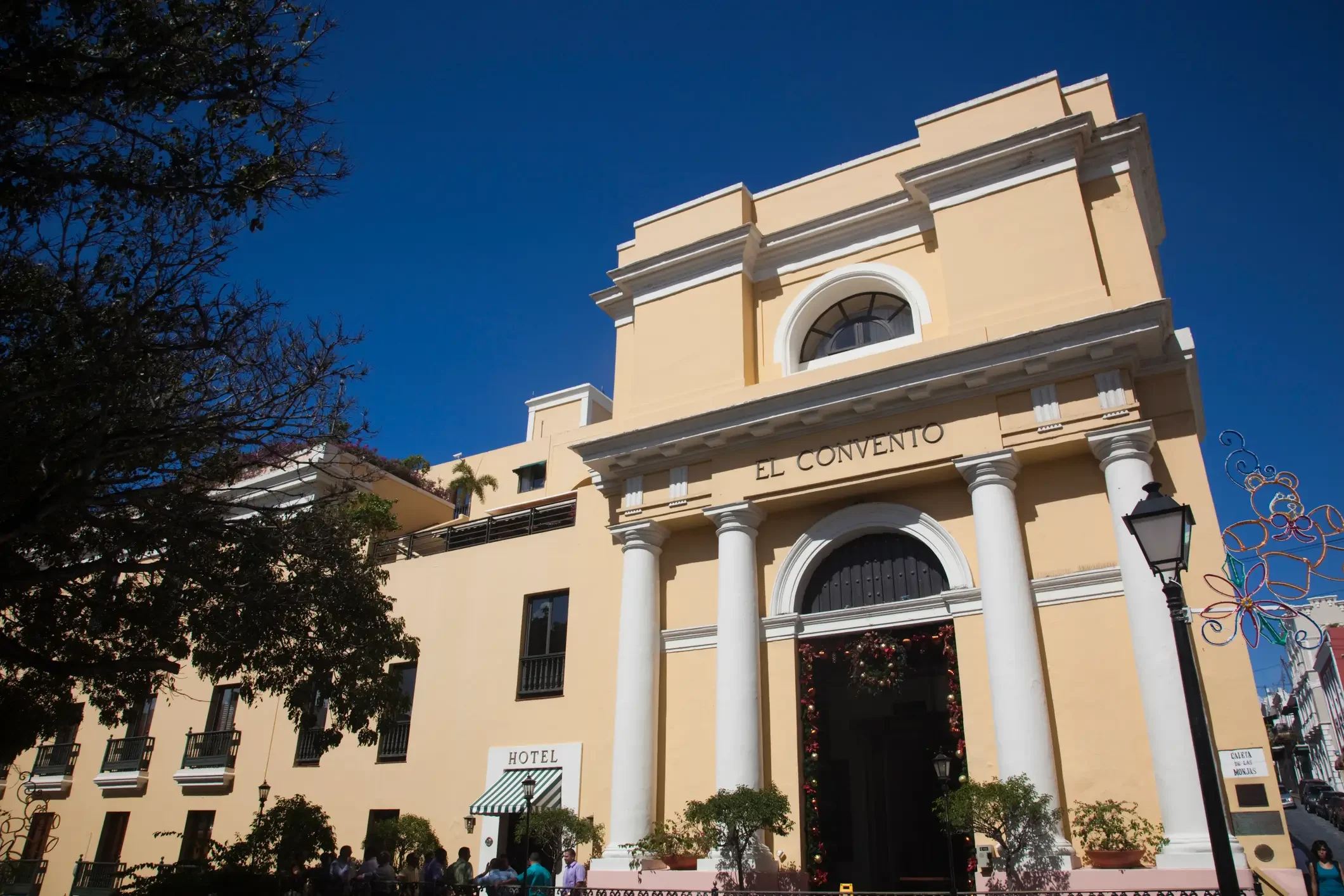
Facade of Hotel El Convento, in San Juan. (Getty Images)
One of the places with the most legends about ghostly apparitions is Old San Juan. From citizens in agony to murmuring nuns, the age of the city lends itself to stories spanning hundreds of years. Events such as armed conflicts, the trafficking of enslaved people and public health crises caused high death rates. That may be why there are so many legends here about those who died without peace.
Today, these places are of historical or tourist value. Below are some of the locations where spirits have most often been reported:
Castillo San Felipe del Morro: the best-known fort in Old San Juan.
Hotel El Convento: a hotel in the heart of Old San Juan that served as a convent for nuns for decades.
Teatro Tapia: a landmark theater with a long history of notable performances.
Museo de las Américas: a history and art museum that served as a hospital during World War II.
Creatures of the night
Since the '70s, various legends have circulated about nocturnal creatures that leave dozens of livestock dead in unexplained ways. Here is a brief look at each:
El vampiro de Moca: In 1975, dozens of reports emerged about unexplained livestock deaths in Moca. Residents were alarmed by what they described as a birdlike animal weighing around 50 pounds. Despite hunting parties, the creature was never found.
El Chupacabras: Twenty years later, something similar surfaced in Canóvanas. The hunt for this alleged creature was led by former mayor José "Chemo" Soto. Dozens of residents were similarly alarmed, and search expeditions were organized. No chupacabras was found.
La gárgola: In 2010, El Nuevo Día reported that more than 500 people gathered at Central Guánica to hunt an alleged gargoyle. Although that hunt died down, in 2018 the rumors resurfaced in Barceloneta, when residents began seeing animals die without explanation. The search received wide media coverage, but the creature was never found.
According to professor Raúl Pérez Rivera, no tangible evidence of these creatures has ever existed; on the contrary, examinations of photos of the vampiro de Moca and of the carcass of another alleged strange creature, the Garadiabolo, suggest that people have altered the bodies of known species to make them appear to be these unusual animals.
The extraterrestrial route
State road PR-303 is known as the "Ruta Extraterrestre" because of the large number of UFO sightings residents have reported over the decades. At one point there were even plans to build a "UFO port" as a tourist destination in the area.
Although some of the sightings have been explained, legends abound about the aerostat that flies over the area, military aircraft, tremors and unsettling UFOs. What exactly happens here may never be fully known.
This content was translated with the assistance of Artificial Intelligence (AI).