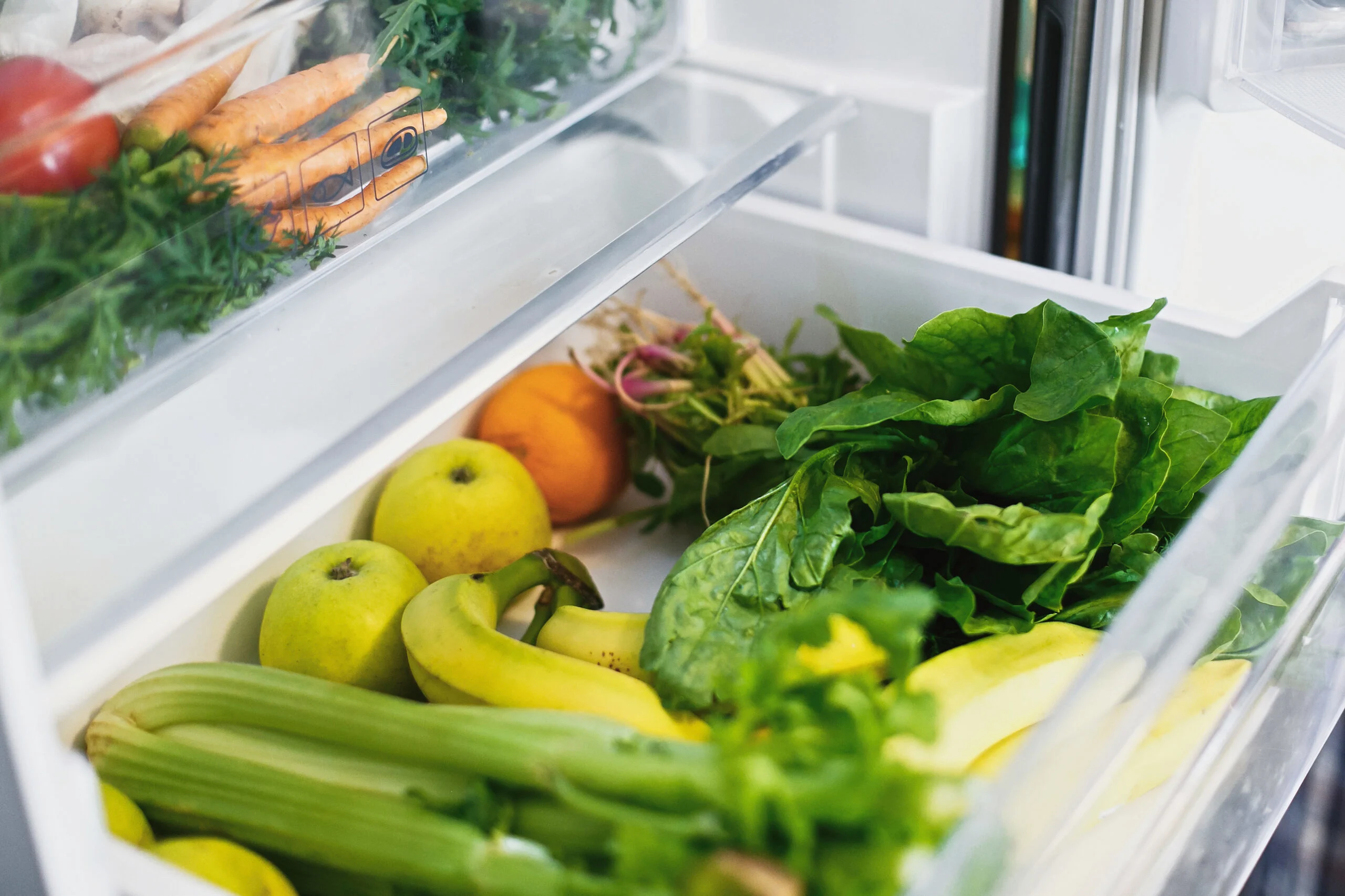
Food waste is a global problem. In 2022, the world wasted more than 1.05 billion metric tons of food, according to the Food Waste Index Report 2024 published by the United Nations Environment Programme (UNEP).
That means one-fifth (19%) of food available to consumers ended up in the trash, and households were responsible for 60% (631 million metric tons) of that waste.
This occurs at the retail stage and after a consumer has purchased the food.
There are, however, ways to keep your food out of the trash. This matters because, when organic and food waste breaks down in landfills, it produces methane, one of the greenhouse gases responsible for 25% of global warming.
Discarded food is the third most common source of anthropogenic methane, according to UNEP.
Here are 8 tips for reducing food waste at home:
1. When grocery shopping, make a list and be clear about the recipes you want to prepare and the ingredients you need. Also check your pantry to avoid buying things you already have at home.
2. Use plastic bags and glass or plastic containers to store and separate food in the refrigerator. These will help you prevent cross-contamination and keep food fresh longer.
3. Wash and store fresh food properly so it lasts longer. Paulina Cocina recommends rinsing fruits and vegetables with water to remove dirt. You can then soak them in cold water with a few drops of food-safe bleach or lavandina and let them sit for 10 minutes.
Mixing water with vinegar and baking soda also works for soaking and disinfecting food without using chemicals.
by Andrea Perez
In the meantime, you can leave citrus fruits, bananas, and whole melons and watermelons out of the refrigerator.
by Andrea Perez
Potatoes, sweet potatoes, carrots, squash, garlic and onions don't need to be washed and can be stored outside the refrigerator in a basket.
Leafy vegetables such as lettuce, spinach, parsley and others can be separated into leaves, rinsed with cold water, disinfected with a water-vinegar-and-baking-soda solution, and stored in a container lined with paper towels.
Then cover them with more paper towels, close the container and put it in the refrigerator. They will last much longer.
4. If you have more fresh produce than you can use before it spoils, you can freeze it. Paulina Cocina explains that fruits, except citrus, can be stored in the freezer after being cut into pieces and placed in small plastic bags.
This works for later making pies, cakes and smoothies. You can also blend the fruit and put it in an airtight bag to take up less space.
In that case, it works for smoothies, jams and other recipes. As for vegetables, onions and peppers can be cut and stored in the freezer in small plastic bags. Fruits and peppers keep in the freezer for up to eight months, while onions keep for three months.
5. Freeze any meat or fish you won't be eating within 24 hours of buying it. If you know you'll be preparing these foods soon, keep them in the refrigerator.
6. Thaw food properly to prevent bacterial buildup. Paulina Cocina recommends thawing food by moving it from the freezer to the refrigerator the night before you plan to cook it. "This is the best way" to thaw food, she says.
If you don't have time, however, you can use the defrost function on a microwave, or submerge the food in hot water, being careful not to let water into the food, if you don't have a microwave.
7. Don't overfill your refrigerator, so food stays fresh longer. A refrigerator packed with food may have trouble distributing cold air evenly.
Also, the ideal refrigerator temperature to keep food fresh is 40 degrees F or below, according to the Food and Drug Administration (FDA).
8. Precook certain dishes to extend the life of your food, and freeze any excess you won't eat in the coming days. This is also a way to make your food last longer.
The book Meal Prep explains that many prepared foods can last months in the freezer, including broths, sauces, breads and others.
You can use the Save the Food platform for more free tips on how to store food properly and what recipes to make to extend the life of your meals.
What can you do with the food waste you generate at home?
One option is to make your own compost from organic food scraps. There are various ways to do it, and you'll need a compost bin and other materials, such as straw, to help with the decomposition process. The resulting compost can be used as fertilizer for plants.
If you don't have space for a compost bin at home, the company Tais offers an organic waste pickup service in the metropolitan area, using the material to create compost for local farmers.
You'll need to buy the special containers they sell and follow the instructions so the organic waste doesn't develop odors.
For businesses and restaurants, the federal Environmental Protection Agency (EPA) offers the Food Recovery Challenge program, which provides incentives for the proper management of organic waste.
Cover photo: Getty
This content was translated with the assistance of Artificial Intelligence (AI).