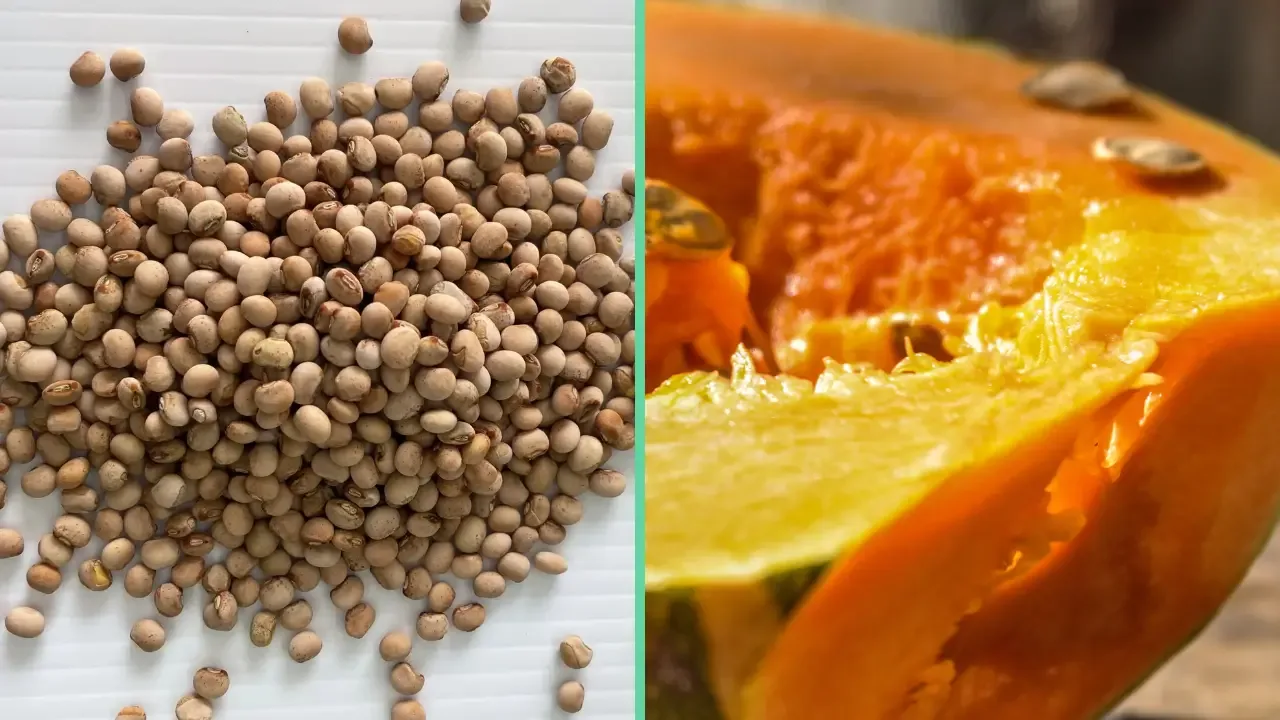
What's happening? In its more than 100 years of history, the Estación Experimental Agrícola (EEA) of the University of Puerto Rico (UPR) has evaluated hundreds of agricultural crops to determine their viability and production on the Island. From these studies, researchers have selected and developed new plant varieties and animal breeds considered Puerto Rican.
Why does it matter? Most of these crops adapt better to Puerto Rico's climate and soils, since they were tested with local agriculture in mind. This is fundamental to the Island's food security and agricultural future.
Many of the varieties are held in the germplasm bank (plant genetics) of the federal Department of Agriculture (USDA), because "due to budget issues," UPR has not been able to preserve all of them on the Island, former EEA associate dean and deputy director Lucas Avilés told Platea.
The six substations around Puerto Rico hold some varieties, especially those dedicated to agricultural research. Meanwhile, the Juana Díaz substation has a genetic bank with 87 mango varieties.
Why develop new varieties?
Crops evolve over time and fruits can change. The reasons for developing new varieties are varied:
Finding better adaptation to a specific climate or soil type
Producing larger fruits or fruits with better flavor
Developing plants that are more resistant to pests and diseases
Extending the harvest season to have fruit available longer
"Almost always, the goal is to address a need. For example, the calabaza taína dorada. After the Borinquen variety was lost, there was interest in producing a squash with good characteristics, good flavor, good flesh, a reasonable size, not too large, and so research began, crossing one squash with another calabaza, and this one came out, the taína dorada," agronomist Carlos Almodóvar, administrator of the EEA's Juana Díaz substation, told Platea.
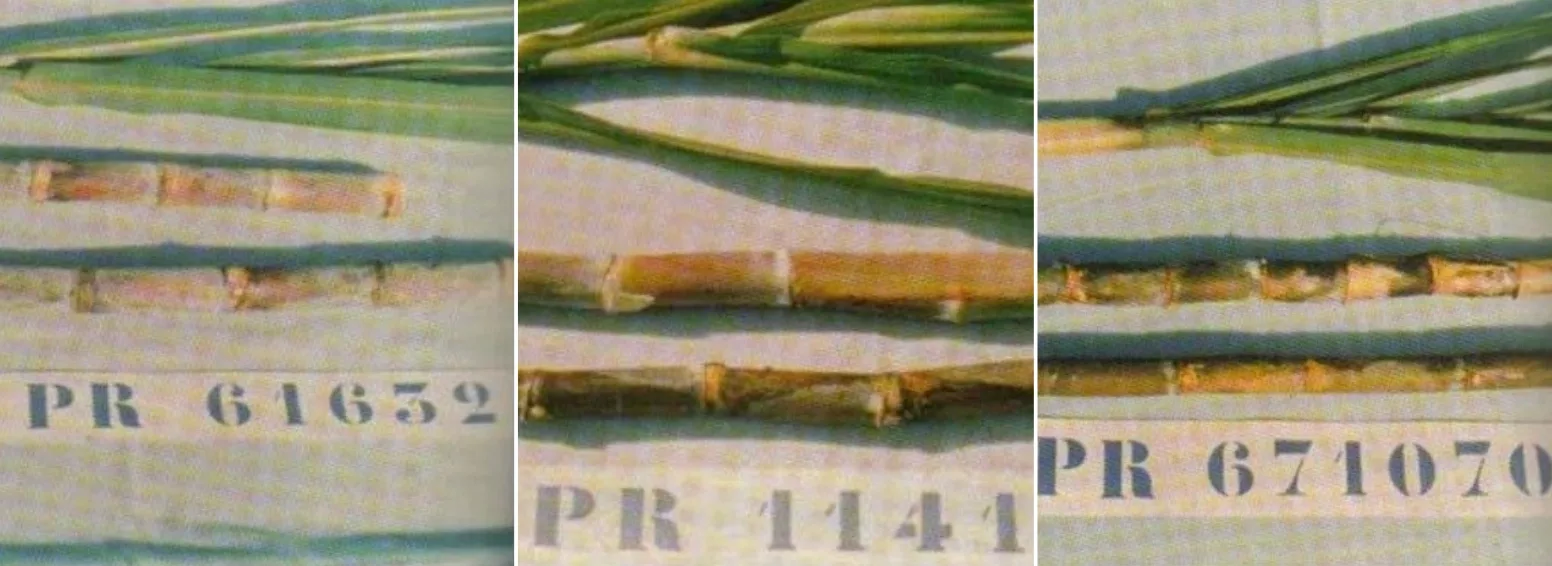
Puerto Rican sugarcane varieties. (Screenshot)
Sugarcane: the EEA's star crop
Because the EEA's origins are tied to sugarcane cultivation, researchers developed several varieties. Most begin with the initials PR for Puerto Rico, or M for Mayagüez.
The most famous, however, and one still grown in Latin America, is Puerto Rico 980. In the 1960s, PR 980 was the most widely cultivated cane in Puerto Rico, according to the agricultural census. This was because the EEA recommended planting it for its productivity in Puerto Rican soils.
"Developing a cane variety could take 15 years because many screenings were done. They start at this stage, move to the next, and so on, until you manage to fix the characteristics and can say: this is going to repeat. These things we found that are good are now fixed, they will repeat, we can release them as a variety," Almodóvar explained about the process of creating and releasing varieties.
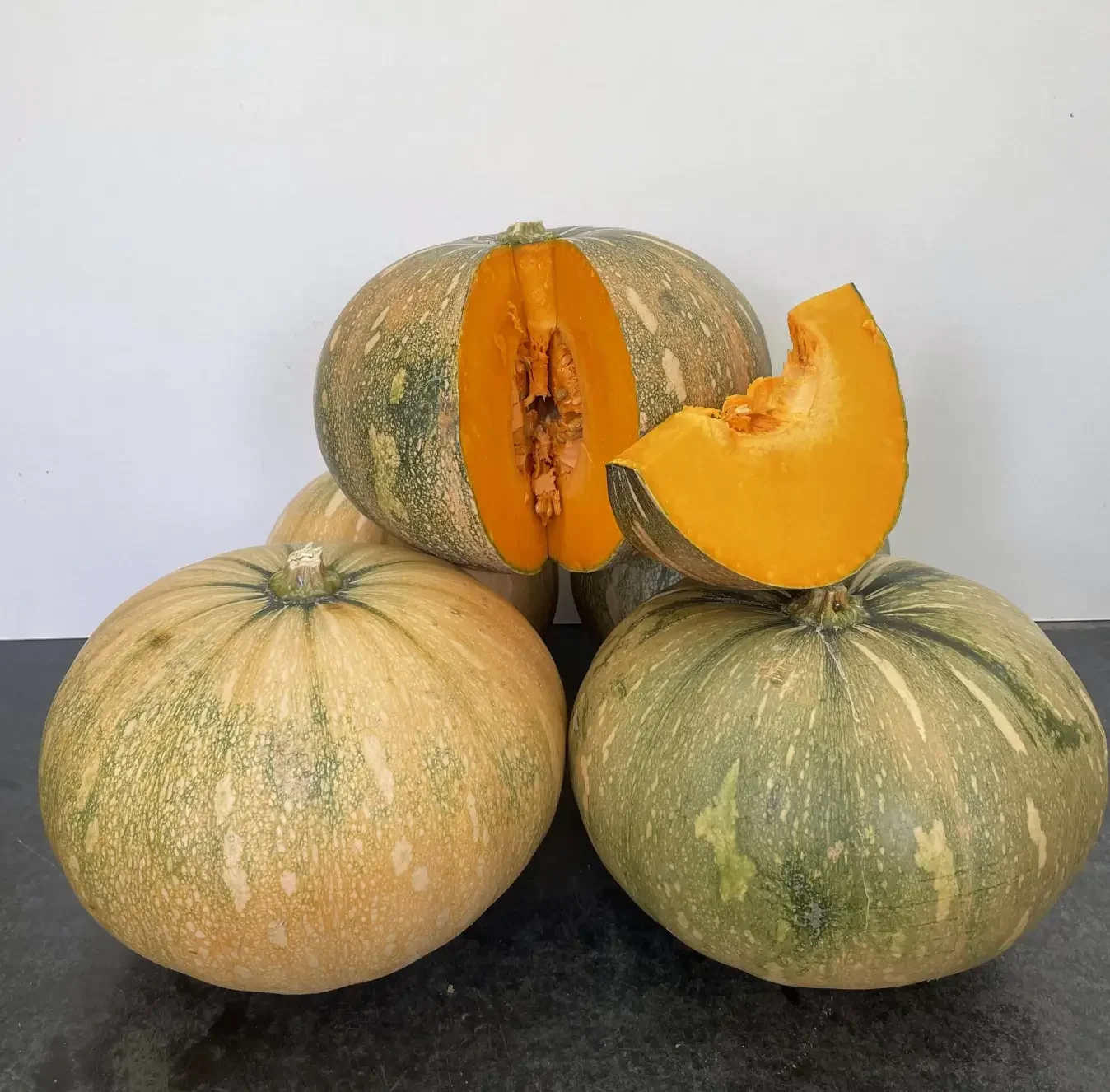
Calabaza Taína Dorada. (Screenshot Semillas Selectas)
Calabazas
Although the calabaza is a fruit native to Mesoamerica, there are four varieties that the EEA has recommended for commercial planting in its Conjunto Tecnológico para la producción de calabaza. All four were developed by the EEA.
Calabaza Borinquen: Developed in the 1950s, it was characterized by its dark green skin and two-inch-thick yellow-orange flesh. According to the EEA, this variety "has degenerated," which tends to happen with crops over time. Currently, "no pure 'Borinquen' seed exists, although some farmers have maintained their own selections of this variety," the EEA document says.
Calabaza Soler: Released in 2005, this calabaza has a circular, flattened, lobed fruit. It can weigh 10 to 14 pounds, with dark green skin and yellow flesh. The EEA says it can have excellent yields, up to 300 quintales per cuerda, but it should not coincide with the rainy season.
Calabaza Taína Dorada: Developed by the EEA from the Soler variety, the notable characteristic of this calabaza is its semi-bush growth habit (the calabaza normally grows as a vine). Its round, globe-shaped fruits have mottled skin and orange flesh, weighing 7 to 8 pounds. Agroempresas Atabey has commercial crops of this variety.
Calabaza Verde Luz: This variety also came out of Soler, and the EEA aimed for it to have similar characteristics (a flattened shape with dark green skin and more orange flesh) but in a smaller size. The fruits measure 8 to 10 inches in diameter and weigh an average of 5 to 8 pounds.
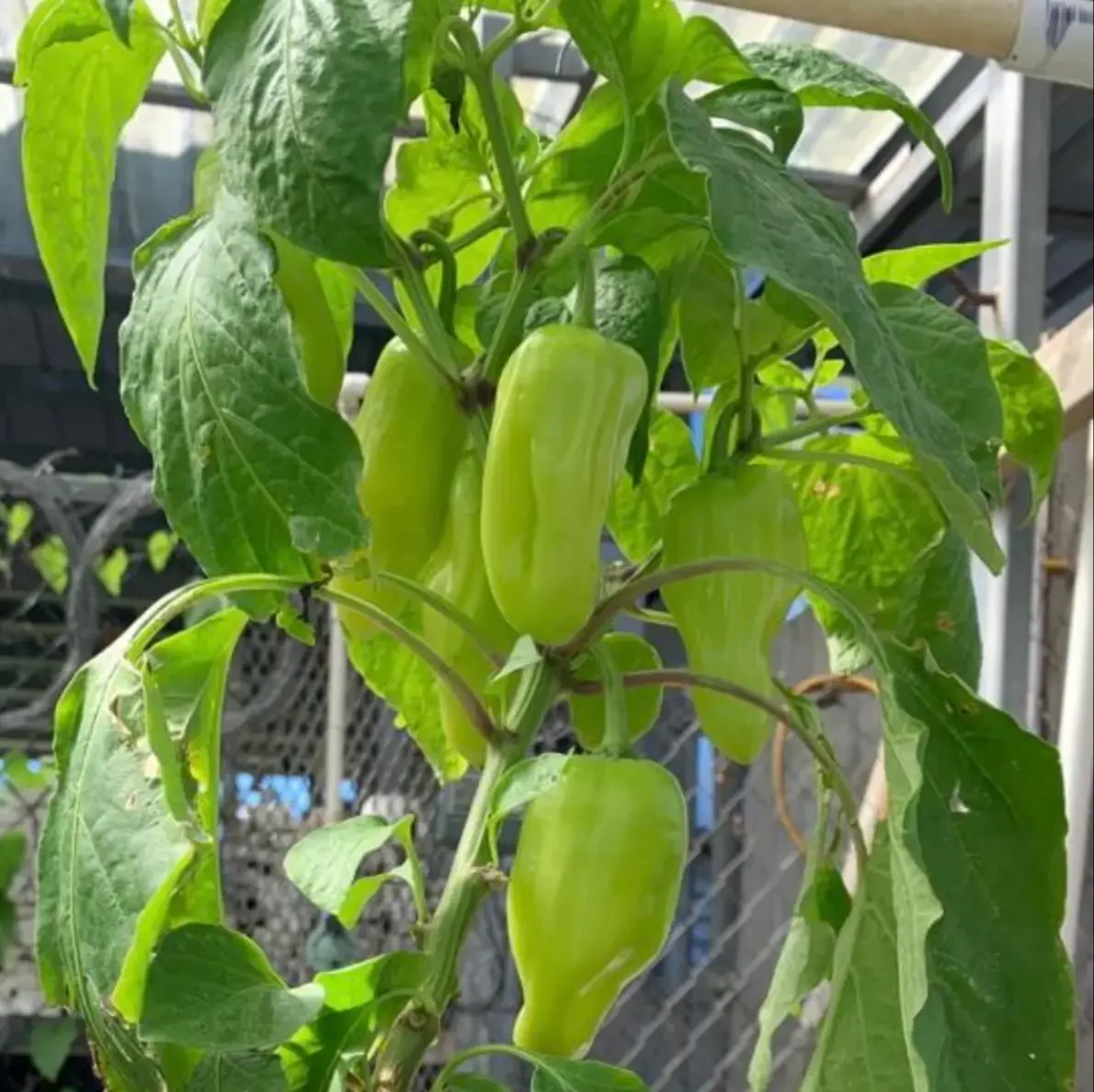
Pimiento blanco del país. (Captura Semillas Selectas)
Pimiento blanco del país
According to Avilés, former deputy director of the EEA, the research center also developed a variety of pimiento blanco del país. This medium-duration crop (it takes 65 days to bear fruit) produces green fruits weighing 4 to 6 ounces, which ripen and turn red. The plant can reach 24 to 30 inches tall.
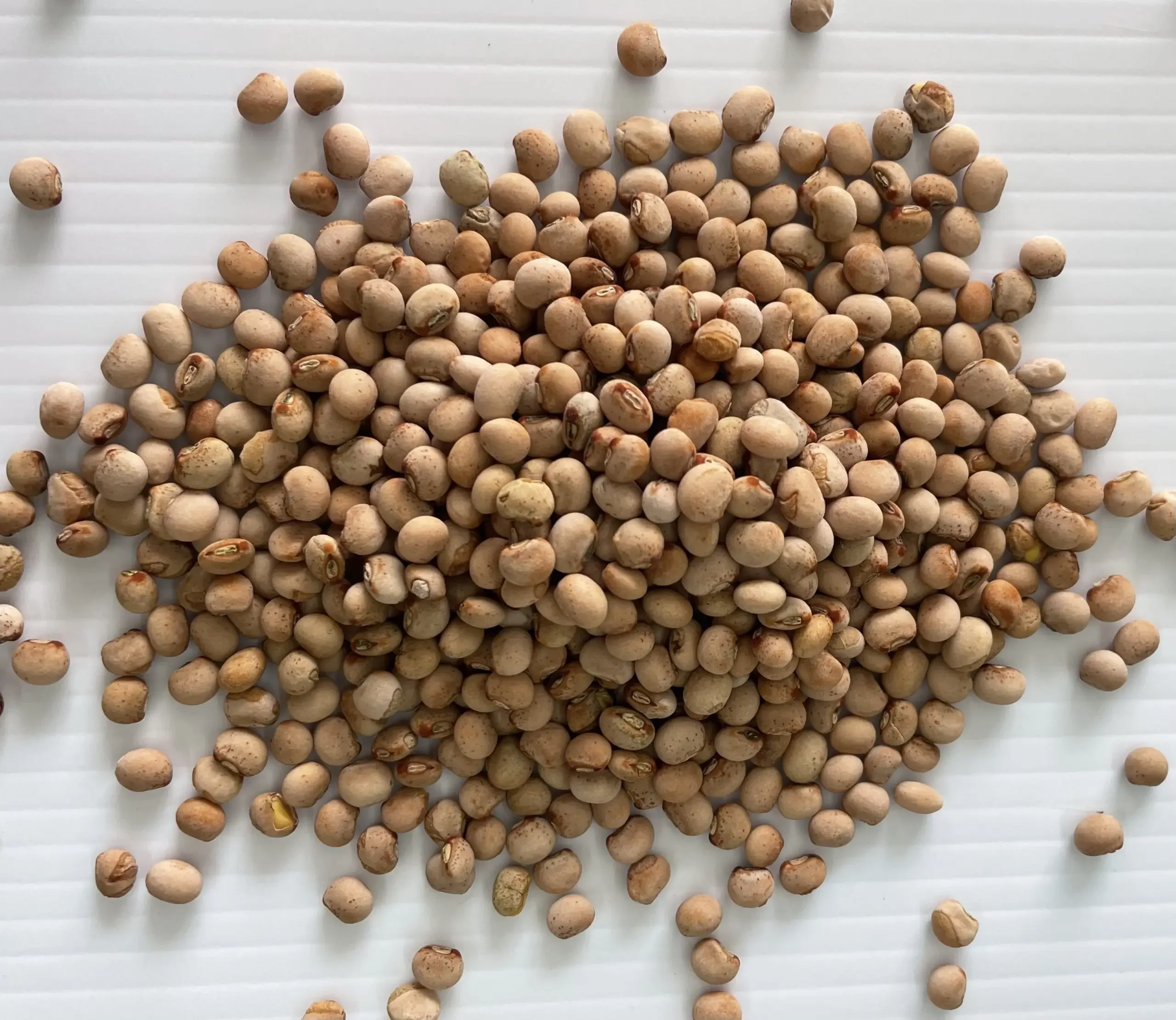
Gandules. (Captura Semillas Selectas)
Gandules
The gandules varieties Isabella and Lázaro were developed by the EEA, Almodóvar said. The agronomist explained that most gandules are harvested in December, regardless of when they are planted.
For that reason, the EEA developed these two varieties, which allow for fruit starting four months after planting, meaning they can be harvested at any time of year depending on when they were sown.
"In response to that need, Lázaro was developed, which they call the todotiempo, meaning you can plant it and harvest it four months later, regardless of when you plant it," Almodóvar explained. Of Isabella, he said it is "insensitive to photoperiod, like Lázaro. At 125 days it's ready."
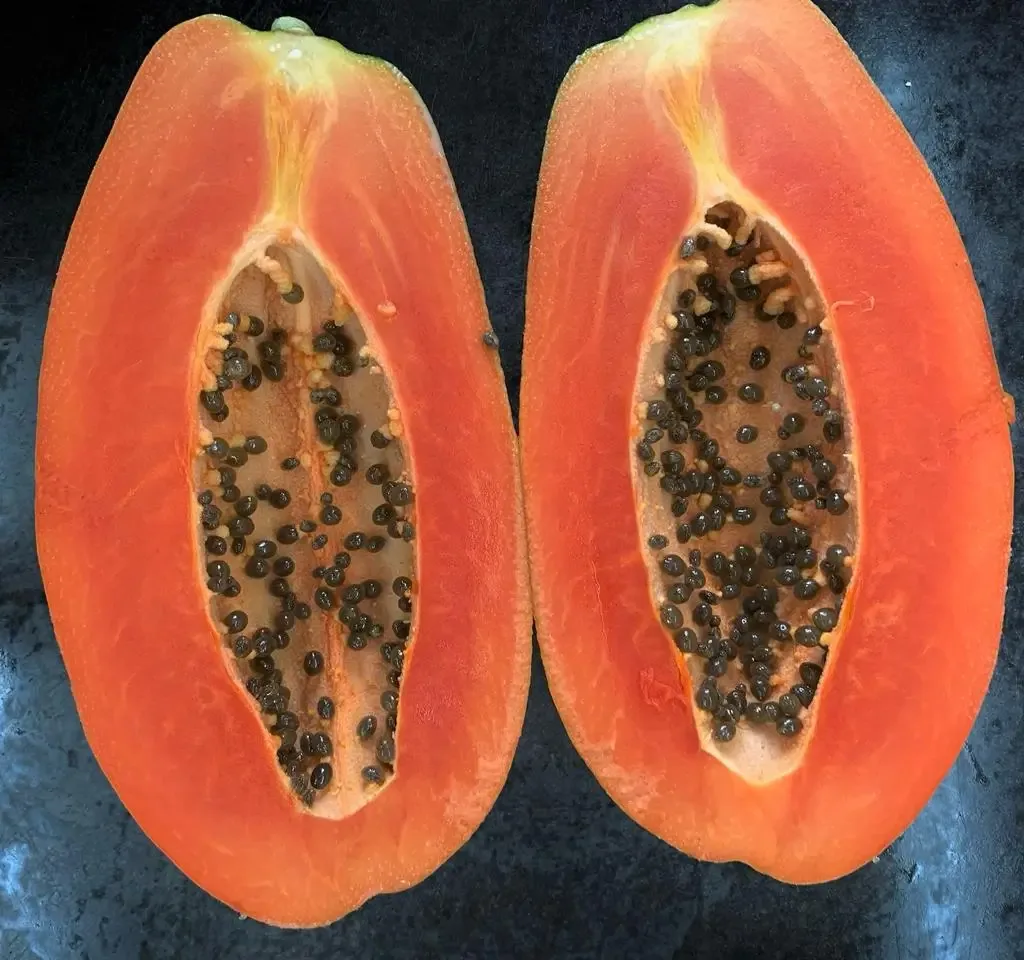
Image of a Maradol Roja papaya. (Captura Semillas Selectas)
Papayas
Avilés told Platea that the EEA also developed two papaya varieties, a fruit native to Mesoamerica: papaya 665 and papaya 765. However, these are not available as seeds at Semillas Selectas.
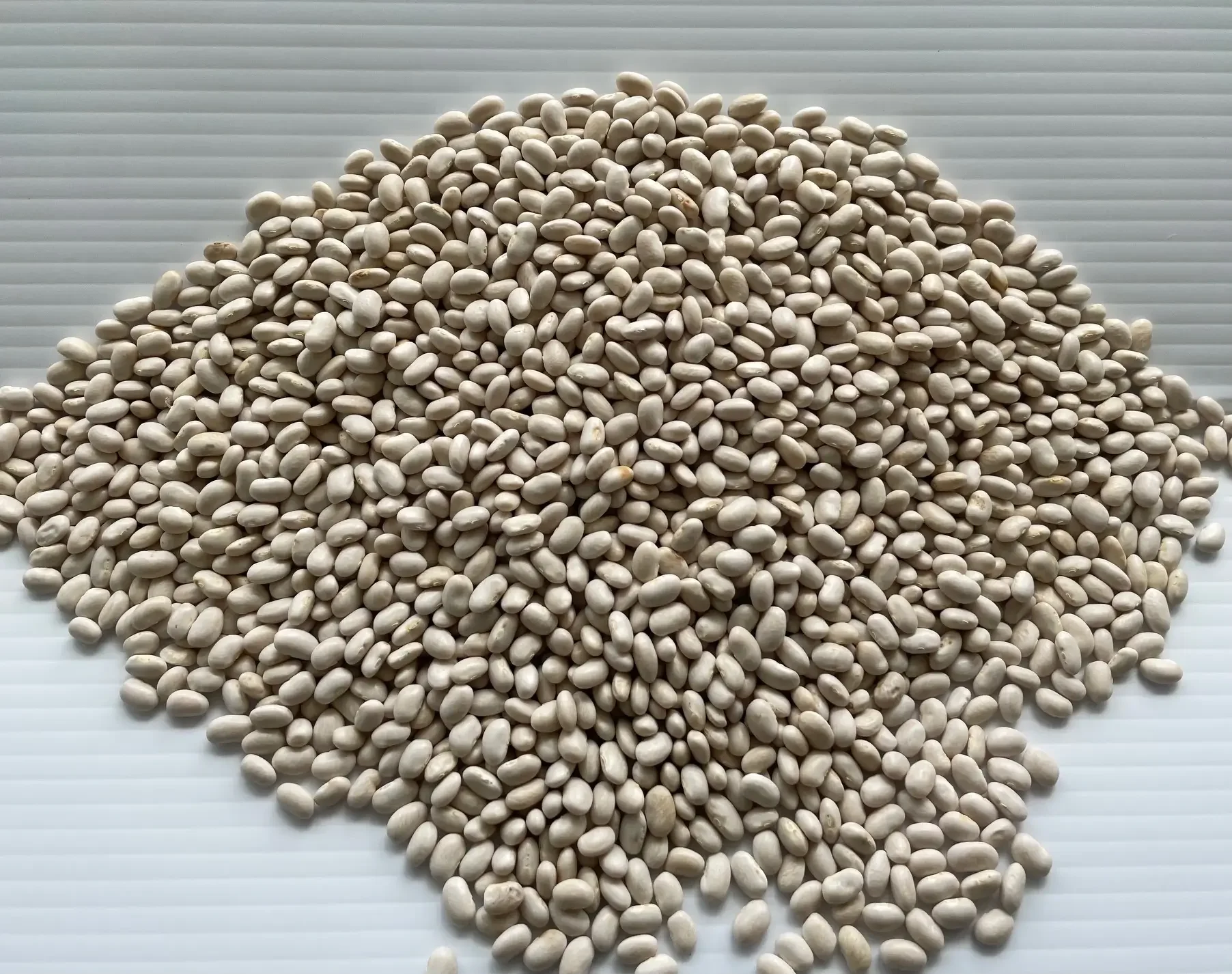
Habichuela blanca Verano. (Captura Semillas Selectas)
Habichuelas
Avilés noted that at UPR they have benefited from the contributions of researcher Jim Beaver, who "has worked his whole life" on the genetic improvement of this bean.
"And many of the habichuela varieties being planted in Africa, which are being used to address the food crisis in many of those countries, are varieties that Dr. Beaver developed through projects sponsored by the USDA, but they were developed here at the experimental station," Avilés said.
Some of these habichuelas available at Semillas Selectas are:
There is also one frijol variety: Frijol Gorda.
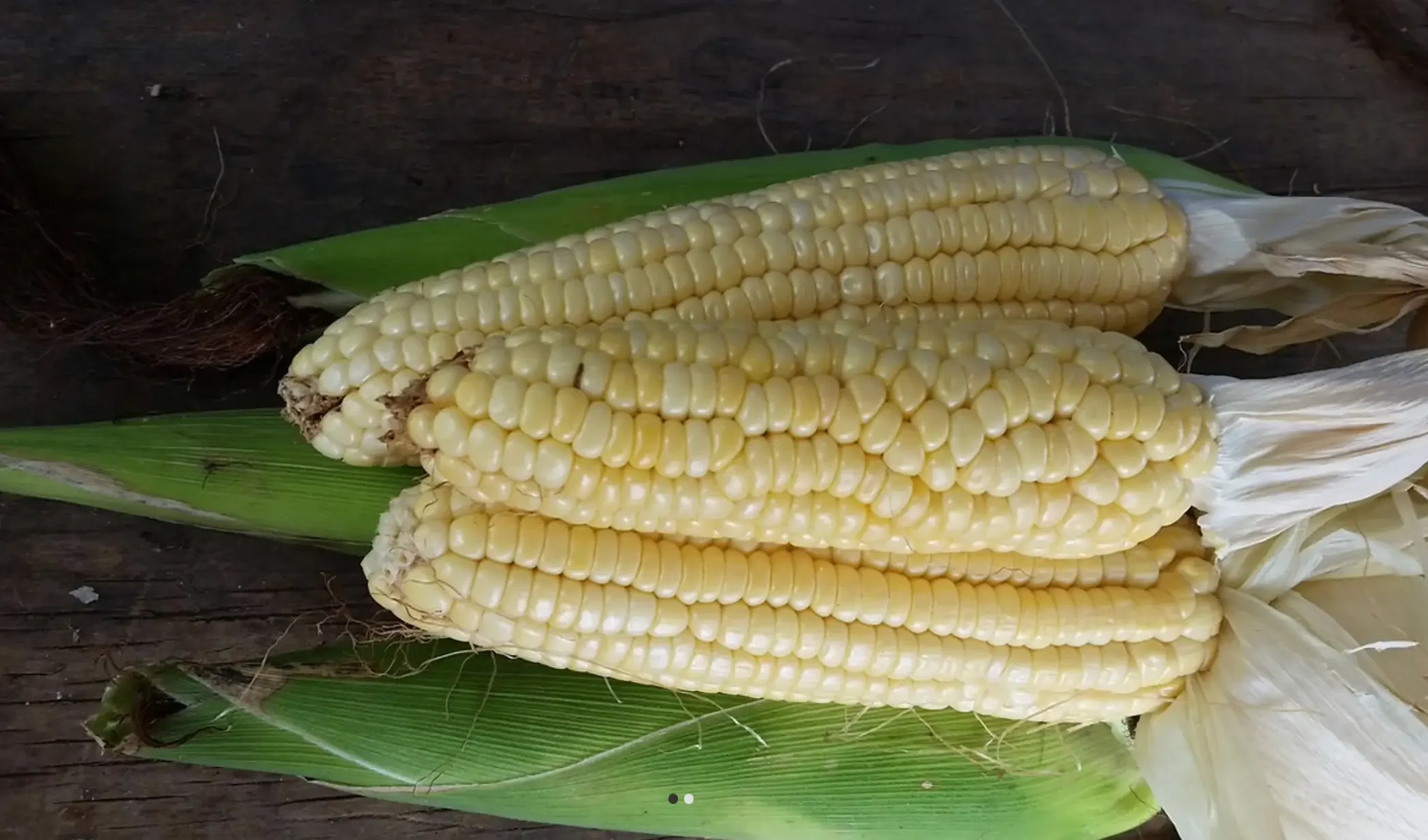
Maíz Dulce Suresweet 201 (Captura Desde Mi Huerto)
Maíz
The Semillas Selectas website also lists two maíz varieties developed by the EEA:
Maíz Dulce Suresweet 201 (also available at Desde Mi Huerto)
These serve not only to feed the population, but corn is also one of the crops most commonly offered as feed for farm animals.
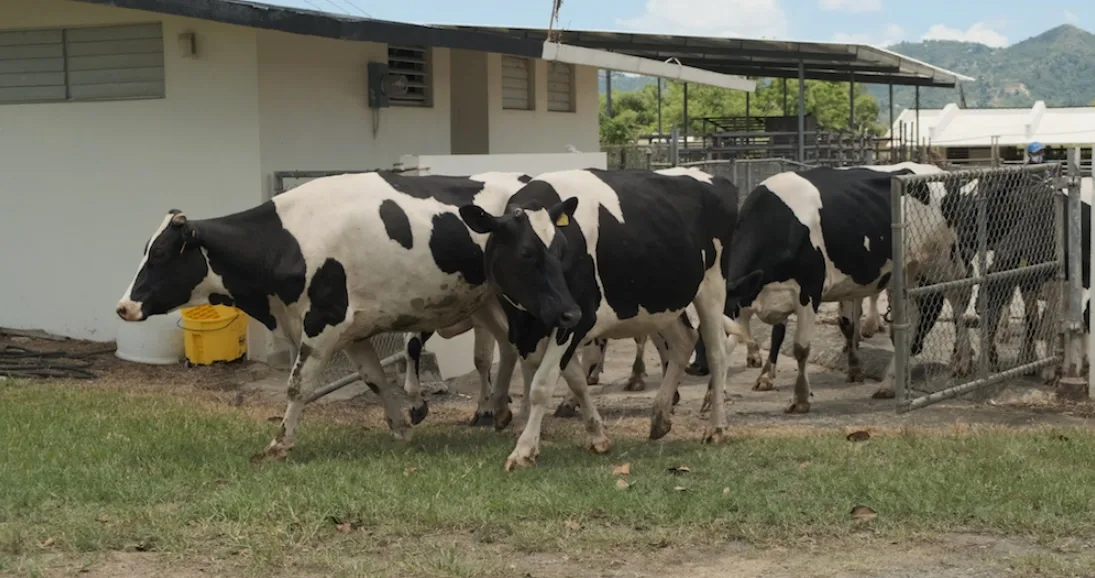
Livestock at the Estación Experimental Agrícola de Gurabo. (Biblioteca EEA)
Vaca Pelona: a dairy cow that tolerates the heat
After decades of scientific research and crossbreeding with breeds such as the Criolla and the Holstein, the EEA, particularly at the Gurabo substation where the Centro de Investigación y Reproducción Animal Tropical (CIRAT) is located, developed the Vaca Pelona breed, which has shorter hair and is able to produce milk even in hot weather.
Rice cultivation. (Getty Images)
Rice
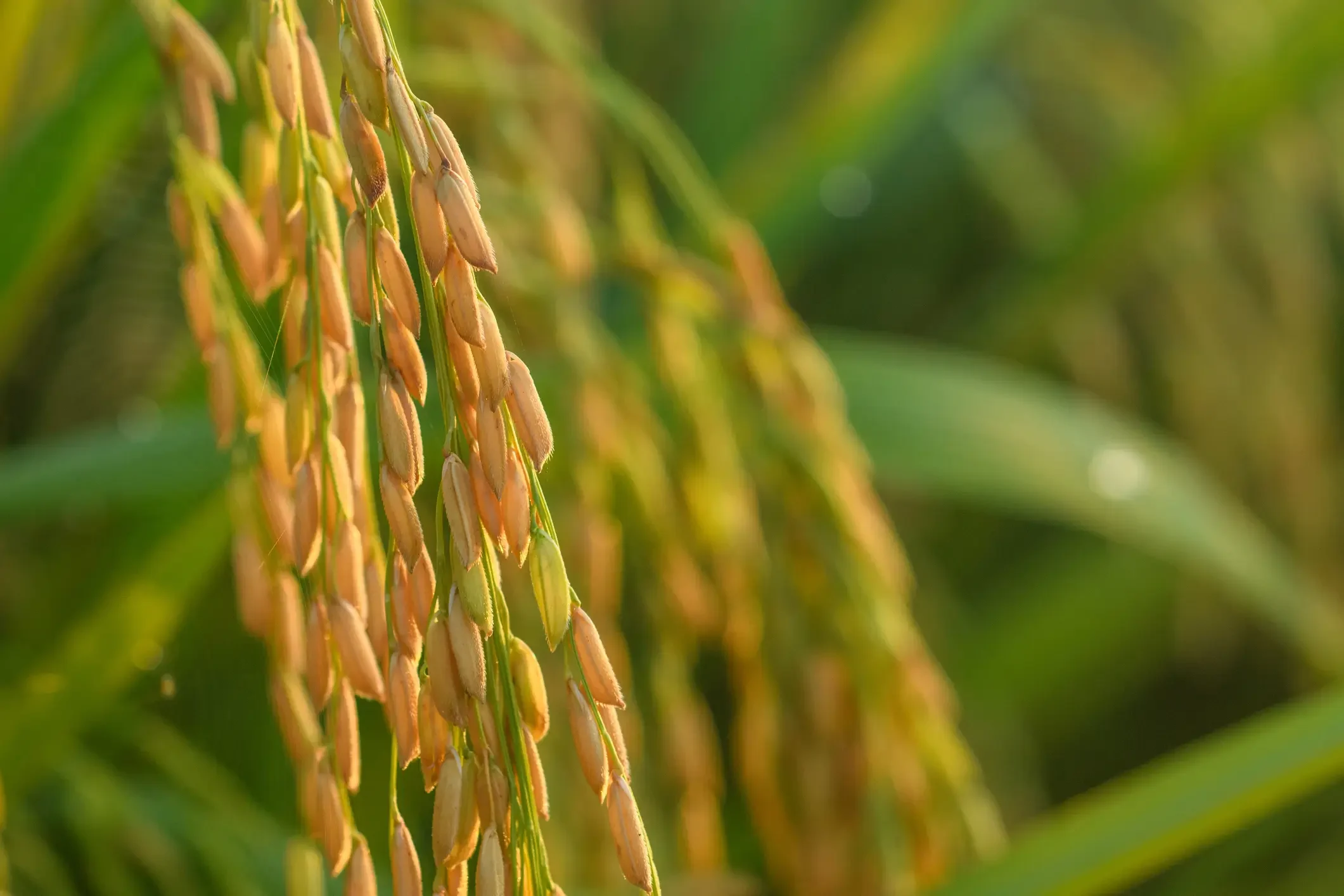
Although there are not many commercial rice crops in Puerto Rico, rice is one of the crops that has been studied in depth at the EEA in collaboration with the USDA and U.S. universities in Arkansas, Louisiana, Texas and Mississippi.
This is because "in Puerto Rico we can produce up to three rice harvests a year, while in the United States we can produce only one," Avilés pointed out.
"Since 1976, they have been coming to the Estación Experimental Agrícola in Lajas every year with their winter nursery to grow and advance generations of those new varieties. The fact that the rice industry in the United States has increased from 40 quintals in the 1980s to nearly 90 quintals per cuerda now is because of the varieties they have been able to develop. And the EEA in Lajas has played a small part in that," Avilés said, without mentioning specific varieties.
Arroz secano. Although it is not listed as a crop developed by the EEA, Semillas Selectas carries this type of rice, which does not require the soil to remain moist, as other varieties do. That is why it is called "secano."
Semillas Selectas UPR is the seed project of the Estación Experimental Agrícola. For the varieties we cover, here are links to purchase the seeds:
🌾 Our agriculture coverage
This content was translated with the assistance of Artificial Intelligence (AI).