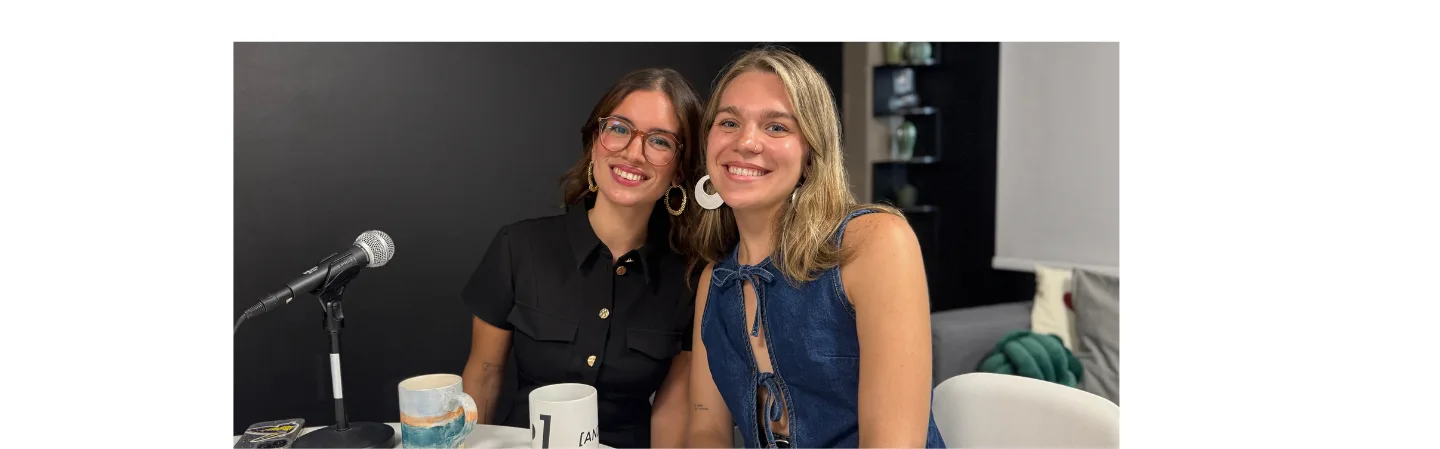
In this new episode of Platea's Punto Aparte, we spoke with Mariana Torres and Aliana Bigio about the importance of increasing voter participation on Election Day, Nov. 5.
Through the platforms Somos Más and Con.sentimientospr, respectively, they are working to drive meaningful change through the ballot box by way of voter education.
Both leaders also share their experiences and challenges in the push for social and political change, and discuss how these initiatives are mobilizing young people and the broader population, and how they seek to transform the country through collective action and love for Puerto Rico.
This text has been edited for the web.
Both Somos Más and Consentimiento have run campaigns to get Puerto Ricans out to vote. What differences have you seen in this wave compared with previous elections?
Aliana: After the Electoral Code was approved in 2020, the registration process has been rocky, with the closure of more than 80 permanent registration boards and the purchase of a costly platform that has not worked well. This has created access problems and discouraged many voters.
Mariana: As an organization, we conducted research and saw an alarming drop in voter participation. The pandemic and other historical circumstances have created a sense of frustration among the population. People are tired and feel the country can't take much more, which has pushed many to go out and vote in search of change.
How do we turn that feeling into action so that people show up to vote on Nov. 5?
Mariana: We need to address political fatigue and educate people on how to use electronic registration and make informed decisions. It's important to reflect on the consequences of not participating and to mobilize despite the exhaustion. We have a decisive moment to defend democracy in our country and we have to use that space.
Aliana: Validating people's apathy and frustration is crucial. We need people who will work for the country's well-being from within the state, and also people who protest and manage community projects. Public conversations have grown richer, and candidates are now being forced to talk about public policy, which is a significant step forward.
How do you see the youth vote in this election?
Mariana: The Comisión Estatal de Elecciones has done a poor job of reaching universities and schools. Even so, young people understand clearly that the country needs to change. Despite some apathy, many young people are motivated to vote, and social media has played an important role in that.
Aliana: There is also a group of older people who remember a more prosperous Puerto Rico, feel let down, and are ready to change their vote to send a message. And that non-youth vote is going to surprise the two-party system, which is fairly entrenched. Voting is telling an institution, "I give you my trust to represent me," and that trust can be withdrawn.
In this election, in particular, I think we need to make a call that goes beyond young people, so that others also decide to send a message to those who let them down, whether that's the PNP, the PPD, or however they choose to identify.
What opportunities and changes do you see for Puerto Rico in the future?
Aliana: Love for Puerto Rico and hope for a better future drives us. I think we need to change our mindset and believe that things can improve. What moves me is hope and love for Puerto Rico. I receive messages from people who want to return and contribute to the country. My dream is for my family to be able to stay here and for us to build a country we can be proud of, not only for our culture, but also for having public policies that put us on the map. What's missing is for people to make that connection with politics.
Mariana: We have to imagine different ways of living and recognize that we deserve much more. I think we do have that drive toward political institutions, but there are a lot of people who are giving their hearts and their lives to this country and who want to see it do well. Within that, it needs to be highlighted. Community and love for the country are fundamental to moving forward.
How do we navigate polarization to have productive conversations?
Mariana: By recognizing that there are vital problems we must tackle together, regardless of our ideological differences. It's important to keep an open mind and focus on collective well-being.
Aliana: Validate people's fears and concerns with respect and empathy. It's crucial to understand their motivations and offer new options without mocking their beliefs.
What advice would you give someone who wants to get involved in the electoral process?
Mariana: Learn about the candidates and go out and vote on Nov. 5. It's a demanding day, but a necessary one for the country's future.
Aliana: Talk to the people around you and have empathetic conversations. It's important to protect the integrity of the electoral process and mobilize to defend democracy.
Note: This content was edited with the assistance of artificial intelligence.
The opinions and comments expressed on this podcast are solely the responsibility of the guests and participants. They do not necessarily represent the official position of the publication, its employees, sponsors or business partners.
This content was translated with the assistance of Artificial Intelligence (AI).