Learn about this new tourism project on the west side of Puerto Rico, a bed and breakfast in harmony with the landscape around it.
*This story was originally published in Sabor Coco, by Daliana Alvarado.
Some experiences stay with us for life, whether for what we lived through or for the photographic memory we carry. For Javier De Jesús, architect and owner of Casa Bajura, in Isabela, there is a place that marked him, not only for its qualities but for what he experienced there with his family. He may not have identified it at a particular moment in his life, but it was while doing his graduate studies in architecture at Cooper Union in New York City that he internalized that Isabela was his favorite place. More specifically, Pozo de Jacinto, for the character of the place and how he felt when he was there. So much so that he has even written poetry about it.
Blue above,
Blue below,
Balance
Between swaying breezes,
Sharp footsteps
Emptiness that comes and goes
Wave after wave,
Night after night.
What has been lived is enough
To prove the future.
What is elusive is enough
To taste misery.
Choosing is always a way out.
— Javier De Jesús
Years later, with extensive experience in academia, he decided that Isabela would be the place to establish a tourism project where he could bring together his vision, poetry and practice. That is how, seven years ago, he began to conceptualize Casa Bajura, a bed and breakfast tourism project in the barrio Bajura of this municipality, which today is already a reality.
I arrived in Isabela interested in seeing this new project. Right away, two striking buildings stand out on this street that ends at the beach. A Puerto Rican flag signals that people here live, work and dream Puerto Rican.
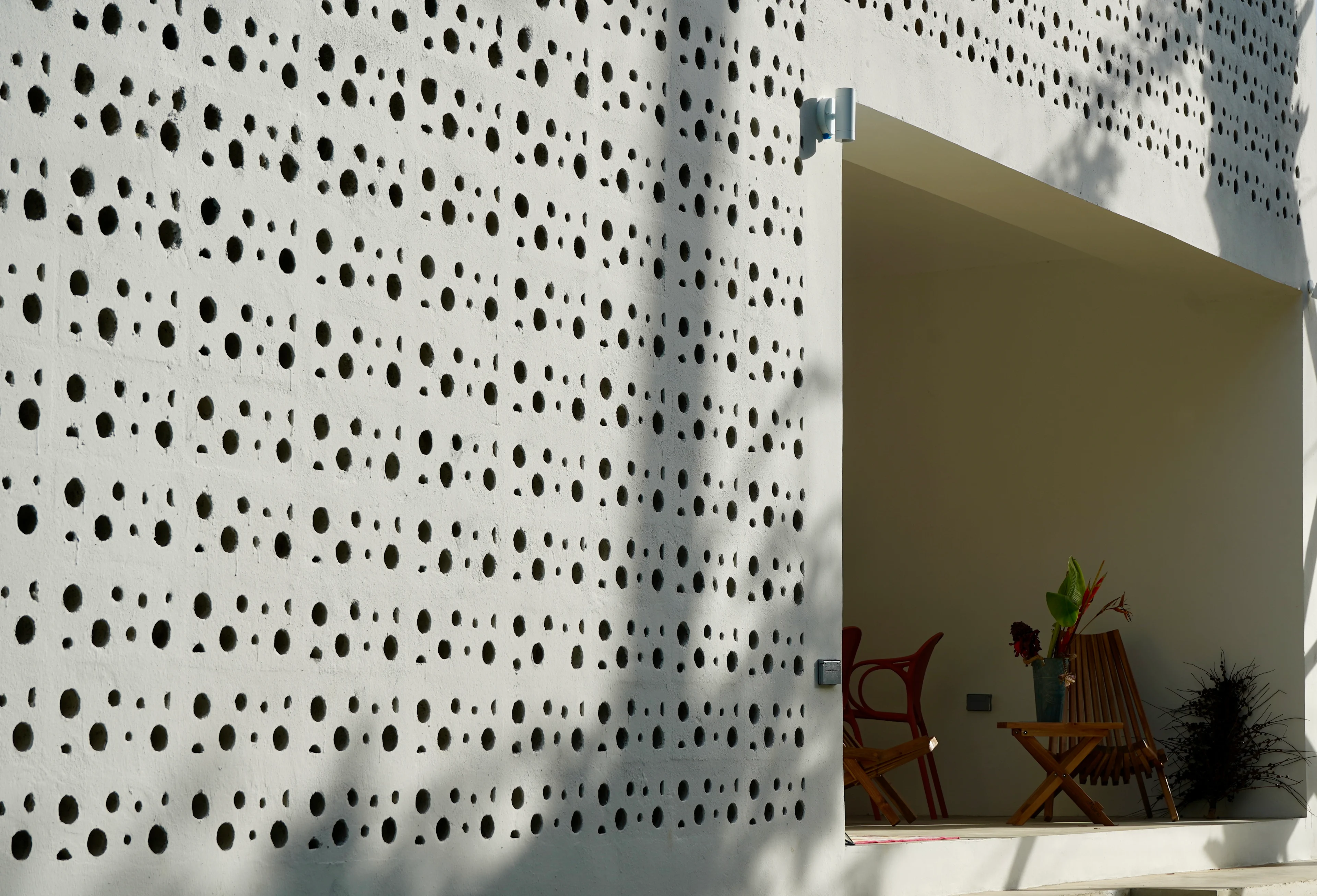
With critical thinking, an interdisciplinary vision and poetry as a guiding constraint, De Jesús asked himself some years ago: how do you negotiate between landscape conditions as particular as cliffs, dunes and the ocean, to design and rethink how life is lived in that immediate reality? That was the challenge he gave the architects. He chose MAPA Arquitectos, a firm made up of José Pagán Parés and Mercé Martínez, who handled the design. "José was the first student I critiqued when I started as a professor at the School of Architecture at the University of Puerto Rico, Río Piedras campus. Later, José was a professor when I was a faculty member, at Universidad Católica, and today he is a recognized architect in the archipelago."
"There was a poetic, but there was no tectonic; there was no formal expression. They listened to me, analyzed it and came back with a concept that is, for me, the manifestation of how to represent what it is like to live in a cavern, inside the karst, near the sea, and how you achieve the sensory experience of being inside a space where you don't have a panoramic view. The idea of the cave, or the Platonic cavern."
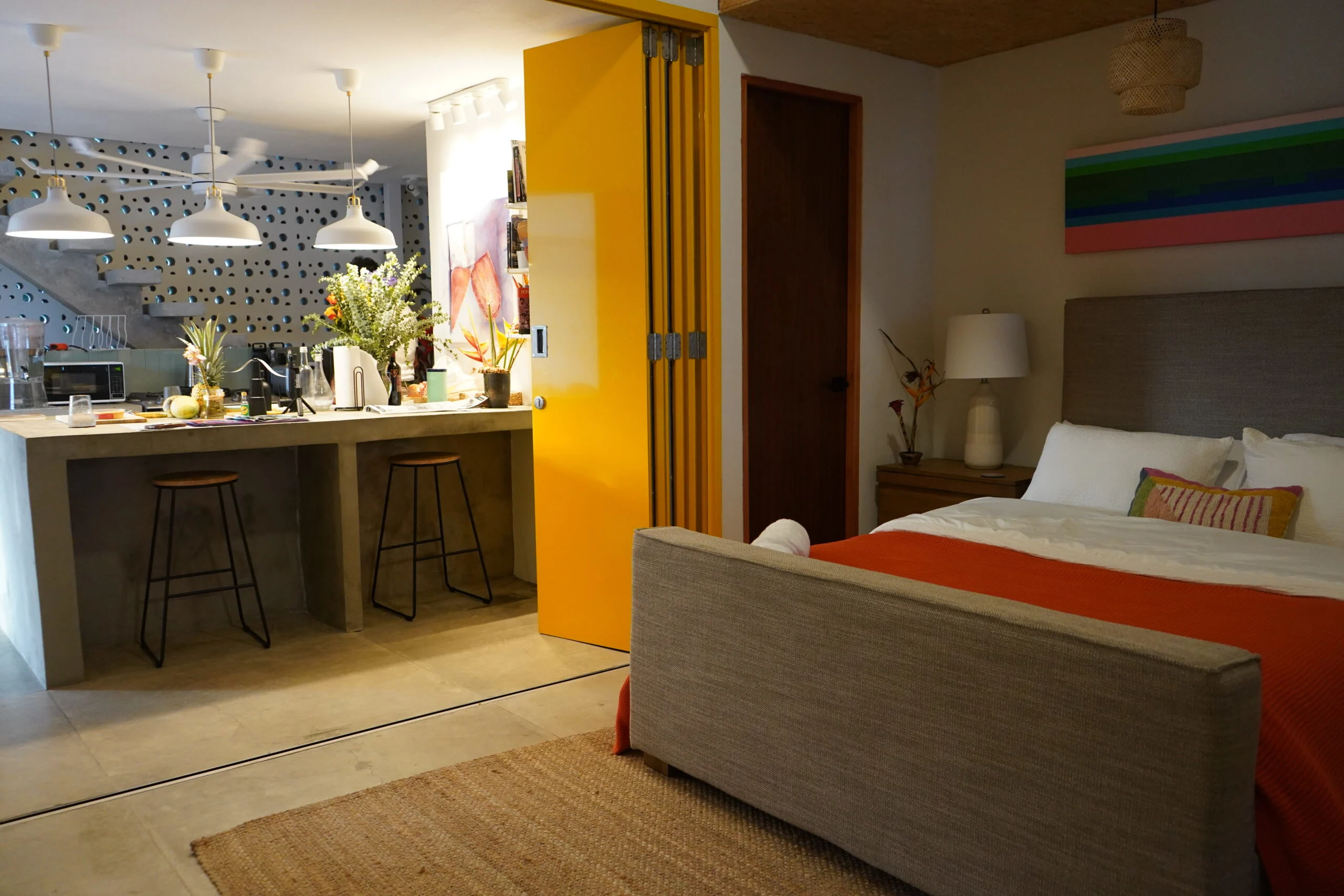
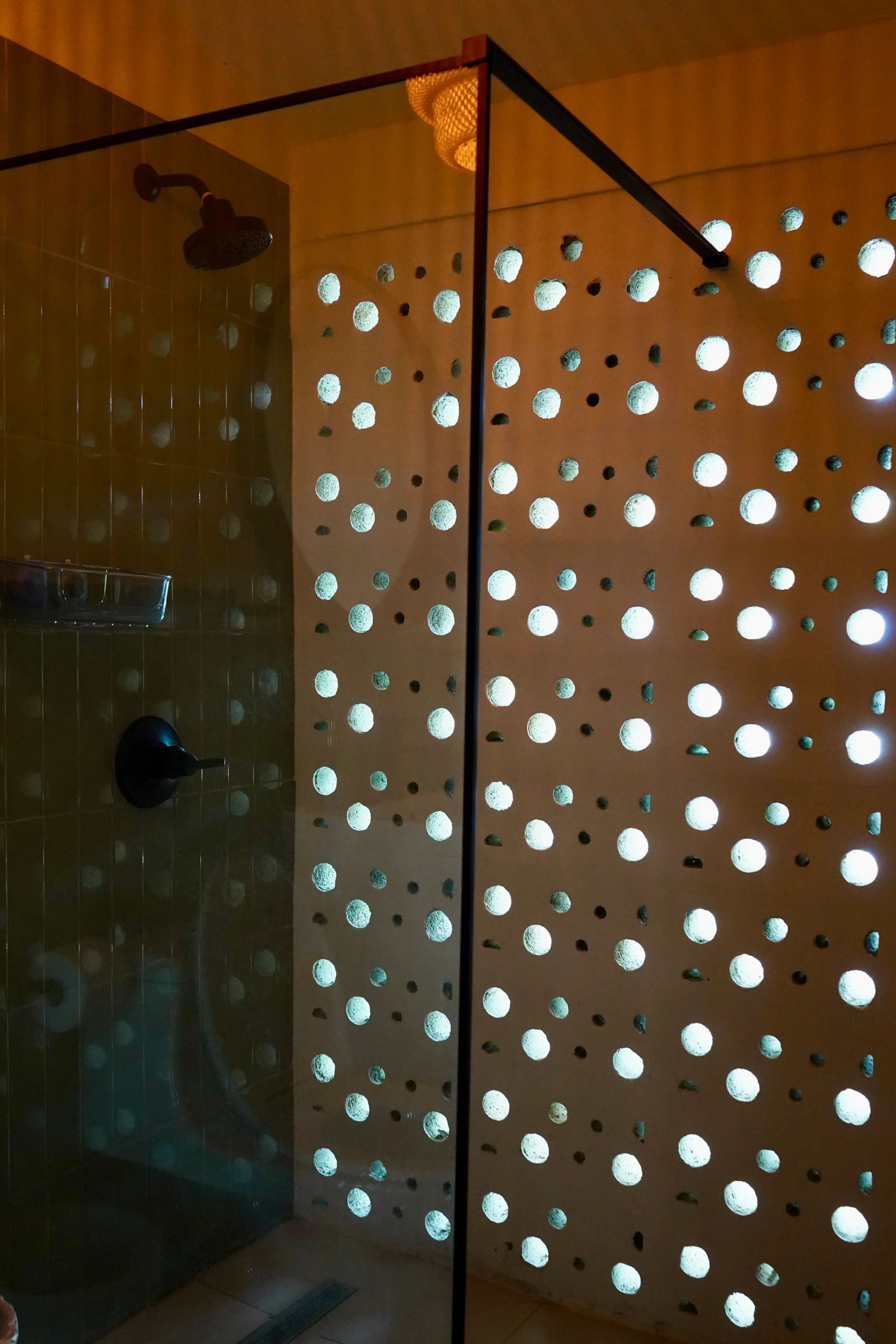
Casa Bajura consists of two identical structures, built with unit blocks designed exclusively for this project. Each has two rooms on the upper level, both with private bathrooms. On the first level, facing the open kitchen area, another room connects to or separates from the kitchen space by accordion doors. The houses benefit from airflow through ornamental blocks, which gives a sense of lightness and airiness. Their exteriors are connected by paths around the pool, and the gardens are beginning to fill in with foliage.
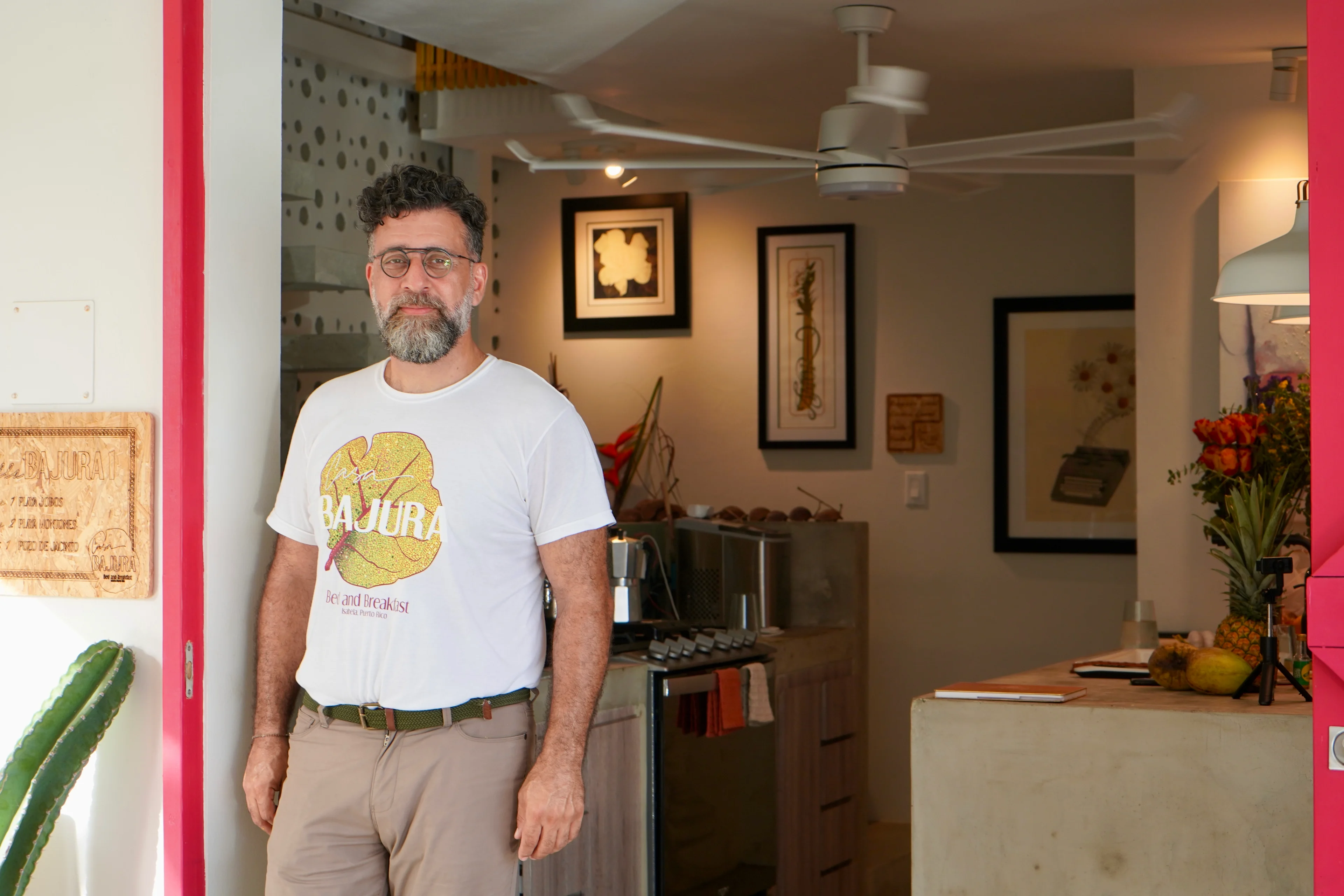
How would you describe the style of Casa Bajura?
"There's a theme of a modern architectural expression and the tropicality of that expression. It's an intentional modern, tropical and sensory architecture. More than tropical, it's Caribbean. It's an experience, and it's through the senses that we define the design style of this space. There's also something like phenomenology, the way light moves through the space. It's an architecture that prompts you to imagine what's outside. I would describe it as a modern, tropical and Caribbean style."
Visitors' favorite spot: The staircase is one of the favorite spots for those who visit.
Preferred material: Unit block, designed exclusively for the project.
Inspiration: Promoting a Puerto Rican architecture that responds to our reality.
Ideal Home: The adaptability of the space must keep increasing. It needs to have spaces that are versatile, adaptable, durable and resilient. "There is an architecture theorist named David Leatherbarrow who writes about the topic of weathering in architecture, and how materials respond to climate and time. Beauty, solidity and the utility or functionality of the space."
Living the senses: Sound and light
The large-scale walls made with decorative blocks create a cave-like feeling, where air flows through while maintaining a sense of enclosure and privacy. Light enters filtered by the blocks, which modulate it, and you lose a little track of time. The quiet of the area, together with local birds, makes the experience real and resonant, in harmony with nature. "The silence lets you hear the dramatic number of birds that exist in this area. There's no background noise here, what there is here is background singing all the time."
Each room is named after places in Isabela. With this, De Jesús wants guests to learn more about the area and connect with its names and spaces. You can stay in Pozo de Jacinto or Pozo de Teodoro or Playa Montones or Playa Golondrinas. This is a space for people looking for peace and quiet. Whether with family, alone or as a couple, the space invites intimacy, calm and accessibility.
Platea tip:
Puerto Rican contemporary art "all over the place"
Throughout each room and the rest of the house, you'll find works of art. For Javier, integrating art not only as a decorative element but as a space for exhibiting and promoting artists is part of what the property offers and the experience it provides. Casa Bajura features pieces by artists including Rafi Trelles, Antonio Martorell, Rafique and Ludwig Medina, among others. You can view works from the property's art collection, as well as pieces available for purchase.
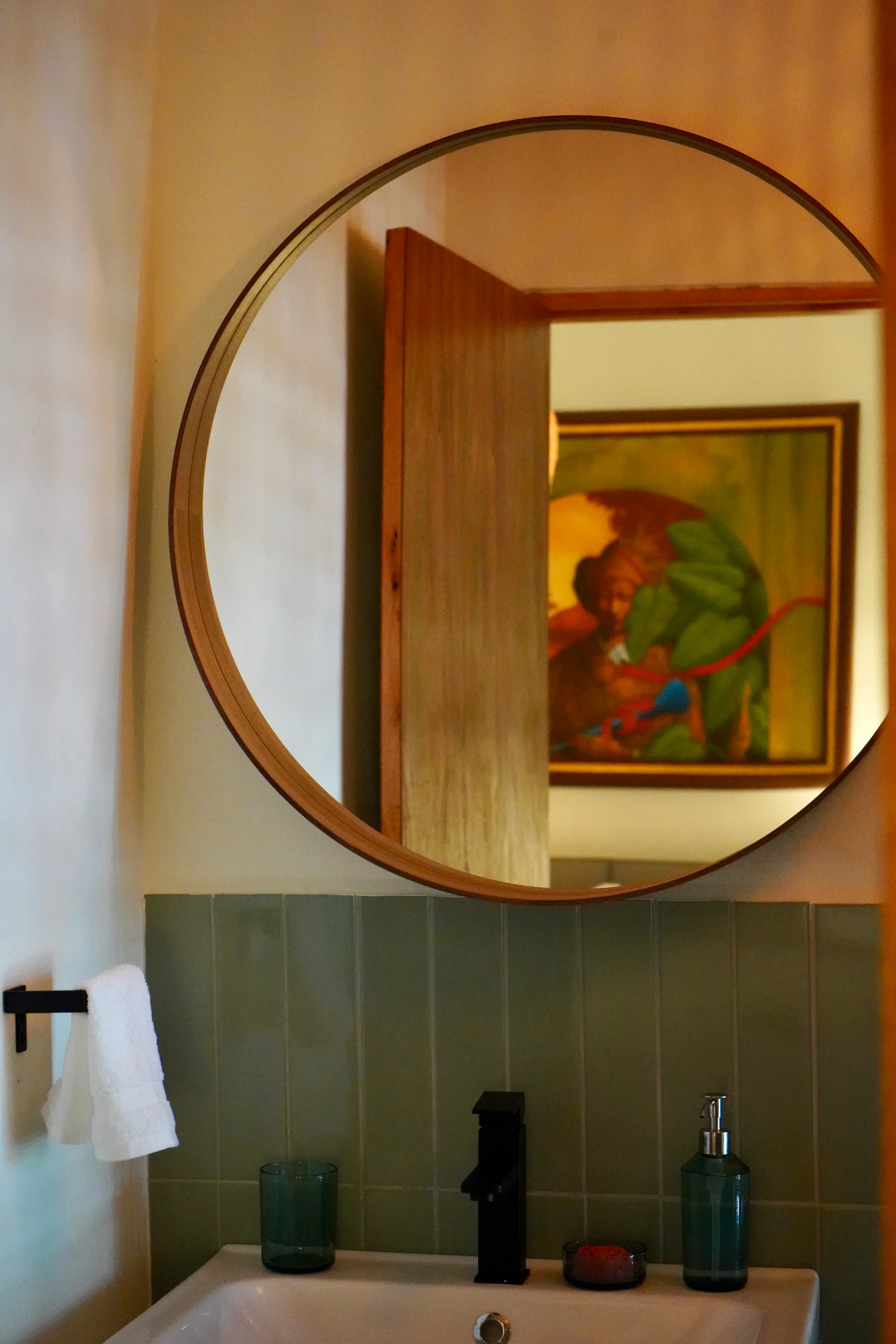
An architecture that responds to our reality
– What inspired you when creating and conceptualizing this place?
"I've always been curious about promoting a Puerto Rican architecture. An architecture that responds to our reality. One where architecture is the result of an authentic process of interpreting the place. That has always been my greatest intention in anything I've done creatively. How do we interpret the place? How does architecture transcend the ephemeral nature of interpreting a place?
In this case, I was always looking for the process to be the result of an authentic questioning of the creative process itself. "It's a contextualized architecture that interprets the landscape. There are important precedents and practices in architecture, but there was a genuine contextual questioning of the place. The result is a response to the place and to our Caribbean reality. The style turns out to be modernist and Caribbean, but it is as much a poetic as a scientific result of the place."
"The result is scientific, but the expression is poetic"
– Javier De Jesús
For the architect, the use, reuse and recovery of the ornamental block as a key architectural element was an extraordinary insight on the part of architects. Throughout the property you also encounter different materials and colors that contrast well with the Caribbean landscape. Polished concrete, wood, textiles, metals, industrial fans, tropical flowers and light furniture make up the interiors of these houses, which, though identical, vary in their details from one to the next.
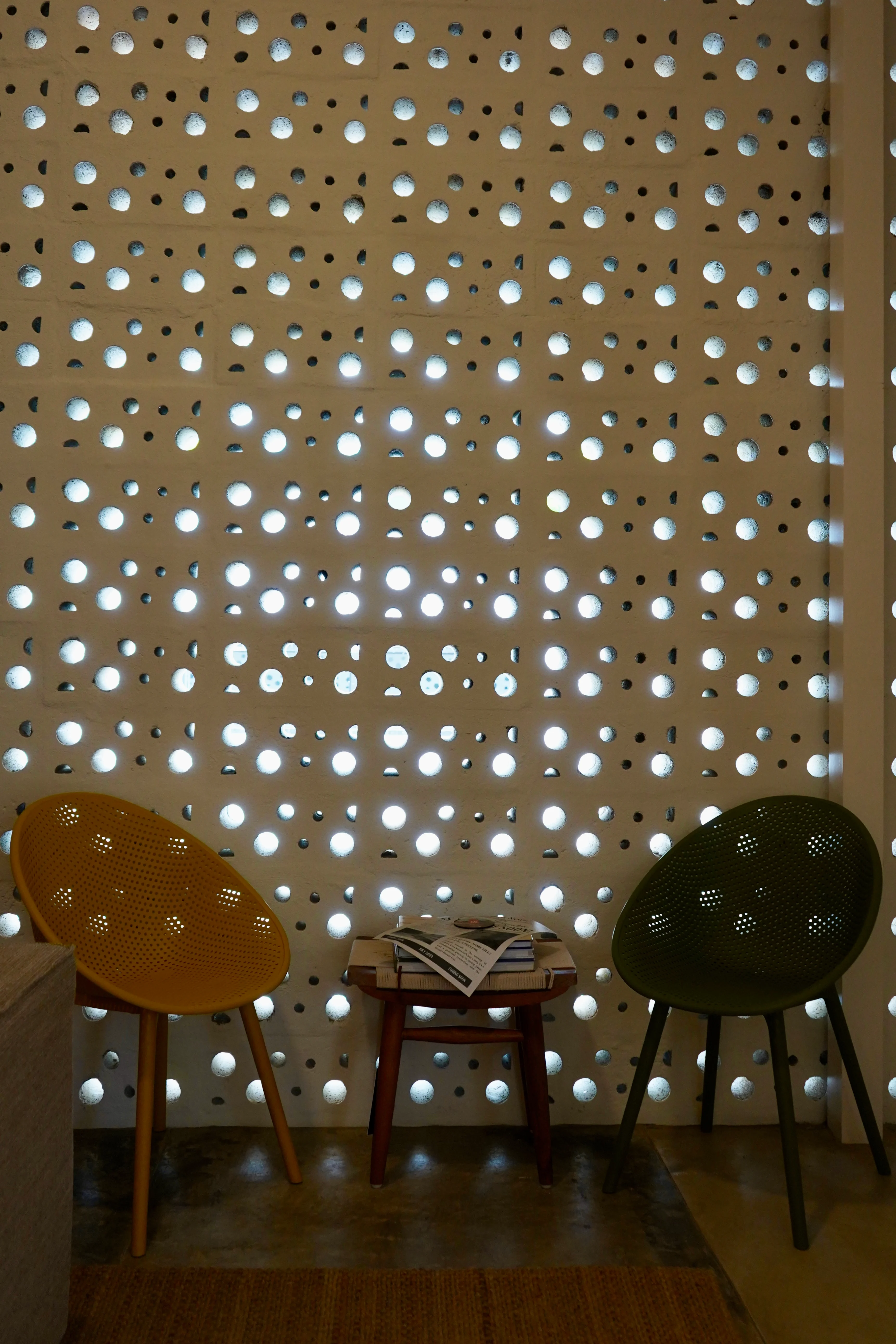
From the cave to the beach
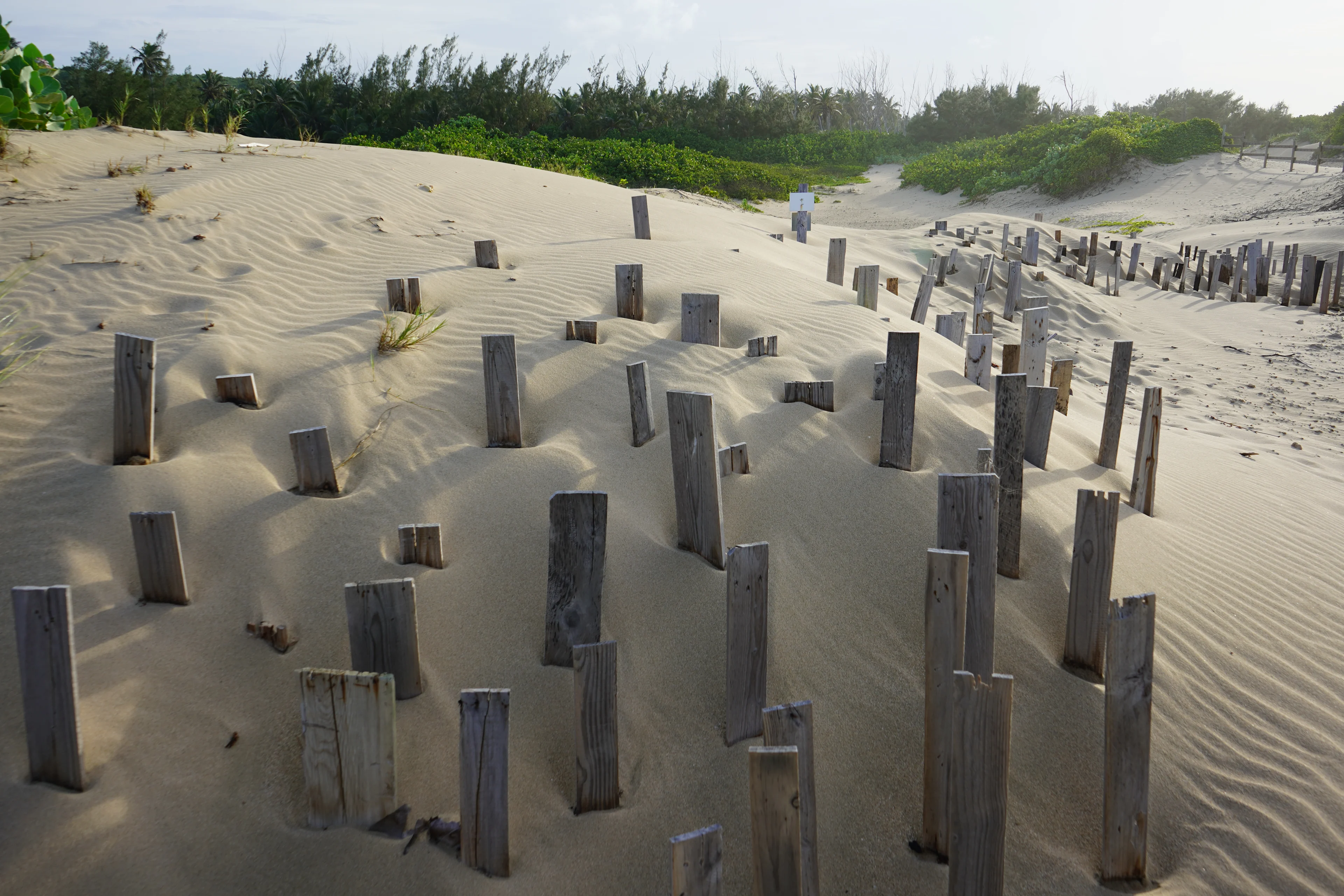
And just steps from the house is the beach, where you can enjoy the waters of the Atlantic. Along this coast, a dune restoration and revitalization project is underway, led by the Universidad de Puerto Rico in Aguadilla.
Designing the country we want to live in is everyone's work. Inspiring and prompting people to rethink how we live in the Caribbean. Understanding our strengths, weaknesses and areas of opportunity, and merging them with design, produces remarkable results.
We love this house and hope to visit it as guests in the near future.
This is, without question, a contemporary project, designed from and for Caribbean reality and context. For relaxation and conversation.
Learn more about this tourism project at casabajura.com.
This content was translated with the assistance of Artificial Intelligence (AI).