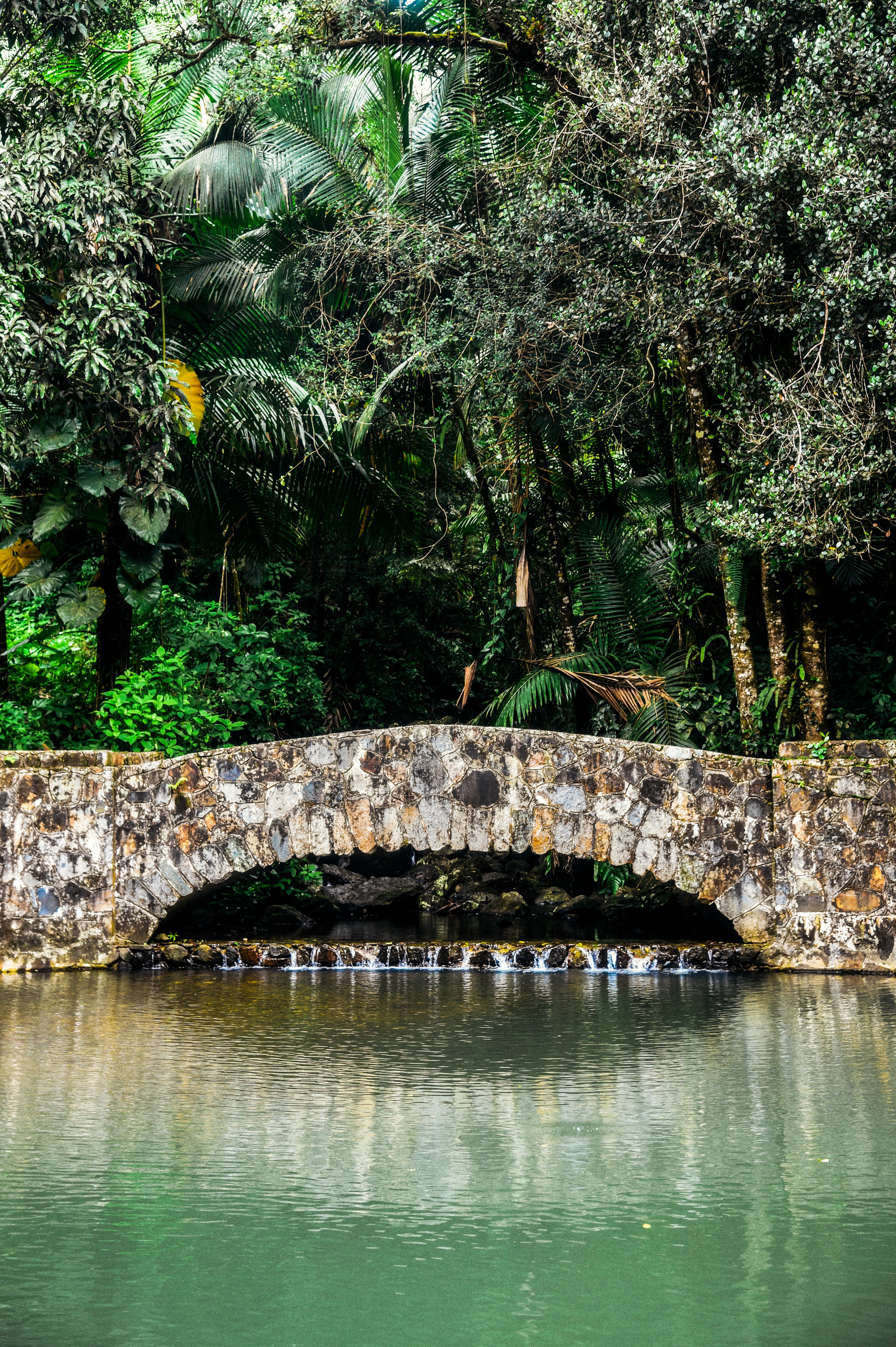
El Yunque National Forest has trees that are nearly 1,000 years old. And that is not even the most curious fact about the Island's main forest reserve.
After the celebration of the 150 years since El Yunque was declared a nature reserve, we compiled the legends surrounding the forest and some of the most curious facts about this tropical forest, which has been a reference point for environmental conservation in Puerto Rico and the world.
For this guide, we consulted:
The book El Yunque National Forest Atlas
The Centennial Timeline of the U.S. Forest Service
Additional data provided by the Forest Service
Interviews with the director of the Heritage Program of El Yunque National Forest, Raymond Feliciano, and the executive director of the Fundación Amigos de El Yunque, Nancy Merlo
Myths and Legends of El Yunque
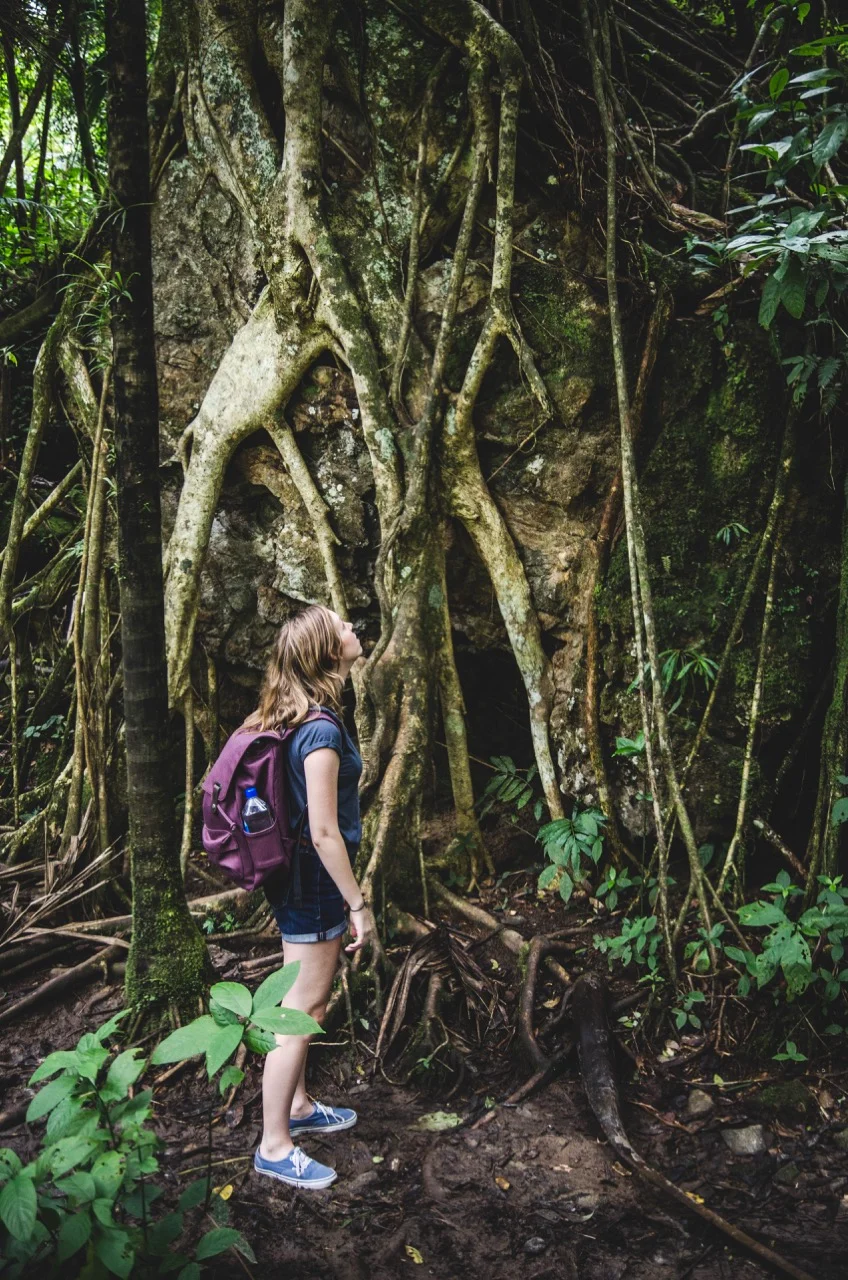
Long before it became a national forest, El Yunque was already a place of stories. Some come from the Taíno people, others from the colonial era, and others, more recent, from the military presence on its peaks.
Yokahú, the Guardian of the Mountain
The Taíno believed that at the top of El Yunque, or Yuque, lived Yukiyú or Yokahú, the god of good, fertility and protection. No Taíno sites have been found at the mountain's summit, which reinforces the belief that they did not climb it because they considered it sacred.
According to the Forest Service, the Taíno prayed to Yokahú to protect them from Juracán, the evil spirit associated with hurricanes. The word "hurricane" comes from that Taíno word.
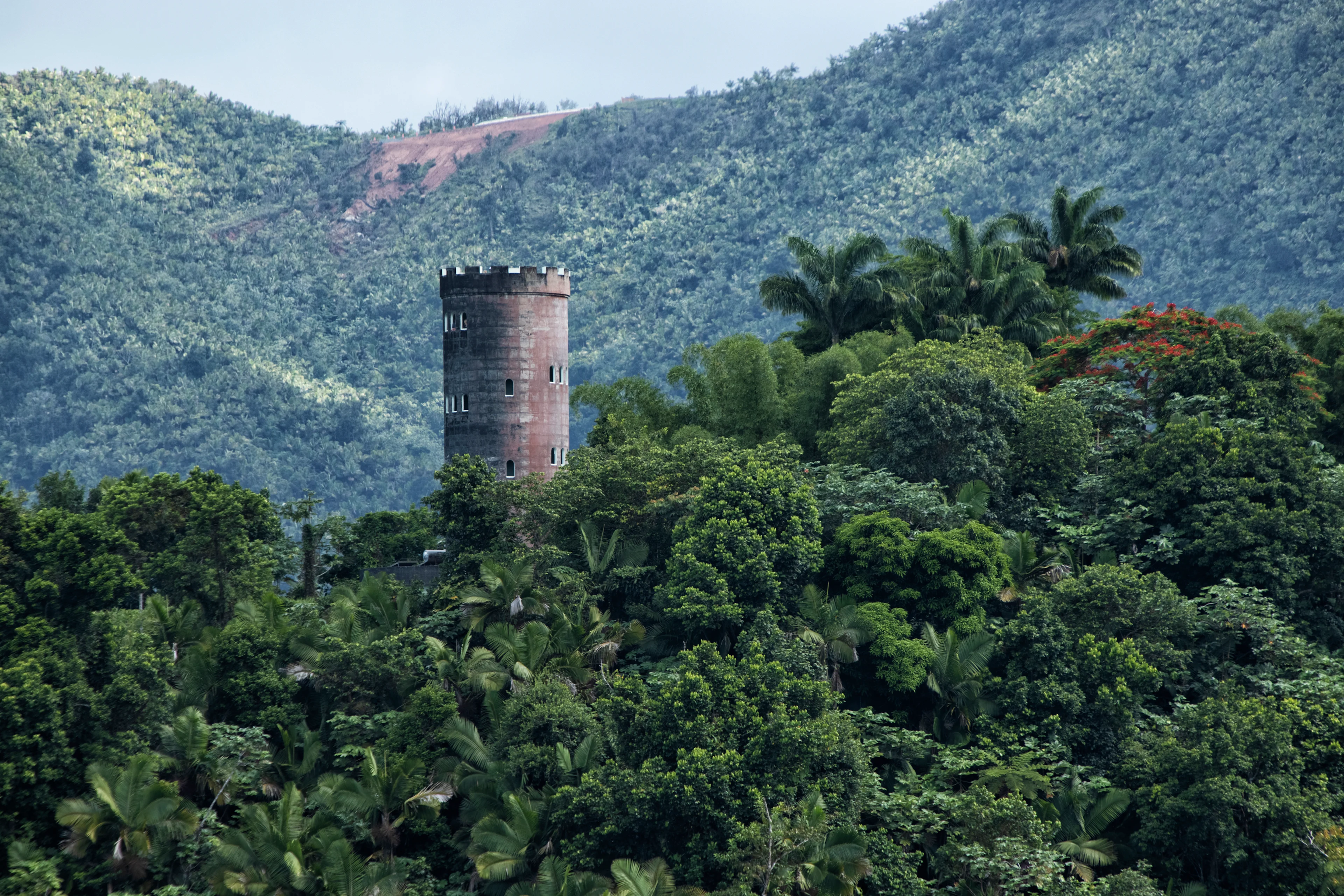
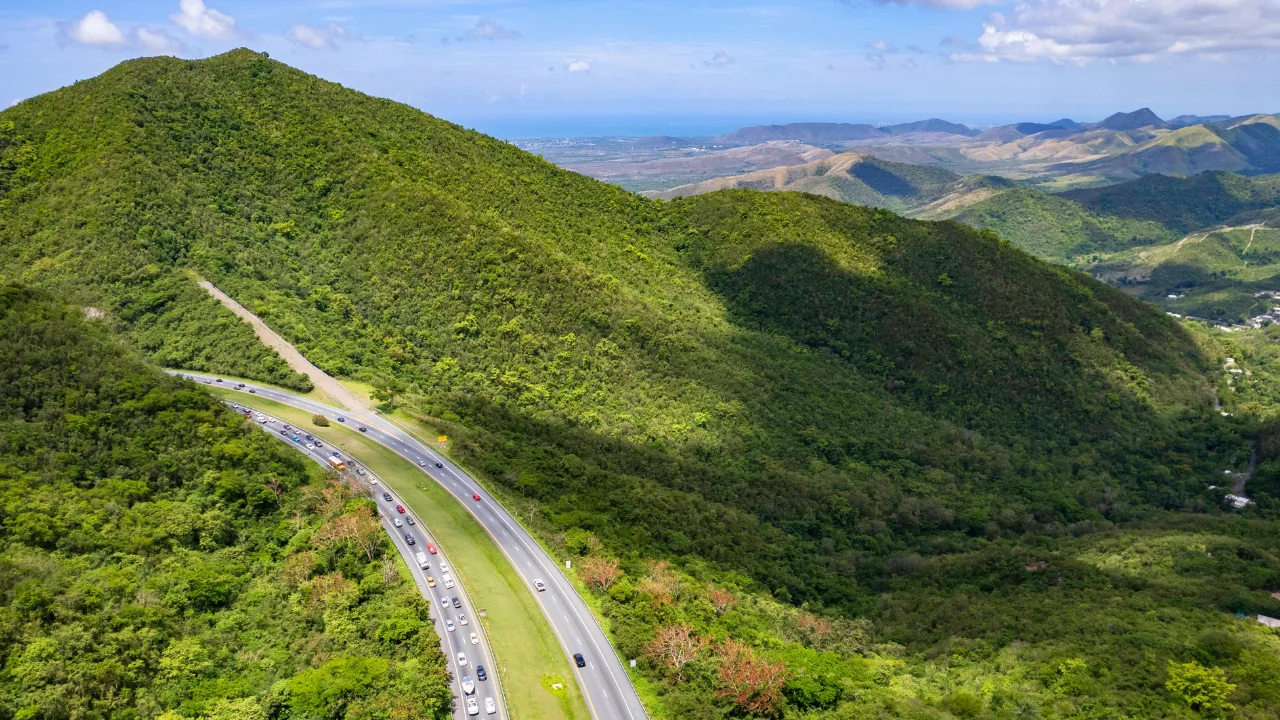
The legend can be seen in the landscape. From Torre Yokahú, which bears the god's name, two landslides that shaped the forest are visible. According to Discover Puerto Rico, rangers call them Yokahú's battle scars, because they mark the times El Yunque protected the island from hurricanes.
The Gold Hidden in the Forest
Some believe that El Yunque is full of gold. The myth has a historical basis: during the Spanish colonial period and through 1946, gold was mined in El Yunque. That is why certain areas are named La Mina or Baño de Oro.
According to the Forest Service's Centennial Timeline, in 1513 Taíno people who opposed settlers entering the forest destroyed Santiago de Daguao, a settlement near present-day Naguabo that had been founded to exploit gold from nearby rivers. In 1832, a silver and gold mining claim was recorded on the La Mina river, and in 1946 large-scale gold mining was abandoned on the Mameyes river.
Even so, archaeologist Raymond Feliciano, director of the forest's Heritage Program, said the idea that the forest is full of gold is a "myth."
Extraterrestrials in El Yunque
Another legend involves the presence of extraterrestrials, a story fed by the military presence in the forest, such as the radar installation at Pico del Este, which belonged to the U.S. Navy.
The Forest Service has documented that presence since World War II. In 1943, it authorized the Army to build a paved road to the El Yunque peak to provide access to an observation post, and in 1949 development began on an electronic communications center at that same peak.
Its Names and History
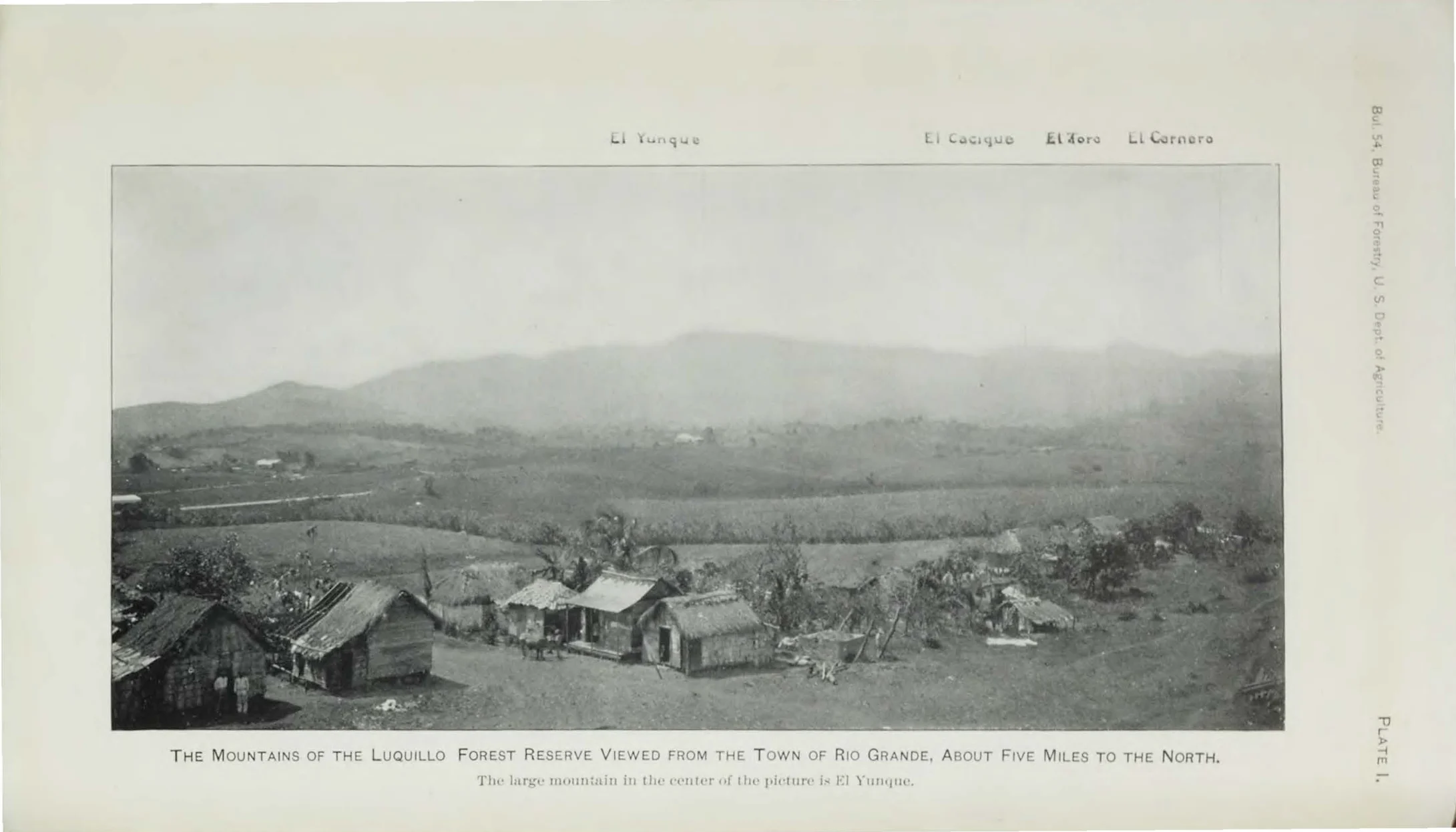
1. El Yunque National Forest is one of the oldest forest reserves on the continent: it was designated in 1876 by King Alfonso XII of Spain. The oldest is the Tobago North East Biosphere Reserve, designated in 1776.
2. The forest has had six official names. The Taíno called it Yuque or Yukiyú. It later became known as Sierra de Luquillo, Reserva del Bosque de Luquillo, Bosque Nacional de Luquillo and Bosque Nacional del Caribe. In 2007, it was officially designated Bosque Nacional El Yunque, though it is also known as Bosque Experimental de Luquillo in the research area.
3. Its name comes from the Taíno word Yuque, meaning "sacred land" or "white land," a reference to the clouds that cover the mountain.
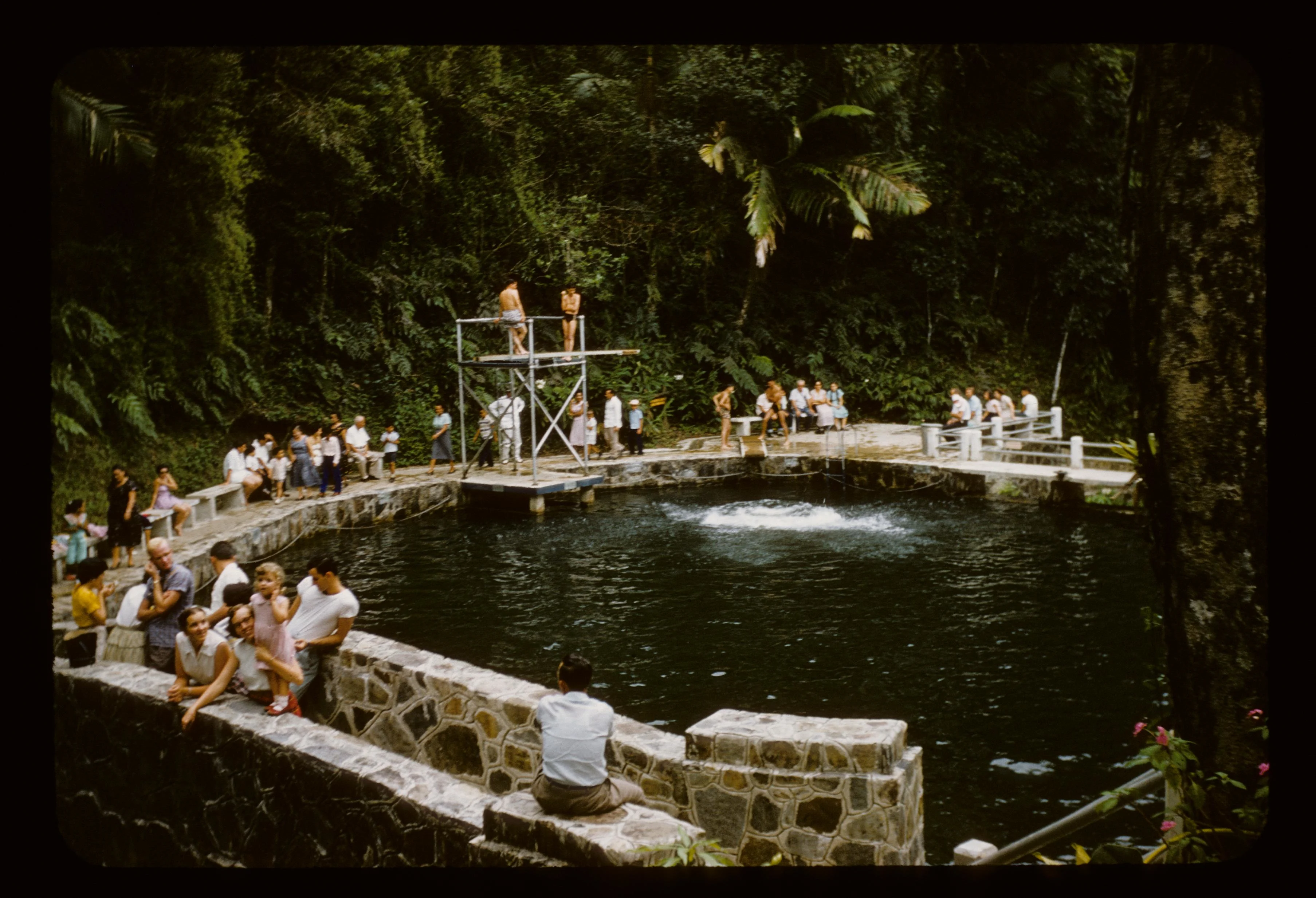
4. El Yunque National Forest contains hundreds of archaeological sites and historical resources within its boundaries. These range from prehistoric petroglyphs (rock art) to old settler dwellings, trash deposits, abandoned mines and all the recreational facilities built during the 1930s by the Civilian Conservation Corps (CCC).
Uses
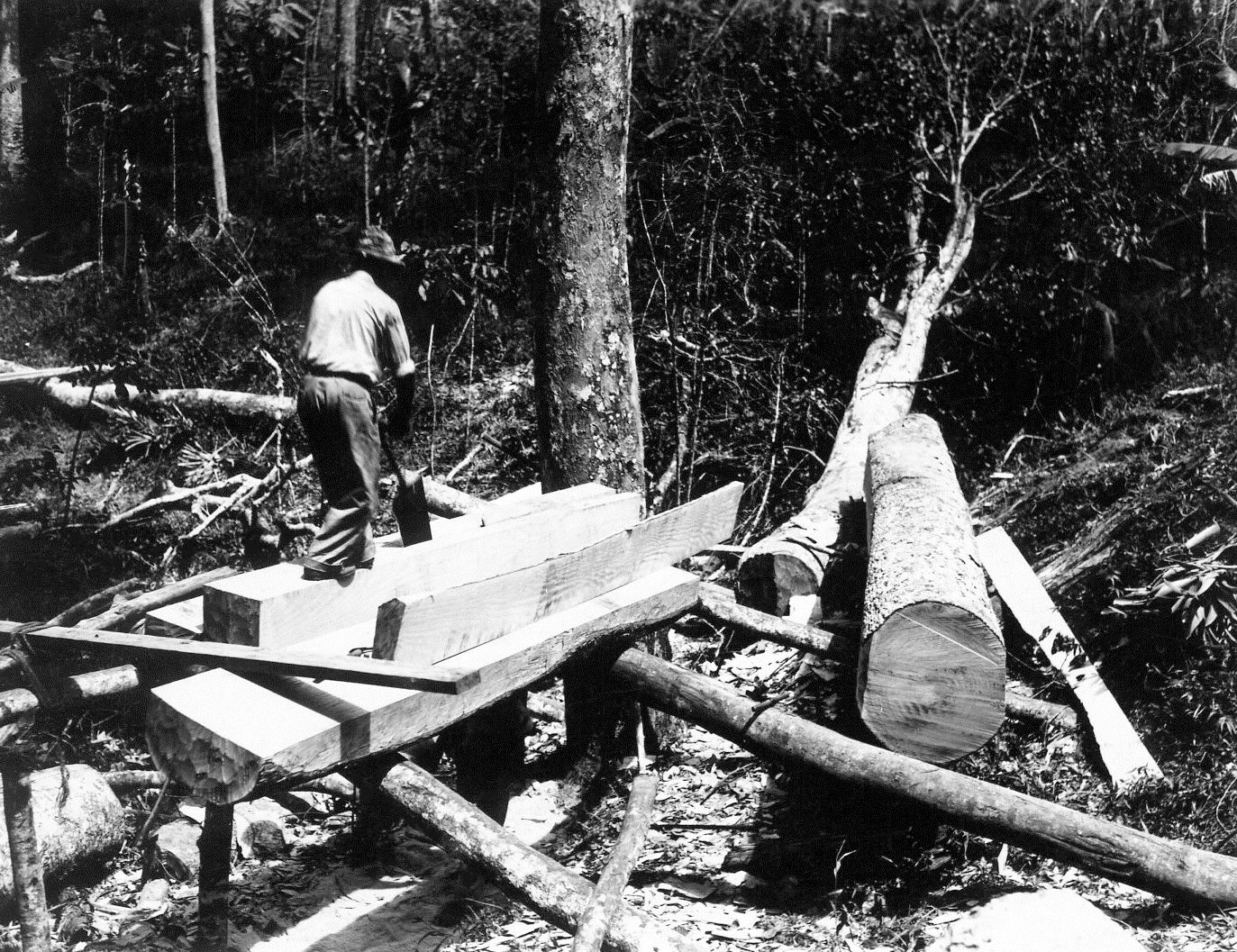
5. El Yunque National Forest also served as a timber production zone. Today, however, it is one of the few forests in the world not used for timber production.
6. El Yunque National Forest has served as a model for the protection, conservation and designation of other nature and forest reserves across Puerto Rico.
7. Parts of El Yunque National Forest were at one point used for agriculture. The El Portal area had coffee plantings, while sugarcane was grown in the La Coca area.
8. Since 2019, when the Forest Service approved the El Yunque National Forest Land and Resource Management Plan, a new phase in forest management began. It brought more than 30 nonprofits, municipalities, state and federal agencies, universities and community groups into the forest's conservation and management efforts. These include conservation, recreation and tourism uses within the forest.
9. The forest is not just a forest reserve. "Everything around the forest depends on El Yunque," says Feliciano. Whether for the economy, tourism, water production, ecology, research, history, recreation or simply having a place to connect with nature in solitude and quiet, El Yunque offers something for everyone.
By the numbers: social, economic and cultural impact
10. El Yunque National Forest supplies 20% of the water consumed by municipalities, yet it occupies less than 2% of Puerto Rico's total land area. There are 34 water intakes that draw more than 46 million gallons of water from the forest per day.
11. In economic terms, El Yunque contributes roughly $25 million (estimated) in water production per year. It contributes more than $3.5 million per year in wildlife-watching activities. It contributes directly more than $3.5 million per year through employment, spending and payments for revenue sharing and in lieu of contributions.
12. El Yunque National Forest is today larger than what was designated as a forest reserve in 1876. At that time, it was about 24,710 acres (10,000 hectares); today it is 29,752 acres (12,040 hectares). This is due to the Forest Service's policy of acquiring adjacent land to continue expanding the protected area.
Much more than a forest
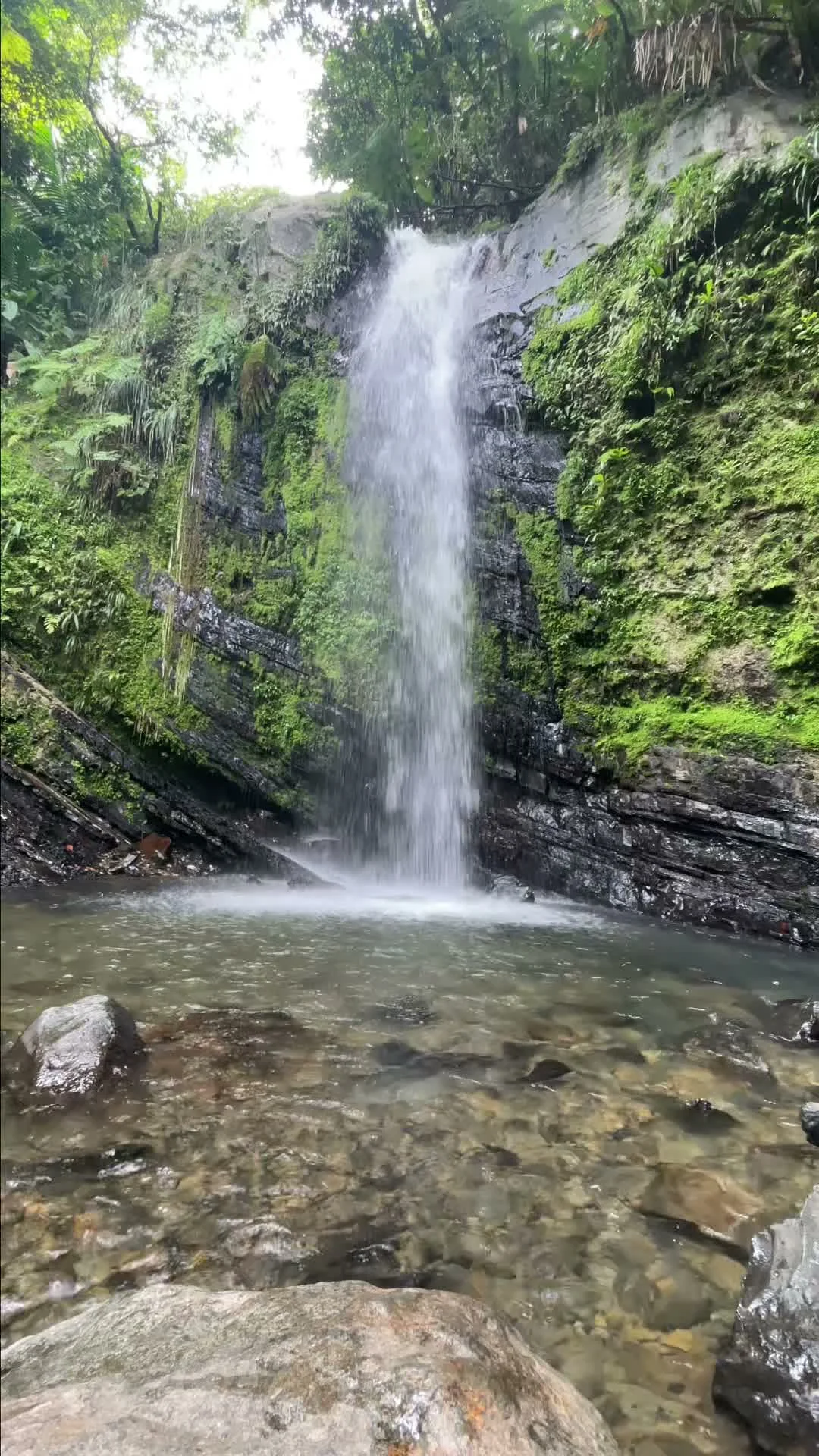
13. El Yunque National Forest is not just a forest. It is more than 30 forest systems or distinct ecosystems, each with its own conditions. The designations of Bosque de Tabonuco, Bosque de Palo Colorado, Bosque de Palma de Sierra and Bosque Enano (or cloud forest) are a simplified version of a broader system of ecological zones.
14. El Yunque National Forest is the only tropical rainforest within the national forest system of the United States, and the only one that is also entirely an experimental forest. Although it is one of the smallest in the U.S. system, it is the one with the greatest biodiversity.
15. El Yunque National Forest is one of the forests within the UNESCO Man and the Biosphere Programme (MaB), a designation it received in 1976.
16. It contains the largest section of protected forest in Puerto Rico that has barely been altered by humans.
17. The forest has five peaks that exceed 1,000 meters in elevation. The highest is El Toro (1,074 meters or 3,523 feet), followed by Pico El Yunque (1,065 meters or 3,494 feet), Pico del Este (1,051 meters or 3,448 feet), Pico del Oeste (1,025 meters or 3,362 feet) and Cacique (1,020 meters or 3,346 feet).
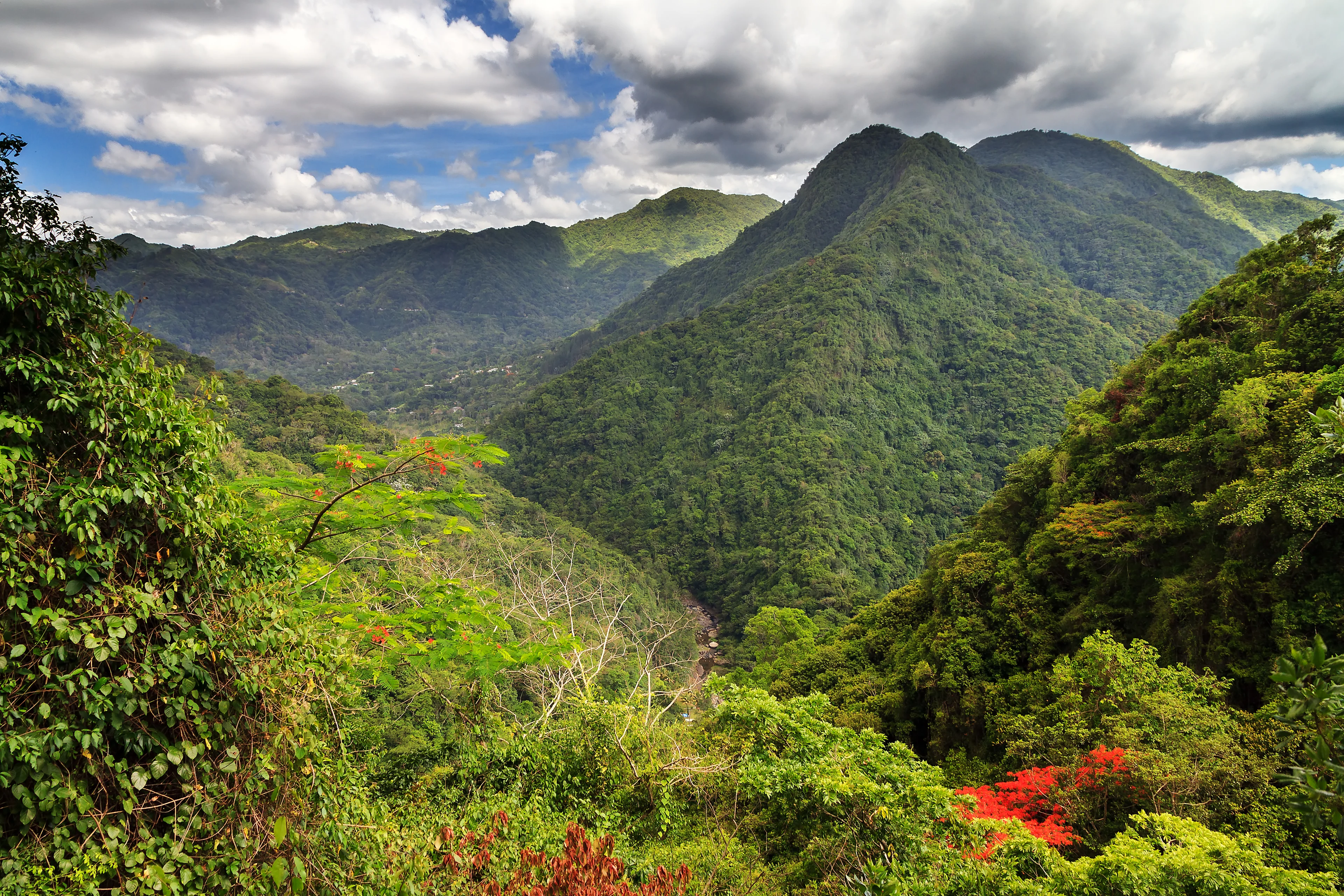
18. Within El Yunque National Forest, 10 rivers and seven watersheds originate. Four of these rivers (Río Blanco, Río Espíritu Santo, Río Grande de Loíza and Río Mameyes) are the source of 80% of the water for those supplied by the forest.
Research in the forest
19. The U.S. Forest Service created a dedicated entity to research how to conserve tropical forests. It is the Instituto Internacional de Dasonomía Tropical (International Institute of Tropical Forestry, IITF), which has offices at the Jardín Botánico de la UPR and a library holding research conducted in El Yunque National Forest and other forests.
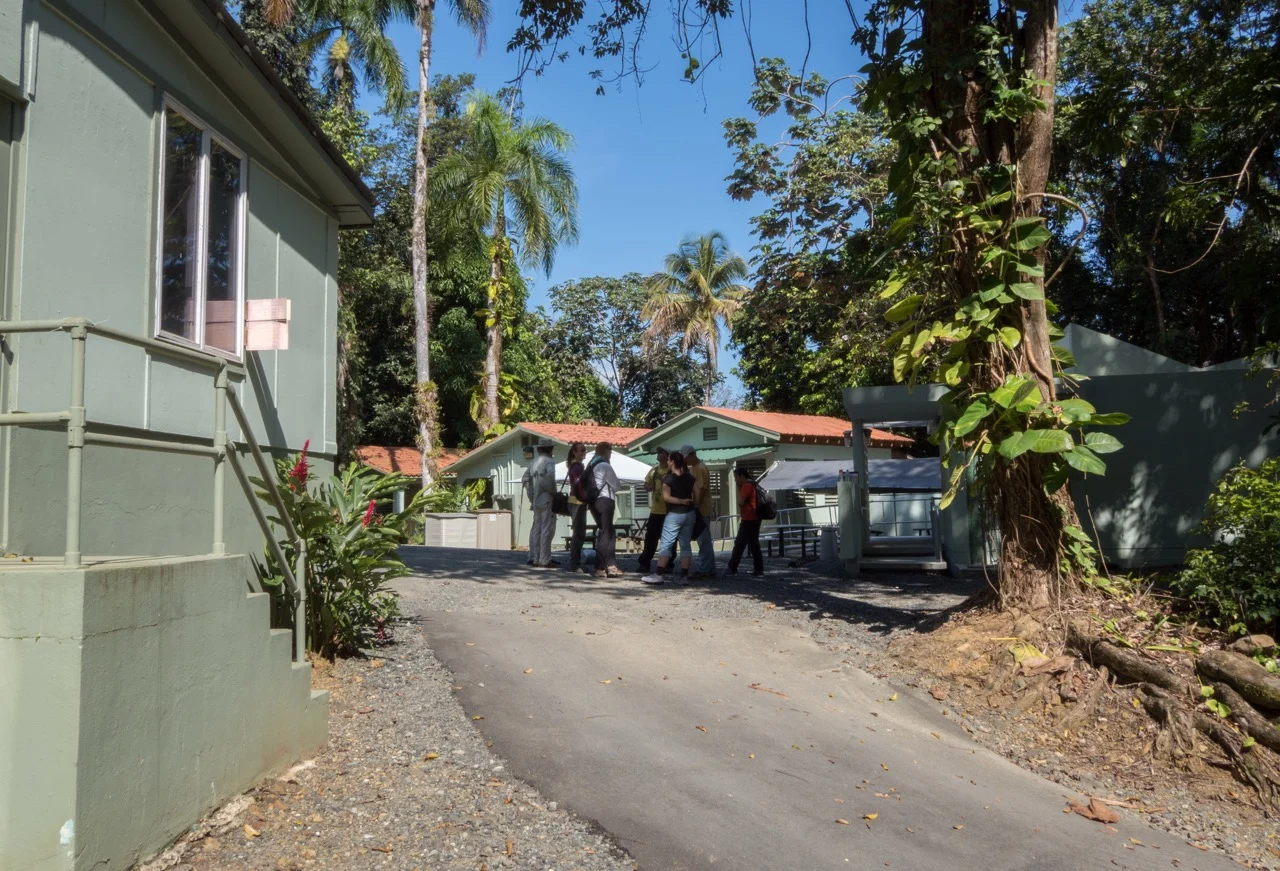
20. El Yunque National Forest is one of the most studied tropical forests in the world (for more than 100 years) and is also known as the Bosque Experimental de Luquillo (the two share boundaries). It has two experimental stations (El Verde Field Station and Sabana Field Research Station), and the research is carried out by the Instituto Internacional de Dasonomía Tropical (IITF).
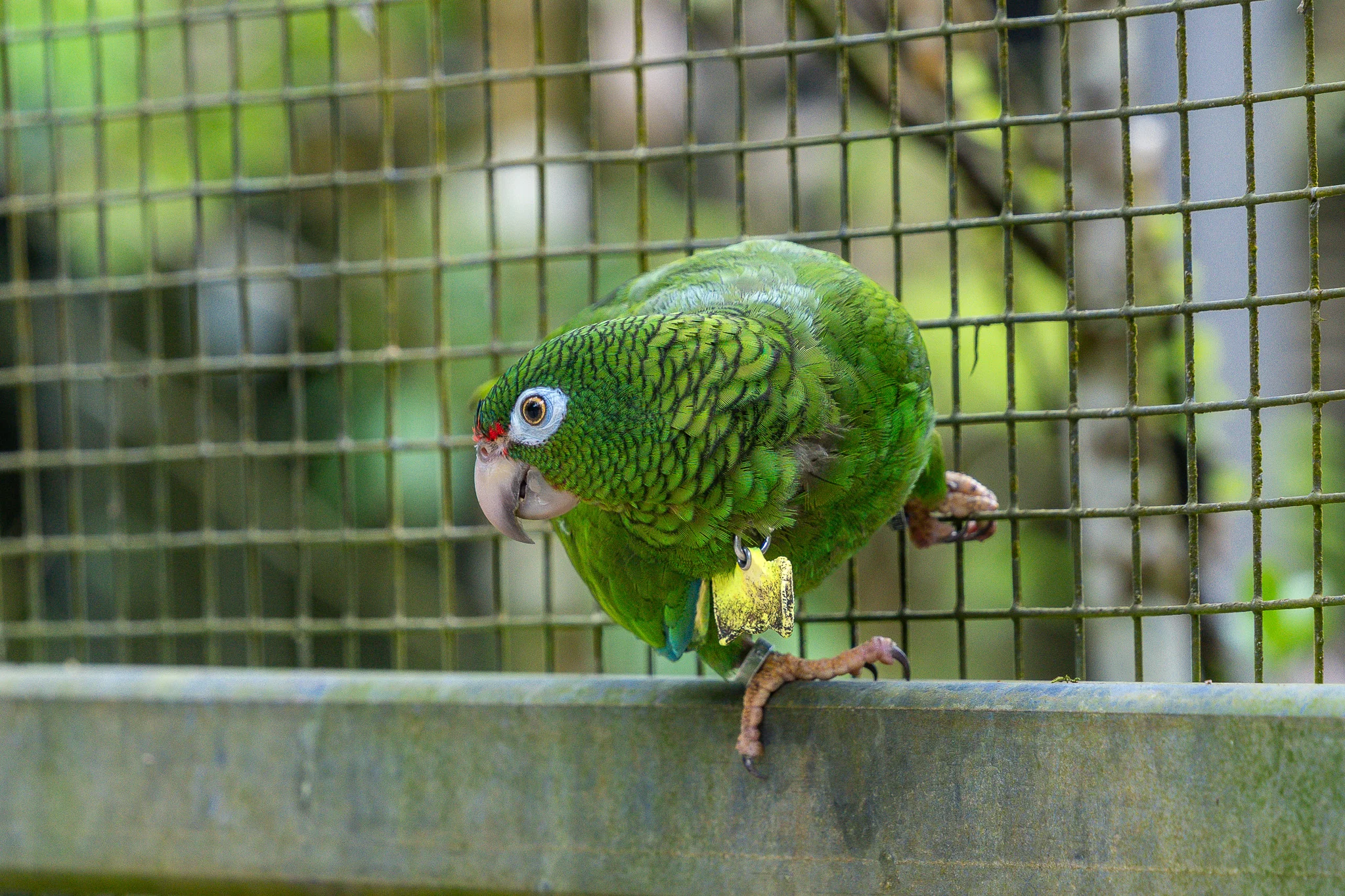
21. The Programa de Conservación de la Cotorra Puertorriqueña began in El Yunque National Forest in the 1970s, within the U.S. Fish and Wildlife Service (USFWS). It has served as a model for species conservation in other countries, such as Brazil's Spix's macaw, and has brought the number of Puerto Rican parrots flying free in three forests to more than 400, up from 13-15 in 1967.
Flora and fauna in the forest
22. El Yunque National Forest provides habitat for more than 1,000 plant species, of which 225 are native tree species. Eight species are endemic to the Sierra de Luquillo and 60 are endemic to Puerto Rico (learn about some of the endemic plants). In addition, eight species appear on the federal list of protected species: Callicarpa ampla, Eugenia haematocarpa, Ilex obcardata, Lepanthes eltoroensis, Pleodendron macranthum, Styrax portoricensis, Ternstroemia luquillensis and Ternstroemia subsessilis. Of the plant species, 39 are considered Threatened Species with Conservation Priority.
23. El Yunque National Forest provides habitat for more than 160 fauna species, including 24 endemic species. Five species are on the federal list of protected species: Cotorra Puertorriqueña, Guaraguao de Bosque, Falcón de Sierra, Boa Puertorriqueña and Reinita de Bosque Enano. It also provides habitat for species in the "Conservation Priority Species" category, which includes 10 coquí species, 2 lizard species, one bat species, 2 bird species, one snail species, 5 fish species and 2 freshwater shrimp species.
24. El Yunque National Forest is home to at least 13 coquí species, of the 17 documented in Puerto Rico (of those 17, three have not been seen in decades and are believed to be extinct).
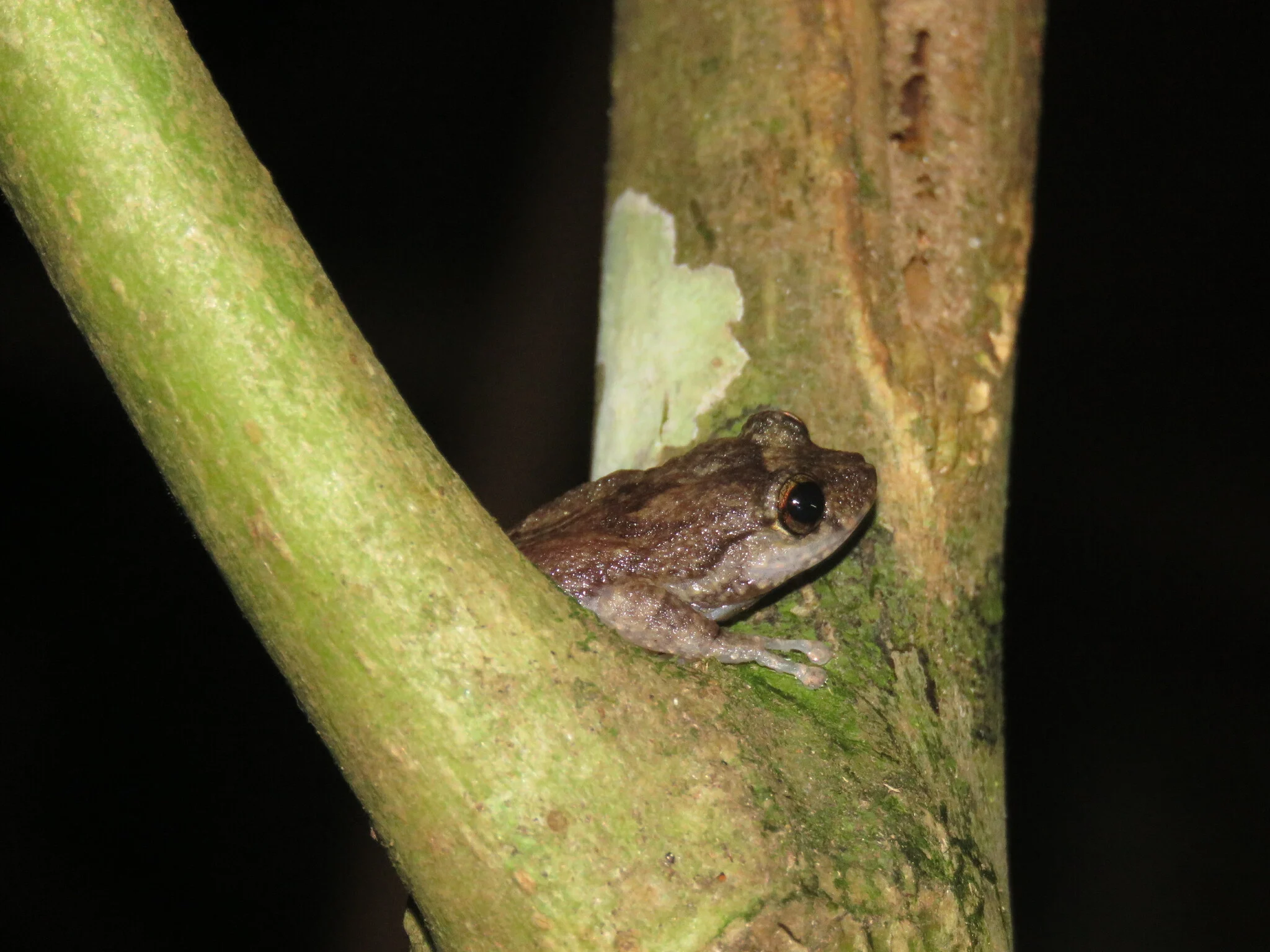
25. Some species have been discovered in El Yunque National Forest, such as the coquí Eleutherodactylus hedricki and the Reinita de Bosque Enano (Setophaga angelae), but there are others that are found only there, such as the snail Alcadia luzcestherae and the orchid Lepanthes eltoroensis, a flower so small you need a magnifying glass to see it.
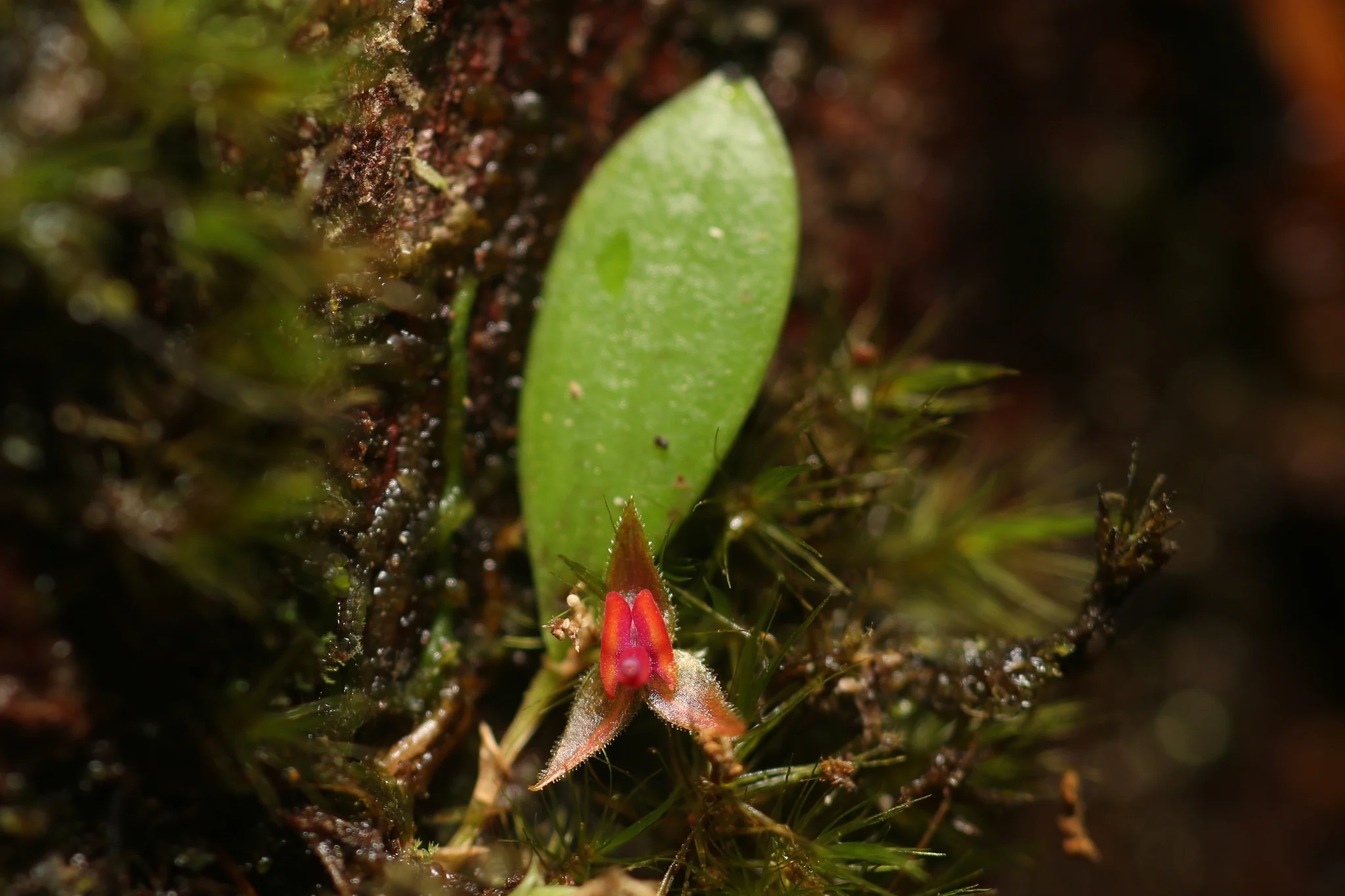
26. Most of the species "are very small," pointed out archaeologist Raymond Feliciano, director of the Heritage Program at El Yunque National Forest. "Most of the species in El Yunque are arachnids, insects, fish or even microscopic little things (species)."
If you are planning a visit, see our guide to visiting El Yunque National Forest and the list of restaurants near the forest.
This content was translated with the assistance of Artificial Intelligence (AI).