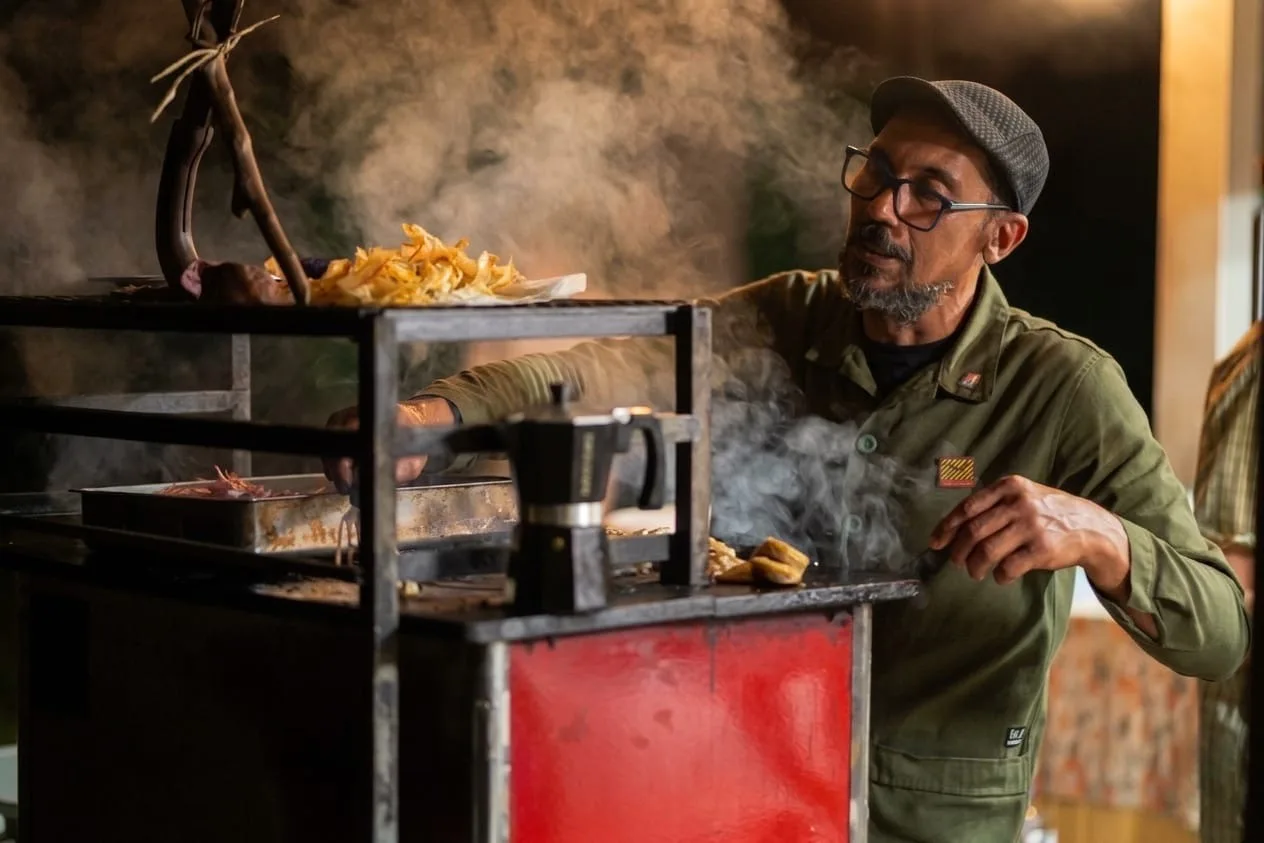
The founders of Cocina Abierta, in Condado, saw an opportunity in what seemed like an obstacle: the scarcity of locally grown products in their area.
Martín Louzao, an Argentine and owner of the restaurant Cocina Abierta, in Condado, arrived in Puerto Rico knowing that the climate and geography supported a wide variety of food crops. He found it difficult to source local products, though. When he visited farmers, he often found only a limited range of crops available.
That is how PRoduce was born, an online supermarket created by Louzao and three other partners: Patricio Schames, Crystal Díaz and Francisco Tirado. Now five years in, the platform is known for delivering predominantly local products.
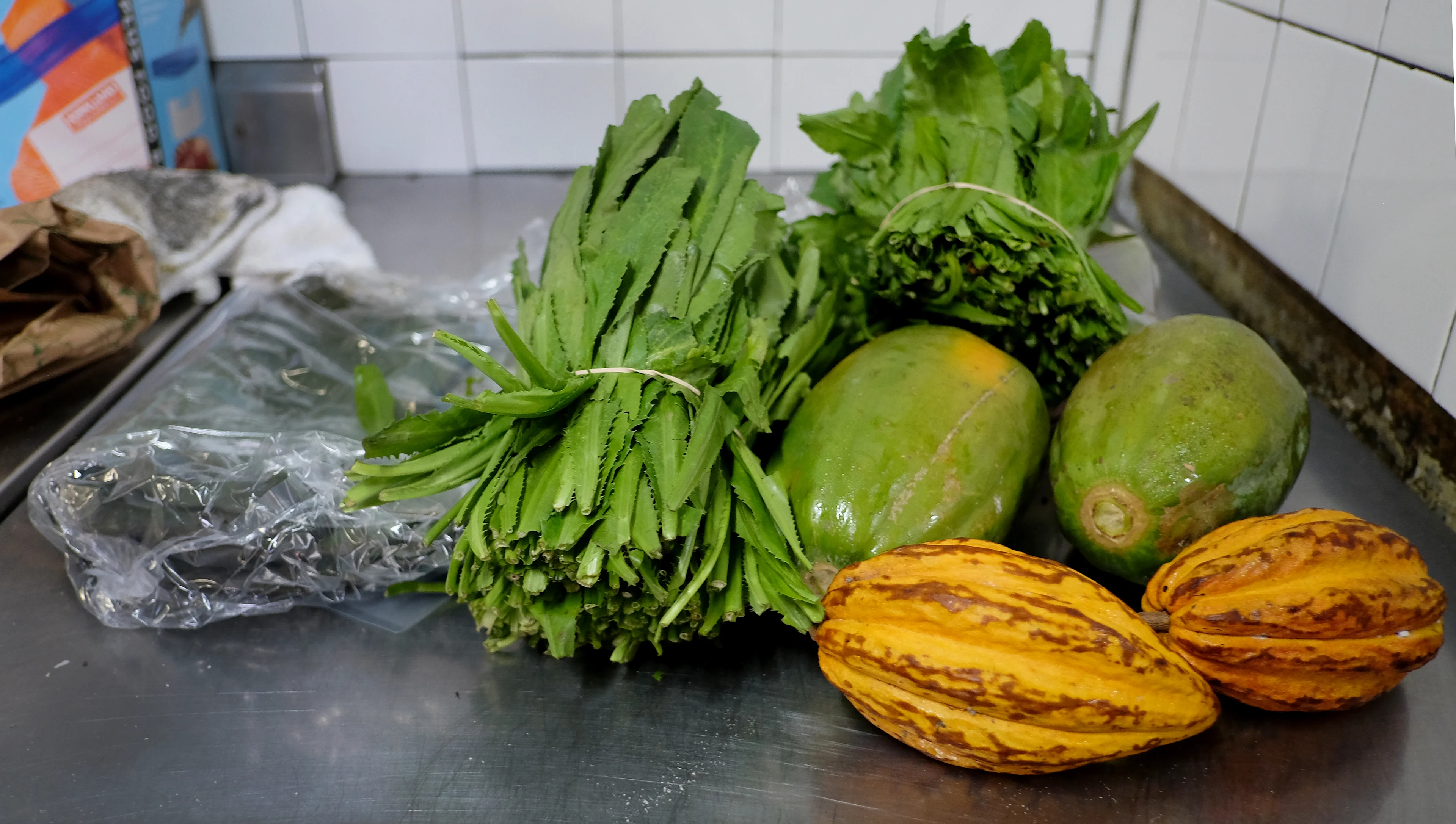
The project's goal is to connect producers with buyers, including chefs, restaurants and direct consumers, with the aim of meeting the demand for fresh, locally grown products.
Patricio Schames, one of the partners behind PRoduce and Cocina Abierta, noted that the digital supermarket works with around 400 producers, including farmers, fishers and butchers.
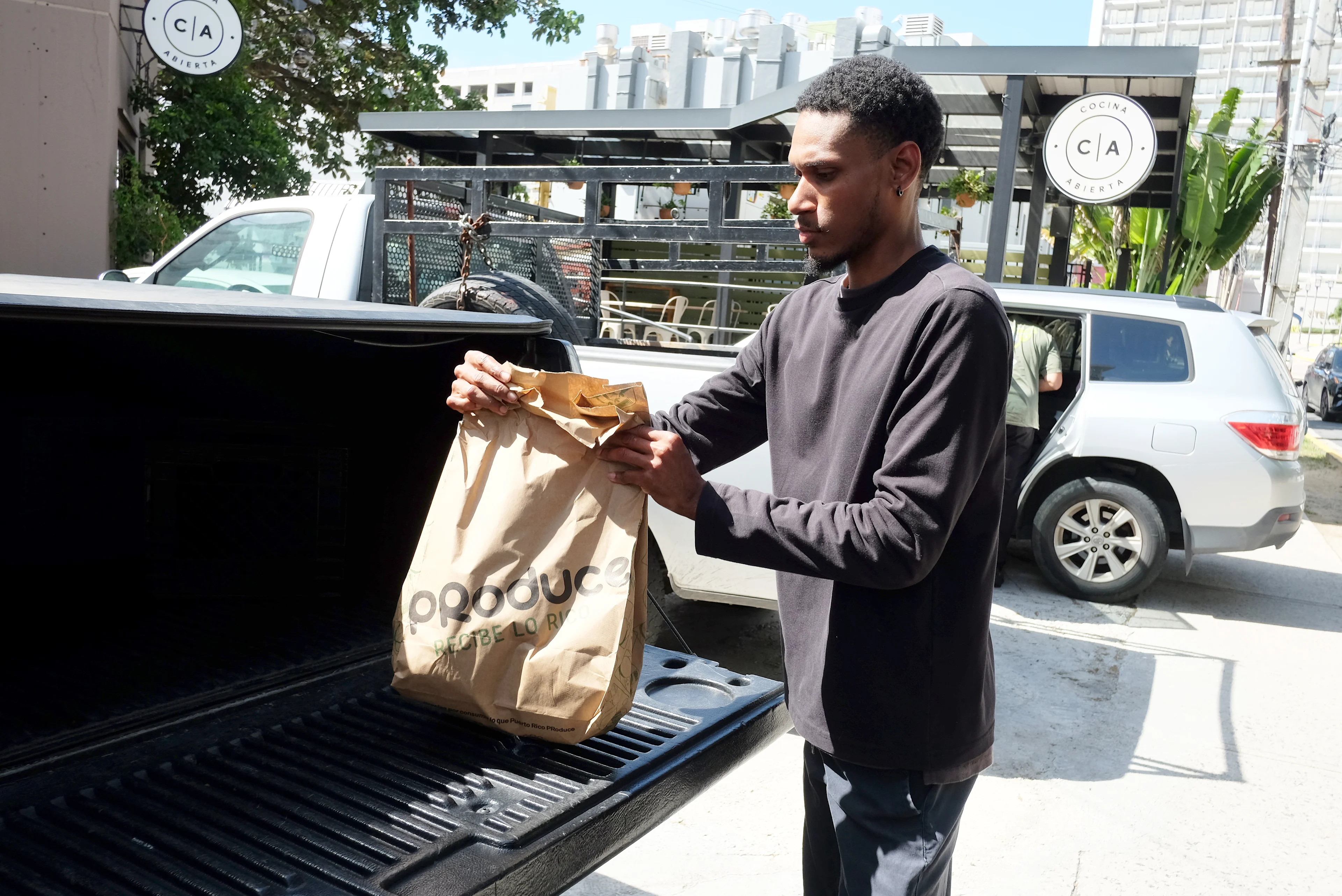
"Every week, we have a truck that goes around the Island. We know that every Monday there is a harvest for us, so we have a company driver who heads west with empty boxes and comes back with them full. There are also farmers who take the boxes to our warehouse themselves," Schames explained.
The company averages 600 deliveries a week, including to restaurants, and recently established access to Vieques to supply fresh, local products there.
Closing the gap between farmers and consumers is essential
According to 2015 data from the Departamento de Agricultura, the country depends on imported food for 85% of its supply, a situation that has created an unstable environment for food supply and availability.
Agricultural production tends to be at the center of discussions about food sovereignty, but the Food and Agriculture Organization of the United Nations (FAO) recognizes that reducing the distance between food suppliers and consumers, that is, distribution, is one of the pillars of food security.
That is precisely what PRoduce aims to do: shorten the distance between suppliers and consumers to expand the consumption of local products and strengthen the Island's food security, making distribution an essential factor in encouraging production.
In doing so, the company also seeks to address the vulnerability the archipelago faces from weather events that could disrupt the two main food import routes, air and sea, the latter being the most heavily used.
The high dependence on food imports has worsened in recent decades. In a presentation delivered in 2016, the then executive director of the Corporación de Seguros Agrícolas de Puerto Rico, agronomist Carlos E. Irizarry Ruiz, noted that in 1980, 45% of the food consumed in Puerto Rico was produced locally, while 55% was imported.
It was noted that one of the factors that drove the shift toward greater imports was the globalization that accelerated during the 1990s.
How do local farmers distribute their harvests?
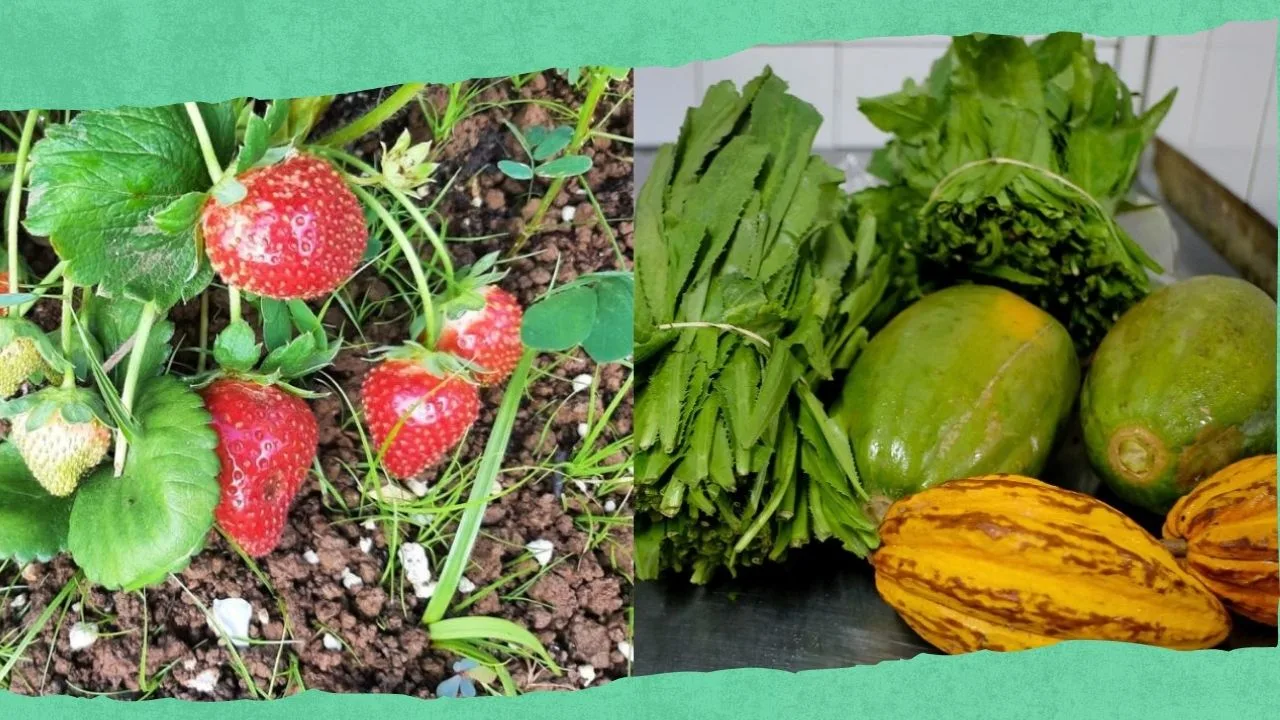
Marilyn Rosa, agribusiness owner and proprietor of the farm Fresas y Uvas Roses, in Las Piedras, has been growing strawberries and grapes since 2004, crops that are often thought to be unable to grow in the tropics. According to Rosa, Puerto Rico has a diversity of soils that allows farmers to grow a wide variety of foods.
"For there to be greater food security in Puerto Rico, the first thing we farmers must do is make sure we're not all growing the same thing,"
– Marilyn Rosa, agribusiness owner
Rosa acknowledged that one of the main challenges for farmers is distributing their harvests.
"Many of us farmers, especially those practicing agroecology, sell our own harvests directly. We don't take them to supermarkets, and we support local markets instead. We also put together food boxes and deliver them to people who are interested in eating local. At Fresas y Uvas Roses, we use social media to promote our harvests and have people pick them up directly at our farm," the farmer said.
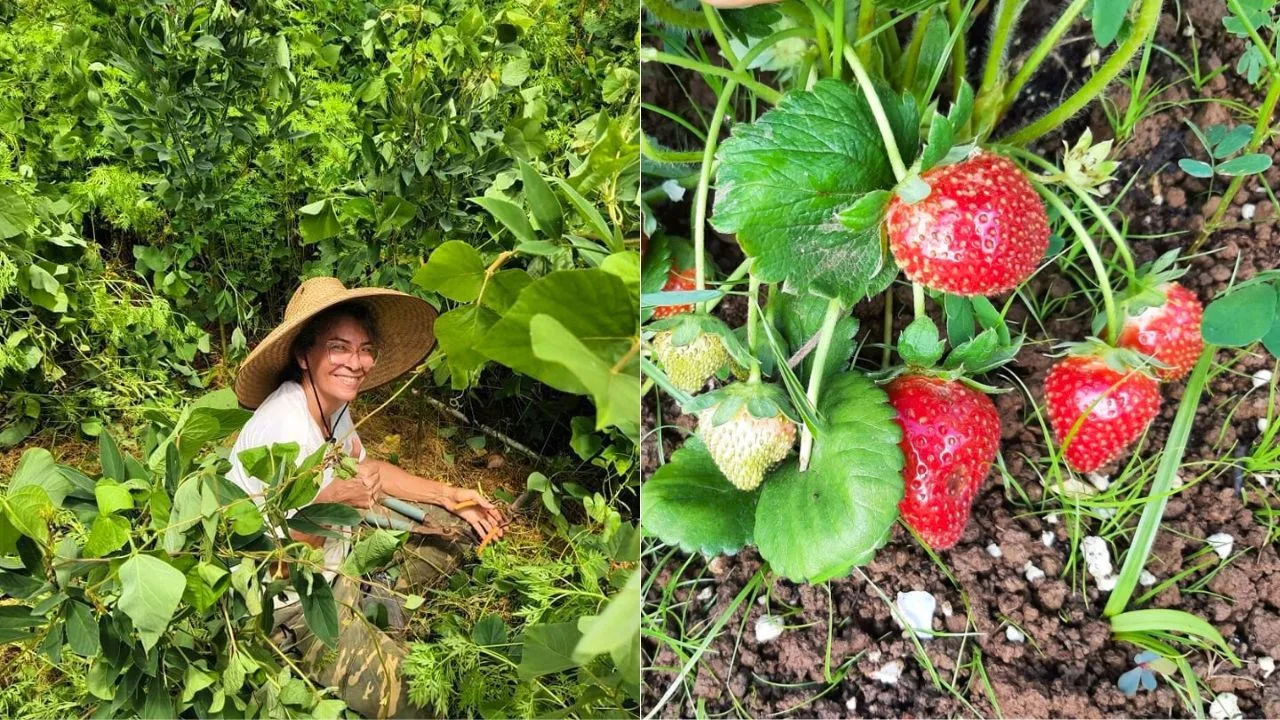
Rosa emphasized the importance of planning and of encouraging farmers to educate themselves about agroecology, a practice grounded in agrarian sustainability from more ecological perspectives focused on human well-being.
The FAO also recognizes this as a pillar for guaranteeing food security and sovereignty: supporting sustainable livelihoods and production methods, maximizing ecosystem contributions, and applying traditional knowledge.
Another pillar, according to the organization, is resisting dependence on distant corporations and treating food as something more than a commodity.
"Buy local," Schames said separately. "First for your health, second because that dollar you spend will reach a farmer here, and third because absolutely everything grows in Puerto Rico and there's nothing to envy anyone."
This content was translated with the assistance of Artificial Intelligence (AI).