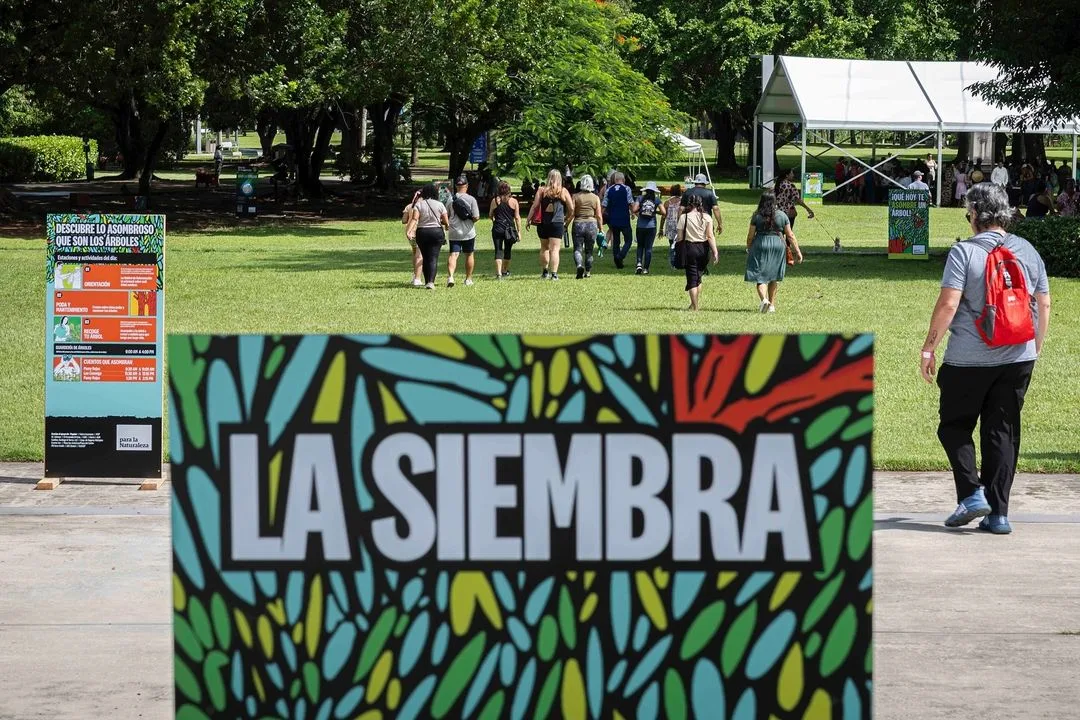
Under the sun and extreme heat warnings that are part of daily life in Puerto Rico, hundreds of people made their way to Parque Luis Muñoz Marín in San Juan over the weekend to take part in La Siembra.
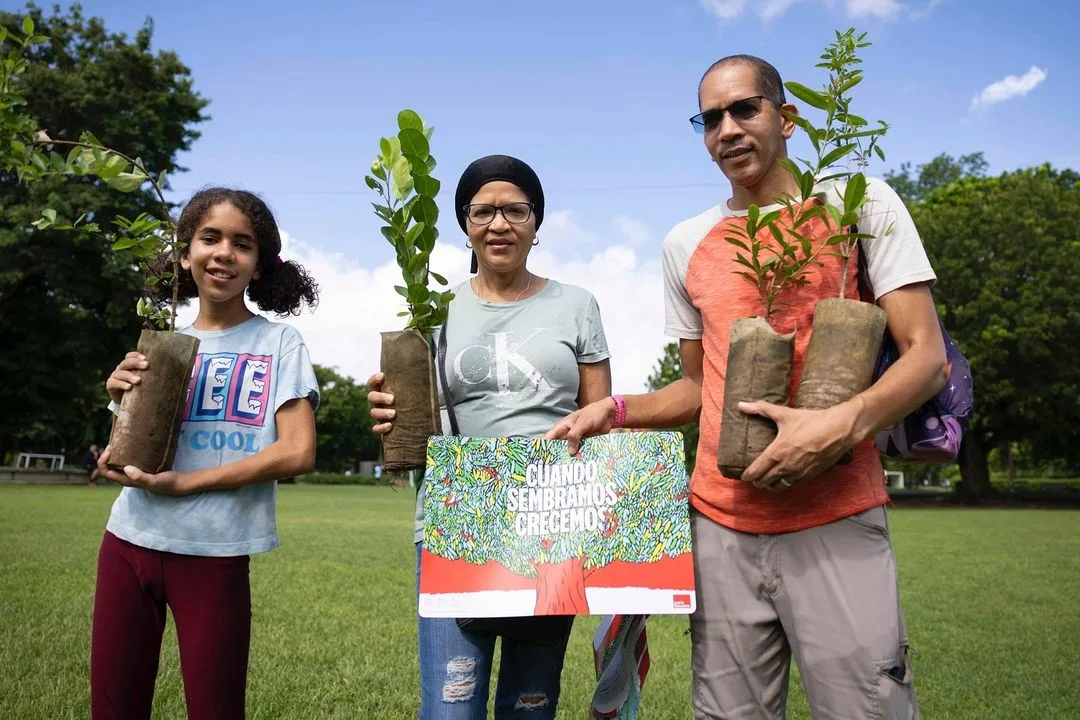
The event, organized by Para La Naturaleza, gave away nearly 4,000 native and endemic trees, offering a natural response to the challenge of high temperatures: reforestation.
"La Siembra is a response to deforestation in Puerto Rico. What we are doing is an annual tree giveaway with the goal of having people reintroduce many of the species that were affected or removed from our natural areas and our urban areas," Fernando Enrique Lloveras, president of the organization, told Platea. Para La Naturaleza has been promoting environmental conservation on the Island for more than four decades.
Over the past two decades, according to the research "Los bosques que perdimos" published in 2023 by the Red LATAM de Jóvenes Periodistas de Distintas Latitudes, the archipelago has lost around 25% of its primary forests, which are crucial for biodiversity.
Among the main causes of this deforestation, which peaked during the 2017 hurricane season, are dredging for agriculture and urban development, as well as wastewater and industrial pollution.
Through La Siembra, Para La Naturaleza aims to restore the Island's ecological biodiversity: "We are propagating more than 300 native and endemic species of Puerto Rico," Lloveras added.
Reforestation in "La metro": An urban focus
In the fourth edition of the event, which grew out of the 2020 pandemic as an alternative to the Feria de Conservación de Puerto Rico held in previous decades, La Siembra's focus was shaped around the needs of the metropolitan area.
The selection of trees for the public giveaway was not by chance. Sherlie Marie Nieves, reforestation coordinator at the Vivero de Río Piedras, explained that the chosen species adapt to different urban settings.
"Trees of various sizes were selected, including fruit trees, shade species and flowering trees, so they can be planted in homes with large yards as well as in smaller spaces," Nieves said.
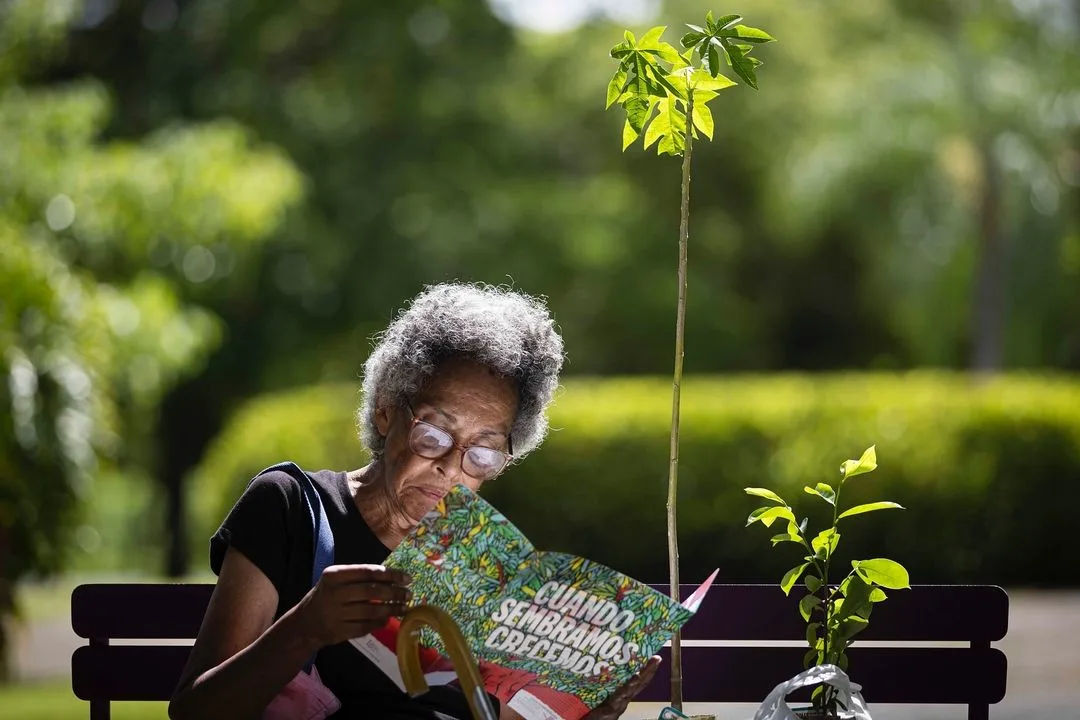
Beyond beautifying the surroundings and providing fruit or flowers, trees play a crucial role in the fight against climate change.
Nieves pointed out that planting a tree means not only putting life in the ground, but also helping to capture carbon dioxide, one of the main greenhouse gases.
"Trees are our allies. They provide ecosystem services, they insulate against heat, they insulate against noise … that is why we believe incorporating them into urban areas is very important," Nieves said.
From fruit trees to those best suited for shade, the idea is that anyone can contribute to reforestation from their yard or garden, helping to ease extreme heat and improve air quality in the city.
A strategy that works: green spaces against the heat
Green spaces have proven to be an effective and replicable solution for lowering temperatures in urban environments.
A clear example is Medellín, the second-largest city in Colombia after Bogotá, where temperatures have been reduced by 35.6°F through its innovative program of "green corridors," according to local government data gathered by BBC Future.
Launched in 2016 in response to rising air pollution and temperatures in the Colombian city, the system comprises more than 30 corridors connecting roads, vertical gardens, streams, parks and hills. It creates a network of green spaces that reduce urban heat while promoting biodiversity in densely populated areas.
Another concrete example is New York City, which has put several initiatives in place to combat extreme heat. In 2007, the city launched "MillionTreesNYC," a project through which it reached its goal of planting one million trees by 2015, expanding its urban forest by 20%.
Since then, the city has continued to strengthen its tree network and currently plants between 16,000 and 18,000 trees a year on streets, in parks and in natural areas, according to the Mayor's Office of Climate and Environmental Justice.
An educational and community experience
La Siembra not only allowed attendees to take trees home with a commitment to plant and care for them, it also served as a community space where recreational activities were offered, including reading for children in the shade of the trees, and informational tents to educate people about caring for the specimens they selected.
Some people came from other municipalities around the Island, among them Camille Camacho and her husband Ramón Plaza, owners of a plant business in Yauco.
"We have come to several of these events already because we love nature, it is part of our lives, and this time we are taking home two Retama Prieta and two Retama San José to plant," Camacho said.
Humberto Durán and Elvin Santiago also came from Corozal, two young men who chose an acerola tree and another Retama San José specimen for their yards.
"We took part in this event because we think it is important and very good for supporting the ecosystem and educating people, especially right now when we are dealing with so much heat and trees are more than necessary," Durán reflected.
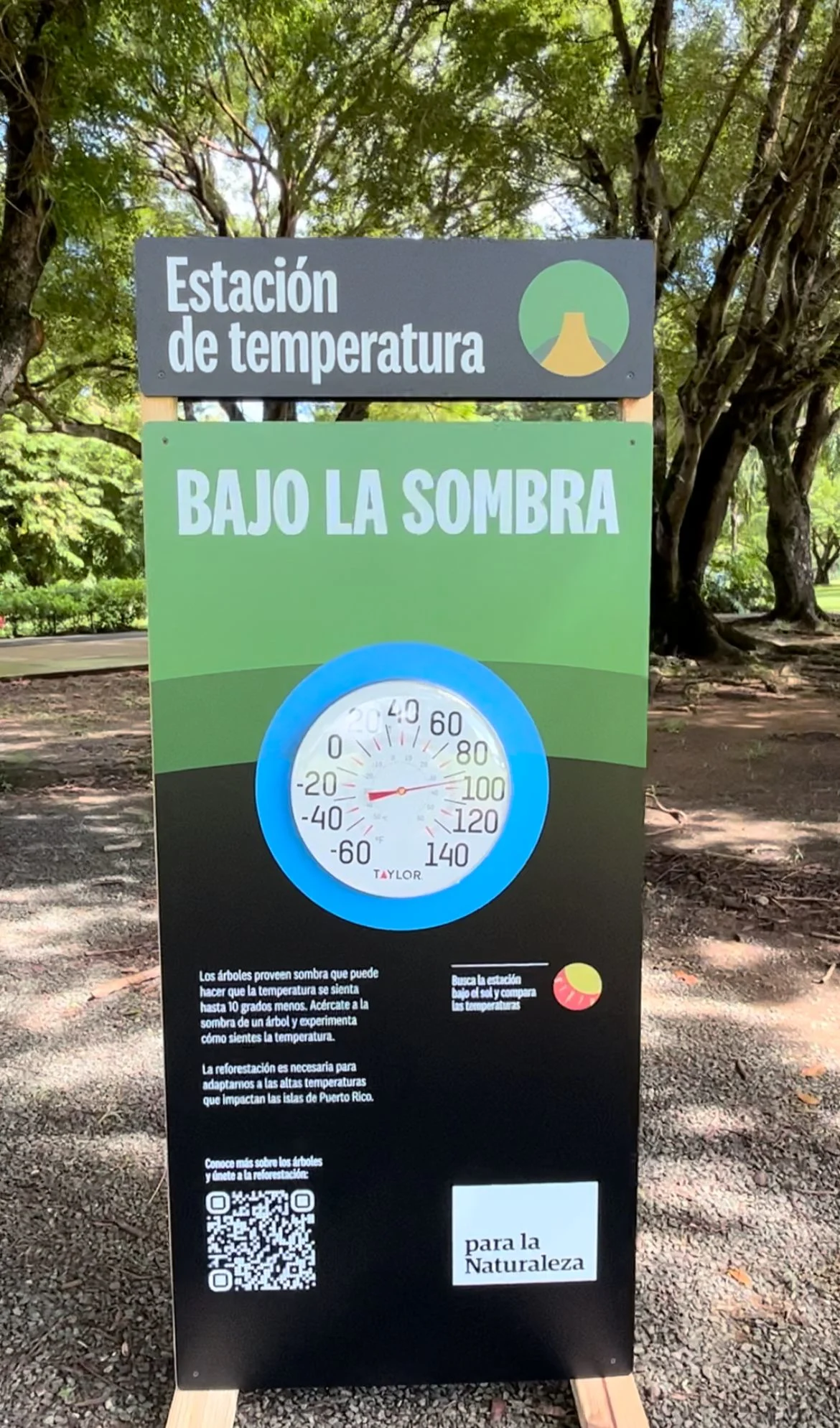
The event also included an interactive installation with two giant thermometers, one placed in the sun and one in the shade of a tree, to show visually the effect trees have on reducing temperature and reinforce the importance of reforesting urban areas.
You can be part of the solution
If you were not able to attend La Siembra but want to get involved in the ecological restoration of the Island and contribute to environmental well-being, visit the Para La Naturaleza page.
There you will find information about upcoming events, volunteer opportunities, educational tours and trees available at the organization's nurseries.
If you already participated in La Siembra and need more details about the tree you adopted and how to care for it, you can visit paralanaturaleza.org/lasiembra/conoce-tus-arboles.html.
This content was translated with the assistance of Artificial Intelligence (AI).